Category Archives: Uncategorized

Canada- Food Recall Warning – Feeding Change brand Young Thai Coconut Meat recalled due to Salmonella

CFIA

Recall details

Ottawa, April 14, 2019 – FeedingChange Canada is recalling Feeding Change brand Young Thai Coconut Meat from the marketplace due to possible Salmonella contamination. Consumers should not consume the recalled product described below.

Recalled products

Brand Name Common Name Size Code(s) on Product UPC
Feeding Change Young Thai Coconut Meat 454 g Best By : May 28 2020
CM 148181A
0 91037 12927 7


Research – Response to Questions Posed by the Food and Drug Administration Regarding Virulence Factors and Attributes that Define Foodborne Shiga Toxin–Producing Escherichia coli (STEC) as Severe Human Pathogens

Journal of Food Protection

EXECUTIVE SUMMARY

The National Advisory Committee on Microbiological Criteria for Foods (NACMCF or Committee) was asked to report on (i) what is currently known about virulence and pathogenicity of Shiga toxin–producing Escherichia coli (STEC) and how they cause illness in humans; (ii) what methods are available to detect STEC and their specific virulence factors; and most importantly (iii) how to rapidly identify foodborne STEC that are most likely to cause serious human disease. Individual working groups were developed to address the charge questions, as well as to identify gaps and give recommendations for additional data or research needs. A complete list of Committee recommendations is in Chapter 4.

STEC infections cause illnesses that range in severity from diarrhea to diarrhea with grossly bloody stools, called hemorrhagic colitis (HC), to the life-threatening sequela of infection, the hemolytic uremic syndrome (HUS). STEC are ingested in contaminated food or water or through direct contact with infected animals or people. Of all STEC that cause disease in the United States, E. coli O157:H7 (O157) causes the most outbreaks and the largest number of cases of serious illness (as assessed by the number of patients hospitalized or with HUS). The infectious dose 50% (ID50) of O157 is low (estimated to be 10 to 100 bacteria). As determined in animal models, these bacteria bind to enterocytes in the large intestine through the intimin outer membrane protein (the gene for intimin is eae), attach and efface the mucosa, and elaborate Shiga toxin (Stx) that passes from the intestine through the bloodstream to sites in the kidney. Certain Stx subtypes are more commonly associated with severe STEC human illness, e.g., Stx2a, Stx2c, and Stx2d. The serogroups (O antigen type only) linked to most cases of illness in the United States are O157, O26, O103, O111, O121, O45, and O145 in order of decreasing incidence. STEC disease is linked most often to foods of bovine origin and fresh produce; disease burden attributed to beef and dairy products is broadly similar in numbers to that attributed to fresh produce.

Stx production, a phage-encoded trait, and intimin, but not the O antigen type, are major drivers of pathogenicity. Thus, predictions of the pathogenic potential of STEC can be made based on Stx subtype and the potential of the bacteria to attach in the intestine. The combination of virulence genes in E. coli that has led to the most severe disease is stx2a with aggR (a genetic marker for enteroaggregative E. coli [EAEC]). The second-highest risk group are those O157 STEC that have stx2a and eae, followed by that same combination in O26, O103, O111, O121, O45, or O145. The combinations of stx1a and stx2a, or stx2a and stx2c, or stx2d with eaeare also of particular concern. The lack of eae suggests a reduced potential for human disease except when aggR or stx2d is present. There have been a few exceptions to this hierarchy, such as O103 that produce only Stx1 and O113 that is eae negative.

The protocols currently used by the U.S. Food and Drug Administration (FDA), U.S. Department of Agriculture–Food Safety and Inspection Service (USDA-FSIS), clinical laboratories and public health laboratories (PHLs), and the food industry include enrichment, culture, multiplex real-time PCR (RT-PCR), toxin immunoassays, biochemical characterization, DNA-based serotyping, DNA microarray, and whole genome sequencing (WGS). The advantages and limitations of each method are summarized in this report. New and developing high-throughput methods are discussed and include metagenomics, digital PCR, biosensors, and microarray.

STEC disease prevention has been and will continue to be driven by improvement in outbreak detection, investigation, and food industry practices. Highlights of Committee recommendations include the following:

  • Develop a new universal enrichment culture medium that can be broadly used for all STEC in any food.

  • Explore high-throughput methods that can detect STEC virulence factor genes directly from enrichment medium and develop and/or improve methods that can ascertain that all critical STEC markers found in the enrichment broth are within the same cell to eliminate the need to isolate the organism.

  • Expand systematic sampling of food, animals, and water for STEC.

  • Explore ways for industry to share test data anonymously.

  • Fund academic research on (i) the regulation of toxin expression and the phages that encode toxin; (ii) mechanisms of attachment by eae-negative STEC; (iii) oral-infection animal models or cell culture models that are more reflective of human disease; and (iv) human host factors that influence the outcome of STEC infection.

  • Link standardized epidemiological, clinical, and STEC WGS data to monitor trends in recognized and emerging virulence attributes such as Stx type and phage profiles.

  • Further develop WGS methods to (i) predict toxin levels produced by an STEC and (ii) generate a classification scheme based on genomic clusters.

The Committee agrees that a combination of genetic characteristics (attributes) exist that signal potentially high-risk STEC and that these STEC will eventually be identifiable using high-throughput techniques that analyze gene profiles. Thus, to rapidly identify foodborne STEC that are most likely to cause serious human disease, the Committee recommends that STEC analyses move toward using virulence markers rather than serogroup or serotype to identify pathogens. The Committee concurs that as ease of use increases and costs decrease, culture-independent diagnostic tests (CIDTs) based on genomic clusters or lineages will be more broadly used to predict whether an STEC isolate is likely to cause serious human disease.

Executive summary of the charge.

STEC are a large, diverse group of bacteria that are characterized by the production of Stx. There are two main Stx types, designated Stx1 and Stx2, and within each are many subtypes. Currently, there are three known Stx1 (Stx1a, Stx1c, and Stx1d) and seven known Stx2 (Stx2a, Stx2b, Stx2c, Stx2d, Stx2e, Stx2f, and Stx2g) subtypes, but some of these are produced mostly by environmental- or animal-associated strains. Thus far, Stx1a, Stx2a, Stx2c, and Stx2d are the subtypes most frequently implicated in human illness. There are estimated to be >400 known STEC serotypes that can produce any of the Stx types, subtypes, or combination of subtypes. However, only a subset of these STEC serotypes have been associated with human illness. Furthermore, the production of Stx alone without other virulence factors, such as intimin, has been deemed to be insufficient to cause severe human illness.


Research – Bacteria flip an electric switch to worsen food poisoning

Science Daily

Salmonella bacteria flip an electric switch as they hitch a ride inside immune cells, causing the cells to migrate out of the gut toward other parts of the body, according to a new study publishing on April 9 in the open-access journal PLOS Biology by Yaohui Sun and Alex Mogilner of New York University and colleagues. The discovery reveals a new mechanism underlying the toxicity of this common food-borne pathogen.

Salmonella are among the commonest, and deadliest, causes of food poisoning, causing over 400,000 deaths every year. Many of those deaths result when the bacteria escape the gut inside immune cells called macrophages. Macrophages are drawn to bacteria in the gut by a variety of signals, most prominently chemicals released from the site of infection. Once there, they engulf the bacteria as a regular part of their infection-fighting job. However, rather than remaining there, bacteria-laden macrophages often leave the site and enter the bloodstream, disseminating the bacteria and greatly increasing the gravity of the infection.

Tissues such as the gut often generate small electrical fields across their outer surfaces, and these electrical fields have been known to drive migration of cells, including macrophages. In the new study, the authors first showed that the lining of the mouse cecum (the equivalent of the human appendix) maintains a cross-membrane electrical field, and that Salmonella infection altered this field and contributed to the attraction of macrophages. Measurements of the polarity of the local charge indicated that the macrophages were attracted to the anode, or positively charged pole within the field. Once they engulfed bacteria, however, they became attracted to the cathode and reversed their migratory direction, moving away from the gut lining, toward vessels of the circulatory system. This switch was driven by a in the composition of certain charged surface proteins on the macrophages; the mechanism by which bacterial engulfment triggers this change is still under investigation.

“Dissemination, rather than localized infection, is the greatest cause of mortality from Salmonella (and other food-borne bacteria), and so understanding more about this polarity switch is likely to help develop new treatments to reduce deaths from food-borne bacterial infections,” said Mogilner.

USA – Norovirus Outbreak Associated with Dave and Buster’s in Auburn, WA

Food Poisoning Bulletin norovirus-1080x655

A norovirus outbreak associated with Dave and Buster’s restaurant at 1101 Outlet Collection Way SW, Suite 1057, in Auburn, Washington has sickened at least 12 people, according to King County Public Health. Since April 5, 2019, five people from a single party reported illnesses after eating at that facility on March 31, 2019.

USA – E. coli O103 Outbreak Sickens 96 in 5 States; No Source Found

Food Poisoning Bulletin

An E. coli O103 outbreak sickens 96 in 5 states, according to the CDC. The outbreak was first announced less than two weeks ago and the number of patients has more than quadrupled in 10 days. Eleven people have been hospitalized. No one has developed hemolytic uremic syndrome (HUS), a type of kidney failure that is a complication of this illness

E. coli O103 Outbreak KY GA TN VA OH

Canada – Salmonella Enteritidis Outbreak in Canada Sickens 63; No Source Found

Food Poisoning Bulletin

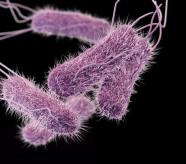
Salmonellaa

Image CDC

A Salmonella Enteritidis outbreak in Canada has sickened at least 63 people in six provinces, but public health officials have not identified a source of the pathogen. Officials are sharing this information to inform consumers how to avoid Salmonella infections. There is another Salmonella outbreak in that country that has sickened more than 500 people. That outbreak is linked to frozen breaded raw chicken and other raw chicken products.

USA – Dungeness Valley Creamy Raw Milk Recalled For Possible E. coli

Food Poisoning Bulletin

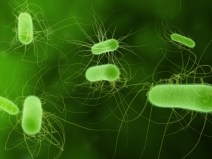
Ecoli Istock

Image CDC

Dungeness Valley Creamery of Sequim, Washington, is recalling their raw, unpasteurized whole milk, skim milk, and cream because it may be contaminated with E. coli bacteria that can cause illness. Routine sampling by the Washington State Department of Agriculture found the pathogen in retail raw whole milk that was dated 4/6.

RASFF Alerts – Listeria monocytogenes – Chilled Smoked Salmon- Cheese – Brie -Raw Milk Cheese – Sheep Cheese

RASFF-Logo

RASFF – Listeria monocytogenes (presence /25g) in chilled smoked salmon from Belarus in Poland

RASFF – Listeria monocytogenes (present) in various cheeses from France in Belgium

RASFF – Listeria monocytogenes in brie from France in Belgium

RASFF – Listeria monocytogenes in raw milk cheese (Brie de Meaux) from France in Luxembourg

RASFF – Listeria monocytogenes (presence /25g) in sheep cheese from Slovakia in Slovakia

RASFF Alerts – Aflatoxin – Pistachios – Chilli Powder – Peanut and White Chocolate Spread – Peanut and Milk Chocolate Spread – Peanut with Caramel Spread – Dried Figs – Chopped Dates – Peanuts

RASFF-Logo

RASFF – aflatoxins (B1 = 10; Tot. = 58.9 µg/kg – ppb) in unshelled roasted pistachios from Turkey in Germany

RASFF – aflatoxins (B1 = 75.5; Tot. = 78.3 µg/kg – ppb) in chilly powder from India in Greece

RASFF – aflatoxins (B1 = 7.4; Tot. = 8.0 µg/kg – ppb) in peanut spread with white chocolate from Ukraine in Slovakia

RASFF – aflatoxins (B1 = 9.8; Tot. = 11.3 µg/kg – ppb) in peanut spread with milk chocolate from Ukraine in Slovakia

RASFF – aflatoxins (B1 = 7.2; Tot. = 36 µg/kg – ppb) in dried figs from Turkey in the Netherlands

RASFF – aflatoxins (B1 = 19.1; Tot. = 22.2) in peanut spread with caramel from Ukraine in Slovakia

RASFF – aflatoxins (B1 = 5.8; Tot. = 5.8 µg/kg – ppb) in chopped dates from Pakistan, via Germany in the Netherlands

RASFF – aflatoxins (B1 = 10.1 µg/kg – ppb) in shelled pistachios from the United States in Italy

RASFF – aflatoxins (B1 = 28.09; Tot. = 30.95 µg/kg – ppb) in pistachios from Kyrgyzstan, via Turkey in Italy

RASFF – aflatoxins (B1 = 4.07; Tot. = 4.6 mg/kg – ppm) in peanuts with shell from Egypt in Italy

RASFF Alert – Moulds – Mayonnaise

RASFF-Logo

RASFF – mayonnaise from Denmark infested with moulds in Denmark