RASFF – shigatoxin-producing Escherichia coli (stx2+ /25g) in chilled raw beef ribs from Poland in Slovakia
RASFF – shigatoxin-producing Escherichia coli (O26 eae+ stx+) in raw milk goat’s cheese from France in France

RASFF – too high count of Escherichia coli (between 330 and 1400 MPN/100g) in live mussels (Mytilus galloprovincialis) from Spain in Italy
RASFF – Salmonella enterica ser. salamae (presence /25g) in sesame seeds from Ethiopia, via the United Arab Emirates in Greece
RASFF – Salmonella in whole egg powder from Sweden in Germany
RASFF – Salmonella enterica ser. Enteritidis (present /25g) in frozen chicken from Poland in the Czech Republic
RASFF – Salmonella enterica ser. Infantis (presence /25g) in chilled chicken breast fillets from Poland in the Czech Republic
RASFF – Salmonella enterica ser. Typhimurium monophasic (1 ,4, [5], 12:i:-) (present /25g) in frozen raw sausage from Germany in Finland
RASFF – Salmonella enterica ser. Enteritidis (presence /25g) in chilled chicken broiler fillets from Poland in Lithuania
RASFF – Salmonella enterica ser. Indiana (presence /25g) and Salmonella enterica ser. Newport (presence /25g) in chilled chicken quarters from Poland in the Czech Republic
RASFF – Salmonella in sesame seeds from Nigeria, processed in Turkey in Greece
RASFF – Salmonella (presence /25g) in sesame seeds from Nigeria in Greece
RASFF – Salmonella (presence /25g) in sesame seeds from Nigeria in Poland
RASFF – Salmonella (presence /25g) in sesame seeds from India in Romania
The NSW Food Authority advises:
Washed Rind Pty Ltd is conducting a recall of Washed Mould Cheeses. The products have been available for sale at various stores in NSW, QLD, VIC, SA and WA.
Product details:
Problem: The recall is due to potential microbial Listeria monocytogenes contamination.
Food safety hazard: Listeria may cause illness in pregnant women and their unborn babies, the elderly and people with low immune systems.
What to do: Any consumers concerned about their health should seek medical advice and should return the products to the place of purchase for a full refund.
Country of origin: France
For further information please contact Washed Rind Pty Ltd on 08 8321 5867.

This report summarises the progress made in the areas of EU-wide enhanced molecular typing for disease surveillance, genomic surveillance, and multi-country outbreak support. It also documents how Member States use Whole Genome Sequencing (WGS) in public health operations and reviews the current evidence for the effectiveness of WGS.
The proposed strategic framework sets out a revised list of priority pathogens/diseases for medium-term integration in 2019–2021. Over this period, ECDC proposes to prepare for and/or implement support to multi-country outbreak investigations, continuous EU surveillance, and sentinel surveillance. Depending on preparedness for reporting of high-quality sequence data, the following applications and pathogens are particularly relevant:
The report further outlines the technological steps that are necessary to develop an integrated analytical framework and operational platform that combine sequence-based typing data with epidemiological data at the European level.
The strategic framework was revised following comments from National Focal Points for Microbiology and Surveillance (October 2018) and the ECDC Advisory Forum (February 2019).
Posted in Uncategorized, WGS
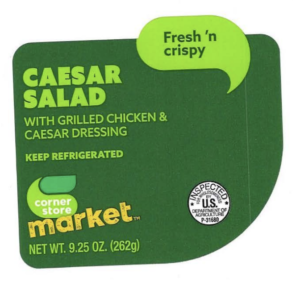
Great American Marketing, Inc., a Houston, Texas establishment, is recalling approximately 3,329 pounds of ready-to-eat meat and poultry wrap and salad products that may be adulterated with Listeria monocytogenes, the U.S. Department of Agriculture’s Food Safety and Inspection Service (FSIS) announced today.
The ready-to-eat wrap and salad meat and poultry products were produced on various dates from March 27, 2019 through April 8, 2019.
In 2017, 6 457 confirmed cases of infections with Shiga toxin/verocytotoxin-producing Escherichia coli (STEC/VTEC) were reported in the EU/EEA.
Posted in E.coli, E.coli O157, E.coli O157:H7, eae, STEC, STX 1, STX 2, Uncategorized, VTEC
RASFF – enteropathogenic Escherichia coli (stx2+; eae+) in frozen parsley from Germany in Germany
RASFF – shigatoxin-producing Escherichia coli (stx+ /25g) in frozen boneless beef from Brazil in Spain
Posted in Uncategorized
The aim of this study was to determine the prevalence and antimicrobial resistance of Campylobacter jejuni isolated from retail chicken meat. The identification of Campylobacter isolates and the presence of virulence factor were evaluated by polymerase chain reaction (PCR). Furthermore, clove oil, cinnamon, and turmeric extracts were evaluated for the antimicrobial potential against Campylobacter isolates. Out of 200 chicken meat samples, 80 (40%) samples were found contaminated with Campylobacter jejuni. Antibacterial susceptibility testing indicated that out of 80 isolates 60 (75%) were resistant to tetracycline followed by 31 (38.75%) to ciprofloxacin, 12 (15%) to ampicillin, 8 (10%) to erythromycin, and 2 (2.5%) were resistant to chloramphenicol. Clove oil and cinnamon extract showed antibacterial potential against Campylobacter isolates. Furthermore, all the 80 isolates (100%) were found positive for virulence genes (cadF, flaA, and dnaJ). The presence of antibacterial resistance and virulence factors in C. jejunihighlighted the risk associated with retail poultry meat.
Campylobacter jejuni is associated with foodborne illnesses such as gastrointestinal intestinal complications. This study demonstrated that raw chicken meat should be subjected to pretreatment to avoid the foodborne illnesses associated with multidrug‐resistant (MDR) Campylobacter jejuni. Moreover, the use of antibiotics should be strictly monitored in developing countries to avoid the emergence of multidrug‐resistant pathogens.