Brand : POSEIDON
Name : READY-TO-COOK SMOKED SALMON CUTTINGS
Reason for reporting : Recall for microbiological risk
Publication date : December 9, 2022


Brand : POSEIDON
Name : READY-TO-COOK SMOKED SALMON CUTTINGS
Reason for reporting : Recall for microbiological risk
Publication date : December 9, 2022
Posted in Uncategorized
Campylobacter spp in meal salad from the Netherlands in Belgium
Campylobacter coli in frozen duck breast fillet from France in Germany
Posted in Campylobacter, campylobacter coli, Campylobacter jejuni, food contamination, food handler, Food Hazard, Food Hygiene, Food Inspections, Food Micro Blog, Food Microbiology, Food Microbiology Blog, Food Microbiology Testing, Food Pathogen, food recall, Food Safety, Food Safety Alert, Food Safety Management, Food Testing, RASFF, Uncategorized

P&O passengers claim they suffered from diarrhea and vomiting and had to self-isolate in unsanitary conditions after being exposed to norovirus on a number of Australian cruises.
A class action filed in federal court on Tuesday seeks compensation and damages from Carnival, trading as P&O Cruises, for outbreaks of the highly contagious gastrointestinal virus on eight separate voyages from December 2016 to February 2017.
Posted in Food Micro Blog, Food Microbiology, Food Microbiology Blog, Food Microbiology Research, Food Microbiology Testing, Food Virus, microbial contamination, Microbial growth, Microbiological Risk Assessment, Microbiology, Microbiology Investigations, Microbiology Risk, Norovirus, Uncategorized, Virus

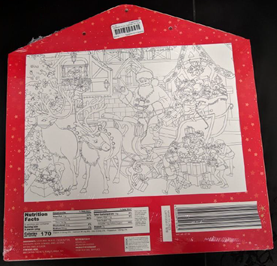
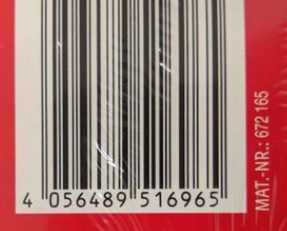
ARLINGTON, VA –Lidl US has announced a voluntary recall for the 8.4 oz Favorina branded Advent Calendar (Premium Chocolate with a Creamy Filling) due to potential Salmonella contamination.
This voluntary recall was issued because some items may be contaminated with Salmonella.
Units affected by this recall:
This issue was found during routine testing, which Lidl performs on an ongoing basis to help ensure safe and quality products for our customers. Lidl US has received no reports or complaints of illness related to this product to date.
Posted in FDA, food contamination, food handler, Food Hazard, Food Hygiene, Food Inspections, Food Micro Blog, Food Microbiology, Food Microbiology Blog, Food Microbiology Testing, Food Pathogen, food recall, Food Safety, Food Safety Alert, Food Safety Management, Food Testing, Salmonella, Salmonella in Chocolate, Uncategorized
| GTIN | Batch | Date |
|---|---|---|
| 3162050039991 | 2215836 | Date of minimum durability 07/05/2025 |
| 3162050039991 | 2220136 | Date of minimum durability 20/06/2025 |
| 3162050039991 | 2221146 | Date of minimum durability 06/29/2025 |
| 3162050039991 | 2224346 | Date of minimum durability 31/07/2025 |
| 3162050039991 | 2229446 | Date of minimum durability 09/21/2025 |
Posted in Bacillus cereus, food contamination, food handler, Food Hazard, Food Hygiene, Food Inspections, Food Micro Blog, Food Microbiology, Food Microbiology Blog, Food Microbiology Testing, Food Pathogen, Food Poisoning, food recall, Food Safety, Food Safety Alert, Food Safety Management, Food Testing, Food Toxin, Uncategorized
Three E. coli outbreaks were reported in England earlier this year with two linked to dairy farms.
The Animal and Plant Health Agency (APHA) helped the UK Health Security Agency (UKHSA) investigate Shiga toxin-producing E. coli (STEC) O103, O145, and O26 outbreaks between July and September.
The E. coli O26 outbreak also involved cryptosporidium and began in the previous quarter. There were 11 cases of cryptosporidium and two people also had confirmed E. coli O26.
Cryptosporidium cases visited an open farm attraction during the incubation period of their illness. STEC cases had links to the same premises.
Health officials visited and advised on actions that would improve hygiene for visitors and reduce potential exposure to the pathogens.
APHA collected fresh faeces samples in the O103 and O145 incidents, from the yard where the cows had been prior to milking. In both cases, the outbreak strain was not detected.
The STEC O103 outbreak with 11 cases was associated with soft, raw cheese from a dairy farm in the East of England. An investigation pointed to brie-like unpasteurized soft cheese being contaminated sometime during spring.
The STEC O145 outbreak with 10 patients was linked to the consumption of milk products from a dairy farm in North West England, with illness onset from mid-July. Investigations identified an issue with pasteurization and problems with the cleaning and storage of milk crates which made external contamination of packaging plausible.
Posted in Cryptosporidiosis, Cryptosporidium, E.coli O103, E.coli O145, E.coli O26, food bourne outbreak, Food Illness, Food Micro Blog, Food Microbiology, Food Microbiology Blog, Food Microbiology Testing, Foodborne Illness, foodborne outbreak, foodbourne outbreak, Illness, microbial contamination, Microbial growth, Microbiological Risk Assessment, Microbiology, Microbiology Investigations, Microbiology Risk, O103, outbreak, Uncategorized
Did you know that when preparing an everyday meal, the simple act of cutting meat and vegetables and then seasoning them without washing your hands first can expose you to dangerous contamination?
In a study published in the Journal of Food Protection, researchers from the State University of New Jersey, in partnership with the State University of North Carolina, in the United States, indicated that, during the preparation of meals, seasoning containers can be contaminated with microorganisms harmful to health.
According to Daniele Maffei, researcher at the Food Research Center and professor at USP’s Luiz de Queiroz School of Agriculture (Esalq), the intention of the study was to evaluate cross-contamination on surfaces and kitchen utensils used during meal preparation. Cross-contamination happens when bacteria or other microorganisms that are on one surface are transferred to another; food, for example. “Foodborne outbreaks of foodborne illness occur everywhere in the world, including Brazil. And many of these outbreaks may involve cross-contamination,” she says.
In the study, the behavior of 371 people was evaluated during the preparation of a meal consisting of a raw ground turkey burger and a ready-to-eat salad. To simulate the movement of a pathogen in a kitchen, the researchers inoculated a bacteriophage known as MS2 into meat. It works as a kind of safe tracker, as it infects bacteria, but it doesn’t cause any problems for human health.
“The researchers used swabs to analyze the surfaces of kitchen utensils, including seasoning bottles, containers that are not always evaluated in cross-contamination studies”, explains Daniele. From then on, the scientists observed that the presence of the marker was detected on all types of surfaces analyzed. “The frequency with which this happened for most surfaces was less than 20%, however, in the case of spice bottles, scientists detected the material in up to 48% of the samples, that is, almost half of them.”
In view of this, the specialist points out that it is essential that we take some precautions to avoid cross-contamination, including the correct cleaning of food, countertops, sinks, kitchen utensils and, mainly, seasoning containers, before and after each use. All this, using the correct products to do this cleaning.
“Good practices in food handling are essential to prevent contamination and the occurrence of outbreaks, both in relation to the proper cooking of these foods and not forgetting to wash our hands frequently, in addition to the constant hygiene of work surfaces”, he concludes.
Posted in Decontamination Microbial, Food Micro Blog, Food Microbiology, Food Microbiology Blog, Food Microbiology Research, Food Microbiology Testing, microbial contamination, Microbial growth, Microbiological Risk Assessment, Microbiology, Microbiology Investigations, Microbiology Risk, Research, Uncategorized
La Rosa Pasteurized Crabmeat is being recalled because the cans may have a defective seal, which could introduce pathogens into the product. This recall is posted on the FDA’s Enforcement Report page, which does not provide any information about possible adverse reactions. The recalling firm is River City Seafood International of Jacksonville, Florida.
Posted in Uncategorized
A recent review of available scientific literature suggests that, when cooked or processed in certain ways, edible insects can be a safe food product. Food safety considerations for the commodity were explored in the review, including microbiological contaminants, anti-nutritive factors, pesticide residues, toxic heavy metals, mycotoxins, and allergens.
The article outlined various food safety aspects of edible insects, stating that the commodity’s microbiological and anti-nutritive characteristics are of greatest concern. In general, research has demonstrated high counts of microorganisms to be present in fresh insects; however, with the appropriate thermal treatment, microbial loads can be eliminated. As with other foods, the efficacy of heat treatment on edible insects depends on factors such as the type, intensity, and duration of treatment, as well as the treated food composition. Solar and oven drying were underlined by the review as potential heat treatment methods.
Posted in Decontamination Microbial, Food Micro Blog, Food Microbiology, Food Microbiology Blog, Food Microbiology Research, Food Microbiology Testing, microbial contamination, Microbial growth, Microbiological Risk Assessment, Microbiology, Microbiology Investigations, Microbiology Risk, Research, Uncategorized


 FoodWorld