Category Archives: STEC E.coli

USA – Another Seattle area E. coli O157 Outbreak

Food Poison Journal

Public Health is investigating an outbreak of three people infected with Shiga toxin-producing E. coli O157:H7 (also known as STEC). Between October 4 – 16, 2022, 3 people from 3 separate households reported becoming ill. Cases have been among people ranging in age from 18 to 36 years old. Symptoms reported include diarrhea and abdominal pain.

The investigation is ongoing, and no source has been identified. Two of the three ill people report eating dishes that were prepared with raw or undercooked beef but we cannot rule out other possible sources at this time.

Confirmed cases have been linked through genetic fingerprinting results (whole genome sequencing) which indicate that they have the same genetic strain, meaning they likely have a common source of infection.

France – DRY GOAT CHEESE – STEC E.coli

Gov france

Identification information of the recalled product

  • Product category Feed
  • Product subcategory Milk and dairy products
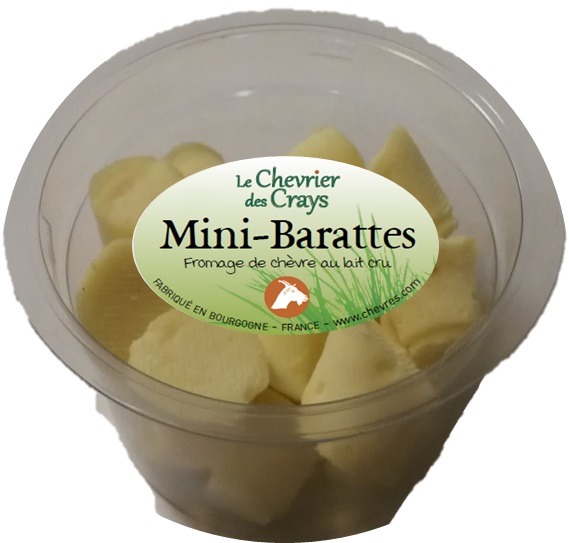
  • Product brand name CHEVRIGNY – CHEVRIER DES CRAYS
  • Model names or references Churns Mini Churns
  • Identification of products
    GTIN Batch Date
    3503965270008 272 Date of minimum durability 14/11/2022
    3503965270008 273 Date of minimum durability 21/11/2022
  • Products ListList_of_dry_products.pdfAttachment
  • Packaging plastic tray or bare product in traditional network
  • Marketing start/end date From 09/12/2022 to 09/20/2022
  • Storage temperature Product to be stored in the refrigerator
  • Health markFR-71-235-001-CE
  • Further information Dry goat cheese
  • Geographic area of ​​sale Whole France
  • Distributors CARREFOUR France GRAND FRAIS France INTERMARCHE Bourgogne Franche Comté METRO Chalon sur Saône METRO Dijon HYPER U, SUPER U Burgundy Rhône Alpes Alsace

Practical information regarding the recall

  • Reason for recall Recall information for health reasons
  • Risks incurred by the consumer Toxigenic Shiga Escherichia coli (STEC)

France – FRESH GOAT CHEESE – STEC E.coli

Gov france

Identification information of the recalled product

  • Product category Feed
  • Product subcategory Milk and dairy products
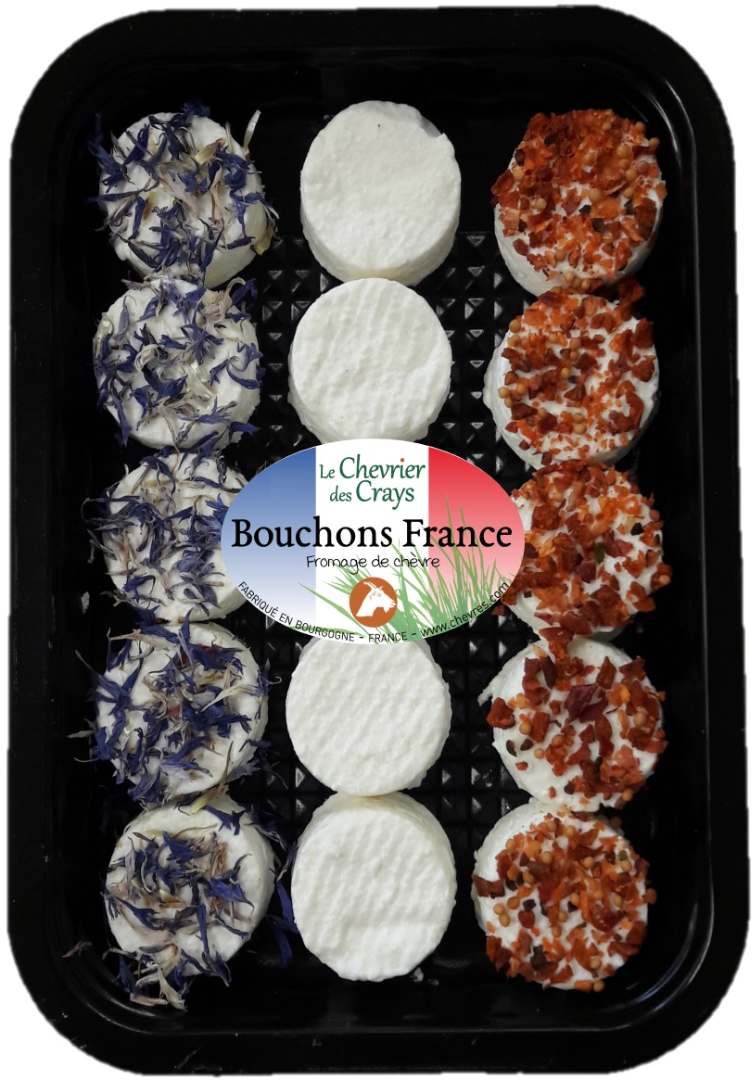
  • Product brand name GOATHERD OF CRAYS
  • Model names or references Cornflower corks Goat cheese cork France
  • Identification of products
    GTIN Batch Date
    3503961124008 256 Date of minimum durability 11/10/2022
    3503961124008 263 Date of minimum durability 10/18/2022
    3503961129003 258 – 259 – 262 – 264 – 269 – 270 – 271 – 272 – 273 Date of minimum durability between 11/10/2022 and 01/11/2022
  • Packaging Plastic tray
  • Marketing start/end date From 09/12/2022 to 09/30/2022
  • Storage temperature Product to be stored in the refrigerator
  • Health mark FR-71-235-001-CE
  • Further information Fresh goat cheese
  • Geographic area of ​​sale Whole France
  • Distributors CARREFOUR France LECLERC Mâcon

Practical information regarding the recall

  • Reason for recall Recall information for health reasons
  • Risks incurred by the consumer Toxigenic Shiga Escherichia coli (STEC)

France – CABRIFRAIS Cheese – STEC E.coli O103

Gov france

Identification information of the recalled product

  • Product category Feed
  • Product subcategory Milk and dairy products
  • Product brand name Crays goatherd
  • Model names or references CABRIFRAIS with raw milk
  • Identification of products
    GTIN Batch Date
    3503961317004 255 Date of minimum durability 11/10/2022
    3503961315062 255 – 258 Date of minimum durability 11/10/2022
    3503965317024 256 Date of minimum durability 11/10/2022
    3503961317028 255 Date of minimum durability 11/10/2022
    3503961314126 255 – 259 Date of minimum durability between 10/11/2022 and 10/18/2022
    3503961321124 255 – 256 Date of minimum durability 11/10/2022
  • Marketing start/end date From 09/12/2022 to 09/20/2022
  • Storage temperature Product to be stored in the refrigerator
  • Health markEN.71235001.CE
  • Geographic area of ​​sale Regions: Auvergne-Rhône-Alpes, , Burgundy-Franche-Comté, , Grand-Est
  • Distributors Auchan, Carrefour, Intermarché, System U, Leclerc, Colruyt

Practical information regarding the recall

  • Reason for recall Presence of Escherichia coli O103:H2
  • Risks incurred by the consumer Toxigenic Shiga Escherichia coli (STEC)

France – FRESH GOAT CHEESE – STEC E.coli

Gov france

Identification information of the recalled product

  • Product category Feed
  • Product subcategory Milk and dairy products
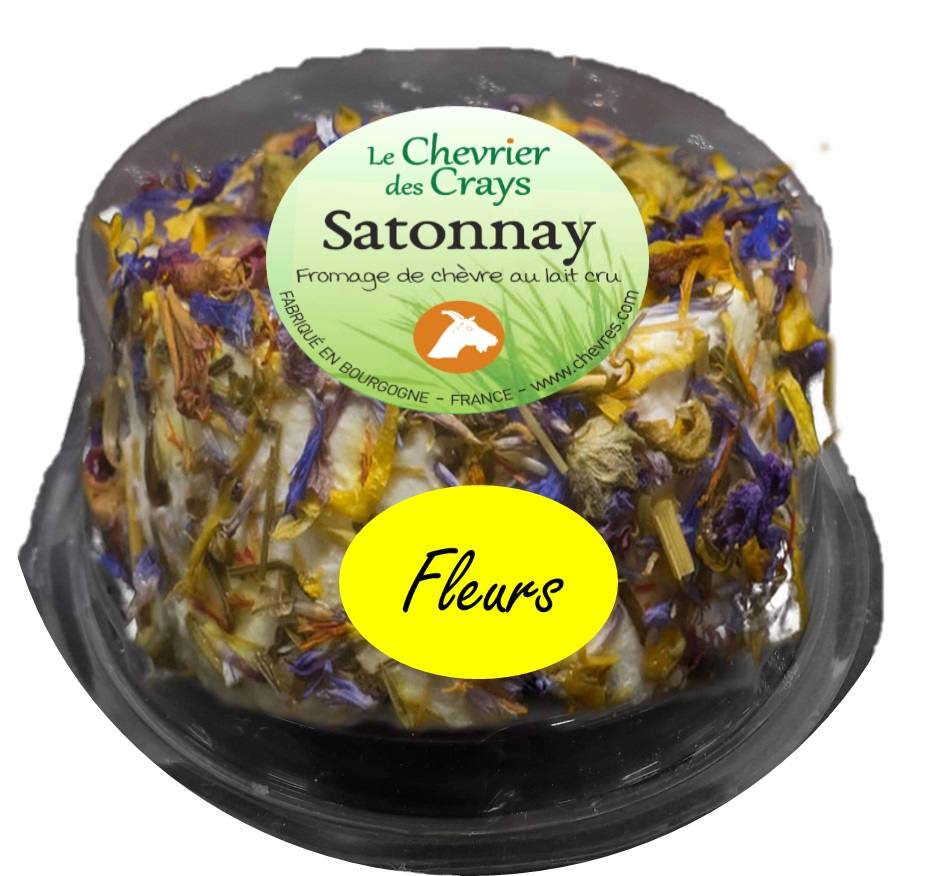
  • Product brand name GOATHERD OF CRAYS
  • Model names or references Satonnay flower petals Satonnay Truffle Tuber Aestivum Vitt. Satonnay shell 140g
  • Identification of products
    GTIN Batch Date
    3503965475007 255 Date of minimum durability 11/10/2022
    3503965472006 255 Date of minimum durability 11/10/2022
    3503965452008 255 Date of minimum durability 11/10/2022
  • Packaging plastic tray or bare product in traditional network
  • Marketing start/end date From 09/12/2022 to 09/20/2022
  • Storage temperature Product to be stored in the refrigerator
  • Health mark FR-71-235-001-CE
  • Further information Fresh goat cheese
  • Geographic area of ​​sale Whole France
  • Distributors AUCHAN GRAND FRESH CROSSROADS

Practical information regarding the recall

  • Reason for recall Recall information for health reasons
  • Risks incurred by the consumer Toxigenic Shiga Escherichia coli (STEC)

Research – Another drop in outbreaks was recorded in Germany for 2021

Food Safety News

The amount of foodborne outbreaks reported in Germany has continued to fall, according to the latest figures.

In 2021, the Robert Koch-Institut (RKI) and Federal Office of Consumer Protection and Food Safety (BVL) received slightly fewer reports of outbreaks with 168 compared to 193 in the previous year.

At least 1,179 cases, 196 hospitalizations, and two deaths were related to them in 2021. As in previous years, the top causes were Campylobacter and Salmonella.

Other agents involved in outbreaks were norovirus, Bacillus cereus, hepatitis A virus, Listeria monocytogenes, Clostridium perfringens, Yersinia enterocolitica, Shiga toxin-producing E. coli (STEC), Clostridium botulinum, Cronobacter sakazakii, histamine, Shigella, and Staphylococcus aureus. In seven outbreaks with 73 cases, the pathogen remained unknown.

Nineteen of the 22 outbreaks with more than five patients were caused by Salmonella.

Austria sees a rise in reports of E. coli in 2021

Food Safety News

Austria recorded an increase in the number of reported E. coli infections in 2021, based on the latest data.

In 2021, 1,437 specimens were processed at the National Reference Centre for E. coli. Overall, 1,286 human samples, 79 food, and 35 pet food samples were analyzed.

A total of 476 human stool samples tested positive for Shiga toxin-producing E. coli (STEC). Of these, 310 isolates were confirmed as Shiga toxin-producing compared to 242 in 2020.

In 2021, only 34 were E. coli O157 with the rest non-O157. Among the latter, there were 25 O26, 26 O103, three O111, and 12 O145 isolates. In the Austrian Epidemiological Notification System (EMS), 384 cases were reported, up from 304 in 2020.

In Upper Austria, 53 cases were reported to the EMS in 2020 compared to 104 in 2021. This same state sent 123 human samples to the National Reference Centre in 2020 versus 566 in 2021.

RASFF Alert – STEC E.coli -Raw Milk Cheese

RASFF

STEC in raw milk cheese from the Netherlands in Germany

USA – E. coli O157 Outbreak Linked to Ground Beef is over.

CDC

October 28, 2022

CDC, public health and regulatory officials in several states, and the U.S. Department of Agriculture’s Food Safety and Inspection Service (USDA-FSIS) investigated a multistate outbreak of E. coli O157:H7 infections.

Epidemiologic and traceback data showed that ground beef sold in some HelloFresh meal kits made people sick.

As of October 28, 2022, this outbreak is over.

Epidemiologic and Traceback Data

A total of seven people infected with the outbreak strain of E. coli O157:H7 were reported from six states (see map). Illnesses started on dates ranging from June 8, 2022, to August 17, 2022 (see timeline).

Sick people ranged in age from 17 to 69 years, with a median age of 25, and 43% were female. Six people were hospitalized and none developed hemolytic uremic syndrome, a serious condition that can cause kidney failure. No deaths were reported.

The true number of sick people in this outbreak is likely much higher than the number reported, and this outbreak may not have been limited to the states with known illnesses. This is because many people recover without medical care and are not tested for E. coli.

State and local public health officials interviewed people about the foods they ate in the week before they got sick. Of the six people interviewed, all six (100%) reported eating ground beef from HelloFresh meal kits.

Traceback conducted by USDA-FSIS identified that multiple sick people received ground beef in HelloFresh meal kits that was produced at establishment M46841.

Laboratory Data

Public health investigators used the PulseNet system to identify illnesses that were part of this outbreak. CDC PulseNet manages a national database of DNA fingerprints of bacteria that cause foodborne illnesses. DNA fingerprinting is performed on bacteria using a method called whole genome sequencing (WGS).

WGS showed that bacteria from sick people’s samples were closely related genetically. This suggests that people in this outbreak got sick from the same food.

WGS analysis of bacteria from seven people’s samples did not predict resistance to any antibiotics. Standard antimicrobial resistance testing by CDC’s National Antimicrobial Resistance Monitoring System (NARMS) laboratory is currently underway. These findings do not affect treatment guidance since antibiotics are not recommended for patients with E. coli O157:H7 infections.

Public Health Actions

CDC is advising people to check their freezer if they froze any of the ground beef in HelloFresh meal kits shipped from July 2 to July 21, 2022. Do not eat the ground beef if it has “EST.46841” inside the USDA inspection mark and “EST#46841 L1 22 155” or “EST#46841 L5 22 155” on the side of the packaging.

Research – The Ability of Shiga Toxin-Producing Escherichia coli to Grow in Raw Cow’s Milk Stored at Low Temperatures

MDPI

Despite the lack of scientific evidence, some consumers assert that raw milk is a natural food with nutritional and immunological properties superior to pasteurized milk. This has led to the increased popularity of unpasteurized cow milk (UPM) and disregard for the risks of being exposed to zoonotic infections. Dairy cattle are healthy carriers of Shiga toxin (Stx)-producing E. coli (STEC), and contaminated UPM has caused STEC outbreaks worldwide. The association between STEC, carrying the eae (E. coli attachment effacement) gene, and severe diseases is well-established. We have previously isolated four eae positive STEC isolates from two neighboring dairy farms in the Southeast of Norway. A whole genome analysis revealed that isolates from different farms exhibited nearly identical genetic profiles. To explore the risks associated with drinking UPM, we examined the ability of the isolates to produce Stx and their growth in UPM at different temperatures. All the isolates produced Stx and one of the isolates was able to propagate in UPM at 8 °C (p < 0.02). Altogether, these results highlight the risk for STEC infections associated with the consumption of UPM.