Category Archives: Research

Research – Applying pressure to control Listeria

Meat poultry

The Centers for Disease Control and Prevention, Atlanta, is currently investigating a multistate outbreak of listeriosis that has resulted in one death and 10 people hospitalized. Listeriosis is a foodborne disease caused by Listeria monocytogenes, a pathogenic microorganism that is omnipresent in the environment. It is a facultative anaerobic bacterium capable of surviving in the presence or absence of oxygen. It can grow and reproduce inside the host’s cells and is one of the most virulent foodborne pathogens, with 20% to 30% of foodborne listeriosis infections in high-risk individuals being fatal.

Ready-to-eat (RTE) meats such as deli-style chicken, ham, pastrami, prosciutto, roast beef, salami and turkey are particularly vulnerable, as Listeria can live and thrive on plastic, metal and in water, too. While heat will kill this dangerous pathogen, RTE meats seldom undergo a sufficient heat treatment by consumers to destroy the bacteria.

There are a range of ingredients that may be included to assist with food safety; however, in efforts to keep labels as clean as possible, a growing number of meat processors are turning to high-pressure processing (HPP). This is a non-thermal treatment that renders packaged RTE meats free from pathogenic microorganisms. Companies such as Hormel Foods Corp., Austin, Minn., and its subsidiary, Applegate Farms, Bridgewater, NJ, use HPP on many RTE refrigerated meat and poultry products.

Research – Aspergillus-Derived Mycotoxins in the Feed and Food Chain

Frontiers in Microbiology

kswfoodworld

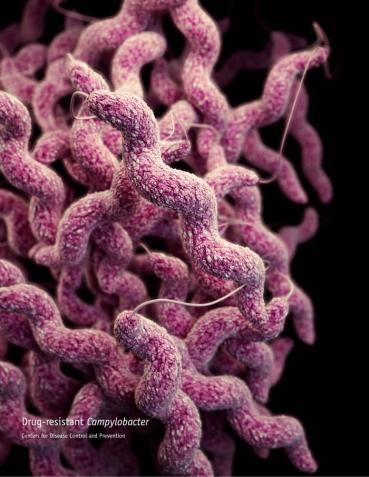
Image CDC

Aspergillus-produced mycotoxins can enter the feed and food chain at many points in both pre-harvest and post-harvest. Although current climate changes seem to speed up the world-wide spread of mycotoxigenic fungi including the Aspergilli and also facilitate the production of these harmful secondary metabolites the factors governing these disadvantageous global processes are only partly understood or even have remained completely hidden until now. This Research Topic summarizes our knowledge on Aspergillus-derived mycotoxins especially focusing on three major areas of on-going research: (i) toxicological, medical, veterinary aspects, prevalence, detection, risk assessment, control strategies, (ii) ecology and biological control of mycotoxigenic Aspergilli in the fields, and (iii) pre-harvest and post-harvest management of mycotoxigenic Aspergilli and their mycotoxin production. We hope that the wealth of information generously provided by the Aspergillus mycotoxin research community will help the hard work of all those experts, who are active in this important field, and the papers collected here will be instructive and illuminating readings for students and the public as well.

Research – Reducing Campylobacter jejuni, Enterobacteriaceae, Escherichia coli, and total aerobic bacteria on broiler carcasses using combined ultrasound and steam

Journal of Food Protection

Campylobacter kswfoodworld

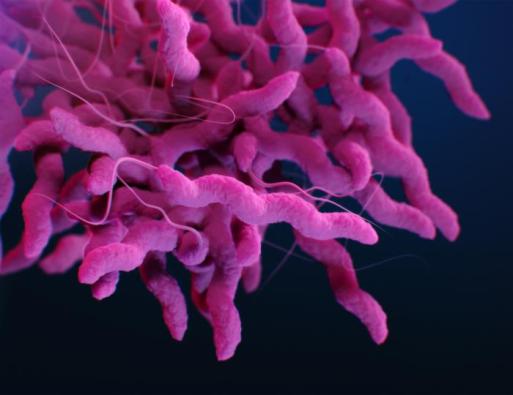
Campylobacteriosis is the most frequently reported foodborne illness in Europe and many other parts of the world. Campylobacter can colonize the intestines of broilers, most often in large amounts. Broilers are usually slaughtered in a high-speed automated system that can rupture the intestines during evisceration, resulting in contamination of carcasses with intestinal bacteria such as Campylobacter. This study evaluated the combined effect of ultrasound and steam (SonoSteam®) on naturally contaminated chicken carcasses at a large-scale abattoir in Sweden. Ultrasound at 30-40 kHz and steam at 84-85 °C or 87-88 °C was used at slaughter with a line speed of 18 000 birds per hour. The amount of Campylobacter spp., Enterobacteriaceae , Escherichia coli , and total aerobic bacteria on neck skins from 103 chicken carcasses, sampled before and after treatment by SonoSteam, was analyzed.Campylobacter spp. was detected in 58 (56%) of the 103 neck skins, from birds belonging to four of the seven flocks represented. All 58 isolates were identified as Campylobacter jejuni . After the SonoSteam treatment, a mean reduction in C. jejuni, Enterobacteriaceae, E. coli and total aerobic bacteria were log 0.5 ± 0.8, log 0.6 ± 0.6, log 0.5 ± 0.6, log 0.4 ± 0.7 CFU/g respectively. No significant differences in reduction between the two different treatment temperatures was observed for any of the bacteria.Although the bacterial reductions were significant, large amounts of bacteria remained on the carcasses after treatment. Further studies are needed to identify optimal measures at slaughter to reduce food spoilage bacteria and pathogenic bacteria, which should be considered in a One Health perspective.

Research – Quantification of survival and transfer of Salmonella on fresh cucumbers during waxing

Journal of Food Protection

Cucumbers found in retail markets are often waxed to improve visual appeal and retard moisture loss. This waxing may affect bacterial survival and the waxing process may facilitate cross-contamination between cucumbers. This study assessed survival of Salmonella on waxed and un-waxed cucumbers and the potential for Salmonella cross-contamination during the waxing process. Fresh waxed or un-waxed cucumbers were spot-inoculated with a Salmonella enterica cocktail. Three different wax coatings (mineral oil, vegetable oil, or petroleum wax) were manually applied to un-waxed cucumbers using polyethylene brushes. Salmonella transfer from inoculated cucumbers to brush or to un-inoculated cucumbers was quantified. Higher Salmonella concentrations were observed on waxed cucumbers during the first 3 days of storage but the final concentration on un-waxed cucumbers was higher than on waxed cucumbers at the end of storage, regardless of storage temperature. Wax formulation did affect survival of Salmonella inoculated directly into waxes, with the significant decline in Salmonella populations observed in vegetable-based wax coating, but with populations unchanged over 7 days at 7 or 21 °C in mineral oil-based and petroleum-based waxes. Salmonella cells could transfer from inoculated un-waxed cucumbers to brushes used for waxing and then to un-inoculated cucumbers during waxing. Significantly higher log percent transfer to brushes was observed when cucumbers were waxed with vegetable oil (0.71 log percent, P = 0.00441) vs. mineral oil (0.06 log percent) or petroleum (0.05 log percent). Transfer to un-inoculated cucumbers via brushes was also quantified (0.18 to 0.35 log percent transfer). Salmonella remaining on contaminated cucumbers after waxing could be detected for up to 7 days, and Salmonella survived better on cucumbers treated with a petroleum-based wax. These findings should be useful in managing risk of Salmonella contamination in cucumbers during post-harvest handling.

Research – Characterization and Source Investigation of Multidrug-Resistant Salmonella Anatum from a Sustained Outbreak, Taiwan

CDC

kswfoodworld salmonella

Abstract

An ongoing outbreak of multidrug-resistant Salmonella enterica serovar Anatum began in Taiwan in 2015. Pork and poultry were identified as vehicles for transmission. Contaminated meat contributed to the high rate of infections among children. Nearly identical Salmonella Anatum strains have been identified in the United Kingdom, the United States, and the Philippines.

Nontyphoidal Salmonella (NTS) is a major cause for foodborne diseases worldwide. In Taiwan, the ambient climate and flourishing pig-raising industry makes NTS infections rampant. As in other countries, salmonellosis was primarily caused by Salmonella enterica serovars Enteritidis and Typhimurium in Taiwan (1), but rare serovars such as Salmonella Goldcoast have appeared in recent years (2). Recommended antimicrobial treatment options for salmonellosis include fluoroquinolones and extended-spectrum cephalosporins (1). However, resistance to these antibiotics has been emerging in many countries, leading to increased disease prevalence, disease severity, and death and the requirement of last-line antimicrobial drugs (e.g., carbapenems) (35).

Since 2015, northern Taiwan has seen an increase in Salmonella infections, caused by previously rare Salmonella Anatum. The infections were also reported in central Taiwan, indicating that this outbreak had already prevailed throughout the entire island (6). Co-resistance to ceftriaxone and ciprofloxacin are the main feature of the outbreak clone. Evidence from epidemiologic, laboratory, and supply-chain investigations identified raw pork and poultry as the vehicle for spread of this strain. More important, genomic comparisons against the global public database indicated that this clone has appeared in Europe, Asia, and America. Given the increasing globalization of foodstuffs, these findings prompt an urgent global sharing of whole-genome sequencing (WGS) data to facilitate disease surveillance and early recognition of international foodborne outbreaks (7,8).

Research – Quantification of cross-contamination of Campylobacter jejuni during food preparation in a model kitchen in China

Journal of Food Protection

campy2

Image CDC

Numerous outbreak investigations and case-control studies of campylobacteriosis have provided evidence that handling Campylobacter -contaminated chicken products is a high risk factor for infection and illness. In this study, the cross-contamination and transfer rates of Campylobacter jejuni from chicken to ready-to-eat foods were determined in various food-handling scenarios. Skinless raw chicken breasts were artificially contaminated with Campylobacter jejuni and diced on three kinds of texture cutting boards. Whether cold water or cold water with detergent or hot water was used, statistically significant differences were found between the transfer rate of Campylobacter jejuni to unwashed and washed cutting boards or hands, respectively. When both kitchen knife and cutting board were reused after dicing the artificially contaminated chicken, the transfer rates of Campylobacter jejuni to cucumber cut on bamboo, wooden and plastic cutting board were 16.28%, 12.82% and 5.32%, respectively. The transfer rates from chicken to bread, a large lift-up water faucet handle and a small twist faucet handle via unwashed hands were 0.49%, 4.64% and 3.14%, respectively. This research provides scientific evidence that various types of contaminated kitchen-ware and cook’s hand are vital potential vehicles for the cross-contamination of Campylobacter from raw chicken to ready-to-eat food, and emphasizes the importance of timely and properly cleaning to prevent cross-contamination during food handling, therefore a high quality consumer education to reduce the risk of foodborne infection is urgent and necessary.

Research – ComBase models are valid for predicting fate of Listeria monocytogenes on ten whole intact raw fruits and vegetables

Journal of Food Protection

L. monocytogenes was associated with more than 60 produce recalls between 2017 and 2020 including tomato, cherry, broccoli, lemon, and lime recalls. This study describes the effects of temperature, time and food substrate as factors influencing L. monocytogenes behavior on whole intact raw fruits and vegetables. A cocktail of five L. monocytogenes strains previously associated with foodborne outbreaks were used. Ten intact whole fruit and vegetable commodities were chosen based on data gaps identified in a systematic literature review. Produce investigated belong to major commodity families: Ericaceae (blackberry, raspberry, and blueberry), Rutaceae (lemon and mandarin orange), Roseaceae (sweet cherry), Solanaceae (tomato), Brassaceae (cauliflower and broccoli) and Apiaceae (carrot). Intact inoculated whole fruit and vegetable commodities were incubated at 2, 12, 22, 30 and 35 °C with relative humidities matched to typical real-world conditions. Foods were sampled (n=6) for up to 28 days, depending on temperature. Growth and decline rates were estimated using the DMFit for Excel. Growth rates were compared with ComBase modeling predictions for L. monocytogenes. Almost every experiment showed initial growth, followed by subsequent decline. L. monocytogenes was able to grow on whole intact surface of all produce tested, except for carrot. The 10 produce commodities supported growth of L. monocytogenes at 22 and 35°C. Growth and survival at 2 and 12°C varied by produce commodity. The standard deviation of the square root growth and decline rates showed significantly larger variability in both growth and decline rates within replicates as temperature increased. When L. monocytogenes growth occurred, it was conservatively modeled by ComBase Predictor, and growth was generally followed by decreases in concentration. This research will assist in understanding the risks of foodborne disease outbreaks and recalls associated with L. monocytogenes on fresh whole produce.

Norway – Microbiological control of pasteurised and unpasteurised dairy products, 2018

Mattilsynet

The microbiological quality was generally good for the 189 dairy products on the Norwegian market that the Norwegian Food Safety Authority examined in 2018. Nevertheless, we see that there are microbiological challenges in connection with unpasteurised dairy products.

What did we investigate? 189 samples of unpasteurised and pasteurised cheeses and other dairy products produced in Norway and in the EU.
Period: 2018
What were we looking for?

The four categories have been analysed for various disease-causing bacteria (pathogens). These choices are made in order to get the most information for each category.

The different categories are:

PN = pasteurised milk product produced in Norway.

P EU = pasteurised milk product produced outside Norway.

UN = unpasteurised milk product produced in Norway.

U EU = unpasteurised milk product produced outside Norway.
 

The various disease-causing infectious agents we analysed for:

Listeria monocytogenes (pathogen): PN, P EU, UN, U EU, number 189 pcs.

Shigatoxin-producing Escherichia coli (STEC) (pathogen): UN, U EU, number 96 pcs.

E. coli (hygiene parameter): PN, UN, U EU, 169 st.

S. aureus (hygiene parameter): UN, number 71 st.

Toxins (enterotoxin) from S. aureus (pathogen): UN, U EU, number 96 pcs.

Salmonella (pathogen): U EU, number 25 st.

What did we find?

Listeria monocytogenes : No detection in 189 samples of dairy product.

Shigatoxin-producing Escherichia coli (STEC):
One finding in French red cow cheese of cow’s milk ( E. coli O-, stx2 and eae ). A total of 25 unpasteurised milk products produced outside Norway were examined. No findings in 71 unpasteurised milk products from Norway.

Escherichia coli (hygiene parameter):
In 73 pasteurised milk products from Norway, there was a detection and this was above the lower limit value (100 cfu / g) but below the upper limit value (1,000 cfu / g). No E. coli was detected above the detection limit of 10 colony forming units / g sample (cfu / g) in the other samples.

In 61 of the 71 unpasteurised milk products produced in Norway, E. coli was not detected above the detection limit of 10 colony-forming units / g sample (cfu / g). 3 st. (4.2%) was above 100 cfu / g.

In unpasteurised dairy products from the EU (25), 5 (20%) of the products had more than 100 cfu/ g E. coli. There is no microbiological criterion for E. coli in the regulations for unpasteurised cheeses.

Staphylococcus aureus:
Of 71 samples, none exceeded the regulatory limit of 10,000 cfu/ g.

Of the 96 unpasteurised dairy products examined, the enterotoxins AE Toxins (enterotoxins), which some S. aureus can produce , were not detected .

Salmonella was not detected in the 25 samples of unpasteurised milk products produced outside Norway.

Report Link

Research – New Zealand – 75% Of Pregnant Women Aren’t Aware Of Dangerous Foods

Babygaga

Many moms-to-be don’t know all the foods that could potentially be fatal for their unborn child.

Some foods are dangerous during pregnancy and new research from New Zealand has found that 75% of pregnant women aren’t even aware of what they are. This shocking study found that many moms-to-be don’t know all the foods that could potentially be fatal for their unborn child.

Research – Anti‐adhesive effects of sialic acid and Lactobacillus plantarum on Staphylococcus aureus in vitro

Journal of Food Safety

Staphylococcus aureus (S. aureus) is a common food‐borne pathogen that causes severe diseases after adhesion to epithelial cells. Lactobacillus inhibits pathogenic bacterial adhesion and infection. In addition, sialic acid (SA) is widely known for its beneficial biological functions. A new way of reducing the occurrence of diseases and curbing the overuse of antibiotics is ingesting prebiotics and probiotics that regulate the intestinal flora. In this study, we first evaluated the anti‐adhesive effects of several strains of Lactobacillus on S. aureus. The study revealed that the S. aureus adhesion was inhibited by all the strains of Lactobacillus. Besides, the rate of inhibition by L. plantarum Z‐4 was significantly higher than other Lactobacillus species. We then investigated the effects of different SA concentrations (40, 100, 150, 200, and 260 μg/ml) on the growth and adhesion characteristics of L. plantarum and S. aureus. The results showed that SA influences bacterial adhesion by regulating the bacteria’s growth characteristics. Finally, the effects of SA combined with Lactobacillus on the adhesion of S. aureus were assessed by competition, exclusion and displacement methods. SA with a concentration of 260 μg/mL combined with L. plantarum had the highest inhibition effect on the competition assays. In addition, the expression of S. aureus adhesion‐related genes was reduced. This provides a new perspective on the application of SA and/or L. plantarum and its potential to resist adhesion of S. aureus.