Fast Facts
- FDA is alerting pet owners and veterinary professionals about certain Sportmix pet food products (see list below) manufactured by Midwestern Pet Foods, Inc. that may contain potentially fatal levels of aflatoxin.
- FDA is aware of at least 28 deaths and 8 illnesses in dogs that ate the recalled product.
- This is an ongoing investigation. Case counts and the scope of this recall may expand as new information becomes available.
- Aflatoxin is a toxin produced by the mold Aspergillus flavus, which can grow on corn and other grains used as ingredients in pet food. At high levels, aflatoxin can cause illness and death in pets.
- Pets experiencing aflatoxin poisoning may have symptoms such as sluggishness, loss of appetite, vomiting, jaundice (yellowish tint to the eyes or gums due to liver damage), and/or diarrhea. In severe cases, this toxicity can be fatal. In some cases, pets may suffer liver damage but not show any symptoms.
- Pet owners should stop feeding their pets the recalled products listed below and consult their veterinarian, especially if the pet is showing signs of illness. The pet owner should remove the food and make sure no other animals have access to the recalled product.
- FDA is asking veterinarians who suspect aflatoxin poisoning in their patients to report the cases through the Safety Reporting Portal or by calling their local FDA Consumer Complaint Coordinators. Pet owners can also report suspected cases to the FDA.
What is the Problem?
On December 30, 2020, Midwestern Pet Food, Inc. announced a recall of certain lots of Sportmix pet food products after FDA was alerted about reports of at least 28 dogs that have died and eight that have fallen ill after consuming the recalled Sportmix pet food. Multiple product samples were tested by the Missouri Department of Agriculture and found to contain very high levels of aflatoxin. Aflatoxin is a toxin produced by the mold Aspergillus flavus and at high levels it can cause illness and death in pets. The toxin can be present even if there is no visible mold.
FDA is issuing this advisory to notify the public about the potentially fatal levels of aflatoxin in pet food products that may still be on store shelves, online, or in pet owners’ homes.
FDA is conducting follow-up activities at the manufacturing facility.
This is a developing situation and the FDA will update this page with additional information as it becomes available.
What are the Symptoms of Aflatoxin Poisoning in Pets?
Pets are highly susceptible to aflatoxin poisoning because, unlike people, who eat a varied diet, pets generally eat the same food continuously over extended periods of time. If a pet’s food contains aflatoxin, the toxin could accumulate in the pet’s system as they continue to eat the same food.
Pets with aflatoxin poisoning may experience symptoms such as sluggishness, loss of appetite, vomiting, jaundice (yellowish tint to the eyes, gums or skin due to liver damage), and/or diarrhea. In some cases, this toxicity can cause long-term liver issues and/or death. Some pets suffer liver damage without showing any symptoms. Pet owners whose pets have been eating the recalled products should contact their veterinarians, especially if they are showing signs of illness.
There is no evidence to suggest that pet owners who handle products containing aflatoxin are at risk of aflatoxin poisoning. However, pet owners should always wash their hands after handling pet food.
What Products are Involved?
On December 30, 2020, Midwest Pet Food, Inc. announced a recall of nine total lots of Sportmix pet food products. FDA and the Missouri Department of Agriculture are working with the firm to determine whether any additional products may have been made with the same ingredients containing potentially fatal levels of aflatoxin. As new information becomes available, this product list may continue to expand.
The list of recalled dry pet food products announced by Midwestern Pet Food, Inc. on December 30, 2020 is:
- Sportmix Energy Plus, 50 lb. bag
- Exp 03/02/22/05/L2
- Exp 03/02/22/05/L3
- Exp 03/03/22/05/L2
- Sportmix Energy Plus, 44 lb. bag
- Exp 03/02/22/05/L3
- Sportmix Premium High Energy, 50 lb. bag
- Exp 03/03/22/05/L3
- Sportmix Premium High Energy, 44 lb. bag
- Exp 03/03/22/05/L3
- Sportmix Original Cat, 31 lb. bag
- Exp 03/03/22/05/L3
- Sportmix Original Cat, 15 lb. bag
- Exp 03/03/22/05/L2
- Exp 03/03/22/05/L3
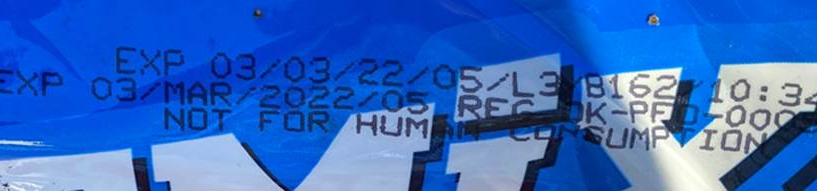
Lot code information may be found on the back of bag and will appear in a three-line code, with the top line in format “EXP 03/03/22/05/L#/B###/HH:MM”
The affected products were distributed to online retailers and stores nationwide within the United States.
What Do Retailers Need to Do?
Don’t sell or donate the affected pet food products. Contact the manufacturer for further instructions. The FDA also encourages retailers to contact consumers who have purchased recalled products, if they have the means to do so (such as through shopper’s card records or point-of-sale signs).
What Do Pet Owners Need to Do?
If your pet has symptoms of aflatoxin poisoning, contact a veterinarian immediately. Even pets without symptoms may have suffered liver damage, so you may want to contact your veterinarian if your dog has eaten any of the recalled products. Provide a full diet history to your veterinarian. You may find it helpful to take a picture of the pet food label, including the lot number.
Don’t feed the recalled products to your pets or any other animal. Contact the company listed on the package for further instructions or throw the products away in a way that children, pets and wildlife cannot access them. Sanitize pet food bowls, scoops, and storage containers using bleach, rinsing well afterwards with water, and drying thoroughly.
There is no evidence to suggest that pet owners who handle products containing aflatoxin are at risk of aflatoxin poisoning. However, pet owners should always wash their hands after handling any pet food.
You can report suspected illness to the FDA electronically through the Safety Reporting Portal or by calling your state’s FDA Consumer Complaint Coordinators. It’s most helpful if you can work with your veterinarian to submit your pet’s medical records as part of your report. For an explanation of the information and level of detail that would be helpful to include in a complaint to the FDA, please see How to Report a Pet Food Complaint.
What Do Veterinarians Need to Do?
The FDA urges veterinarians treating aflatoxin poisoning to ask their clients for a diet history. We also welcome case reports, especially those confirmed through diagnostic testing. You can submit these reports electronically through the FDA Safety Reporting Portal or by calling your state’s FDA Consumer Complaint Coordinators. For an explanation of the information and level of detail that would be helpful to include in a complaint to the FDA, please see How to Report a Pet Food Complaint.
The information in this release reflects the FDA’s best efforts to communicate what it has learned from the manufacturer and parties involved in the investigation. The agency will update this page as more information becomes available.