Category Archives: Microbiological Risk Assessment

Research – Impregnation of the French population by mycotoxins. National Biomonitoring Program, Esteban 2014-2016

Sante Publique

Mycotoxins are substances secreted by certain toxigenic strains of several species of molds (microscopic fungi) such as Aspergillus, Penicillium, Fusarium, Byssochlamys, Alternaria etc. which in particular contaminate cereals and plants before and or after harvest. 

The toxicity of mycotoxins depends on the species and the nature of the toxin. They are generally thermostable, resistant to transformation processes and can be found in many foodstuffs and be responsible for acute or chronic poisoning in humans or animals. 

Of the 300 to 400 known mycotoxins, about ten of them can cause animal or human pathologies: aflatoxins (AF), ochratoxin A (OTA), fumonisins deoxynivalenol (DON), T-2 and HT-2 toxins, trichotecenes (TC), zearalenone (ZEN) and patulins which contaminate fruits, especially apples. In 1993, the IARC (International Agency for Research on Cancer) classified aflatoxins in group 1, carcinogenic to humans; AFB1, considered one of the most potent natural genotoxic carcinogens, is classified in group 1 (IARC, 2002). 

The target organ is the liver. As for OTA, it is considered possibly carcinogenic for humans and classified in group 2B (1993); in humans as in animals, the kidney is the main target organ. OTA would also have immunotoxic and neurotoxic effects. Due to their harmful effects, exposure to mycotoxins must remain as low as possible to protect the population. L’ WHO encourages the monitoring of mycotoxin levels in food because they represent a risk for human and animal health. 

In France, data on the impregnation of the French population by mycotoxins are almost non-existent, with the exception of a study carried out in three French regions [1, 2]. The Esteban cross-sectional study (Health study on the environment, biomonitoring, physical activity and nutrition) made it possible to measure the levels of impregnation by aflatoxins and OTA of the population in mainland France aged 6 at 74 years old between April 2014 and March 2016.

The purpose of this note is to present the results of impregnation by AFs and OTA, and to analyze the determinants of exposure to OTA in adults . Aflatoxins B1, B2, G1, G2, M1 were not quantified, neither in children nor in adults. For OTA, the percentage of quantification was equal to 45.5% in children and 47.8% in adults. The geometric means of the levels of impregnation by the OTA were lower than the LOQ or not provided considering the important rate of censorship. 

The search for the determinants of exposure by OTA, essentially dietary, in adults showed an increase in impregnation with the consumption of processed meats. Not all associations could likely be identified due to small sample size. A future biomonitoring study could make it possible to deepen the search for determinants of the impregnations observed and to broaden the knowledge of the

Author: Oleko Amivi, Hoang Phan, Fillol Clémence, Gane Jessica, Saoudi Abdessattar, Zeghnoun Abdelkrim
Year of publication: 2022
Pages: 35 p.
Collection: Studies and Surveys

Canada – Shigella outbreak in Edmonton Zone

Alberta Health Services

Shigella - kswfoodworld

Image CDC

EDMONTON – Alberta Health Services (AHS) is notifying the public about an ongoing investigation into a Shigella outbreak in the Edmonton Zone.

In August of this year, AHS identified a cluster of Shigella cases among the inner city population of Edmonton.

To date, we have identified 87 people with Shigella, 64 of those people required hospitalizations. The first person became ill on August 17, 2022. No deaths have been reported connected to this outbreak.

Shigella is a disease that’s commonly associated with diarrhea, as well as fever, nausea and stomach cramps. It can cause severe illness, resulting in hospitalization and it spreads when someone comes into contact with fecal matter from an infected person and also by eating food contaminated with the bacteria.

AHS has reached out to physicians and inner city shelters and partners to advise them of the situation and has provided advice for helping reduce the spread of illness while also ensuring that anyone who requires medical attention receives the care they need.

A task force led by AHS with representation from the City of Edmonton, Alberta Health, Alberta Community and Social Services, Edmonton area shelters and other partner organizations has been created with the goal of sharing resources and support to help stop the spread of this bacteria.

The majority of the cases to date are within the city’s inner city population, so the risk to the general public remains low. However, we would like to remind people that proper hand hygiene helps to prevent the spread of many illnesses, including Shigella.

Anyone experiencing symptoms that might be related to Shigella or anyone with questions or concerns about their health is encouraged to speak with their healthcare provider or call Health Link at 811.

Alberta Health Services is the provincial health authority responsible for planning and delivering health supports and services for more than four million adults and children living in Alberta. Its mission is to provide a patient-focused, quality health system that is accessible and sustainable for all Albertans.

RASFF Alerts – Animal Feed – Mold/Mould – Sunflower Meal – Complementary Feed for Horses

RASFF

Mould in complementary feed to horses in Sweden

RASFF

Mold – post-extraction sunflower meal from Ukraine in Poland

RASFF Alerts – Animal Feed – Enterobacteriaceae – Dog Chews

RASFF

High count of Enterobacteriaceae in dog chews from China in Sweden

RASFF

Too high count of Enterobacteriaceae in dog chews from Turkey in Germany

RASFF

Enterobacteriaceae in dog chews from Turkey in Germany

RASFF Alerts – Animal Feed – Salmonella – soy Cake – Soya Bean Meal – Poultry Meal – Lamb Meal

RASFF

Salmonella in organic soy cake in Denmark and Sweden

RASFF

Salmonella Orion in Soya bean meal, gmo from Germany in Switzerland and Finland

RASFF

Salmonella in poultry meal from Germany in Belgium

RASFF

Salmonella in lamb meal from Italy in the Czech Republic

USA – Outbreak Investigation of Salmonella: Seafood (October 2022)

FDA

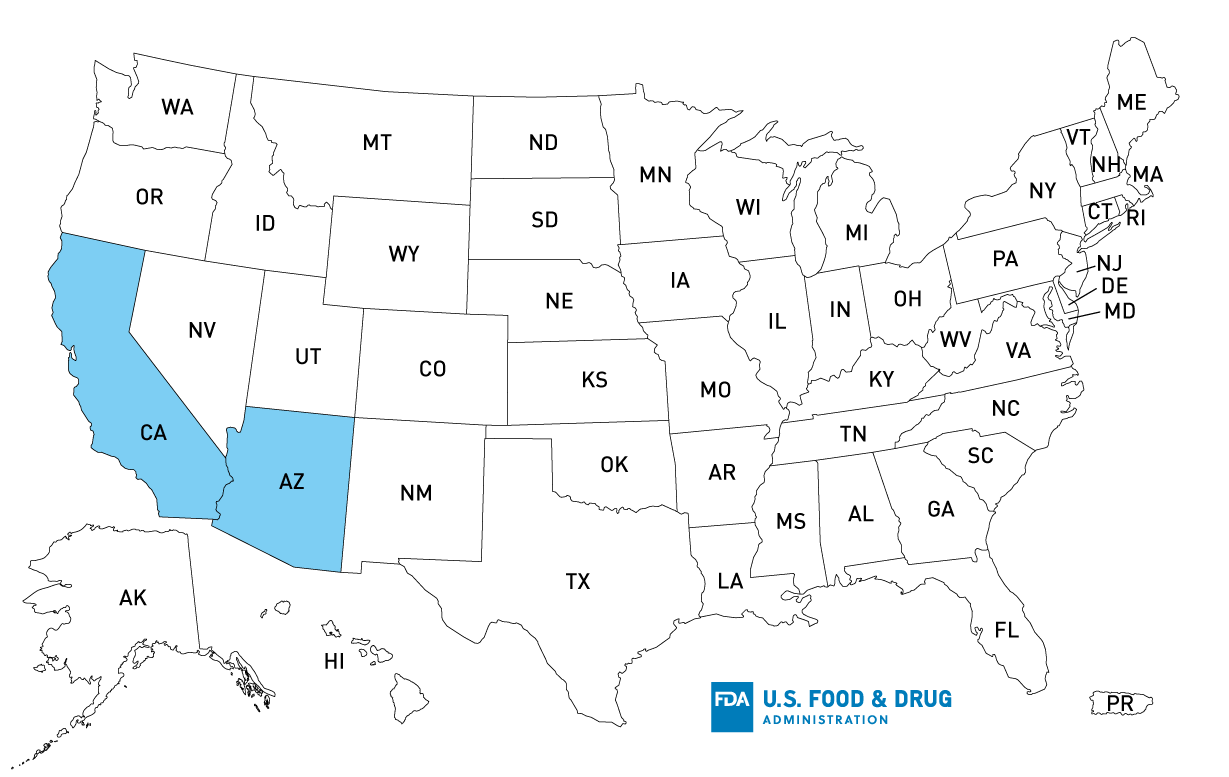
The FDA, along with CDC and state and local partners, is investigating a multistate outbreak of Salmonella Litchfield infections linked to fresh, raw salmon supplied to restaurants in California and Arizona by Mariscos Bahia, Inc.

Based on epidemiologic information provided by CDC and interviews conducted by state and local public health officials, of 16 people interviewed, 12 reported eating sushi, sashimi, or poke. Of those interviewed, 11 people remembered details about the type of fish consumed and 9 report eating raw salmon before getting sick. The FDA’s investigation traced the distribution of fresh, raw salmon back to Mariscos Bahia, Inc.

In addition, the FDA collected an environmental sample that included multiple swabs at Mariscos Bahia, Inc. (Pico Rivera, CA). Multiple environmental swabs collected at the facility are positive for Salmonella and subsequent  Whole Genome Sequencing (WGS) analysis is ongoing. The WGS completed to date indicates the Salmonella detected in at least one of the swabs from the facility matches the outbreak strain. While epidemiological evidence indicates that ill people consumed fresh, raw salmon processed at this firm, the presence of Salmonella in the processing environment indicates that additional types of fish processed in the same area of the facility could also be contaminated which includes fresh, raw halibut, Chilean seabass, tuna, and swordfish. Salmon, halibut, Chilean seabass, tuna, and swordfish processed in Marisco Bahia Inc.’s Pico Rivera, CA, facility could have also been sent to the Mariscos Bahia, Inc. facilities in Phoenix, AZ and then sent to restaurants.

The firm is cooperating with the FDA investigation and has agreed to initiate a voluntary recall. As a part of the firm’s voluntary recall, the firm will contact its direct customers who received recalled product.

The FDA’s investigation is ongoing. Updates to this advisory will be provided as they become available.

Recommendation

According to Mariscos Bahia, Inc., seafood was only sold directly to restaurants in California and Arizona and would not be available for purchase by consumers in stores.

Restaurants should check with their suppliers and not sell or serve salmon, halibut, Chilean seabass, tuna, and swordfish received fresh, not frozen from Mariscos Bahia, Inc. (Pico Rivera, CA and Phoenix, AZ) on or after June 14, 2022. If restaurants received these fish and then froze it, they should not sell or serve it. Restaurants should also be sure to wash and sanitize locations where these fish from Mariscos Bahia, Inc. were stored or prepared.

Consumers eating salmon, halibut, Chilean seabass, tuna, and swordfish at a restaurant in California or Arizona should ask whether the fish is from Mariscos Bahia, Inc and was received fresh, not frozen.


Map of U.S. Distribution

Map of U.S. Distribution

Case Count Map Provided by CDC

Salmon Outbreak of Salmonella - CDC Case Count Map as of October 19, 2022

Case Counts

Total Illnesses: 33
Hospitalizations: 13
Deaths: 0
Last illness onset: September 18, 2022
States with Cases: AZ (11), CA (21), IL (1)
Product Distribution*:  AZ, CA
*Distribution has been confirmed for states listed, but product could have been distributed further, reaching additional states

USA – FDA Core Outbreak Table

FDA

What’s New

  • For the outbreak of E. coli O121:H19 linked to Frozen Falafels (reference #1115), FDA has initiated traceback and sample collection and analysis.
  • For the outbreak of E. coli O157:H7 in an unidentified product (reference #1081), the FDA investigation has closed.
  • For the outbreak of Salmonella Senftenberg in an unidentified product (reference #1087), the case count has increased from 33 to 34 cases.
  • For the outbreak of Cyclospora cayetanensis in an unidentified product (reference #1084), the case count has increased from 42 to 43 case.

UK – Iceland recalls Iceland Ready Cooked Diced Chicken Breast because of possible presence of uncooked chicken.

FSA

Iceland is recalling Iceland Ready Cooked Diced Chicken Breast because some packs may contain uncooked chicken. The possible presence of raw, uncooked chicken makes this product unsafe to eat.

Product details

Iceland Ready Cooked Diced Chicken Breast
Pack size 800g
Best before 17 June 2023

Risk statement

The possible presence of raw, uncooked chicken in the above product makes it unsafe to eat.

Action taken by the company

Iceland is recalling the above product. Point of sale notices will be displayed in all retail stores that are selling this product. These notices explain to customers why the product is being recalled and tell them what to do if they have bought the product. Please see the attached notice.

Our advice to consumers

If you have bought the above product do not eat it. Instead, return it to the store from where it was bought for a full refund. For further details, please contact Iceland Customer Care on 0800 328 0800 and select option 2.

Types of Data Collected in Foodborne Outbreak Investigations

CDC

Three Types of Data

When a foodborne outbreak is detected, public health and regulatory officials work quickly to collect as much information as possible to find out what is making people sick.

Epidemiologic Data

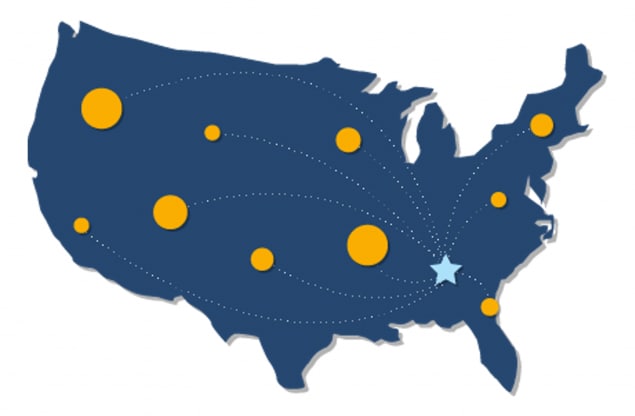
map of the continental U.S. with sites of outbreaks highlighted

Where and when did people get sick? Has the same germ caused outbreaks before? If it has, what made people sick in those outbreaks?

plate of food

What foods did people eat before they got sick?

restaurant and diners

What restaurants, grocery stores, or events did sick people go to?

Traceback Data

flow chart and checklists

Is there a common point in the distribution chain where the food could have gotten contaminated?

farm with barn and fields

Is there anything about the food production facilities, farms, or restaurants that made germs likely to spread?

Food and Environmental Testing Data

person wearing gloves and shield testing food

Is the germ causing the outbreak also found in a food item or in the food production environment?

woman looking at viruses under microscope

Do the germs found in the food or food production environment have the same DNA fingerprints as germs found in sick people?

Actions to Stop the Outbreak

Outbreak investigators take actions to protect the public when there is clear and convincing information showing that people got sick from the same contaminated food.

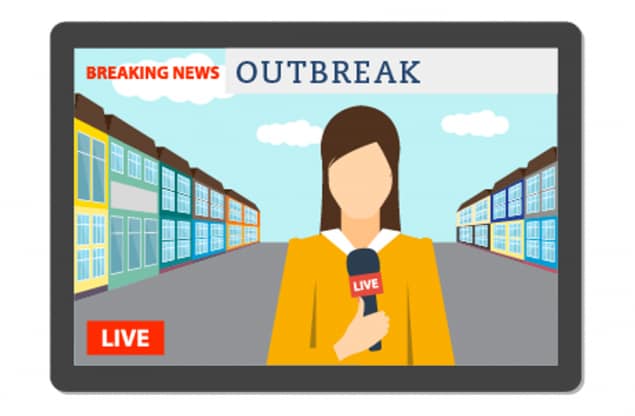
Live breaking news: outbreak

Health officials warn the public

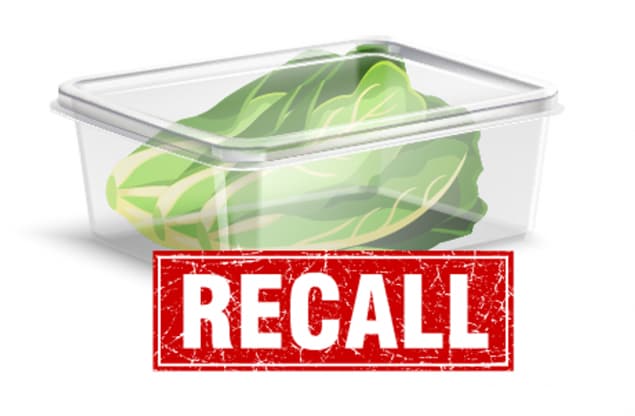
recalled packaged lettuce

Companies recall contaminated products

"closed" sign

Restaurants or food production facilities close temporarily

Constantly Improving

investigators working at a table

Investigators don’t solve every outbreak. Sometimes outbreaks end before enough information is gathered to identify the contaminated food. Outbreak investigators are constantly developing new ways to investigate and solve outbreaks faster.

Research – USDA Releases Proposed Regulatory Framework to Reduce Salmonella Infections Linked to Poultry Products

FSIS USDA

The U.S. Department of Agriculture’s (USDA) Food Safety and Inspection Service (FSIS) today released a proposed regulatory framework for a new strategy to control Salmonella contamination in poultry products and reduce foodborne illnesses attributed to these products. The agency is hosting a virtual public meeting on Nov. 3, 2022, to seek input from stakeholders on the proposed framework.

The Centers for Disease Control and Prevention (CDC) estimates that Salmonella bacteria cause approximately 1.35 million human infections and 26,500 hospitalizations in the United States every year. Of those infections, over 23% are attributed to poultry consumption. Foodborne illness can have a devastating impact, both personally and financially, on people’s lives, the cost of which reverberates through the economy. Data from USDA’s Economic Research Service (ERS) show the total cost for foodborne Salmonella infections in the United States is a staggering $4.1 billion annually and the cost for the loss of productivity to the economy $88 million. These are real costs to real people that can and should be prevented.

“We know that Salmonella in poultry is a complex problem with no single solution,” said USDA Deputy Under Secretary Sandra Eskin. “However, we have identified a series of strategic actions FSIS could take that are likely to drive down Salmonella infections linked to poultry products consumption, and we are presenting those in this proposed framework.”

“This is a historic first step toward final product standards that are science-based, risk-based, enforceable, and effective at protecting our vulnerable loved ones,” said Amanda Craten, board member of STOP Foodborne Illness. “As a parent of a child who suffered from Salmonella illness and is left with permanent injury, I have advocated and engaged in the process to modernize poultry standards to ensure no child has to experience the devastation of a preventable, virulent Salmonella illness. I’m thankful that USDA is making the prevention of illnesses like my son Noah’s a priority.”

The proposed framework has been shaped by months of information-gathering and discussions with a wide range of stakeholders, researchers, and scientists. The proposed framework consists of three key components that, together, support a comprehensive approach to controlling Salmonella in poultry.

  • Requiring that incoming flocks be tested for Salmonella before entering an establishment;
  • Enhancing establishment process control monitoring and FSIS verification; and
  • Implementing an enforceable final product standard.

The framework under consideration also addresses cross-cutting issues of testing for Salmonella, the impact on small and very small establishments and data sharing.

Dr. Craig Hedberg, a professor at University of Minnesota School of Public Health and Co-Director of the Minnesota Integrated Food Safety Center of Excellence, agrees that this framework “is an important step towards moving away from hazard-based regulation toward risk-based regulation. Focusing on levels of Salmonella and highly virulent strains of Salmonella rather than just the presence or absence of Salmonella should reduce the number of illnesses associated with poultry.”

Dr. Angie Siemens, Vice President for Food Safety, Quality and Regulatory at Cargill, said, “In alignment with our strong commitment to food safety, Cargill supports the need to develop a public health risked based approach to assist in meeting the Healthy People 2030 Salmonella targets. We look forward to reviewing the FSIS Salmonella framework and engaging in a robust dialogue on this issue.”

FSIS is soliciting input on all aspects of the draft framework, related to the three components as well as the cross-cutting issues. An online copy of the proposed framework is available athttps://www.fsis.usda.gov/inspection/inspection-programs/inspection-poultry-products/reducing-salmonella-poultry/proposed.

Read Full Press Release