Category Archives: Illness

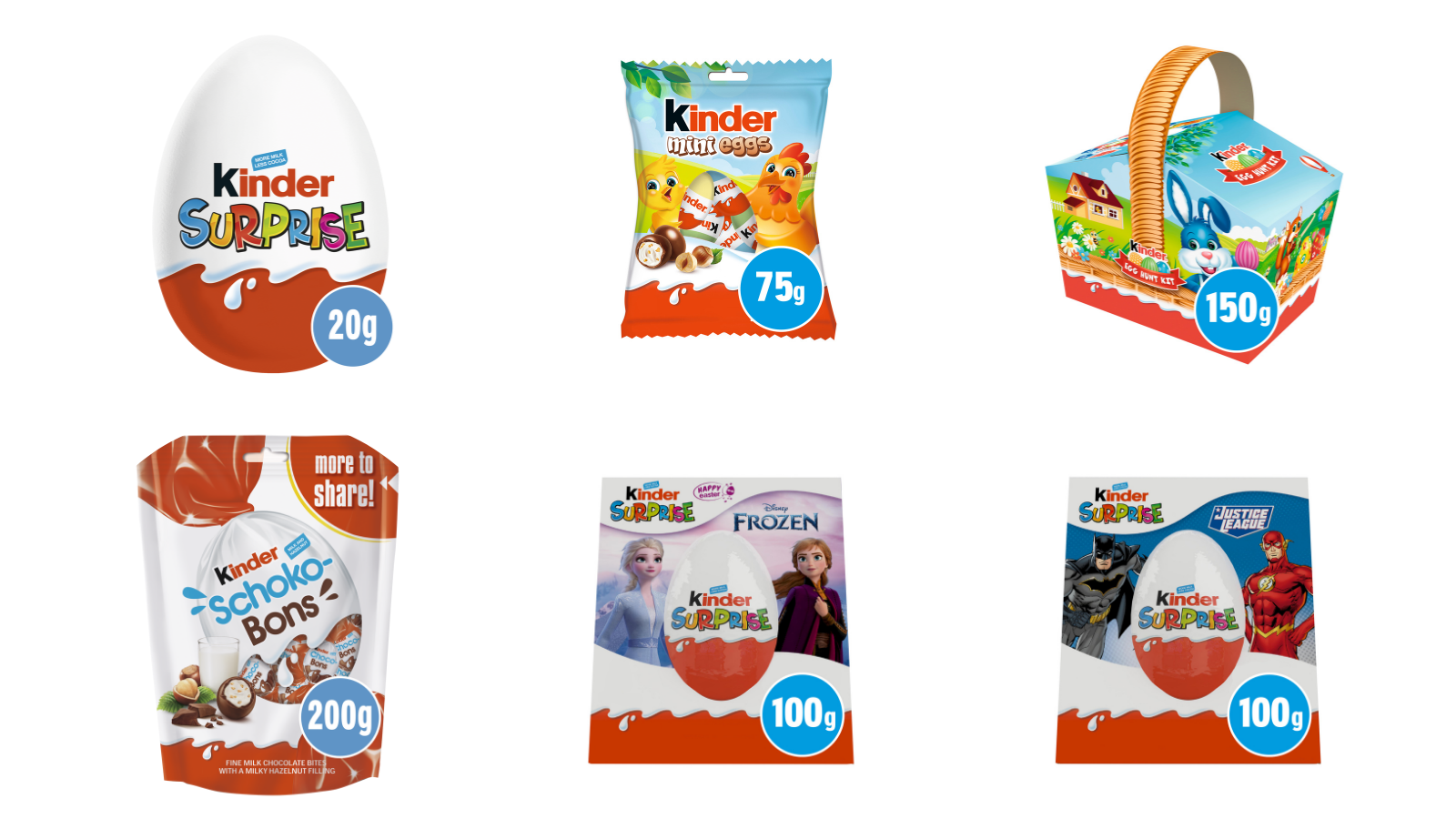
UK – ‘Don’t take the risk’: The FSA, FSS and UKHSA issue reminder that a range of Kinder egg products and Schoko-Bon’s should not be eaten this Easter weekend

FSA

The agencies are continuing to work with Public Health Scotland, Public Health Wales, Public Health Agency Northern Ireland – as well as international public health and food safety authorities – to investigate an ongoing outbreak of Salmonella linked to certain Kinder egg product ranges and Schoko-Bons produced at one of the Ferrero company’s factories, in Arlon, Belgium.

Full details on the products affected and the recall can be found here (Opens in a new window).

Kinder product recall items

As of 15 April, there are 70 cases linked to this outbreak in the UK. The majority of the cases are in children under 5 years of age.

Emily Miles, Chief Executive of the Food Standards Agency said:

“As we go into the Easter weekend, we are strongly urging consumers to follow the advice in the latest recall notice and to check any Kinder products they might have already bought against the list detailed in the notice, as they may pose a risk to health. If they do have any products on the list, they should not eat them and should discard them immediately.

“We have emphasised to the business and the authorities in Belgium the importance of taking a precautionary approach to their recall and trust that they will continue to put consumers’ needs first in any action they take.”

Dame Jenny Harries, Chief Executive of the UK Health Security Agency (UKHSA), said:

“We’re reminding people of the recall this Bank Holiday weekend as it’s possible these products have been bought and stored as gifts, or for events such as Easter trails.

“It’s crucial these products are not eaten and are discarded. Salmonella infection can be severe and many children affected in this outbreak have been very unwell and hospitalised, so anyone giving chocolate products to friends or family should take extra care to ensure their Easter gifts are not amongst those products recalled.

“Thank you to parents and guardians  who worked with us and other public health authorities in the UK to tell us what their children had eaten prior to becoming unwell – this allowed us to rapidly pinpoint a potential source of infection and helped food chain investigations both in this country and in Europe. We understand this has been a worrying time for these families, and their responses have helped to prevent more children and vulnerable adults being affected.”

Symptoms of salmonellosis – or infection with salmonella – typically resolve themselves within a few days. However, symptoms can be more severe, especially in young children, those who are pregnant and those with weakened immune systems.

Anybody with concerns that they have symptoms of salmonellosis should contact their GP or call NHS 111. Salmonella can be spread from person to person as well as from food, so anyone affected should adhere to good hygiene practices, such as washing hands thoroughly after using the bathroom and avoiding handling food for others where possible, if you have symptoms.

Notes to Editors:

The following products have been recalled and regardless of best-before date, should not be eaten.

The recall includes:

Kinder Surprise 20g & 3x 20g

Kinder Surprise 100g

Kinder Egg Hunt

Kinder Mini Eggs

Kinder Schoko-Bons

Research – Levels and genotypes of Salmonella and levels of Escherichia coli in frozen ready-to-cook chicken and turkey products in England tested in 2020 in relation to an outbreak of S. Enteritidis

PubMed

Frozen reformulated (FR) breaded chicken products have previously been implicated in causing human salmonellosis. A multi-country Salmonella enterica serovar Enteritidis outbreak involving several strains with >400 reported human cases in the UK occurred in 2020. Initially S. Infantis was detected in one sample from a case home but S. Enteritidis was then also isolated using a S. Enteritidis specific PCR in combination with isolation via a Craigie-tube. This prompted a survey to examine the presence and levels of Salmonella and E. coli in ready-to-cook FR poultry products in England in 2020. From a total of 483 samples, including two from cases’ homes, Salmonella was detected in 42 chicken samples, these originated from six out of 53 production plants recorded. Salmonella detection was associated with elevated levels of generic E. coli (OR = 6.63). S. Enteritidis was detected in 17 samples, S. Infantis in 25, S. Newport in four and S. Java, S. Livingstone and S. Senftenberg in one each. The highest levels of Salmonella were 54 MPN/g for S. Infantis and 28 MPN/g for S. Enteritidis; 60% of the Salmonella-positive samples had <1.0 MPN/g. S. Enteritidis was detected together with S. Infantis in five samples and with S. Livingstone in one. Where S. Enteritidis was detected with other Salmonella, the former was present at between 2 and 100-fold lower concentrations. The Salmonella contamination was homogeneously distributed amongst chicken pieces from a single pack and present in both the outer coating and inner content. The S. Enteritidis were all outbreak strains and detected in six products that were linked to four production plants which implicated a Polish origin of contamination. Despite S. Infantis being most prevalent in these products, S. Infantis from only two contemporaneous human cases in the UK fell into the same cluster as isolates detected in one product. Except for one human case falling into the same cluster as one of the S. Newport strains from the chicken, no further isolates from human cases fell into clusters with any of the other serovars detected in the chicken samples. This study found that higher E. coli levels indicated a higher probability of Salmonella contamination in FR chicken products. The results also highlight the importance of recognising co-contamination of foods with multiple Salmonella types and has provided essential information for detecting and understanding outbreaks where multiple strains are involved.

India – 300 fall ill due to food poisoning

The Times of India

Indore: Around 300 people were hospitalized on Thursday night in Khandwa with Food Poisoning

USA – CDC – Lettuce, Other Leafy Greens, and Food Safety

CDC

Leafy greens arranged on a white background

Vegetables are an important part of a healthy diet. Leafy vegetables (called leafy greens on this page), such as lettuce, spinach, cabbage, kale, and bok choy, provide nutrients that help protect you from heart diseasestroke, and some cancers.

But leafy greens, like other vegetables and fruits, are sometimes contaminated with harmful germs. Washing leafy greens does not remove all germs. That’s because germs can stick to the surface of leaves and even get inside them. If you eat contaminated leafy greens without cooking them first, such as in a salad or on a sandwich, you might get sick.

Although anyone can get a foodborne illness, sometimes called food poisoning, some groups of people are more likely to get one and to have a serious illness. These groups include:

  • Adults aged 65 and older
  • Children younger than 5 years
  • People who have health problems or take medicines that lower the body’s ability to fight germs and sickness (a weakened immune system)external icon
  • Pregnant people

Eating Leafy Greens

Are leafy greens safe to eat?

Millions of servings of leafy greens are eaten safely every day in the United States. But leafy greens are occasionally contaminated enough to make people sick. To reduce your chance of getting sick, always follow the steps for safely handling and preparing leafy greens before eating or serving them.

Are leafy greens safe for my pet to eat?

Some animals can get sick from some germs that also make people sick. Always follow the steps for safely handling and preparing leafy greens before feeding them to pets and other animals. Never feed recalled food to pets or other animals.

Safely Handling and Preparing Leafy Greens

Do I need to wash all leafy greens?

Prewashed greens don’t need to be washed again. If the label on a leafy greens package says any of the following, you don’t need to wash the greens:

  • Ready-to-eat
  • Triple washed
  • No washing necessary

Prewashed greens sometimes cause illness. But the commercial washing process removes most of the contamination that can be removed by washing.

All other leafy greens should be thoroughly washed before eating, cutting, or cooking.

What is the best way to wash leafy greens?

The best way to wash leafy greens is by rinsing them under running water. Studies show that this step removes some of the germs and dirt on leafy greens and other vegetables and fruits. But no washing method can remove all germs.

Follow these steps to wash leafy greens that you plan to eat raw:

  • Wash your hands for 20 seconds with soap and water before and after preparing leafy greens.
  • Get rid of any torn or bruised leaves. Also, get rid of the outer leaves of cabbages and lettuce heads.
  • Rinse the remaining leaves under running water. Use your hands to gently rub them to help get rid of germs and dirt.
  • Dry leafy greens with a clean cloth or paper towel.

Should I soak leafy greens before washing them?

No. Do not soak leafy greens. If you soak them in a sink, germs in the sink can contaminate the greens. If you soak them in a bowl, germs on one leaf can spread to the other leaves. Rinsing leafy greens under running water is the best way to wash them.

Should I wash leafy greens with vinegar, lemon juice, soap, detergent, or produce wash?

Use plain running water to wash leafy greens and other produce. Kitchen vinegar and lemon juice may be used, but CDC is not aware of studies that show vinegar or lemon juice are any better than plain running water.

Do not wash leafy greens or other produce with soap, detergent, or produce wash. Do not use a bleach solution or other disinfectant to wash produce.

What other food safety steps should I keep in mind when I select, store, and prepare leafy greens and other produce?

  • Select leafy greens and other vegetables and fruits that aren’t bruised or damaged.
  • Make sure pre-cut produce, such as bagged salad or cut fruits and vegetables, is refrigerated or on ice at the store.
  • Separate produce from raw meat, poultry, seafood, and eggs in your shopping cart, grocery bags, and refrigerator.
  • Store leafy greens, salads, and all pre-cut and packaged produce in a clean refrigerator with the temperature set to 40°F or colder.
  • Use separate cutting boards and utensils for produce and for raw meat, poultry, seafood, and eggs. If that isn’t an option, prepare produce before working with raw meat.
  • Wash utensils, cutting boards, and kitchen surfaces with hot, soapy water after each use.
  • Cook thoroughly or throw away any produce that touches raw meat, poultry, seafood or their juices.
  • Refrigerate cooked or cut produce, including salads, within 2 hours (1 hour if the food is exposed to temperatures above 90°F, like a hot car or picnic).

Germs, Outbreaks, and Recalls

How do leafy greens get contaminated with germs?

Germs that make people sick can be found in many places, including in the soil, in the feces or poop of animals, in refrigerators, and on kitchen surfaces.

Germs can contaminate leafy greens at many points before they reach your plate. For example, germs from animal poop can get in irrigation water or fields where theexternal icon vegetables grow. Germs can also get on leafy greens in packing and processing facilities, in trucks used for shipping, from the unwashed hands of food handlers, and in the kitchen. To prevent contamination, leafy greens should be grown and handled safely at all points from farm to fork.

Read a study by CDC and partners on what we have learned from 10 years of investigating E. coli outbreaks linked to leafy greens.

How common are outbreaks linked to leafy greens?

In 2014–2018, a total of 51 foodborne disease outbreaks linked to leafy greens (mainly lettuce) were reported to CDC. Five of the 51 were multistate outbreaks that led CDC to warn the public. Among those five outbreaks, two were linked to packaged salads, two were linked to romaine lettuce, and one could not be linked to a specific type of leafy greens.

Most recently, in 2019–2021, CDC investigated and warned the public about nine multistate outbreaks linked to leafy greens. Among those outbreaks, six were linked to packaged salads, one was linked to romaine lettuce, one was linked to baby spinach, and one could not be linked to a specific type of leafy greens. Learn about these outbreaks.

Most foodborne illnesses are not part of a recognized outbreak. The nearly 2,000 illnesses reported in 2014–2020 outbreaks linked to leafy greens represent only a small part of illnesses caused by contaminated leafy greens during those years.

Does CDC warn the public about every foodborne disease outbreak?

No. CDC does not warn the public about every foodborne outbreak—including ones linked to leafy greens. Some reasons for this include:

  • Most sources of foodborne outbreaks are never identified.
  • By the time a source is identified, it might no longer be in stores, restaurants, or homes. This can happen with foods that are perishable (foods that spoil or go bad quickly), such as leafy greens.
  • Most outbreaks affect people in only one state, so local or state health departments lead the work to identify, investigate, and communicate about those outbreaks. CDC typically communicates only about outbreaks that affect people in more than one state.

Investigating outbreaks linked to leafy greensexternal icon can be especially challenging. These outbreaks often go unidentified or unsolved.

What should I do with leafy greens that are part of a recall?

  • Never eat, serve, or sell food that has been recalled, even if some of it was eaten and no one got sick.
  • Return the recalled food to the store or throw it away at home.
    • Throw out the recalled food and any other foods stored with it or that touched it.
    • Put it in a sealed bag in an outside garbage can with a tight lid (so animals cannot get to it).
    • If the recalled food was stored in a reusable container, wash the container in the dishwasher or with hot, soapy water.
  • Follow CDC’s instructions for cleaning your refrigerator after a food recall.

Organic, Hydroponic, and Home-Grown Leafy Greens

Are organic leafy greens less likely to be contaminated than non-organic ones?

All kinds of produce, including organic leafy greens, can be contaminated with harmful germs at any point from farm to fork. CDC is not aware of any evidence that organic greens are safer.

Learn about some outbreaks linked to organic foodsexternal icon.

Are hydroponic or greenhouse-grown leafy greens less likely to be contaminated?

Leafy greens grown using these methods also can be contaminated with harmful germs at any point from farm to fork.

Learn about an outbreak linked to greenhouse-grown leafy greens.

How do I keep leafy greens in my garden safe to eat?

Home gardens can be an excellent source of fruits and vegetables. Follow these tips to help prevent food poisoning:

  • Plant your garden away from animal pens, compost bins, and manure piles.
  • Water your garden with clean, drinkable water.
  • Keep dirty water, including storm runoff, away from the parts of plants you will eat.

Learn about raised bed gardening pdf icon[PDF – 1 page].

Looking to the Future

What steps are industry and the government taking to make leafy greens safer?

CDC is collaborating with FDA, academia, and industry to investigate the factors that contribute to leafy greens contamination.

The leafy greens industry, FDA, and state regulatory authorities have been implementing provisions of the Produce Safety Ruleexternal icon as part of the FDA Food Safety Modernization Act (FSMA).external icon They are considering what further measures can be taken. FDA’s 2020 Leafy Greens STEC Action Planexternal icon describes the agency’s plans to work with partners to make leafy greens safer.

Research – Levels and genotypes of Salmonella and levels of Escherichia coli in frozen ready-to-cook chicken and turkey products in England tested in 2020 in relation to an outbreak of S. Enteritidis

Science Direct

Highlights

Six serovars, with S. Infantis and S. Enteritidis most common, found in 9% of samples

Serovar-specific PCR and Cragie’s motility method used for co-contaminated samples

All S. Enteritidis were outbreak strains and affected six products from two plants.

The highest MPN/g was 54 for S. Infantis and 28 and S. Enteritidis.

Detection of Salmonella spp. was associated with higher levels of generic E. coli.

Abstract

Frozen reformulated (FR) breaded chicken products have previously been implicated in causing human salmonellosis. A multi-country Salmonella enterica serovar Enteritidis outbreak involving several strains with >400 reported human cases in the UK occurred in 2020. Initially S. Infantis was detected in one sample from a case home but S. Enteritidis was then also isolated using a S. Enteritidis specific PCR in combination with isolation via a Craigie-tube. This prompted a survey to examine the presence and levels of Salmonella and E. coli in ready-to-cook FR poultry products in England in 2020.

From a total of 483 samples, including two from cases’ homes, Salmonella was detected in 42 chicken samples, these originated from six out of 53 production plants recorded. Salmonella detection was associated with elevated levels of generic E. coli (OR = 6.63). S. Enteritidis was detected in 17 samples, S. Infantis in 25, S. Newport in four and S. Java, S. Livingstone and S. Senftenberg in one each. The highest levels of Salmonella were 54 MPN/g for S. Infantis and 28 MPN/g for S. Enteritidis; 60% of the Salmonella-positive samples had <1.0 MPN/g. S. Enteritidis was detected together with S. Infantis in five samples and with S. Livingstone in one. Where S. Enteritidis was detected with other Salmonella, the former was present at between 2 and 100-fold lower concentrations. The Salmonella contamination was homogeneously distributed amongst chicken pieces from a single pack and present in both the outer coating and inner content. The S. Enteritidis were all outbreak strains and detected in six products that were linked to four production plants which implicated a Polish origin of contamination. Despite S. Infantis being most prevalent in these products, S. Infantis from only two contemporaneous human cases in the UK fell into the same cluster as isolates detected in one product. Except for one human case falling into the same cluster as one of the S. Newport strains from the chicken, no further isolates from human cases fell into clusters with any of the other serovars detected in the chicken samples.

This study found that higher E. coli levels indicated a higher probability of Salmonella contamination in FR chicken products. The results also highlight the importance of recognising co-contamination of foods with multiple Salmonella types and has provided essential information for detecting and understanding outbreaks where multiple strains are involved.

India – 48 people, including 22 children hospitalised with food poisoning at Bagalkot

New Indian Express

BAGALKOT: At least 48 people, including 22 children, were rushed to the district civil hospital after they fell ill reportedly because of food poisoning at Domanal village of Bagalkot taluka.

Initially 80 people were reported ill but after medical professionals were pressed into service nearly 50 people have found ill and all have been admitted at the district civil hospital for further treatment.

Within an hour of consuming food served at Yamunarappa Urus, a religious ceremony, many people began vomiting and complained of diarrhoea. The villagers soon alerted the health department, who rushed to the spot within minutes with sufficient medical kits.

Among the 48 people that fell ill 22 are children, 12 are women and 10 are elderly persons. The district hospital declared that all are out of danger and responding to the treatment.

Speaking to The New Indian Express, Dr Jayashree Emmi, District Health Officer (DHO), said that, “We have put enough medical professionals on the job to take care of all the people that fell ill reportedly after consuming food at a religious ceremony. All the people are stable and recovering.”

“We have collected samples of food and water served at Urus. After investigation an investigation will be carried out on the incident. We have also stationed two ambulances and a team of health professionals in the village as a precaution,” stated DHO Jayashree.

France – Nestlé recalls pizzas as officials suggest link to E. coli cases; 2 children dead

Food Safety News

buitoni pizza nestle france e. coli

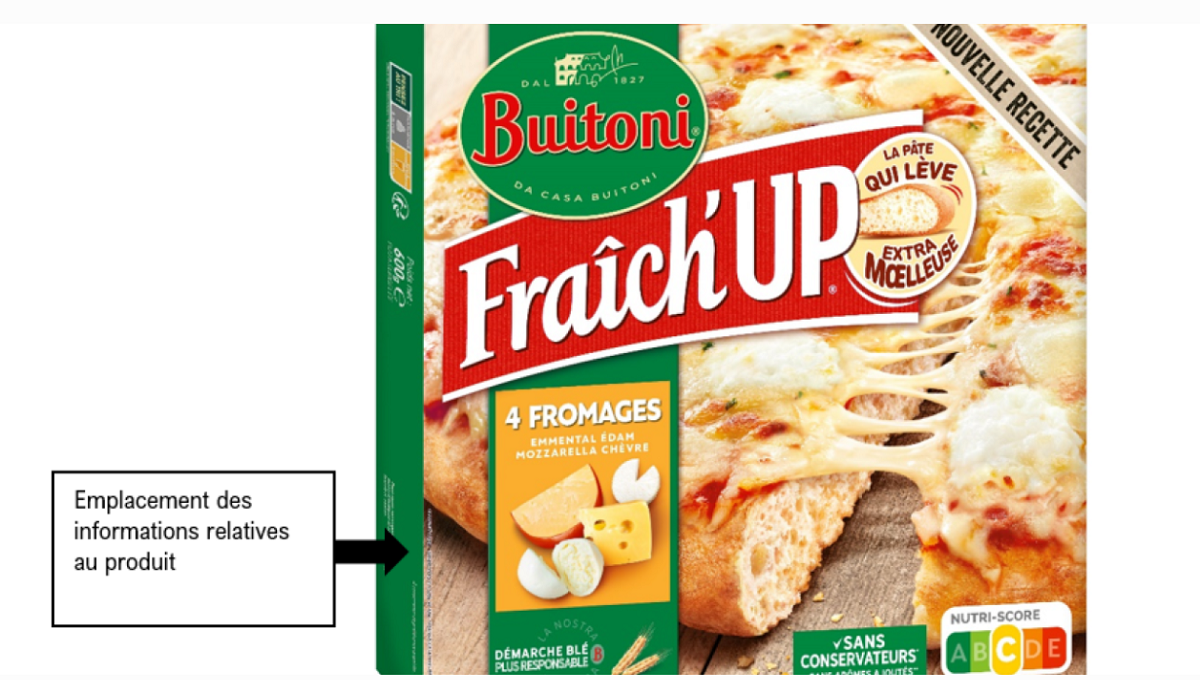
Nestlé has recalled some frozen pizzas in France after authorities linked them to an outbreak of E. coli infections.

Buitoni brand Fraîch’Up pizzas have been withdrawn and recalled because of possible contamination by E. coli O26. Nestlé took action after being told about the presence of E. coli in dough used in the frozen pizzas.

Investigations by authorities into a number of hemolytic uremic syndrome (HUS) cases have pointed to a possible connection with consumption of the frozen pizzas. HUS is a type of kidney failure  associated with E. coli infections that can result in lifelong, serious health problems and death.

In total, 27 cases of HUS or serious infection caused by E. coli with similar characteristics, have been identified, and 31 other infections are under investigation.

The sick children, aged from 1 to 18 years old with a median age of 5 and a half had symptoms between Jan. 10 and March 10, 2022. Two youngsters have died.

In France, Shiga toxin-producing E. coli (STEC) surveillance is based only on HUS in children younger than 15, so it only catches the most severe cases of E. coli infection. It is unknown how many adults might be infected.

USA – FDA Investigation of Cronobacter Infections: Powdered Infant Formula (February 2022) – The problem is more than two years old.

FDA

If you want to check if your powdered formula is part of the recall, you can enter the product lot code on the bottom of your package on the company’s websiteExternal Link Disclaimer.

If you have questions or need information about the recall, you can Submit Questions/Get Assistance.

If your infant is experiencing symptoms related to Cronobacter infection, such as poor feeding, irritability, temperature changes, jaundice, grunting breaths, or abnormal body movements; contact your health care provider to report their symptoms and receive immediate care.

To report an illness or adverse event, you can

The FDA, along with CDC and state and local partners are investigating consumer complaints and/or reports of infant illness related to products from Abbott Nutrition’s Sturgis, MI facility. All of the ill patients are reported to have consumed powdered infant formula produced from Abbott Nutrition’s Sturgis, MI facility.

The FDA is releasing the FDA Form 483s from three inspections conducted at Abbott Nutrition’s facility on Sept. 16-24, 2019Sept. 20-24, 2021, and Jan. 31-March 18, 2022. The inspectional observations in these Form 483s do not constitute final FDA determinations of whether any condition was or is in violation of the Federal Food, Drug, and Cosmetic Act or any of its implementing regulations. FDA will take appropriate action in the future – if warranted – as we continue to evaluate the 2022 inspectional findings.

Important observations noted in the 2022 Form 483 include, but are not limited to:

  • [Abbott Nutrition] did not establish a system of process controls covering all stages of processing that was designed to ensure that infant formula does not become adulterated due to the presence of microorganisms in the formula or in the processing environment.
  • [Abbott Nutrition] did not ensure that all surfaces that contacted infant formula were maintained to protect infant formula from being contaminated by any source.

Once the immediate public health risk is minimized, FDA will conduct a programmatic review to ensure the maximum effectiveness of agency programs and policies related to infant formula and special medical food complaints, illnesses, and recalls.

Conducting this review is a top priority for the FDA and will be done as efficiently as possible, and we can ensure this effort will not interfere with the immediate recall response activities. We will and must continue focusing on taking all steps possible to protect the health of those who rely on safe powdered infant formula.

Recommendation

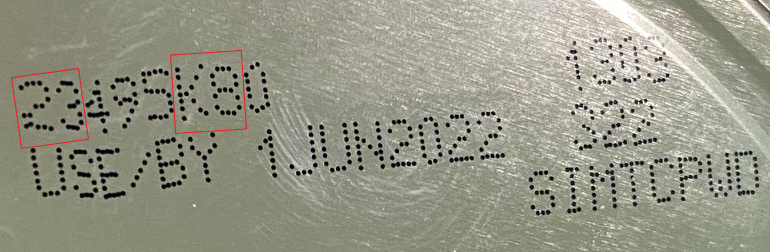
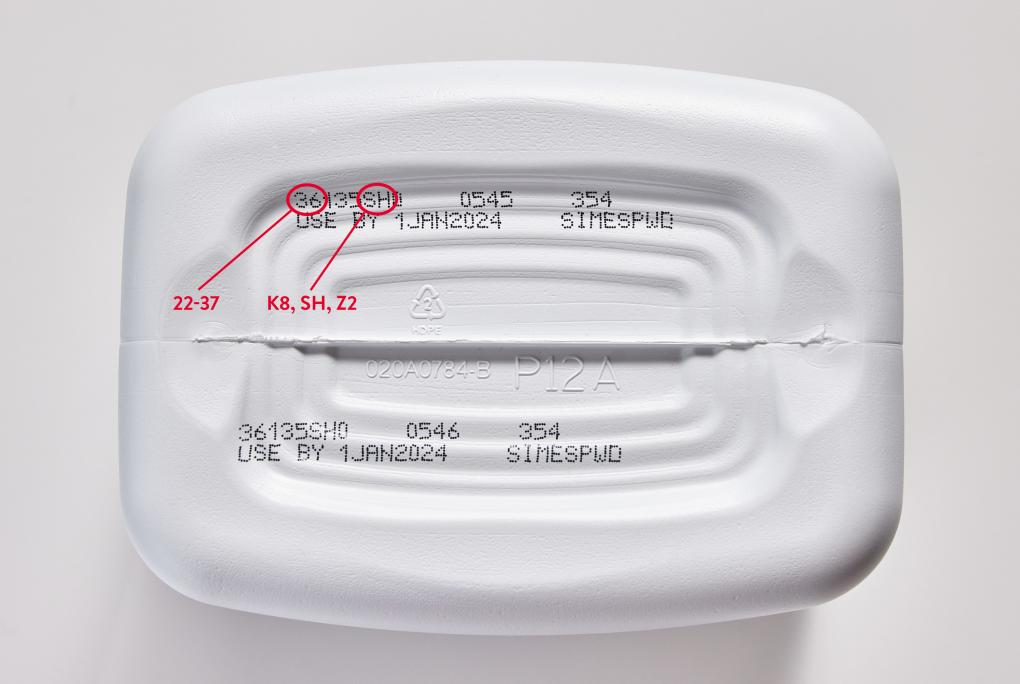
The FDA is advising consumers not to use recalled Similac, Alimentum, or EleCare powdered infant formulas. Recalled products can be identified by the 7 to 9 digit code and expiration date on the bottom of the package (see image below). Products are included in the recall if they have all three items below:

  • the first two digits of the code are 22 through 37 and
  • the code on the container contains K8, SH, or Z2, and
  • the expiration date is 4-1-2022 (APR 2022) or later.

In addition to products described above, Abbott Nutrition has recalled Similac PM 60/40 with a lot code 27032K80 (can) / 27032K800 (case). At this time, Similac PM 60/40 with lot code 27032K80 (can) / 27032K800 (case) is the only type and lot of this specialty formula being recalled. Additional recall information for the initial recall is available on the FDA website. Parents can also enter their product lot code on the company’s websiteExternal Link Disclaimer to check if it is part of the recall.

Additional information for parents and caregivers of infants receiving medical specialty infant formulas and individuals using certain medical foods is available below.

Additional Information for Parents and Caregivers:

The recalls do not include liquid formula products.

Parents and caregivers should never dilute infant formula and should not make or feed homemade infant formula to infants. Consumers should also avoid purchasing imported formula through online sales, as it has the potential to be counterfeit.

If your regular formula is not available, contact your child’s healthcare provider for recommendations on changing feeding practices.

If you get infant formula through WIC, do not throw the formula out. Instead, you should take it to the store for a refund and exchange or call the company at 1-800-986-8540 to help you. WIC recipients should be able to obtain a different brand of similar formula. Call your local WIC clinic for more guidance. Also see:

More information on Cronobacter and infant formula is available on CDC’s website.

Recalled powdered infant formulas have the potential to be contaminated with Cronobacter, a bacterium that can cause severe foodborne illness primarily in infants. Cronobacter infections are rare but are especially high risk for newborn infants (see symptoms below).

Cronobacter bacteria can cause severe, life-threatening infections (sepsis) or meningitis (an inflammation of the membranes that protect the brain and spine). Symptoms of sepsis and meningitis may include poor feeding, irritability, temperature changes, jaundice (yellow skin and whites of the eyes), grunting breaths, and abnormal body movements. Cronobacter infection may also cause bowel damage and may spread through the blood to other parts of the body.

If your child is experiencing any of these symptoms, you should notify your child’s healthcare provider and seek medical care for your child immediately. Healthcare providers and health departments are encouraged to report any confirmed cases of Cronobacter sakazakii to CDC.


Product Images

Sample Product Image from the FDA Investigation of Cronobacter and Salmonella Complaints about Powdered Infant Formula (February 2022)

Case Counts

Total Adverse Events: 4
Hospitalizations: 4
Reported Deaths: 2*
Illness Onset Date Range: 9/6/2021 – 1/4/2022
States with Adverse Events: MN (1), OH (2), TX (1)
Product Distribution: Nationwide and International
* Two deaths have been reported. Cronobacter infection may have contributed to the cause of death for both patients.

USA – FDA issues warning to New Mexico onion importer linked to Salmonella outbreak

Food Safety News

An import company in New Mexico is on notice from the FDA for not having food safety documents for a number of imported foods. The inspection was initiated because of an investigation of a multistate foodborne outbreak of Salmonella Oranienburg illnesses linked to whole, fresh onions imported from the state of Chihuahua, Mexico.

The outbreak has sickened more than 800 people in the United States and remains under investigation. The Centers for Disease and Prevention has not yet declared the outbreak over.

In its warning letter the Food and Drug Administration  acknowledged that the company initiated a voluntary recall on Oct. 22, 2021, of red, yellow, and white onions imported from its “suppliers (redacted)” in Chihuahua, Mexico, from July 1, 2021, through Aug. 25, 2021.

In the March 2, 2022, warning letter just made public by the FDA, the agency described a Nov. 16, 2021, Foreign Supplier Verification Program (FSVP) inspection of Keeler Family Farms in DemingNM.

Canada – Norovirus: Dozens affected in British Columbia, linked to raw oysters

Outbreak News Today

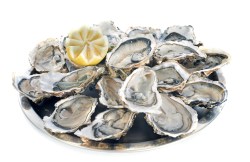
french oysters

Vancouver Coastal Health (VCH) is warning consumers to take steps to protect their health following an increase in cases of norovirus associated with consumption of raw B.C. oysters.

Since Monday, March 14, more than 50 people have been affected with acute gastrointestinal illness, such as stomach pain, diarrhea or vomiting, after eating raw oysters. Lab testing has confirmed the presence of norovirus in some of the cases and it is suspected in others.

The BC Centre for Disease Control (BCCDC) has issued a notice to restaurants and retailers in B.C. to advise them of the risk.

Based on an investigation by the BCCDC, local and federal agencies, and the shellfish industry, affected harvest areas are being closed and will reopen when contamination is cleared.