Category Archives: Hepatitis A

New Zealand – Consumers urged not to eat illegal mussels

MPI

New Zealand Food Safety is urging consumers not to eat mussels being sold illegally at independent retailers or online.

The sale of imported mussels is carefully controlled to ensure they meet New Zealand’s food safety requirements. While mussels from Fiji may be brought into New Zealand for personal use, they cannot be sold.

Deputy director general Vincent Arbuckle says Fijian mussels have been removed from sale at some smaller retailers catering to Pacific Island communities, and online.

“As New Zealand Food Safety has not assessed Fiji’s growing, harvesting and processing controls for mussels we cannot be confident that the mussels don’t pose a food safety risk to consumers.”

The mussels are also known as: Nakai, Naakai, Nakaai, Kai, Batissa violacea and Fresh Water Mussels.

“It’s vital that mussels available to buy for members of the public are safe to eat. Knowing where the mussels you want to buy have come from can help reduce the risk of any potential health problems.

“Our message to people buying mussels is that if you are in any doubt, ask the retailer where the product has come from. If it is from Fiji, the mussels should not be for sale.”

Mussels are a higher risk food because of the way they feed, which increases the likelihood of contamination from bacteria, viruses, toxins and chemicals.
USA – FDA Coe Investigation Table Update

FDA

What’s New

  • An outbreak of E. coli O157:H7 (ref# 1081) in an unidentified product was added to the table and FDA has initiated a traceback investigation. CDC has issued an Investigation Notice.
  • An outbreak of Salmonella Senftenberg (ref# 1087) in an unidentified product was added to the table.
  • An outbreak of Salmonella Typhimurium (ref# 1095) in an unidentified product was added to the table and traceback has been initiated.
  • For the outbreak of Salmonella Braenderup (ref# 1075) in an unidentified product, the outbreak has ended.
  • For the outbreak of Cyclospora in an unidentified product (ref# 1084), the case count has increased from 77 to 98.
  • For the outbreak of hepatitis A illnesses linked to fresh strawberries (ref# 1066), the FDA investigation has closed and the outbreak is over.
Date
Posted
Ref
Pathogen
Product(s)
Linked to
Illnesses

(if any)
Total
Case Count

Status
8/17/

2022

1081 E. coli
O157:H7
Not Yet Identified See CDC Investigation Notice Active
8/17/

2022

1087 Salmonella
Senftenberg
Not Yet Identified 19 Active
8/17/

2022

1095 Salmonella
Typhimurium
Not Yet Identified 44 Active
8/3/

2022

1080 Cyclospora Not Yet Identified 6 Active
7/27/

2022

1084 Cyclospora Not Yet Identified 98 Active
6/29/

2022

1076 Not Yet Identified Frozen Food See Outbreak
Advisory
Active
6/22/

2022

1075 Salmonella
Braenderup
Not Yet Identified 74 Active
6/22/

2022

1072 Salmonella
Paratyphi B var. L(+) tartrate+
Not Identified 14 Closed
6/15/

2022

1070 Listeria
monocytogenes
Not Identified 12 Closed
6/8/

2022

1068 E. coli
O157:H7
Not Identified 10 Closed
6/1/

2022

1066 Hepatitis A Virus Strawberries See Outbreak
Advisory
Closed
5/25/

2022

1067 Salmonella 
Senftenberg
Peanut Butter See Outbreak Advisory Closed
4/20/

2022

1064 Not Yet
Identified
Dry Cereal 558 adverse
event reports
Active
4/13/

2022

1057 Listeria
monocytogenes
Ice Cream See Outbreak Advisory Active
3/30/

2022

1060 None
Identified
Meal Replacement
Drink
6 adverse
event reports
Closed
3/16/

2022

1055 Salmonella
Saintpaul
Not Identified 60 Closed
2/17/

2022

1056 Cronobacter
sakazakii
Powdered
Infant
Formula
See
Advisory
Active (IMG)
2/9/

2022

1040 Listeria
monocytogenes
Not Identified 20 Closed
2/2/

2022

1054 Enteroinvasive
E. coli
O143:H26
Not
Identified
16 Closed
1/10/

2022

1050 E. coli
O121:H19
Romaine 4 Closed

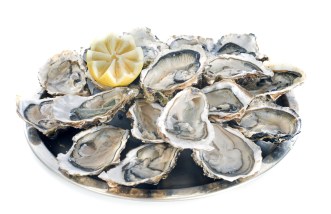
Hong Kong – Pre-shucked Oysters for Raw Consumption – What Should One be Aware of?

cfs

french oysters

Raw Oysters are High-risk Foods
Oysters are filter feeders. They constantly draw in water and accumulate materials from water, including pathogens such as Vibrio bacteria, norovirus and hepatitis A virus. These pathogens can infect people who eat oysters raw or undercooked. In addition, bacteria like Vibrio can continue to grow in oysters after harvesting if oysters are not maintained at low enough temperatures from harvest through to consumption. Food poisoning outbreaks related to raw oysters have been reported locally from time to time. Although the illness is usually mild and self-limiting, causing symptoms such as diarrhoea, abdominal cramps and vomiting, they can also cause severe health consequences especially for susceptible individuals.

Additional Risks in Shucked Oysters
Both physical and microbiological contamination are possible during the shucking of oysters. Physical removal of shellfish meat from the shell at the shucking table often exposes the product to dirt, mud and detritus. Shucked oysters should be rinsed or washed well to eliminate these contaminants and to reduce microbiological level of the products. Good hygiene practices should also be observed to minimise contamination from the workers and the working environment.

Before deshelling, oysters can stay alive even after long-haul shipping if kept under correct temperature and conditions. Once killed after shucking, raw oysters can deteriorate quickly if the temperature is not low enough to limit bacterial growth. Shucked oysters should be packed and chilled or frozen as soon as possible. Furthermore, an uninterrupted cold chain during transportation is critical to ensure safety and quality of the shellfish products.

USA – FDA Core Investigation Table Update

FDA

What’s New

  • For the outbreak of Cyclospora in an unidentified food (ref # 1084) the total case count has increased from 60 to 77.
Date
Posted
Ref Pathogen or
Cause of Illness

Product(s)
Linked to
Illnesses

(if any)
Total
Case Count
Status
8/3/

2022

1080 Cyclospora Not Yet Identified 6 Active
7/27/

2022

1084 Cyclospora Not Yet Identified 77 Active
6/29/

2022

1076 Not Yet Identified Frozen Food See Outbreak
Advisory
Active
6/22/

2022

1075 Salmonella
Braenderup
Not Yet Identified 74 Active
6/22/

2022

1072 Salmonella
Paratyphi B var. L(+) tartrate+
Not Identified 14 Closed
6/15/

2022

1070 Listeria
monocytogenes
Not Identified 12 Closed
6/8/

2022

1068 E. coli
O157:H7
Not Identified 10 Closed
6/1/

2022

1066 Hepatitis A Virus Strawberries See Outbreak
Advisory
Active
5/25/

2022

1067 Salmonella 
Senftenberg
Peanut Butter See Outbreak Advisory Closed
4/20/

2022

1064 Not Yet
Identified
Dry Cereal 558 adverse
event reports
Active
4/13/

2022

1057 Listeria
monocytogenes
Ice Cream See Outbreak Advisory Active
3/30/

2022

1060 None
Identified
Meal Replacement
Drink
6 adverse
event reports
Closed
3/16/

2022

1055 Salmonella
Saintpaul
Not Identified 60 Closed
2/17/

2022

1056 Cronobacter
sakazakii
Powdered
Infant
Formula
See
Advisory
Active (IMG)
2/9/

2022

1040 Listeria
monocytogenes
Not Identified 20 Closed
2/2/

2022

1054 Enteroinvasive
E. coli
O143:H26
Not
Identified
16 Closed
1/10/

2022

1050 E. coli
O121:H19
Romaine 4 Closed

IAFP 2022: Persistence of Norovirus, Hepatitis A in Low-Moisture Foods

Food Safety.Com

Food Borne Illness - Norovirus -CDC Photo

Hepatitis A and Human Norovirus

Dr. Gibson introduced and gave an overview of the two most relevant enteric viruses in food safety—human Norovirus and Hepatitis A—on which Dr. Jaykus later elaborated. The viruses share several characteristics, such as being resistant to environmental degradation, having a low infectious dose, and shedding from infected individuals at high concentrations. The enteric viruses are also highly persistent on foods and are difficult to inactivate. According to Dr. Jaykus, the viruses can persist on surfaces for days to weeks at room temperature; on foods in water, the viruses can persist for weeks to months if refrigerated, and indefinitely if frozen. Although viral persistence is strong for enteric viruses, the viruses’ survivability depends on the surface, matrix, and temperatures to which they are subject.

Hepatitis A is more common in low-income countries and its common modes of transmission are ready-to-eat (RTE) foods, fresh and frozen produce, and LMFs. Hepatitis A has a public health impact of over 37,000 foodborne cases in the U.S., annually. Norovirus, which causes approximately 5.5 million cases of foodborne illness in the U.S. each year, is mainly transmitted through foods at restaurants due to contamination by infected food handlers; soft, red fruits are also associated with Norovirus due to being hand-harvested. Foods that are handled by humans during harvesting, processing, or preparation are common vehicles for Norovirus as the pathogen can remain infectious and shed from infected individuals for up to eight weeks.

In dry environments, the enteric viruses can transfer between surfaces at a rate of 5–10 percent; in moist environments, the viruses’ rate of transferability increases to over 95 percent. Hepatitis A and Norovirus have also shown to be effective at attaching and sticking to existing biofilms.

USA – FDA Core Table – Investigations of Foodborne Illness Outbreaks

FDA

What’s New

  • For the Cyclospora outbreak in an unidentified vehicle (ref# 1084), the number of cases has increased from 51 to 60 and sample collection and analysis has been initiated.
  • A new outbreak has been added to the table: Cyclospora in a not yet identified food (ref #1080). Traceback has been initiated.
  • For the Salmonella Paratyphi B var. L(+) tartrate+ outbreak (ref# 1072) in a not identified food, FDA’s investigation status is now closed.
  • For the Listeria monocytogenes outbreak (ref# 1070) in a not identified food, the outbreak status has ended and FDA’s investigation status is now closed.
  • For the Salmonella Braenderup outbreak (ref #1075), the number of cases has increased from 70 to 74.
Date
Posted
Ref Pathogen or
Cause of Illness

Product(s)
Linked to
Illnesses

(if any)
Total
Case Count

Status
8/3/

2022

1080 Cyclospora Not Yet Identified 6 Active
7/27/

2022

1084 Cyclospora Not Yet Identified 60 Active
6/29/

2022

1076 Not Yet Identified Frozen Food See Outbreak
Advisory
Active
6/22/

2022

1075 Salmonella
Braenderup
Not Yet Identified 74 Active
6/22/

2022

1072 Salmonella
Paratyphi B var. L(+) tartrate+
Not Identified 14 Closed
6/15/

2022

1070 Listeria
monocytogenes
Not Identified 12 Closed
6/8/

2022

1068 E. coli
O157:H7
Not Identified 10 Closed
6/1/

2022

1066 Hepatitis A Virus Strawberries See Outbreak
Advisory
Active
5/25/

2022

1067 Salmonella 
Senftenberg
Peanut Butter See Outbreak Advisory Closed
4/20/

2022

1064 Not Yet
Identified
Dry Cereal 558 adverse
event reports
Active
4/13/

2022

1057 Listeria
monocytogenes
Ice Cream See Outbreak Advisory Active
3/30/

2022

1060 None
Identified
Meal Replacement
Drink
6 adverse
event reports
Closed
3/16/

2022

1055 Salmonella
Saintpaul
Not Identified 60 Closed
2/17/

2022

1056 Cronobacter
sakazakii
Powdered
Infant
Formula
See
Advisory
Active (IMG)
2/9/

2022

1040 Listeria
monocytogenes
Not Identified 20 Closed
2/2/

2022

1054 Enteroinvasive
E. coli
O143:H26
Not
Identified
16 Closed
1/10/

2022

1050 E. coli
O121:H19
Romaine 4 Closed

USA – FDA Core Investigation Table

FDA

What’s New

  • For the Salmonella Senftenberg outbreak in Peanut Butter (ref# 1067), the outbreak status has ended and the investigation status is now closed.
  • A new outbreak has been added to the table: Cyclospora in a not yet identified food (ref #1084).
  • For the Salmonella Paratyphi B var. L(+) tartrate+ outbreak (ref# 1072) in a not yet identified food, the outbreak status has ended. FDA’s investigation status is still ongoing.
Date
Posted
Ref Pathogen or
Cause of Illness

Product(s)
Linked to
Illnesses

(if any)
Total
Case Count

Status
7/27/

2022

1084 Cyclospora Not Yet Identified 51 Active
6/29/

2022

1076 Not Yet Identified Frozen Food See Outbreak
Advisory
Active
6/22/

2022

1075 Salmonella
Braenderup
Not Yet Identified 70 Active
6/22/

2022

1072 Salmonella
Paratyphi B var. L(+) tartrate+
Not Yet Identified 14 Active
6/15/

2022

1070 Listeria
monocytogenes
Not Yet Identified 12 Active
6/8/

2022

1068 E. coli
O157:H7
Not Identified 10 Closed
6/1/

2022

1066 Hepatitis A Virus Strawberries See Outbreak
Advisory
Active
5/25/

2022

1067 Salmonella 
Senftenberg
Peanut Butter See Outbreak Advisory Closed
4/20/

2022

1064 Not Yet
Identified
Dry Cereal 558 adverse
event reports
Active
4/13/

2022

1057 Listeria
monocytogenes
Ice Cream See Outbreak Advisory Active
3/30/

2022

1060 None
Identified
Meal Replacement
Drink
6 adverse
event reports
Closed
3/16/

2022

1055 Salmonella
Saintpaul
Not Identified 60 Closed
2/17/

2022

1056 Cronobacter
sakazakii
Powdered
Infant
Formula
See
Advisory
Active (IMG)
2/9/

2022

1040 Listeria
monocytogenes
Not Identified 20 Closed
2/2/

2022

1054 Enteroinvasive
E. coli
O143:H26
Not
Identified
16 Closed
1/10/

2022

1050 E. coli
O121:H19
Romaine 4 Closed

USA – FDA Is Focusing on Safety of Frozen Berries

Food Safety Tech

From 1983 to 2018, there were 50 outbreaks globally that were attributed to frozen berries: 36 caused by Norovirus and 14 by Hepatitis A.

On July 22, the FDA announced that it is developing a food safety prevention strategy to enhance the safety of fresh and frozen berries. The move comes in response to multiple hepatitis A (HAV) and norovirus (NoV) outbreaks linked to the consumption of both fresh and frozen berries.

The FDA reports that there have been four HAV outbreaks and three NoV outbreaks linked to frozen berries from 1990 to 2016 in the U.S., and since 2011, there have been three HAV outbreaks linked to fresh berries, including a current outbreak linked to fresh organic strawberries.

In addition, from 1983 to 2018, there were 50 outbreaks globally that were attributed to frozen berries: 36 caused by NoV and 14 by HAV. The FDA noted that although freezing preserves berries it generally does not inactivate viruses that may be introduced at various points in the supply chain, such as by infected workers, contaminated water or contaminated food contact surfaces. In addition, fresh berries are generally eaten raw without a kill-step that could eliminate pathogens.

In August, the FDA plans to resume an assignment to collect and test frozen berries that it paused at the start of the COVID-19 pandemic. The assignment seeks to estimate the prevalence of HAV and NoV in frozen strawberries, raspberries and blackberries and help the FDA identify sites where practices or conditions may exist that constitute safety vulnerabilities.

The FDA also plans to work collaboratively with industry, academia and regulatory partners in the development of a food safety prevention strategy to identify measures that can be taken to limit or prevent contamination from occurring throughout the berry supply chain, approaches to re-enforce control measures and their application as well as areas where additional research is needed.

USA – FDA Core Outbreak Table Update

FDA

Date
Posted

Ref

Pathogen or
Cause of Illness


Product

Total
Case Count


Status

6/29/

2022

1076

Not Yet Identified

Frozen Food

See Outbreak
Advisory

Active

6/22/

2022

1075

Salmonella
Braenderup

Not Yet Identified

70

Active

6/22/

2022

1072

Salmonella
Paratyphi B var. L(+) tartrate+

Not Yet Identified

14

Active

6/15/

2022

1070

Listeria
monocytogenes
 

Not Yet Identified

12

Active

6/8/

2022

1068

E. coli
O157:H7

Not Identified

10

Closed

6/1/

2022

1066

Hepatitis A Virus

Strawberries

See Outbreak
Advisory

Active

5/25/

2022

1067

Salmonella 
Senftenberg

Peanut Butter

See Outbreak Advisory

Active

4/20/

2022

1064

Not Yet
Identified

Dry Cereal

558 adverse
event reports

Active

4/13/

2022

1057

Listeria
monocytogenes

Ice Cream

See Outbreak Advisory

Active

3/30/

2022

1060

None
Identified

Meal Replacement
Drink

6 adverse
event reports

Closed

3/16/

2022

1055

Salmonella
Saintpaul

Not Identified

60

Closed

2/17/

2022

1056

Cronobacter
sakazakii

Powdered
Infant
Formula

See
Advisory

Active (IMG)

2/9/

2022

1040

Listeria
monocytogenes

Not Identified

20

Closed

2/2/

2022

1054

Enteroinvasive
E. coli
O143:H26

Not
Identified

16

Closed

1/10/

2022

1050

E. coli
O121:H19

Romaine

4

Closed

USA – FDA Core Investigation Table Update

FDA

This week’s updates are:

  • For the Salmonella Braenderup outbreak (ref# 1075), the case count has increased from 59 to 63.
  • For the E. coli O157:H7 outbreak (ref# 1068), the investigation status has been updated to closed.
  • For the Listeria monocytogenes outbreak (ref# 1057), a voluntary recall has been initiated and an outbreak advisory has been issued.
Date
Posted
Ref Pathogen or
Cause of Illness

Product(s)
Linked to
Illnesses

(if any)
Total
Case Count

Status
6/29/

2022

1076 Not Yet Identified Frozen Food See Outbreak
Advisory
Active
6/22/

2022

1075 Salmonella
Braenderup
Not Yet Identified 63 Active
6/22/

2022

1072 Salmonella
Paratyphi B var. L(+) tartrate+
Not Yet Identified 14 Active
6/15/

2022

1070 Listeria
monocytogenes
Not Yet Identified 12 Active
6/8/

2022

1068 E. coli
O157:H7
Not Identified 10 Closed
6/1/

2022

1066 Hepatitis A Virus Strawberries See Outbreak
Advisory
Active
5/25/

2022

1067 Salmonella 
Senftenberg
Peanut Butter See Outbreak Advisory Active
4/20/

2022

1064 Not Yet
Identified
Dry Cereal 558 adverse
event reports
Active
4/13/

2022

1057 Listeria
monocytogenes
Ice Cream See Outbreak Advisory Active
3/30/

2022

1060 None
Identified
Meal Replacement
Drink
6 adverse
event reports
Closed
3/16/

2022

1055 Salmonella
Saintpaul
Not Identified 60 Closed
2/17/

2022

1056 Cronobacter
sakazakii
Powdered
Infant
Formula
See
Advisory
Active (IMG)
2/9/

2022

1040 Listeria
monocytogenes
Not Identified 20 Closed
2/2/

2022

1054 Enteroinvasive
E. coli
O143:H26
Not
Identified
16 Closed
1/10/

2022

1050 E. coli
O121:H19
Romaine 4 Closed