Category Archives: Hepatitis A

Research – Spread of Hepatitis A virus strains of genotype IB in several EU countries and the United Kingdom – including foodborne spread

ECDC

As of 29 September 2022, 303 cases with identical or closely related HAV strains have been identified in Austria (7), Germany (8), Hungary (161), the Netherlands (8), Slovenia (35), Sweden (8), and the UK (76). Currently available epidemiological and microbiological data suggest that human-to-human transmission has occurred, and possibly also transmission through contaminated food.

On 15 February 2022, Hungary reported an outbreak of HAV genotype IB with the disease onset of the first case in early December 2021. To date, 161 cases (139 males, 22 females) have been confirmed with this strain in the National Hepatitis Reference Laboratory in Hungary. The weekly number of reported hepatitis A cases have been declining since June 2022. Several infected people identified themselves as men who have sex with men (MSM), suggesting possible transmission among sexual contacts. Several patients have been hospitalised.

In July 2022, a foodborne outbreak was suspected with a link to a restaurant in Hungary, where 16 people fell ill with HAV IB infection. Some of the patients reported consuming cold soup made with frozen berries. In the UK, no clear source of infection has been identified, but epidemiological investigations so far indicate possible foodborne infections in addition to person-to-person transmission. Germany, the Netherlands, and Sweden have reported a total of nine cases infected with strains matching the sequences of the UK strain. Investigations of these cases didn’t find any clear risk factors for infection such as a travel history or consumption of berries. Further investigations are ongoing.

HAV is highly transmissible through contaminated water, food, and via the faecal–oral route among close contacts (e.g. household contacts, sexual contacts, and contacts in day-care centres or schools), with an average incubation period of four weeks, ranging from two to six weeks. The virus is highly resistant to environmental conditions as well as to several preservation methods like acidification or freezing. Therefore, possible food-borne transmission should be investigated when several cases are reported within a short period.

Practising good hand hygiene – including thoroughly washing hands with soap after using the bathroom, changing nappies, and before preparing or eating food – plays an important role in preventing the spread of hepatitis A. Scaling up surveillance to detect and investigate sporadic and clusters of cases possibly associated with foodborne transmission in collaboration with food safety authorities is essential.

MSM are at risk of HAV infection when engaging in sexual practices that facilitate faecal-oral transmission of the virus. Hepatitis A vaccination, which is safe and highly effective, is the main option for response in the context of the current circulation of HAV genotype IB among MSM. The World Health Organisation and most EU/EEA countries recommend hepatitis A vaccination for MSM.

Besides vaccination, other options can contribute to the prevention of transmission among MSM: the use of condoms for anal sex, which have the additional benefit of offering protection against other sexually transmitted infections and good personal hygiene (e.g. washing hands and genital areas before and after sex). For the provision of primary prevention advice, authorities should consider engaging with civil society, social media, media outlets and dating apps to raise awareness among MSM about the risk of contracting HAV and the importance of vaccination. MSM who have already contracted the infection should be referred to sexual health services for further testing.

What Are Common Food Poisoning Pathogen Incubation Periods?

Food Safety Gov

Check out the fact sheets at the link above.

Bacteria and Viruses

Bacteria and viruses are the most common cause of food poisoning. The symptoms and severity of food poisoning vary, depending on which bacteria or virus has contaminated the food.

To prevent illness, always follow the food safety steps: cleanseparatecook, and chill. Other prevention tips for specific bacteria and viruses are included below.

The bacteria and viruses that cause the most illnesses, hospitalizations, or deaths in the United States are described below and include:

Other important bacteria and viruses that cause foodborne illness include:

Spain – Alert for hepatitis A virus in frozen fruit from Belgium

ACSA

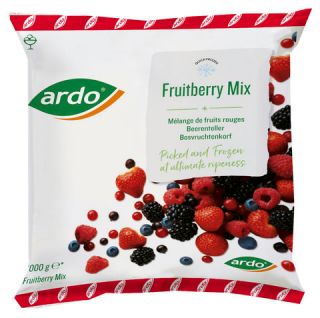
The Spanish Agency for Food Safety and Nutrition has informed the autonomous communities through the Coordinated System of Rapid Information Exchange of an alert notification transferred by the health authorities of Hungary, regarding the presence of Hepatitis A in frozen fruit, of the ARDO brand.

The product involved is the following:

  • Product: Mixture of frozen red berries
  • Product number (on the label): ARDO FRUIT BERRY MIX
  • Trademark: ARDO
  • Appearance, weight and packaging: 1Kg or 2.5Kg plastic packaging
  • Lot number: 58622130 and 58622131
  • Preferred consumption: May 2024
  • Storage temperature: frozen

This product has been alerted in the Coordinated System of Rapid Information Exchange. The manufacturing company and the distribution companies have initiated the withdrawal of the product from sale and the recovery of the product from consumers.

The competent authorities are verifying the withdrawal of the product affected by the marketing channels.

With the information available, there is evidence of a case notified in Hungary, associated with this alert.

It is recommended that people who have this product at home refrain from consuming it and return it to the point of sale.

Netherlands -Safety warning Ardo Forest fruit mix 1kg Coop -Hepatitis A

NVWA

Safety warning Ardo Forest fruit mix 1kg Coop

Coop warns against Ardo Forest Fruit Mix 1kg. The Hepatitis A virus has been found in the product. Do not eat the product!

See the Coop website

Which product is it?

  • Ardo Forest fruit mix
  • Best Before: 11/2024
  • Lot codes: 58622130 and 58622131

You can return the product to the store and receive a refund of the purchase amount. For questions you can call Ann Engelbert van Ardo on telephone number +32 51 31 06 21 (Belgium) or email info@ardo.com

Sincerely

The Dutch Food and Consumer Product Safety Authority

Ireland- Recall of Additional Best Before Dates of Ardo Frozen Fruitberry Mix due to the Presence of Hepatitis A

FSAI

Thursday, 25 August 2022

Summary
Category 1: For Action
Alert Notification: 2022.53 (Update 1)
Product: Ardo Frozen Fruitberry Mix; pack size: 2500g
Batch Code: Lot:58622131; Best before date: All dates in May 2024
Country Of Origin: Poland

Message:

Further to FSAI Food Alert 2022.53, all May 2024 best before dates with the above batch code of Ardo Frozen Fruitberry Mix are being recalled due to the presence of hepatitis A. Point-of-sale recall notices will be displayed in stores supplied with the implicated stock.

Nature Of Danger:

Hepatitis A infection is an acute disease of the liver caused by the hepatitis A virus. Symptoms include fever, loss of appetite, nausea, abdominal pain, and jaundice. Some people experience a fairly mild illness and recover within a couple of weeks. Other people develop more severe symptoms and may take months to fully recover. Older people are more likely to have more severe symptoms and some infected children do not have any symptoms at all. The incubation period (time between initial infection and first symptoms appearing) is on average 28 days but can range from 15 to 50 day.

Action Required:

Inspectors:

A distribution list will be emailed to PEHOs in due course. Please notify the FSAI (foodincidents@fsai.ie) of any concerns.

Manufacturers, wholesalers, distributors, caterers & retailers:

Businesses are requested to remove the implicated batches from sale and to display a point-of-sale recall notice in stores where the affected batches were sold.

Caterers should not use the implicated batches.

Consumers:

Consumers are advised not to eat the implicated batches.

Ardo Frozen Fruitberry Mix

Ireland – Recall of Specific Batches of Fit Foods Breakfast Club Porridge with Mixed Summer Berries Due to the Presence of Hepatitis A

FSAI

Wednesday, 24 August 2022

Summary
Category 1: For Action
Alert Notification: 2022.54
Product: Fit Foods Breakfast Club Porridge with Mixed Summer Berries; pack size: 240g
Batch Code: Use by dates: 26/08/22 and 29/08/22
Country Of Origin: Ireland

Message:

Swift Fine Foods is recalling the above batches of its Fit Foods Breakfast Club Porridge with Mixed Summer Berries due to the presence of Hepatitis A. Point-of-sale recall notices will be displayed in stores supplied with the implicated batches.

Nature Of Danger:

Hepatitis A infection is an acute disease of the liver caused by the hepatitis A virus. Symptoms include fever, loss of appetite, nausea, abdominal pain, and jaundice. Some people experience a fairly mild illness and recover within a couple of weeks. Other people develop more severe symptoms and may take months to fully recover. Older people are more likely to have more severe symptoms and some infected children do not have any symptoms at all. The incubation period (time between initial infection and first symptoms appearing) is on average 28 days but can range from 15 to 50 days.

Action Required:

Manufacturers, wholesalers, distributors, caterers & retailers:

Retailers are requested to remove the implicated batches from sale and to display a point-of-sale recall notice in stores where the affected batches were sold.

Consumers:

Consumers are advised not to eat the implicated batches.

Fit Foods Porridge

Luxembourg – RECALL: ARDO BRAND FROZEN BERRY MIX – Hepatitis A

SAP

The Luxembourg food safety authorities are recalling the following product:

Last name Mix of frozen red fruits
Mark Ardo
Unity 1kg
Date of minimum durability (MDD) 11/11/2024
Batch 58622131

Danger: presence of the hepatitis A virus

Symptoms of hepatitis A can be mild or severe: patients may present, depending on the case, fever, feeling unwell, loss of appetite, diarrhea, nausea, abdominal discomfort, dark urine and jaundice (yellowing of the eyes and skin). Not all infected people have all of these symptoms at once and they usually appear within 14 to 28 days.

If in doubt about the appearance of a symptom after ingestion of the product, please consult a doctor.

Sale in Luxembourg by: Auchan, Massen, Orangerie, Pall Center, Cora Concorde

A sale by other operators cannot be excluded.

Spain – Hepatitis alert: ES2022/247-add2 – Hepatitis A virus in frozen fruit from Belgium

asca

The Spanish Agency for Food Safety and Nutrition has informed the autonomous communities through the Coordinated System of Rapid Information Exchange of an alert notification sent by the health authorities of Hungary, regarding the presence of Hepatitis A in frozen fruit, of the “ARDO” brand.

The product involved is as follows:

  • Product: Frozen red fruit berry mix
  • Product name (on the label): ARDO FRUIT BERRY MIX
  • Trademark: ARDO
  • Appearance, weight and packaging: 1Kg or 2.5Kg plastic packaging
  • Batch number: 58622130 and 58622131
  • Best before: May 2024
  • Storage temperature: frozen

This product has been the subject of an alert in the Coordinated System of Rapid Information Exchange. The manufacturing company and the distribution companies have initiated the withdrawal of the product from sale and the recovery of the product from consumers.

The relevant authorities are verifying the withdrawal of the affected product from the marketing channels.

With the information available, there is evidence of a case notified in Hungary, associated with this alert.

It is recommended that people who have this product at home refrain from consuming it and return it to the point of sale.

AESAN has NOT yet published this alert on its website.

Austria – Ardo Fruitberry Mix -Hepatitis A

AGES

The Ardo Group has decided to recall the product “Ardo Fruitberry Mix” after it became known that a Hungarian laboratory had detected hepatitis A virus in a 2.5 kg pack of this product. The tests were carried out after several visitors fell ill after visiting a restaurant in Hungary, all of whom have now recovered.

The recall affects 2.5 kg packs of batch number: 58622131 with the best before date 05/2024. As a precaution, 1kg packaging with the batch codes 58622130 and 58622131 – MHD 11/2024 are also being recalled.

The product is mainly processed in professional catering establishments and sold through wholesale and cash & carry markets.

All customers who have received the Ardo Fruitberry Mix with the above batch codes have been contacted to stop the sale and destroy the goods.

Contact:
Ms. Ann Engelbert at ann.engelbert@ardo.com or by phone at +32 498 287 243 .

original recall

UK – Ardo NV recalls Ardo Fruitberry mix because Hepatitis A has been found in the product.

FSA

Ardo NV is recalling Ardo Fruitberry mix because Hepatitis A has been found in the product, which makes the product unsafe to eat.

Product details

Ardo Fruitberry mix
Pack size 1kg
Lot number 58622130
Best before November 2024
Ardo Fruitberry mix
Pack size 1kg
Lot number 58622131
Best before November 2024
Ardo Fruitberry mix
Pack size 2.5kg
Lot number 58622131
Best before May 2024

Risk statement

This product is contaminated with Hepatitis A. Symptoms caused by Hepatitis A usually include fever, nausea, abdominal cramps, diarrhoea, dark-coloured urine and jaundice (a yellowing of the skin).

Action taken by the company

Ardo is recalling the above product. Point of sale notices will be displayed in all retail stores that are selling this product. These notices explain to customers why the product is being recalled and tell them what to do if they have bought the product. Please see the attached notice.

Our advice to consumers

If you have bought this product do not eat it. Instead, return it to the store from where it was bought for a full refund.