
histamine (811 mg/kg – ppm) in wrapped tuna sashimi chunks from Sri Lanka, via the United Kingdom in Ireland
histamine (452; 340 mg/kg – ppm) in frozen king fish from Vietnam in the UK

histamine (811 mg/kg – ppm) in wrapped tuna sashimi chunks from Sri Lanka, via the United Kingdom in Ireland
histamine (452; 340 mg/kg – ppm) in frozen king fish from Vietnam in the UK
A catering company in Wales has been fined in relation to five people who became ill from eating mackerel in July 2019.
DM Catering (Pembs) Ltd. was fined £2,550 ($3,300) by Haverfordwest magistrates in late September after pleading guilty to storing foods likely to support the growth of pathogenic microorganisms or the formation of toxins at a temperature above 8 degrees C (46.4 degrees F).
The prosecution was brought by Pembrokeshire County Council’s Environmental Health department.
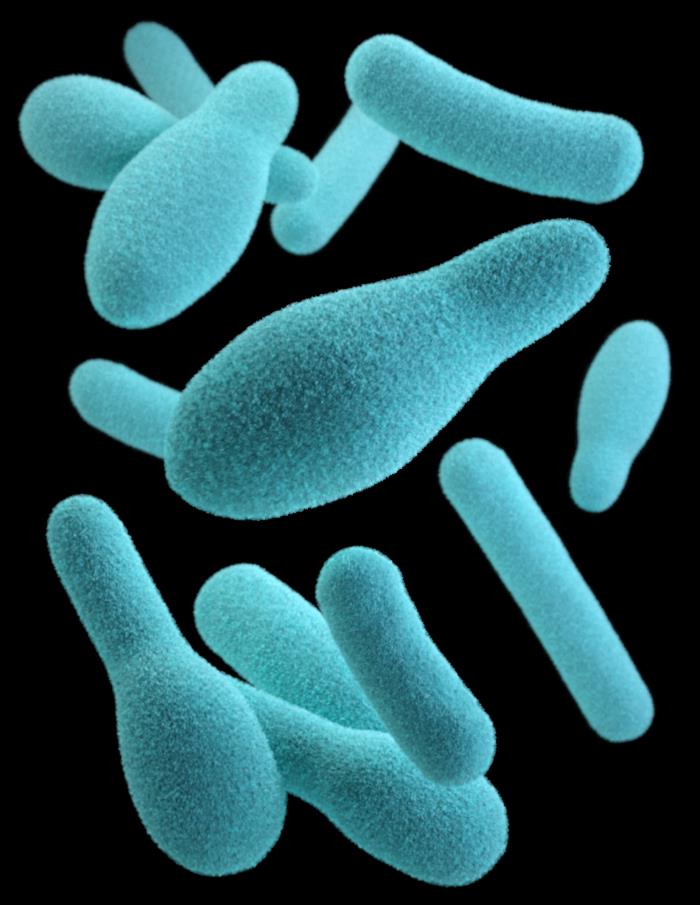
The Food Standards Agency (FSA) has today launched a formal six-week consultation with key stakeholders to inform a review of the guidance on the safety and shelf-life of vacuum and modified atmosphere packed (VP/MAP) chilled beef, lamb and pork.
Currently, the FSA guidance (Opens in a new window)advises that the maximum shelf-life of VP/MAP chilled beef, lamb and pork should be 10 days , unless suitable controls are in place to appropriately reduce associated risks.
This summer the FSA, industry and other partners signed up to a joint statement, committing to working together to review the existing guidance and consider possible changes.
For more information about the consultation and to take part, visit the FSA consultation webpage. The consultation will close on 11 November 2020.
Posted in Bacteria, bacterial contamination, Clostridium botulinum, food contamination, Food Hygiene, Food Illness, Food Micro Blog, Food Microbiology, Food Microbiology Blog, Food Microbiology Research, Food Microbiology Testing, Food Poisoning, Food Safety, Food Technology, Food Temperature Abuse, Food Testing, Food Toxin

This product has high levels of histamine which can cause, quickly after ingestion, digestive or even skin disorders, accompanied by headaches.
Do not consume and return to the point of sale for reimbursement.
People who have consumed this product and present these symptoms are invited to consult their doctor, notifying him of this consumption.
Heat treatments such as cooking do not destroy histamine.
▸ Product
FRESH ALBACORE LONG TUNA SP 4 / 8KG 2P, SUPPLIER MERICQ
▸ Sale
• In the traditional department
• In the Self-service department packed by your fishmonger
From September 11 to September 21
▸ Consumer service contact
For any further information, you can contact the consumer service by dialing the Freephone number: 0 800 13 30 16 (free service and call) from Monday to Friday from 9 am to 7 pm.
▸ Source
https://www.geantcasino.fr/
Brand : AZ. AGR. ARMANNI ANGELO – TREVIOLO (BG)
Name : raw milk cheese – stracchino
Reason for reporting : Recall due to microbiological risk
Publication date : 30 September 2020

Posted in Bacteria, bacterial contamination, Bacterial Toxin, E.coli, food contamination, Food Hygiene, Food Inspections, Food Micro Blog, Food Microbiology, Food Microbiology Blog, Food Microbiology Testing, Food Pathogen, Food Poisoning, food recall, Food Safety, Food Safety Alert, Food Testing, Food Toxin, microbial contamination, Microbiology, Shigatoxin, STEC, STEC E.coli

Image CDC
More than 40 people are sick and almost a third have needed hospital treatment as part of a foodborne Shigella outbreak in Denmark.
From the end of August, 42 people have been registered with shigellosis in the country.
The outbreak is being investigated to try to pinpoint the source of infection and help stop it with experts doing final traceback investigations ahead of plans to reveal results next week.
From Aug. 25 to Sept. 10, 42 cases of shigellosis were reported to the Statens Serum Institut (SSI).
Posted in Bacteria, bacterial contamination, Bacterial Toxin, food bourne outbreak, food contamination, Food Hygiene, Food Illness, Food Inspections, Food Micro Blog, Food Microbiology, Food Microbiology Blog, Food Microbiology Testing, Food Pathogen, Food Poisoning, Food Safety, Food Safety Alert, Food Testing, Food Toxin, foodborne outbreak, foodbourne outbreak, microbial contamination, Microbiology, Shigatoxin, Shigella
Shiga toxin–producing Escherichia coli (STEC) cause substantial and costly illnesses. Leafy greens are the second most common source of foodborne STEC O157 outbreaks. We examined STEC outbreaks linked to leafy greens during 2009–2018 in the United States and Canada. We identified 40 outbreaks, 1,212 illnesses, 77 cases of hemolytic uremic syndrome, and 8 deaths. More outbreaks were linked to romaine lettuce (54%) than to any other type of leafy green. More outbreaks occurred in the fall (45%) and spring (28%) than in other seasons. Barriers in epidemiologic and traceback investigations complicated identification of the ultimate outbreak source. Research on the seasonality of leafy green outbreaks and vulnerability to STEC contamination and bacterial survival dynamics by leafy green type are warranted. Improvements in traceability of leafy greens are also needed. Federal and state health partners, researchers, the leafy green industry, and retailers can work together on interventions to reduce STEC contamination.
Ottawa, September 28, 2020 – The food recall warning issued on September 27, 2020 has been updated to include additional product information. The food recall warning issued on September 27, 2020 has also been amended to correctly identify the affected products. The corrections for these products are marked by an asterisk (*). This additional information was identified during the Canadian Food Inspection Agency’s (CFIA) food safety investigation.
JBS Food Canada ULC is recalling raw, fresh, lean ground beef due to possible E. coli O157 contamination. This product was further processed by other companies into raw ground beef products. Consumers should not consume the recalled products described below.
The following products have been sold exclusively at Provigo Hull, 1 du Plateau, Gatineau, Quebec and Metro (Marché Kelly), 910 Maloney boulevard east, Gatineau, Quebec.
| Brand | Product | Size | UPC | Codes |
|---|---|---|---|---|
| Provigo | Medium ground beef club pack | Variable | Starts with 0 213026 |
All Best Before dates from 23.SE2020 up to and including 28.SE 2020 * |
| Provigo | Medium ground beef | Variable | Starts with 0 214117 |
All Best Before dates from 23.SE2020 up to and including 28.SE 2020 |
| Provigo | Lean ground beef club pack | Variable | Starts with 0 217334 |
All Best Before dates from 23.SE2020 up to and including 28.SE 2020 * |
| Provigo | Lean ground beef | Variable | Starts with 0 217331 |
All Best Before dates from 23.SE2020 up to and including 28.SE 2020 |
| Metro | Lean ground beef | Variable | Starts with 0 201020 |
All « pkgd on » dates from 24.SE 2020 up to and including 26.SE 2020 |
| Metro | Lean ground beef fam. pack | Variable | Starts with 0 201710 |
All « pkgd on » dates from 24.SE 2020 up to and including 26.SE 2020 |
If you think you became sick from consuming a recalled product, call your doctor.
Check to see if you have the recalled products in your home. Recalled products should be thrown out or returned to the store where they were purchased.
Food contaminated with E. coli O157 may not look or smell spoiled but can still make you sick. Symptoms can include nausea, vomiting, mild to severe abdominal cramps and watery to bloody diarrhea. In severe cases of illness, some people may have seizures or strokes, need blood transfusions and kidney dialysis or live with permanent kidney damage. In severe cases of illness, people may die.
This recall was triggered by the company. The CFIA is conducting a food safety investigation, which may lead to the recall of other products. If other high-risk products are recalled, the CFIA will notify the public through updated Food Recall Warnings.
The CFIA is verifying that industry is removing the recalled products from the marketplace.
There have been no reported illnesses associated with the consumption of these products.
Printer ready version of photos


Posted in Bacteria, bacterial contamination, Bacterial Toxin, Biotoxin, CFIA, E.coli, E.coli O157, E.coli O157:H7, food contamination, Food Hygiene, Food Inspections, Food Micro Blog, Food Microbiology, Food Microbiology Blog, Food Microbiology Testing, Food Pathogen, Food Poisoning, food recall, Food Safety, Food Safety Alert, Food Testing, Food Toxin, microbial contamination, Microbiology, Pathogen, STEC, STEC E.coli


