Category Archives: Food Toxin

USA – FDA reports more than 100 pet deaths nationwide linked to recalled pet food

Food Safety News

The Food and Drug Administration has updated the number of pet deaths to 110 in connection to fatal levels of aflatoxin in Midwestern Pet Foods Inc.’s recalled dog and cat food products. In addition to the deaths there are more than 210 pets that are sick after eating Sportmix pet food.

The update comes after multiple Midwestern Pet Foods Inc.’s recalls of dog and cat food products after tests showed levels of aflatoxin that exceed acceptable limits. The pet deaths are associated with lots of Sportmix High Energy. No human illnesses have been reported.

Evansville, IN-based Midwestern Pet Foods Inc. expanded their initial product recall on Jan. 11 to include all pet foods containing corn and manufactured in the company’s Oklahoma plant, and having an expiration date on or before July 9, 2022.

The recalled pet foods were distributed nationally to online distributors and retail stores.

Research – Monitoring online posts by consumers could help improve food safety

Phys Org

An estimated 48 million cases of foodborne illness are contracted in the United States every year, causing about 128,000 hospitalizations and 3,000 deaths, according to the Centers for Disease Control (CDC). In some instances, the source is well known, such as a batch of tainted ground beef that infected 209 people with E. Coli in 2019. But 80 percent of food poisoning cases are of unknown origin, making it impossible to inform consumers of hazardous food items.

David Goldberg, assistant professor of management information systems at San Diego State University, wants to improve the traceability and communication of risky  products. In a new study published by the journal Risk Analysis, his research team proposes a new Food Safety Monitoring System (FSMS) that utilizes consumer comments posted on websites to identify products associated with food-related illnesses.

The researchers utilized an AI technology called text mining to analyze comments and reviews from two websites: Amazon.com, the world’s largest e-commerce retailer, and IWasPoisoned.com, a site where consumers alert others to cases of food poisoning. The database consisted of 11,190 randomly selected Amazon reviews of “grocery and canned food” items purchased between 2000 and 2018, along with 8,596 reviews of food products posted on IWasPoisoned.com. These two datasets allowed the researchers to test the text mining tools before analyzing 4.4 million more Amazon reviews.

USA – FDA Alert: Certain Lots of Sportmix Pet Food Recalled for Potentially Fatal Levels of Aflatoxin

FDA

The U.S. Food and Drug Administration, in cooperation with the state departments of agriculture for Missouri, Oklahoma, Arkansas, Kansas, Kentucky, Louisiana, New Mexico, Oregon, Texas, and Washington, is investigating certain Sportmix pet food products manufactured by Midwestern Pet Foods, Inc. that may contain potentially fatal levels of aflatoxins. 

On January 11, 2021, Midwestern Pet Foods expanded the recall to include additional products that contain corn and were made in their Oklahoma manufacturing plant.

On January 25, 2021, FDA added a list of countries to which the recalled product may have been exported by Midwestern Pet Foods. 

Fast Facts

  • FDA is alerting pet owners and veterinary professionals about certain Sportmix pet food products (see list below) manufactured by Midwestern Pet Foods, Inc. in their Oklahoma plant that may contain potentially fatal levels of aflatoxins.
  • As of January 21, 2021, FDA is aware of more than 110 pets that have died and more than 210 pets that are sick after eating Sportmix pet food. Not all of these cases have been officially confirmed as aflatoxin poisoning through laboratory testing or veterinary record review. This count is approximate and may not reflect the total number of pets affected.
  • This is an ongoing investigation. Case counts and the scope of this recall may expand as new information becomes available.
  • Aflatoxins are toxins produced by the mold Aspergillus flavus, which can grow on corn and other grains used as ingredients in pet food. At high levels, aflatoxins can cause illness and death in pets.
  • Pets experiencing aflatoxin poisoning may have symptoms such as sluggishness, loss of appetite, vomiting, jaundice (yellowish tint to the eyes or gums due to liver damage), and/or diarrhea. In severe cases, this toxicity can be fatal. In some cases, pets may suffer liver damage but not show any symptoms.
  • Pet owners should stop feeding their pets the recalled products listed below and consult their veterinarian, especially if the pet is showing signs of illness.  The pet owner should remove the food and make sure no other animals have access to the recalled product.
  • FDA is asking veterinarians who suspect aflatoxin poisoning in their patients to report the cases through the Safety Reporting Portal or by calling their local FDA Consumer Complaint Coordinators. Pet owners can also report suspected cases to the FDA.

Midwestern Pet Foods, Inc. may have exported the recalled product to one consignee, respectively, in each of the following countries: Bahrain, Barbados, Chile, Costa Rica, Curacao, Cyprus, Czech Republic, Ecuador, El Salvador, French Polynesia, Ghana, Guatemala, Honduras, Hong Kong, Iceland, Indonesia, Ireland, Israel, Korea, Kuwait, Lebanon, Lithuania, Malaysia, Mexico, New Zealand, Nicaragua, Panama, Peru, Singapore, Taiwan, Trinidad, Ukraine, UAE, Uruguay, and Vietnam.

Information – Food Safety During Pregnancy

MPI

FW20017: Food Safety During Pregnancy
Most foods and drinks are safe to consume during pregnancy. But there are some products pregnant women should be careful with or avoid. Public Health and Food Safety authorities in most OECD countries provide risk communication material related to food safety during pregnancy. Such a resource is available on the New Zealand Food Safety (NZFS) website.
However, this advice was published in 2007 and was based on information available then. Since that time a range of new foods has been introduced and become popular in the diet of New Zealanders, while there is improved understanding over which foods might be a risk.
NZFS wants to ensure the food safety advice for pregnancy remains current with the latest science and dietary practices for New Zealand.It is important that food safety advice for pregnant women captures all of the foods that could be a risk, however it needs to balance this with ensuring pregnant women can maintain a varied diet and have access to the widest source of nutrition without being overly restrictive.
To achieve this a research project was commissioned to the Institute of Environmental Science and Research Limited (ESR) to provide a scientifically robust background for updating food safety advice for pregnant women. Food safety considerations are focused on Listeria monocytogenes, Toxoplasma gondii, mercury and caffeine, as these four hazards have known specific impacts on the foetus.
Other microbiological and chemical hazards were not targeted as the risks are not pregnancy specific and food safety advice for the general public is also applicable for pregnant women. This report is restricted to food safety issues and does not cover advice on healthy nutrition during pregnancy.Maternal exposure to the microbiological hazards Listeria monocytogenes and Toxoplasma gondii is strongly linked to adverse effects on the foetus. For two other microbiological hazards, Salmonella spp. and Campylobacter spp., associated with adverse outcomes specific to the pregnancy period, the supporting epidemiological evidence is weaker.
The report has examined up-to-date information on these two other hazards and provided safety advice where relevant.The research examined data on complex changes in the maternal immune system that include both down regulation and up regulation of aspects of the immune system. Evidently pregnant women may be more susceptible to some infections than non-pregnant women, but no more susceptible to most types of infections. However, the complications of common infections in pregnant women can be more severe.
The main outcome of the research is an evaluation of evidence for food safety advice during pregnancy. The report included an evaluation of all food groups listed in the current New Zealand Food Safety’s guide to food safety in pregnancy. Consideration was also given to a small number of foods that were not previously evaluated in relation to pregnancy. Additional advice was proposed for these foods. NZFS agrees with the suggestion that advice should

New Zealand Food Safety Food Safety During Pregnancy be included in the guide for sprouts, recommending that these foods are not eaten unless cooked; for dried herbs recommending thorough cooking and a recommendation to not drink unpasteurised fruit juice and cider (non-alcoholic). The report confirmed that in most cases, New Zealand Food Safety’s advice on foods to eat or not eat during pregnancy are consistent with the available scientific evidence.
In a small number of instances, suggestions were made to better align the advice with the current available evidence. NZFS agrees with these suggestions and intends to expand the advice accordingly. Based on the evidence provided NZFS agrees that the current advice related to low acid soft pasteurised cheeses (e.g. Brie, Camembert, blue, ricotta, mozzarella, feta) should be strengthened to recommend that pregnant women do not eat these cheeses unless cooked.The report supports NZFS’s intention to make its advice on a range of commercial pasteurised dairy products with relatively short shelf-life less restrictive. Currently the advice is to dispose products like pasteurised milk or yoghurt after two days of opening.
The reviewed scientific evidence identified that, if that the products are refrigerated in original packaging and care is taken not to contaminate lids when using, it is safe to follow manufacturer’s advice on the package. Suggested modifications will allow pregnant women better planning of their daily diets and will also reduce unnecessary food wastage.
The report has suggested the current advice related to soft serve ice cream be reconsidered. However, NZFS’s opinion is that, given the likelihood of Listeria sloughing into the product through its processing, current advice to avoid this product during pregnancy is adequate. For some foods the scientific evidence is not currently strong enough to support specific food safety advice on these foods, although the available evidence suggests they may represent potentially emerging risk foods for pregnant women. A brief summary of such foods is provided at the end of the report. NZFS will follow up on any new scientific research related to these products.

Canada – Food Recall Warning – Clover Leaf brand Sardines Boneless Fillets – Garlic & Chive in Oil and Sardines Boneless Fillets – Smoked Jalapeño in Oil recalled due to potential presence of dangerous bacteria – Clostridium botulinum

CFIA

Recall details

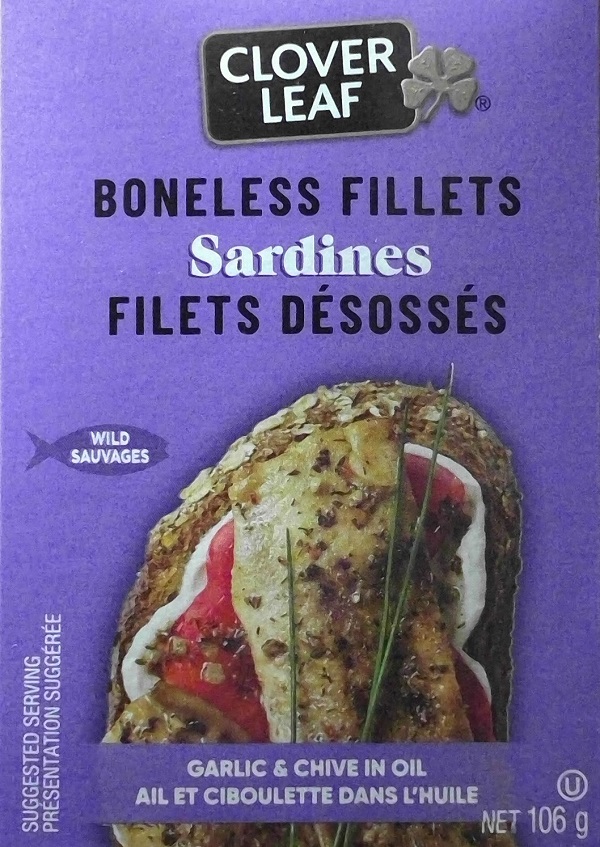
Ottawa, January 22, 2021 – Clover Leaf Seafoods Corp. is recalling Clover Leaf brand Sardines Boneless Fillets – Garlic & Chive in Oil and Sardines Boneless Fillets – Smoked Jalapeño in Oil from the marketplace because they may permit the growth of Clostridium botulinum. Consumers should not consume the recalled products described below.

Recalled product

Brand Product Size UPC Codes
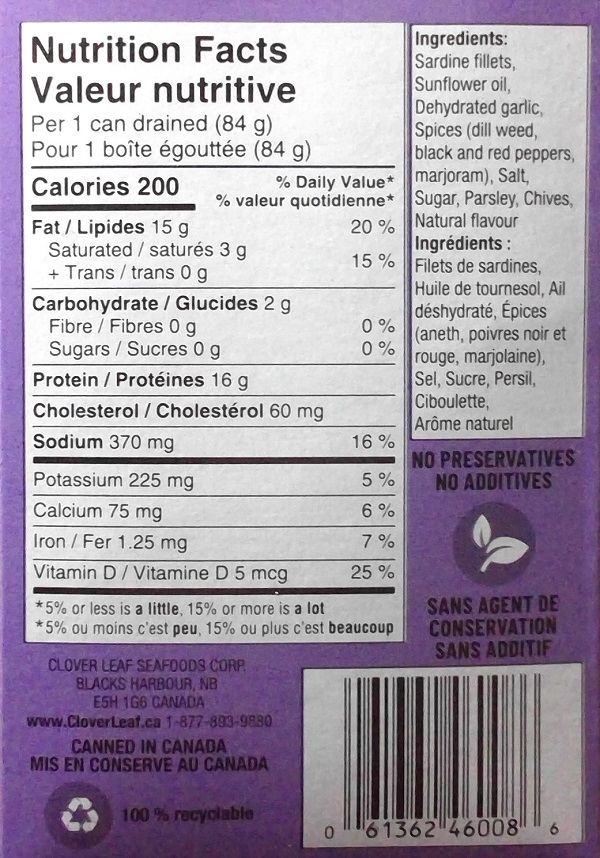
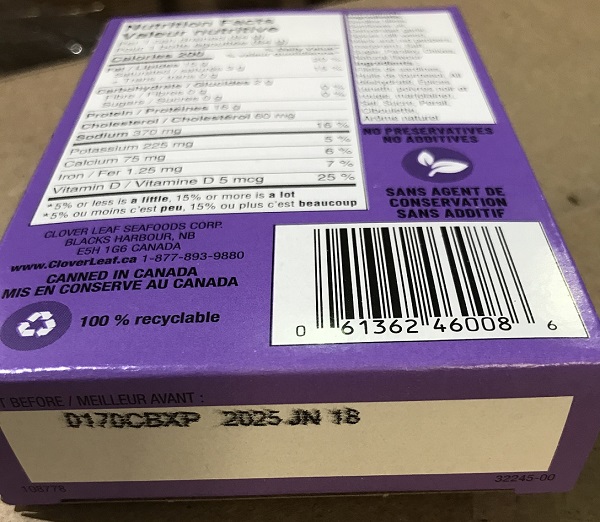
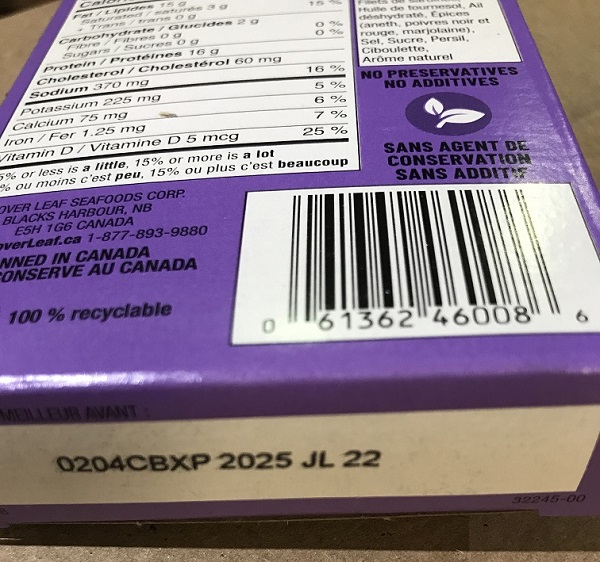
Clover Leaf Sardines Boneless Fillets – Garlic & Chive in Oil 106 g 0 61362 46008 6

0170CBXP 2025 JN 18

0204CBXP 2025 JL 22

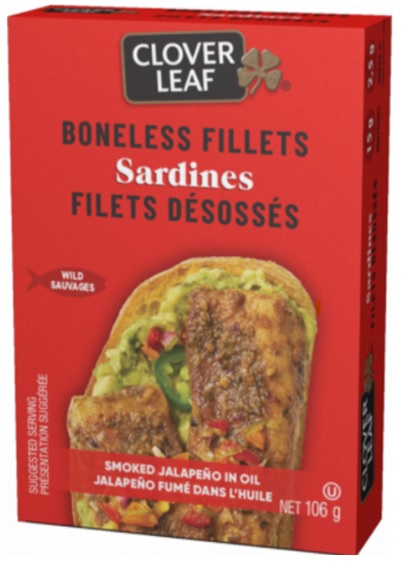
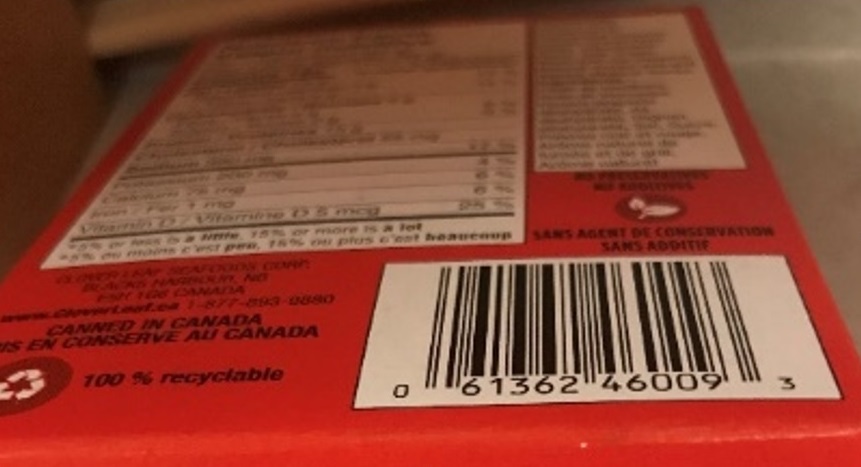
Clover Leaf Sardines Boneless Fillets – Smoked Jalapeño in Oil 106 g 0 61362 46009 3

0171CBXP 2025 JN 19

0218CBXP 2025 AU 05

0307CBXS 2025 NO 02

What you should do

If you think you became sick from consuming a recalled product, call your doctor.

Check to see if you have the recalled products in your home. Recalled products should be thrown out or returned to the store where they were purchased.

Food contaminated with Clostridium botulinum toxin may not look or smell spoiled but can still make you sick.

Symptoms in adults can include facial paralysis or loss of facial expression, unreactive or fixed pupils, difficulty swallowing, drooping eyelids, blurred or double vision, difficulty speaking, including slurred speech, and a change in sound of voice, including hoarseness.

Symptoms of foodborne botulism in children can include difficulty swallowing, slurred speech, generalized weakness and paralysis. In all cases, botulism does not cause a fever. In severe cases of illness, people may die.

Background

This recall was triggered by the company. The Canadian Food Inspection Agency (CFIA) is conducting a food safety investigation, which may lead to the recall of other products. If other high-risk products are recalled, the CFIA will notify the public through updated Food Recall Warnings.

The CFIA is verifying that industry is removing the recalled products from the marketplace.

Illnesses

There have been no reported illnesses associated with the consumption of these products.

Product photos

Printer ready version of photos

  • Clover Leaf – Sardines Boneless Fillets – Garlic & Chive in Oil – 106 grams (front)
  • Clover Leaf – Sardines Boneless Fillets – Garlic & Chive in Oil – 106 grams (back)
  • Clover Leaf – Sardines Boneless Fillets – Garlic & Chive in Oil – 106 grams (lot code - JN)
  • Clover Leaf – Sardines Boneless Fillets – Garlic & Chive in Oil – 106 grams (lot code - JL)
  • Clover Leaf – Sardines Boneless Fillets – Smoked Jalapeño in Oil – 106 grams(front)
  • Clover Leaf – Sardines Boneless Fillets – Smoked Jalapeño in Oil – 106 grams(back)

Public enquiries and media

Company information
Clover Leaf Seafoods Corp.: Consumer Affairs Recall Line, 1-888-686-1535
Public enquiries
Toll-free: 1-800-442-2342 (Canada and U.S.)
Telephone: 1-613-773-2342 (local or international)
Email: cfia.enquiries-demandederenseignements.acia@canada.ca
Media relations
Telephone: 613-773-6600
Email: cfia.media.acia@canada.ca

Research – High risk of potential diarrheagenic Bacillus cereus in diverse food products in Egypt

Journal of Food Protection

bacillus

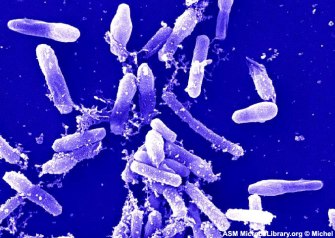
Bacillus cereus is one of the important foodborne pathogens that can be found in various foodstuffs; causing diarrheal and/or emetic syndromes. This study aimed to evaluate the prevalence, antimicrobial susceptibility profile, pathogenic potential, and genotypic diversity of B. cereus isolated from diverse food products from markets in Cairo, Egypt. A total of 39 out of 165 food samples were positive for B. cereus (detection rate of 24%) with a contamination level ranged from 2 to 6 log CFU/g and a higher incidence of > 3 log bacterial count. Antimicrobial susceptibility testing showed that B. cereus isolates were fully sensitive to all tested antimicrobial agents except β-lactams. The pathogenic potential of the 39 B. cereus isolates was assessed by detecting and profiling the secreted virulence or toxin encoding genes including the chromosomal-carried genes hblA , bceT , plc , sph , nheA , entFM , cytK associated with the diarrheal syndrome and the plasmid-carried ces gene associated with the emetic syndrome. The most frequently detected  genes were hblA , nheA and entFM . All isolates harbored more than one of the diarrheal enterotoxins encoding genes with the genetic profile hblA-bceT-nheA-entFM-cytK-plc-sph was the most prevalent (in 20/39 isolates). The emetic toxin ces was not detected at all. ERIC-based analysis of the 20 B. cereus isolates harboring the prevalent genetic profile revelated that they were genetically distinct. In conclusion, the findings of this study provide useful information for public health management and serve as a warning of the potential risk of diarrheagenic B. cereus in diverse food products. Therefore, the consideration to extensively study the epidemiology of this food pathogen in Egypt is warranted. Additionally, strict procedures should be applied to monitor, protect, and safely handle food products, particularly ready to eat foodstuffs that are usually consumed without heat treatment.

Iceland – Mold poison in Sportmix cat food -Mycotoxin -Aflatoxin

MAST

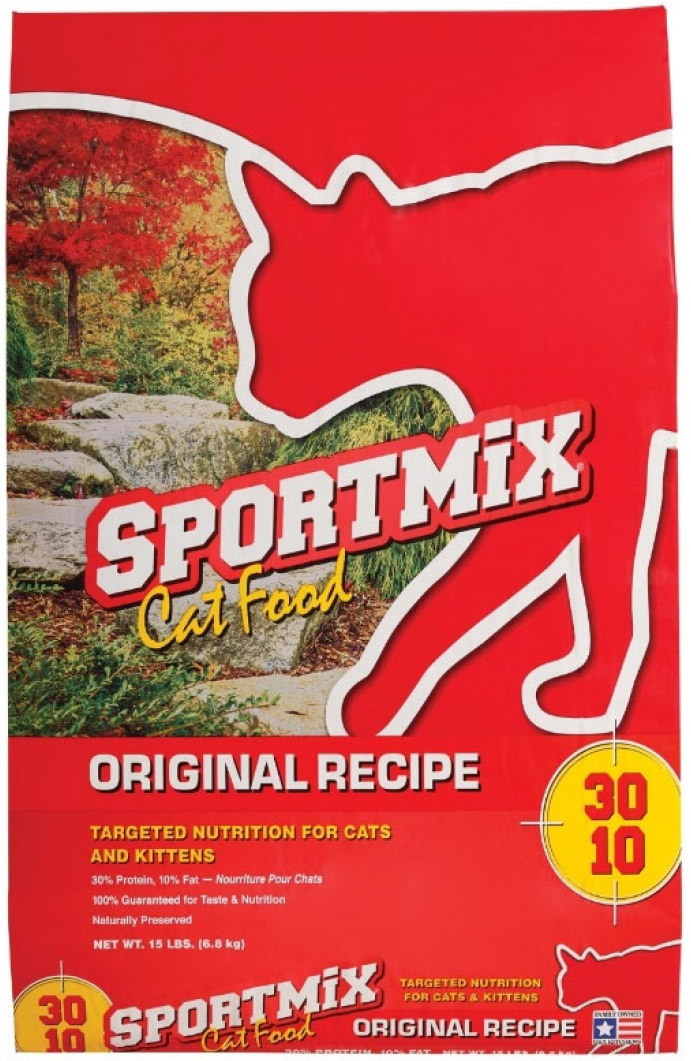
Matvælastofnun warns against  Sportmix original cat food cat food  from  Midwestern pet food  in 6.8 kg bags due to aflatoxin mold toxin. The company Pak ehf. has recalled the feed with the help of the Food Administration. The feed was taken from online sales at the end of December and buyers were contacted. 

The recall only applies to the following batches:

  • Product name: Sportmix original cat food
  • Weight: 6.8 kg (15 lbs)
  • Manufacturer: Midwestern pet foods
  • Batch number: All dates before or 07.09.22 / batch number 07092021L3 05
  • Country of manufacture: United States
  • Importer: Pak ehf., Strandgata 32, 220 Hafnarfjörður
  • Distribution:  https://www.litlagaeludyrabudin.is/netverslun/

Sportsmix cat food

Parties who own this feed are advised to return it to PAK ehf., Melabraut 19, 220 Hafnarfjörður or call 517 8119.

Aflatoxin is a poison produced by the fungus Aspergillus flavus  which can grow on maize and other grains used in pet food. If the poison is high in the product, it can cause illness or even death.

RASFF Alerts – Aflatoxin – White Rice – Pistachios

European Food Alerts

RASFF

aflatoxins (B1 = 3 µg/kg – ppb) in white rice from Pakistan in Spain

RASFF

aflatoxins (B1 = 24; Tot. = 27 µg/kg – ppb) in pistachios from Turkey in Belgium

Hong Kong – Prevention and Reduction of Aflatoxin Contamination in Peanuts

Click to access Peanuts_and_Aflatoxins_Guideline_e.pdf

Research – Bacillus cereus food poisoning with fatal multi-organ failure.

BMJ

bacillus

This case represents a rare fulminant course of fried-rice associated food poisoning in an immunocompetent person due to pre-formed exotoxin produced by Bacillus cereus, with severe manifestations of sepsis, including multi-organ (hepatic, renal, cardiac, respiratory and neurological) failure, shock, metabolic acidosis, rhabdomyolysis and coagulopathy. Despite maximal supportive measures (continuous renal replacement therapy, plasmapheresis, N-acetylcysteine infusion and blood products, and broad-spectrum antimicrobials) and input from a multidisciplinary team (consisting of infectious diseases, intensive care, gastroenterology, surgery, toxicology, immunology and haematology), mortality resulted. This case is the first to use whole genome sequencing techniques to confirm the toxigenic potential of B. cereus. It has important implications for food preparation and storage, particularly given its occurrence in home isolation during the COVID-19 pandemic.

View Full Text