Authorities in New Zealand have tightened the import rules around tahini and halva from Syria following a recall and outbreak.
An outbreak of Salmonella Kintambo earlier this year involved three patients who had consumed sesame-based products from Syria. Two people were hospitalized. Sequencing of clinical isolates showed cases were closely genetically related and had the same sequence type as in an ongoing European outbreak linked to the same type of products.
In July, Middle East recalled specific batches of Algota brand Sesame Tahini because of the possible presence of Salmonella.
New Zealand Food Safety testing of tahini and halva products found Salmonella Kintambo, Salmonella Amsterdam and Salmonella Orion.
The agency has amended the sampling plan for such high risk products. Changes mean all consignments of crushed sesame seed products, such as tahini and halva, must be sampled and tested for Salmonella, when exported from Syria or if they originate from the country.
CONLEY, GA – 9/20/22 – GHGA is recalling various products (see chart below) due to the potential to be contaminated with Listeria monocytogenes. No other GHGA products are affected by this recall. Listeria monocytogenes is an organism which can cause serious and sometimes fatal infections in young children, frail or elderly people, and others with weakened immune systems. Although healthy individuals may suffer only short- term symptoms such as high fever, severe headache, stiffness, nausea, abdominal pain and diarrhea, a Listeria monocytogenes infection can cause miscarriages and stillbirths among pregnant women.
To date, we are not aware of any illnesses linked to this recall. Please see attached photos for further identification.
On 9/16/22 the firm was notified by their laboratory that a single sample of a product tested positive for Listeria monocytogenes.
The products were sold to Kroger and distributed to retail stores on 9/11/22. The Sell-by Date has expired, and products were previously removed from store shelves and are no longer for sale. However, products could still be in possession of consumers. The Sell By Dates and Lot numbers are located on the top primary label of each product. These products were packaged in clear plastic containers and sold primarily in Kroger stores in the produce or deli sections in the states of: Alabama, South Carolina, and Georgia
Consumers who have purchased these products are urged to return them to the place of purchase for a full refund or they may discard the product. Consumers with questions can call Customer Service at (888) 449-9386 M-F 8am – 4pm PST.
GHGA has notified Kroger and they have directed their stores to remove the products from the shelves.
This recall is being made with the knowledge of the Food and Drug Administration.
In an inspection by the Food Service of the Tel Aviv Health Bureau, salmonella bacteria was found in a frozen kebab product in a 1 kg package from the Yossi Cohen Butchers brand.
DekaMarkt will immediately remove DekaVers Buffelmozzarella Piccolini 125g with an expiration date of 8-10-2022 from the shelves.
Checks have shown that this product may contain Listeria.
Customers are urged not to consume the product.
Which product is it? • DekaFresh Buffalo Mozzarella Piccolini 125g
• Bar code: 8716215006837
• Best before dates: 8-10-2022 Customers who have purchased a product can return it to the store. They get their money back. A purchase receipt is not necessary.
For more information, customers can contact customer service via 088-3135555 or via https://www.dekamarkt.nl .
Sincerely
The Dutch Food and Consumer Product Safety Authority
The Ministry of Health has announced the food withdrawal by the producer of the batch of Alesto branded peanuts in shell which are marketed and sold by the well-known Lidl chain.
The reason for the umpteenth recall is shocking: traces of aflatoxins were found beyond the permitted limits.
The packs to which the recall refers are those from 500 grams with lot number 19522P and the minimum storage term 07/2023.
As a precaution, the company has asked to return the following product to the store where the following product was purchased in order to initiate the refund procedures.
Kyoto Prefecture announced on the 15th that a woman in her 90s who complained of diarrhea and abdominal pain after eating beef yukhoe sold by MEAT & FRESH TAKAMI, a meat dealer in Uji City, Kyoto Prefecture, died. Enterohemorrhagic E. coli O157 was detected in the woman’s stool.
In addition, 22 men and women between the ages of 9 and 87 who ate yukhoe and roast beef at this restaurant complained of similar symptoms, and O157 was detected in 12 people including asymptomatic people. The prefectural government determined that these foods were the cause of the food poisoning.
On August 27, the deceased woman ate yukhoe sold as “rare steak” at home, and developed symptoms on September 2. She died in hospital on the 15th. Twenty-two ate from August 21-26.
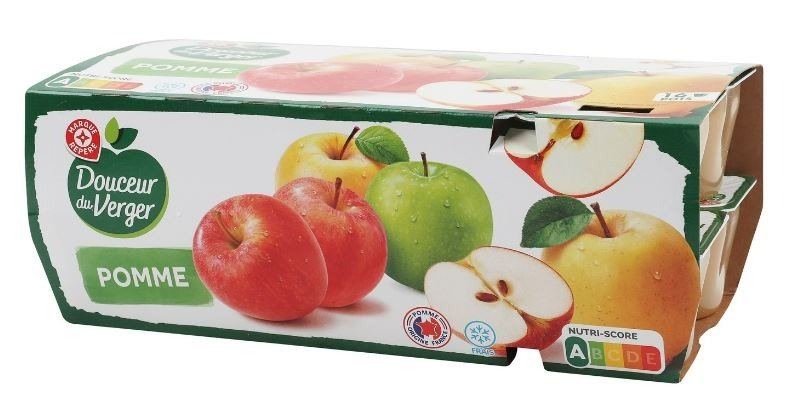
Marketing start/end date From 05/08/2022 to 19/09/2022
Storage temperature Product to be stored in the refrigerator
Further information Only products bearing the additional code 08 following the barcode are affected by the recall.
Geographic area of sale Whole France
Distributors E.LECLERC
Practical information regarding the recall
Reason for recall Presence of Patulin beyond regulatory limits
Risks incurred by the consumer Patulin
Additional description of the risk Mycotoxins are substances produced by microscopic fungi. These substances can present a health risk in the event of significant and repeated consumption over the long term.