Category Archives: Food Microbiology Research

USA – Albertsons Companies Voluntarily Recalls Five Ready Meals and Store-Made Taco Kits Containing a Recalled Cheese Ingredient Due to Possible Listeria monocytogenes Contamination

FDA

BOISE, Idaho — Feb. 8, 2024 — Albertsons Companies has voluntarily recalled five ReadyMeals and store-made taco kits supplied by Fresh Creative Foods due to possible Listeria monocytogenes contamination. The select meals and kits contain a recalled cheese ingredient supplied by Rizo-López Foods, Inc., of Modesto, California.

The FDA and CDC, in collaboration with state and local partners, are investigating illnesses in a multi-year, multistate outbreak of Listeria monocytogenes infections linked to queso fresco and cotija cheeses manufactured by Rizo-Lopez Foods. Rizo-López Foods’ recall announcement can be found here.

Listeria monocytogenes is an organism that can cause serious and sometimes fatal infections in young children, frail or elderly people and others with weakened immune systems. Although healthy individuals may suffer only short-term symptoms such as high fever, severe headache, stiffness, nausea, abdominal pain and diarrhea, Listeria infection can cause miscarriages and stillbirths among pregnant women. Anyone concerned about an injury or illness should contact a healthcare provider.

Consumers who have purchased these items are urged not to consume these products and to dispose of them or return the items to their local store for a full refund. The FDA recommends in these cases that anyone who purchased or received any recalled products to use extra vigilance in cleaning and sanitizing any surfaces and containers that may have come in contact with these products to reduce the risk of cross-contamination. Listeria monocytogenes can survive in refrigerated temperatures and can easily spread to other foods and surfaces.

The ReadyMeals and store-made taco kits and meals were available for purchase at the following banner stores: Albertsons, Carrs-Safeway, Eagle, Lucky, Pavilions, Randalls, Safeway, Shaw’s, Star Market, Tom Thumb and Vons in Alaska, Arizona, Arkansas, California, Colorado, Idaho, Louisiana, Maine, Massachusetts, Montana, Nebraska, Nevada, New Hampshire, New Mexico, North Dakota, Oregon, Rhode Island, South Dakota, Texas, Utah, Vermont, Washington and Wyoming.

Consumers with questions should contact Albertsons Companies’ Customer Service Center at 1-877-723-3929 Monday through Friday from 5 a.m. to 9 p.m. PST.

Product Recall Details:

Product Name UPC Size Sell Thru
Dates
Store Banners States
READY MEALS CHICKEN STREET TACOS 271316

00000

24 OZ; 22

OZ (SHAW’S ONLY)

All Sell Thru dates up to and including Feb. 10, 2024 Albertsons, Safeway, Eagle, Carrs-Safeway, Pavilions, Vons, Randalls, Tom Thumb, Shaw’s, Star Market AK, AR, CA, CO, ID, LA, MA, ME, NE, NH, NM, OR, RI, SD, TX, VT, WA, WY
READY MEALS CHICKEN STREET TACOS MEAL 271796

00000

9 OZ; 10

OZ (SHAWS/ SOUTHWEST ONLY)

All Sell Thru dates up to and including Feb. 10, 2024 Albertsons, Safeway, Lucky, Shaw’s, Star Market, Randalls, Tom Thumb, Vons AR, AZ, CO, ID, LA, MA, ME, MT, ND, NE, NH, NM, NV, OR, RI, SD, TX, UT, VT, WY
CHICKEN MINI STREET TACO MEAL KIT 211925

00000

22 OZ All Sell Thru dates up to and including Feb. 10, 2024 Albertsons, Safeway, Eagle, Carrs-Safeway AK, ID, WA
CHICKEN ASADA STREET TACO MEAL 299393

00000

16 OZ All Sell Thru dates up to and including Feb. 10, 2024 Albertsons, Safeway, Eagle, Carrs-Safeway, Pavilions, Vons AK, CA, ID, WA
READY MEALS ASADA STREET TACO MEAL 299391

00000

22 OZ All Sell Thru dates up to and including Feb. 10, 2024 Shaw’s, Star Market, Albertsons, Vons, Safeway, Pavilions AZ, CA, MA, ME, NH, NM, NV, RI, TX, UT, VT

FDA Outbreak Investigation


Company Contact Information

Consumers:
Albertsons Companies’ Customer Service Center
 1-877-723-3929

Research – Investigating bacteriophages as a novel multiple-hurdle measure against Campylobacter: field trials in commercial broiler plants

Nature

Abstract

Campylobacter mitigation along the food production chain is considered effective for minimizing the public health burden of human campylobacteriosis. This study is the first combining different measures in a multiple-hurdle approach, using drinking water additives and feed additives in single and combined application schemes in commercial broiler plants. Broiler chickens in the study groups were naturally contaminated with Campylobacter. Application of an organic acid blend via drinking water, consisting of sodium propionate, potassium sorbate, and sodium diacetate, resulted in significant reductions of up to 4.9 log10 CFU/mL in fecal samples and in cecal samples at slaughter. The application of a phage mixture, consisting of Fletchervirus phage NCTC 12673 and Firehammervirus phage vB_CcM-LmqsCPL1/1, resulted in reductions of up to 1.1 log10 CFU/mL in fecal samples 1 day after dosing. The sole administration of curcumin via feed resulted in small and inconsistent reductions. In the group receiving a combination of all tested measures, reductions of up to 1.1 log10 CFU/mL were observed. Based on the results of our field trials, it was shown that both the sole application and the combined application of mitigation measures in primary production can reduce the Campylobacter load in broiler chickens, while no synergism could be observed.

Research – Antibacterial action of slightly acidic electrolytic water against Cronobacter sakazakii and its application as a disinfectant on high-risk contact surfaces

Frontiers In.org

Powdered infant formula (PIF) is prone to Cronobacter sakazakii (C. sakazakii) contamination, which can result in infections that endanger the lives of newborns and infants. Slightly acidic electrolytic water (SAEW) has shown antibacterial effects on a variety of foodborne pathogens and has a wide applicability in the food industry. Here, the antibacterial activity of SAEW against C. sakazakii and its use as a disinfectant on contact surfaces with high infection transmission risk were investigated. The inactivation of SAEW on C. sakazakii was positively correlated to the SAEW concentration and treatment time. The antibacterial effect of SAEW was achieved by decreasing the intracellular adenosine triphosphate (ATP), K+, protein, and DNA contents of C. sakazakii, reducing the intracellular pH (pHin) and destroying the cell morphology, which led to inactivation of C. sakazakii ultimately. To test the applicability of this study, the results showed that approximately 103 CFU/cm2 of C. sakazakii were successfully inactivated on stainless steel and rubber surfaces after a 30 mg/L SAEW treatment for 20 s. These results indicate the antibacterial mechanism and potential application of SAEW against C. sakazakii, as well as a new strategy for the prevention and control of C. sakazakii on stainless steel and rubber surfaces.

Research – Troubleshooting high laboratory pasteurization counts in organic raw milk requires characterization of dominant thermoduric bacteria, which includes non-spore formers as well as spore formers

Science Direct

ABSTRACT

Laboratory Pasteurization Count (LPC) enumerates thermoduric bacteria and is one parameter used to assess raw milk quality. While there is currently no regulatory limit for LPC, LPC data are used by some dairy processors and cooperatives to designate raw milk quality premiums paid to farmers and may also be used for troubleshooting bacterial contamination issues. Despite occasionally being used as a proxy for levels of bacterial spores in raw milk, there is limited knowledge of the types of organisms that are enumerated by LPC in contemporary raw milk supplies. While historical studies have reported that thermoduric bacteria quantified by LPC may predominantly represent Gram-positive cocci, updated knowledge on microbial populations enumerated by LPC in contemporary organic raw milk supplies is needed. To address this gap, organic raw milk samples from across the United States (n = 94) were assessed using LPC, and bacterial isolates were characterized. LPC ranged from below detection (<0.70 log cfu/mL) to 4.07 log cfu/mL, with a geometric mean of 1.48 log cfu/mL. Among 380 isolates characterized by 16S rDNA sequencing, 52.6%, 44.5%, and 2.4% were identified as Gram-positive sporeformers, Gram-positive non-sporeformers, and Gram-negatives, respectively, and 0.5% that could not be categorized into those groups because they could only be assigned a higher level of taxonomy. Isolates identified as Gram-positive sporeformers were predominantly Bacillus (168/200) and Gram-positive non-sporeformers were predominately Brachybacterium (56/169) and Kocuria (47/169). To elucidate if the LPC level can be an indicator of the type of thermoduric (e.g., sporeforming bacteria) present in raw milk, we evaluated the proportion of sporeformers in raw milk samples with LPC of ≤100 cfu/mL, 100 to 200 cfu/mL, and ≥200 cfu/mL (51%, 67%, and 35%), showing a trend for sporeformers to represent a smaller proportion of the total thermoduric population when LPC increases, although overall linear regression showed no significant association between the proportion of sporeformers and the LPC concentration. Hence, LPC level alone provides no insight into the makeup of the thermoduric population in raw milk and further characterization is needed to elucidate the bacterial drivers of elevated LPC in raw milk. We therefore further characterized the isolates from this study using matrix-assisted laser desorption/ionization time of flight mass spectrometry (MALDI-TOF MS), a rapid microbial identification tool that is more readily available to dairy producers than 16S rDNA PCR and sequencing. While our data indicated agreement between 16S and MALDI-TOF MS for 66.6% of isolates at the genus level, 24.2% and 9.2% could not be reliably identified or were mischaracterized using MALDI-TOF, respectively. This suggests that further optimization of this method is needed to allow for accurate characterization of thermoduric organisms commonly found in raw milk. Ultimately, our study provides a contemporary perspective on thermoduric bacteria selected by the LPC method and establishes that the LPC alone is not sufficient for identifying the bacterial drivers of LPC levels. Further development of rapid characterization methods that are accessible to producers, cooperatives, and processors will support milk quality troubleshooting efforts and ultimately improve outcomes for dairy industry community members.

Research – The Science of Shiga Toxin-Producing (Verotoxin-Producing) Escherichia coli (STEC): An Ongoing One Health Journey toward Improved Health and Food Safety—Editorial Summary

MDPI

Verotoxigenic Escherichia coli (VTEC), also termed Shiga toxin-producing Escherichia coli (STEC), is a human pathogen transmitted by food, water, animals, and their environment, and from one person to another [1]. The pathogen typically causes diarrheal illness but can also cause severe systemic disease, particularly in children and the elderly [1]. Virulence is associated with a type III secretion system, which enables injection of bacterial effector proteins into host cells [2]. In addition, Shiga toxins can damage the kidneys and lead to hemolytic uremic syndrome (HUS). No specific treatment is available for STEC infection. To date, there have been advances in the epidemiology, pathogenesis, and genomics of STEC, many of which are discussed in this Special Issue: “The Science of Shiga Toxin-Producing (Verotoxin-Producing) Escherichia coli (STEC): An Ongoing One Health Journey toward Improved Health and Food Safety”, with new data and novel methodologies and technologies to enhance our understanding. In the present day, dangerous outbreaks still occur. In September 2023, Canada experienced an outbreak linked to children daycares which resulted in 446 cases of the disease, with 38 children hospitalized and 23 diagnosed with HUS; fortunately, there were no fatalities [3].
In order to reduce the incident of human illness, a better understanding of the pathogenesis and epidemiology of STEC infection is needed, with an emphasis on a One Health-approach solution to the disease. This Special Issue of Microorganisms gathers six articles addressing various aspects of STEC research, related to its pathogenesis and epidemiology (1–3), metagenomics (4), host interactions (4), and the persistence of STEC in the environment (5). Much of this work answers critical questions related to the complex interactions between pathogen, humans, animals, and the environment.
Future STEC research should focus on (i) strengthening integrated surveillance systems that encompass human, animal, and environmental monitoring to better understand STEC epidemiology; (ii) investigating host immune responses to different STEC strains to identify potential targets for therapeutic interventions; (iii) continued research on reservoirs and transmission dynamics; (iv) studying antimicrobial resistance patterns in STEC strains and understanding their implications for treatment and control measures, (v) investing in research for the development of vaccines against STEC to prevent infections or reduce the severity of disease; (vi) fostering international collaboration to share data, resources, and expertise for a more comprehensive global understanding of STEC . Scientific meetings, for example, the International Symposium on Shiga Toxin (Verocytoxin) Producing E. coli Infections (VTEC 2023) held in May 2023 in Banff, Alberta, Canada, should continue. This meeting is linked to the current Special Issue and enabled over 200 researchers from around the world to share data, collaborate, and develop solutions regarding STEC. The next triennial conference is scheduled in Aberdeen, the UK, in 2026.

US Hepatitis A Outbreaks have sickened 44,947, hospitalized 27,469 and killed 424 – all preventable by a Vaccine

Marler Blog

Since the outbreaks were first identified in 2016, 37 states have publicly reported the following as of January 12, 2024:

  • Cases: 44,947
  • Hospitalizations: 27,469 (61%)
  • Deaths: 424

Hardly a week goes by that there is not yet another announcement of a hepatitis A positive employee putting co-workers, customers and the restaurant brand at risk. There have been illnesses, deaths, thousands of customers have had to stand in long lines to get preventative vaccines, some restaurants have shuttered and there certainly have been lawsuits.

Research – Multistate nontyphoidal Salmonella and Shiga toxin-producing Escherichia coli outbreaks linked to international travel—United States, 2017–2020

Cambridge.org

Abstract

Enteric bacterial infections are common among people who travel internationally. During 2017–2020, the Centers for Disease Control and Prevention investigated 41 multistate outbreaks of nontyphoidal Salmonella and Shiga toxin-producing Escherichia coli linked to international travel. Resistance to one or more antimicrobial agents was detected in at least 10% of isolates in 16 of 30 (53%) nontyphoidal Salmonella outbreaks and 8 of 11 (73%) Shiga toxin-producing E. coli outbreaks evaluated by the National Antimicrobial Resistance Monitoring System. At least 10% of the isolates in 14 nontyphoidal Salmonella outbreaks conferred resistance to one or more of the clinically significant antimicrobials used in human medicine. This report describes the epidemiology and antimicrobial resistance patterns of these travel-associated multistate outbreaks. Investigating illnesses among returned travellers and collaboration with international partners could result in the implementation of public health interventions to improve hygiene practices and food safety standards and to prevent illness and spread of multidrug-resistant organisms domestically and internationally.

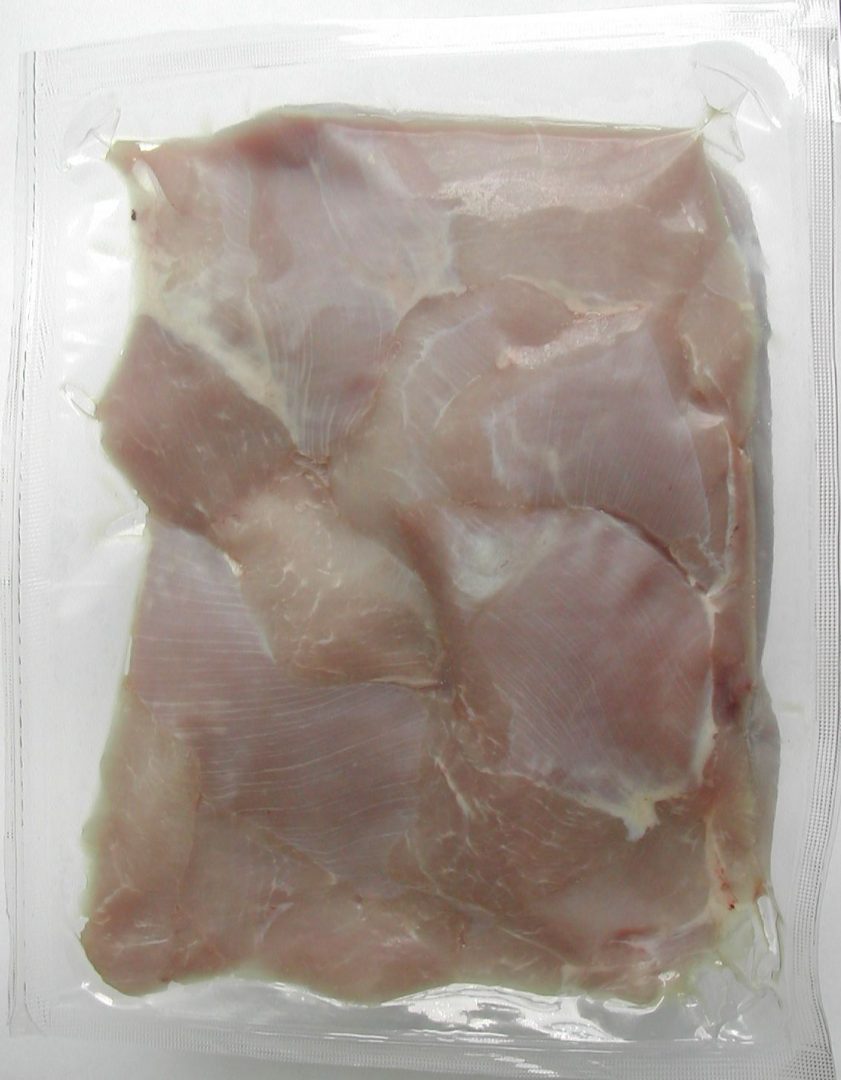
France – Boneless Skinless Turkey Stir Fry – Listeria monocytogenes

Gov France

Product category
Food
Product subcategory
Meats
Product brand name
UNBRANDED
Model names or references
Sous Vide Boneless Skinless Turkey Stir Fry
Product identification
GTIN Batch Date
3378740630281 0344168624 Use-by date 01/26/2024
Products List
Listing_products.pdfAttachment
Packaging
Under a vacuum
Start/end date of marketing
From 01/15/2024 to 01/15/2024
Storage temperature
Product to keep in the refrigerator
Health mark
FR 41 238 001 CE
Further information
All products are outdated DLC
Geographical sales area
Whole France
Distributors
FAYE BEL COLRUYT
List of points of sale
Listing_Customers.pdf

Research – A new Rogue-like Escherichia phage UDF157lw to control Escherichia coli O157:H7

Frontiers In.org

Introduction: Shiga toxin-producing Escherichia coli (STEC) O157:H7 is one of the notorious foodborne pathogens causing high mortality through the consumption of contaminated food items. The food safety risk from STEC pathogens could escalate when a group of bacterial cells aggregates to form a biofilm. Bacterial biofilm can diminish the effects of various antimicrobial interventions and enhance the pathogenicity of the pathogens. Therefore, there is an urgent need to have effective control measurements. Bacteriophages can kill the target bacterial cells through lytic infection, and some enzymes produced during the infection have the capability to penetrate the biofilm for mitigation compared to traditional interventions. This study aimed to characterize a new Escherichia phage vB_EcoS-UDF157lw (or UDF157lw) and determine its antimicrobial efficacy against E. coli O157:H7.

Research – Verification of a Rapid Analytical Method for the Qualitative Detection of Listeria spp. and Listeria monocytogenes by a Real-Time PCR Assay according to EN UNI ISO 16140-3:2021

MDPI

Abstract

Microbial contamination and foodborne infections are a significant global public health concern. For this reason, the detection, monitoring, and characterization of pathogens represent a significant challenge in quality control settings. Standard approaches, such as culture methods and biochemical tests, are known to be very time-consuming and intensive. Conversely, molecular technologies based on the genomic identification of bacteria are quick and low-cost. Listeria monocytogenes is an opportunistic pathogen and a major concern especially in food industries. It is important to understand and implement multiple quality control measures to control Listeria infection risk and prevent the contamination of products. Standardized detection and confirmation tests such as the API Listeria test, MALDI-TOF MS, and PCR analysis are available. The aim of our work is to provide a specific molecular method, designed according to the EN UNI ISO 16140-3:2021, for the specific detection, monitoring, and characterization of Listeria spp. and Listeria monocytogenes contamination. The verification of this new rapid approach by real-time PCR (qPCR) overcomes the limitations of culture-based techniques, meeting all the verification criteria required by ISO guidelines, including implementation and item confirmation. This system offers a powerful approach to the real-time assessment of food safety, useful for industry self-monitoring and regulatory inspection.