Archives
-
Join 347 other subscribers
KSWFoodWorld
Blog Stats
- 479,992 Views
Category Archives: Food Microbiology Blog
Research – Pseudomonas fluorescens and Escherichia coli in Fresh Mozzarella Cheese: Effect of Cellobiose Oxidase on Microbiological Stability during Refrigerated Shelf Life
Background: Mozzarella cheese possesses a high moisture content (50–60%) and a relatively high pH (around 5.5) and is therefore considered a perishable food product characterized by high quality deterioration and the potential risk of microbial contamination. Moreover, it can be spoiled by Pseudomonas spp. and coliform bacteria, which may be involved in different negative phenomena, such as proteolysis, discolorations, pigmentation, and off-flavors. To prevent these, different methods were investigated. In this context, the present study aims to assess the antimicrobial effect of cellobiose oxidase on Pseudomonas fluorescens (5026) and Escherichia coli (k88, k99) in mozzarella cheese during refrigerated shelf life. Methods: microbiological challenge tests were designed by contaminating the mozzarella covering liquid containing different cellobiose oxidase concentrations with P. fluorescens (5026) and E. coli (k88, k99). The behavior of these microorganisms and the variation of hydrogen peroxide concentrations were then tested under refrigerated conditions for 20 days to simulate the mozzarella cheese shelf life. Results and Conclusions: The data obtained demonstrated the effect of cellobiose oxidase on microbial growth. In particular, E. coli (k88, k99) was inhibited over the entire shelf life, while P. fluorescens (5026) was only partially affected after a few days of refrigerated storage.
Posted in Decontamination Microbial, escherichia coli, Food Micro Blog, Food Microbiology, Food Microbiology Blog, Food Microbiology Research, Food Microbiology Testing, microbial contamination, Microbial growth, Microbiological Risk Assessment, Microbiology, Microbiology Investigations, Microbiology Risk, Pseudomonas, Pseudomonas fluorescens
Research – Two Outbreaks of Foodborne Gastrointestinal Infection Linked to Consumption of Imported Melons, United Kingdom, March to August 2021 – Salmonella – STEC E.coli
Abstract
The aim of this study was to describe two foodborne outbreaks caused by contaminated imported melon and make recommendations for future practice. Between March and July 2021, there was an outbreak of 113 cases of Salmonella Braenderup in the UK (62% female, median age 61 years, 33% hospitalized). Analytical epidemiological studies identified Galia melons as the vehicle of infection (OR 671.9, 95% CI 39.0–58,074.0, p < 0.001). Subsequently, the outbreak strain was isolated from two samples of Galia melon imported from Latin America. In July and August 2021, there was an outbreak of 17 cases of Shiga toxin-producing Escherichia coli (STEC) O157:H7 in the UK (53% female, median age 21 years, 35% were hospitalized). Review of the STEC surveillance questionnaire data, followed by the analysis of responses from a modified hypothesis-generating questionnaire, implicated eating precut watermelon from retailer B sourced from Europe as the vehicle of infection. Outbreaks of gastrointestinal pathogens caused by contaminated food of nonanimal origin are a global public health concern. Given the difficulty in removing pathogens from the flesh of ready-to-eat fruit and vegetables, public health interventions should target all steps of the food chain prior to consumption, from cultivation on the farm to processing/packing and distribution.
Posted in Decontamination Microbial, food bourne outbreak, Food Illness, Food Micro Blog, Food Microbiology, Food Microbiology Blog, Food Microbiology Research, Food Microbiology Testing, Foodborne Illness, foodborne outbreak, foodbourne outbreak, Illness, microbial contamination, Microbial growth, Microbiological Risk Assessment, Microbiology, Microbiology Investigations, Microbiology Risk, outbreak, Salmonella, STEC, STEC E.coli
France – Supreme of duck with orange sauce – Listeria monocytogenes

Identification information of the recalled product
- Product category Food
- Product subcategory Meats
- Product brand name Unbranded
- Model names or references Supreme of duck with orange sauce
- Identification of products
Lot lot 10/12/2022 - Products List ballotine.pdf Enclosed
- Packaging paper packaging in the sales area
- Marketing start/end date From 21/12/2022 to 24/12/2022
- Storage temperature Product to be stored in the refrigerator
- Geographic area of sale CHALON-SUR-SAONE
- Distributorssale at the store
Practical information regarding the recall
- Reason for recall Listeria monocytogenes
- Risks incurred by the consumer Listeria monocytogenes (causative agent of listeriosis)
Posted in food contamination, food handler, Food Hazard, Food Hygiene, Food Inspections, Food Micro Blog, Food Microbiology, Food Microbiology Blog, Food Microbiology Testing, Food Pathogen, food recall, Food Safety, Food Safety Alert, Food Safety Management, Food Safety Regulations, Food Testing, Listeria, Listeria monocytogenes
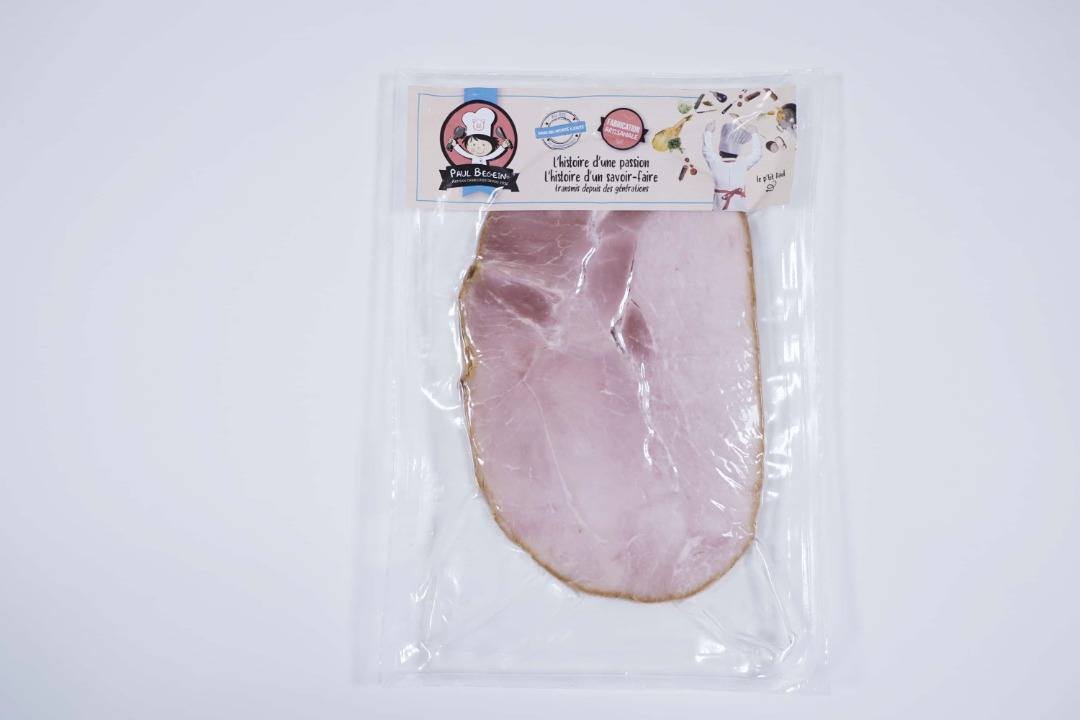
France – Smoked Superior Cooked Ham x2 – Listeria monocytogenes

Identification information of the recalled product
- Product category Food
- Product subcategory Others
- Product brand name Charcuterie Begin
- Model names or references SMOKED COOKED HAM X 2 THICKNESS SMOKED COOKED HAM X 5 THICKNESS SMOKED COOKED HAM 1/2
- Identification of products
GTIN Lot Date 3495313023025 081222 Use-by date 07/01/2023 3495313023056 081222 Use-by date 07/01/2023 3495310047123 081222 Use-by date 07/01/2023 - Packaging x2 slices x5 slices, in 1/2
- Marketing start/end date From 13/12/2022 to 29/12/2022
- Storage temperature Product to be stored in the refrigerator
- Geographic area of sale Departments: LOIRE-ATLANTIQUE (44), MAINE-ET-LOIRE (49), DEUX-SEVRES (79), VENDEE (85), VIENNE (86)
- Distributors Cocci Market/ Intermarché/ U/ Leclerc/ Carrefour/ Spar/ Proxi/ G20/ Vival
Practical information regarding the recall
- Reason for recall Listeria presence
Posted in food contamination, food handler, Food Hazard, Food Hygiene, Food Inspections, Food Micro Blog, Food Microbiology, Food Microbiology Blog, Food Microbiology Testing, Food Pathogen, food recall, Food Safety, Food Safety Alert, Food Safety Management, Food Safety Regulations, Food Testing, Listeria, Listeria monocytogenes
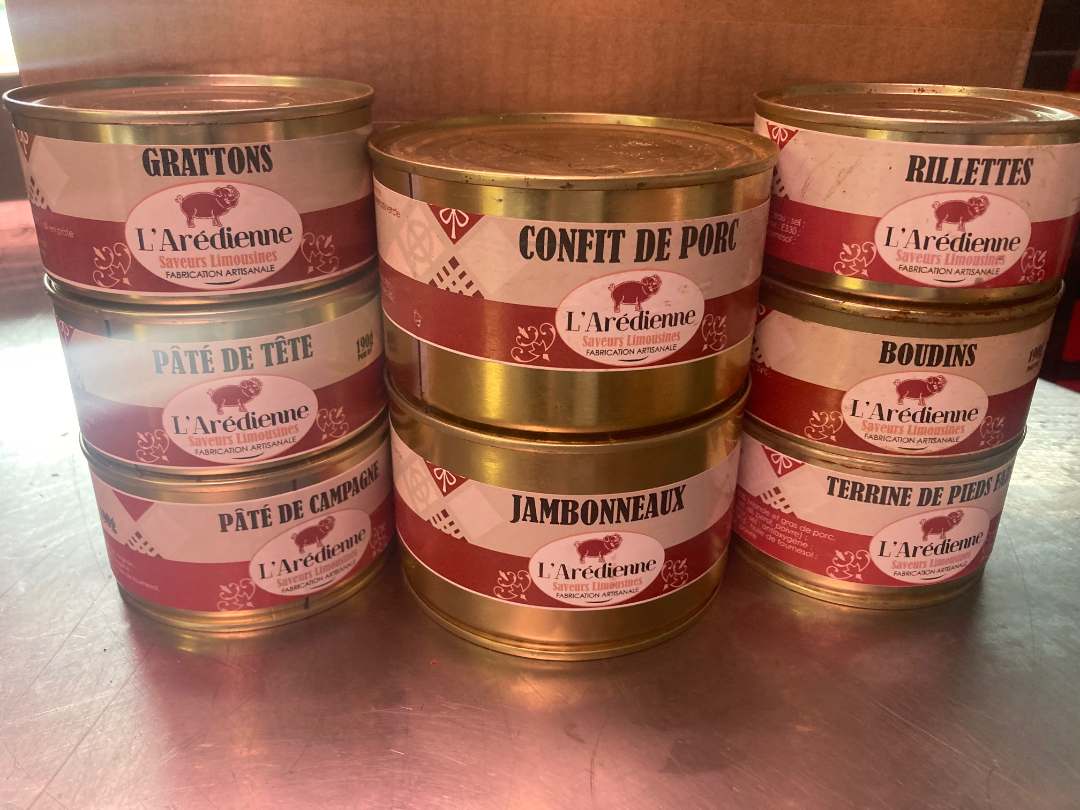
France Canned Meat Preserve the Aredian – Clostridium botulinum

Identification information of the recalled product
- Product category Food
- Product subcategory Meats
- Product brand name the aredian
- Model names or references Country pâté, rillettes, head pâté, black pudding, grattons, ham, confit of pork, trotters in wine, terrine of stuffed trotters, rind pâté, patan douillettes, Christmas pâté
- Identification of products
Lot Date see attached product list Use-by date between 01/01/2023 and 31/12/2025 - Products Lis tlist_boxes_consigned.pdfEnclosed
- Packaging Metal cans of 190g (1/4 low) for charcuterie, 380g (1/2 low) for confits and hams and 760g for confits and vines (4/4)
- Marketing start/end date From 01/01/2020 to 31/12/2022
- Storage temperature Product to be stored at room temperature
- Health mark19.249.002
- Geographic area of sale Departments: CORREZE (19)
- Distributors friends like pigs EGLETONS L’aredienne (market TULLE USSEL BUGEAT SPAR MARCILLAC G20 CHAMBERET Tobacco shop le trefle 19800 CORREZE Atmosphere and terroirs TREIGNAC and TULLE Sarl ANEMONE 19340 MERLINES INTERMARCHE MEYMAC
- List of points of sale DISTRIBUTOR_LIST.pdf
Practical information regarding the recall
- Reason for recall can stability problem
- Risks incurred by the consumer Clostridium botulinum (agent responsible for botulism)
Posted in Clostridium, Clostridium botulinum, food contamination, food handler, Food Hazard, Food Hygiene, Food Inspections, Food Micro Blog, Food Microbiology, Food Microbiology Blog, Food Microbiology Testing, Food Pathogen, Food Poisoning, food recall, Food Safety, Food Safety Alert, Food Safety Management, Food Safety Regulations, Food Testing, Food Toxin
India – 43 Kerala Hotels Shut After 100 Fall Sick Due To Suspected Food Poisoning
The Food Safety Department of Kerala government has conducted an inspection in 429 establishments across the state and shut down 43 hotels following the death of a woman in a suspected food poisoning incident at a religious event.
The inspections on Tuesday came in the backdrop of the death of a young woman in Kottayam after allegedly having food from a hotel.
The state health ministry said that among the 43 establishments, 21 were found out to be without a licence.
Apart from this, 22 establishments which were lacking cleanness have also been suspended from carrying on with their business.
Notices were issued to 138 institutions and 44 food samples have been sent for testing.
The ministry also stated that inspections would be continued intensively across the state.
On Sunday, Kerala Health Minister Veena George ordered the probe into a suspected food poisoning incident in which over 100 people fell ill. The incident occurred in the Keezvaipur area of the Pathanamthitta district of Kerala.
The affected people have been admitted to various hospitals in the district where they are currently undergoing treatment.
Posted in Food Micro Blog, Food Microbiology, Food Microbiology Blog, Food Microbiology Research, Food Microbiology Testing, Food Poisoning, Food Poisoning Death, microbial contamination, Microbial growth, Microbiological Risk Assessment, Microbiology, Microbiology Investigations, Microbiology Risk, Poisoning
Algeria – Food poisoning leaves one dead, 144 injured in Algeria
A woman died and 144 people were injured after suffering food poisoning in Algeria earlier this week.
According to local reports, people have eaten sweets that are unfit for human consumption in the city of Magra, east of the country.
Posted in Antimicrobials, Decontamination Microbial, Food Micro Blog, Food Microbiology, Food Microbiology Blog, Food Microbiology Research, Food Microbiology Testing, Food Poisoning, microbial contamination, Microbial growth, Microbiological Risk Assessment, Microbiology, Microbiology Investigations, Microbiology Risk, Poisoning
Research – Campylobacter contamination in broiler meat
Campylobacter in broiler meat is one of the leading foodborne pathogens associated with health risks and negative economic impacts worldwide. Campylobacter has several adaptive responses throughout the broiler production chain. Thus, it survives from broiler farm to slaughterhouse and processing plant.
Posted in Campylobacter, campylobacter coli, Campylobacter jejuni, Decontamination Microbial, Food Micro Blog, Food Microbiology, Food Microbiology Blog, Food Microbiology Research, Food Microbiology Testing, Food Pathogen, microbial contamination, Microbial growth, Microbiological Risk Assessment, Microbiology, Microbiology Investigations, Microbiology Risk, Pathogen, pathogenic, Retailer Campylobacter Survey
Belgium – LIVE SHELLS FROM THE KERMARÉE BRAND – Norovirus
Kermarée is recalling the following products:
| Last name | Winkles alive |
| Brand | Kermaree |
| Lot/ Sales period | All lots sold between 16/12/2022 and 05/01/2023 |
| Last name | Clams |
| Brand | Kermaree |
| Lot/ Sales period | All lots sold between 16/12/2022 and 05/01/2023 |
Danger : Potential presence of Norovirus
Food poisoning caused by Norovirus results in gastrointestinal disorders often accompanied by symptoms of acute gastroenteritis (sudden onset of vomiting, nausea and/or diarrhea sometimes associated with abdominal cramps, moderate fever, chills, body aches and headaches). These symptoms appear after 10 to 50 hours after consumption. Pregnant women should be especially alert to these symptoms, as well as immunocompromised people, small children and the elderly.
Sale in Luxembourg by: Auchan
A sale by other operators cannot be excluded.
Click to access 05012023-rappel-affichette-1.pdf
Source of information: Auchan recall notification
Posted in food contamination, food handler, Food Hazard, Food Hygiene, Food Inspections, Food Micro Blog, Food Microbiology, Food Microbiology Blog, Food Microbiology Testing, Food Pathogen, food recall, Food Safety, Food Safety Alert, Food Safety Management, Food Safety Regulations, Food Testing, Food Virus, Norovirus
France – Normandy oysters – Norovirus

Identification information of the recalled product
- Product category Food
- Product subcategory Fishery and aquaculture products
- Product brand name Grandin oysters
- Model names or references all packaging
- Identification of products
GTIN Batch 3556530000234 All lots 3556530000043 All lots 3556530000389 All lots 3556530000296 All lots 3556530000111 All lots 3556530000036 All lots - Packaging wooden hamper
- Marketing start/end date From 20/12/2022 to 30/12/2022
- Storage temperature Product to be stored in the refrigerator
- Health mark EN 50.003.132
- Geographic area of sale Whole France
- Distributors u teach
Practical information regarding the recall
- Reason for recall imposed prefectoral order closing zone
- Risks incurred by the consumer Norovirus
Posted in food contamination, food handler, Food Hazard, Food Hygiene, Food Inspections, Food Micro Blog, Food Microbiology, Food Microbiology Blog, Food Microbiology Testing, Food Pathogen, food recall, Food Safety, Food Safety Alert, Food Safety Management, Food Safety Regulations, Food Testing, Food Virus, Norovirus, Norovirus Oysters