Category Archives: Food Microbiology Blog

Japan sees rise in food poisoning from eating raw chicken

The Mainichi

TOKYO — Japan’s health ministry is calling for caution amid an increase in food poisoning caused by Campylobacter, a form of bacteria found in raw and half-cooked chicken.

Food poisoning cases usually rise in Japan during the damp rainy season from late May to early July. This year, experts have expressed concern about a sudden rise due to the easing of coronavirus-related restrictions, which have brought more customers back to dining out.

Once infected with Campylobacter, commonly found in raw or not fully cooked meat dishes such as sashimi, Korean “yukhoe” and lightly seared “tataki,” the bacteria can cause stomach pain and diarrhea among other symptoms. Although usually not fatal, children and the elderly are at risk of developing serious illness. In addition, the bacteria can result in Guillain-Barre syndrome (GBS), which can bring about difficulty breathing and paralysis of the limbs and face.

Around 2,000 people are afflicted with food poisoning by Campylobacter annually. Some regions, such as Kagoshima Prefecture, where chicken sashimi is part of the local cuisine, have established strict hygiene standards for the consumption of raw chicken meat, but caution is needed as about 70% of cases occur at restaurants.

Cambodia – 20 people suffered from food poisoning after having a buffet at a Siem Reap restaurant

Khmer Times

20 people have suffered from food poisoning, with at least three of them hospitalised after buffer breakfast.

The restaurant is identified as Srey Khouch Container, located in Siem Reap city.

The victims, who ate at the restaurant yesterday, accused the restaurant owner of serving them bad food and demanded compensation, but the owner denied it and instead claimed that the victims “were eating improperly”, leading to the illness.

As of this morning, the two parties are still trying to find a solution under the supervision of the local police.

France – Beef skewer marinated in shallots – Salmonella

Gov france

Identification information of the recalled product

  • Product category Feed
  • Product subcategory Meats
  • Product brand name Unbranded
  • Model names or references Beef skewer marinated in shallots
  • Identification of products
    GTIN Batch Date
    0218037000000 Manufacturing of July 4, 2023 Use-by date 07/07/2023
  • Packaging Bulk – catch weight
  • Marketing start/end date From 04/07/2023 to 06/07/2023
  • Storage temperature Product to be stored in the refrigerator
  • Further information Sold in the traditional butcher’s department
  • Geographic area of ​​sale E.Leclerc Luzon
  • Distributors E.Leclerc Luzon

Germany sounds E. coli and HUS alert after travel to Egypt

Food Safety News

German public health officials have warned of a spike in cases of E. coli among travelers to Egypt.

Experts from the Robert Koch Institut (RKI) said they had also seen a rise in connected cases of hemolytic uremic syndrome (HUS). HUS is a severe complication associated with E. coli infections that causes kidney failure.

Since the beginning of 2023, 31 cases of E. coli and 10 of HUS in people who were likely infected while on holiday in Egypt have been reported.

A large proportion of patients – 12 E. coli cases and six HUS cases – were recorded in May and June. They had stayed in different hotels, mainly in Hurghada, which is also the most frequent travel spot in the country.

Israel – The importer “Eurocize Import and Marketing Ltd” calls for the return of the product “Greek tzatziki dip” – Listeria monocytogenes

GovIL

As part of the quality control and sampling program of the importer Eurocize Import and Marketing Ltd., an unusual result was obtained, according to which the bacterium Listeria monocytogenes was found in the product.

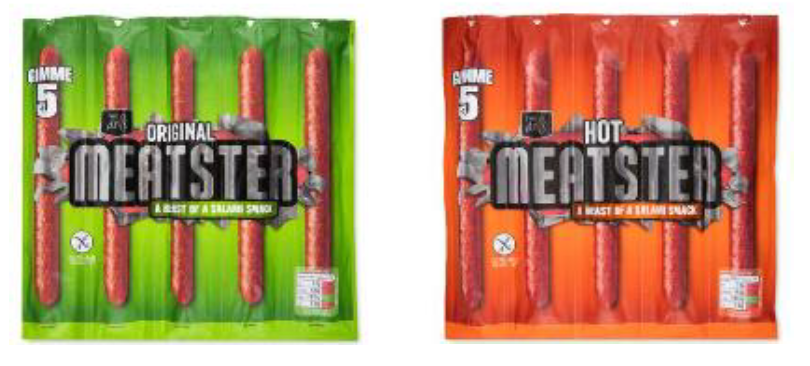
Ireland – Recall of ‘The Deli’ Meatster Snack Salami Original / Hot due to the presence of Listeria monocytogenes

FSAI

Alert Summary
Category 1: For Action
Alert Notification: 2023.18
Product Identification: See table below.
Batch Code See table below.

Message:

Product Pack size Barcode Best before date
Meatster Snack Salami Original 125g 4088600027975 02/12/2023
Meatster Snack Salami Hot 125g 4088600027968 02/12/2023

‘The Deli’ is recalling the above batches of snack salamis due to the presence of Listeria monocytogenes.

Recall notices will be displayed at point-of-sale.
Nature Of Danger:

Symptoms of Listeria monocytogenes infection can include mild flu-like symptoms, or gastrointestinal symptoms such as nausea, vomiting and diarrhoea.  In rare cases, the infection can be more severe, causing serious complications. Some people are more vulnerable to Listeria monocytogenes infections, including pregnant women, babies, and people with weakened immune systems, including the elderly.  The incubation period (time between initial infection and first symptoms appearing) is on average 3 weeks but can range between 3 and 70 days.

Action Required:

Manufacturers, wholesalers, distributors, caterers & retailers:

Display recall notices at point-of-sale.

Consumers:

Consumers are advised not to eat the implicated batch.

Hong Kong – CFS urges public not to consume batch of prepackaged chilled crayfish suspected to be contaminated with Listeria monocytogenes

CFS

The Centre for Food Safety (CFS) of the Food and Environmental Hygiene Department today (July 13) urged the public not to consume a batch of prepackaged chilled crayfish due to possible contamination with Listeria monocytogenes, a pathogen. The trade should stop using or selling the affected batch of the product immediately if they possess it.

Product details are as follows:

Product name: Signature Mala Crayfish
Brand: JUEWEI
Place of origin: China
Distributor: Juewei Food (Hong Kong) Limited
Net weight: 130 grams
Use-by date: July 7, 2023

“The CFS collected the above-mentioned sample from a retail outlet in Mong Kok for testing under its routine Food Surveillance Programme. The test result showed the presence of Listeria monocytogenes in 25 grams of the sample, exceeding the standard of the Microbiological Guidelines for Food which states that Listeria monocytogenes should not be detected in 25g of food,” a spokesman for the CFS said.

The spokesman said that the CFS has informed the vendor concerned of the irregularity and has instructed it to stop sale and to remove from shelves the affected batch of the product. Should there be sufficient evidence, prosecution will be instituted. The distributor concerned has initiated a recall of the affected batch of the product according to the CFS’ instruction. Members of the public may call the distributor’s hotline at 3468 6021 during office hours for enquiries about the product recall.

USA -Patient count in Cyclospora parasite outbreak jumps by more than 200

Food Safety News

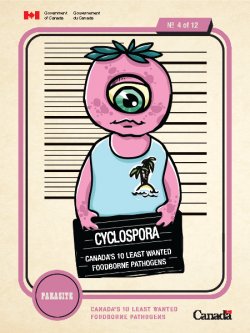
The number of patients in a large outbreak of infections from the cyclospora parasite has increased significantly, with the count approaching 600.

The Centers for Disease Control and Prevention has been tracking the outbreak since April 1. As of this week there are 581 laboratory confirmed patients. The previous update from the agency on June 22 had 317 patients listed.

“No specific food items have been identified as the source of most of these illnesses. State and local public health officials are interviewing people with cyclosporiasis to find out what foods they ate before getting sick,” according to the CDC’s outbreak update.

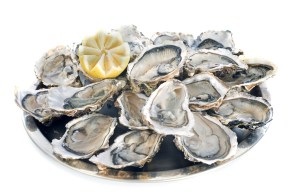
USA – FDA Advises Restaurants, Retailers and Consumers to Avoid Certain Fortune Brand Raw Oysters from Nova Scotia Contaminated with Norovirus

FDA

Audience

Restaurants and food retailers that have received shipments of oysters harvested from NS 10, an oyster harvest area in Nova Scotia, Canada on June 9, 2023, and were distributed by Bill and Stanley Oyster Co. of Nova Scotia, Canada through U.S. distributors to 17 states and the District of Columbia: CA, CO, CT, DC, DE, FL, GA, IN, MA, MD, MI, MN, NJ, NY, OH, PA, TX, and WI. The FDA is working to obtain additional information on distribution of the oysters and will continue to monitor the investigation, provide assistance to state authorities, and update our communications to the public as needed.

Consumers, especially those who are or could become pregnant, the elderly, and persons with weakened immune systems, who have recently consumed raw oysters and suspect they have food poisoning should seek medical care immediately.

Product

  • Fortune brand oysters harvested from harvest location NS 10 in Nova Scotia, Canada on June 9, 2023 that were distributed to 17 states and the District of Columbia: CA, CO, CT, DC, DE, FL, GA, IN, MA, MD, MI, MN, NJ, NY, OH, PA, TX, and WI.
  • Oyster containers include the harvest area information and original shipper certification number NS 6024 SS WS on the attached product tag.

Purpose

The US Food and Drug Administration (FDA) is advising consumers not to eat, and restaurants and food retailers not to sell, and to dispose of raw oysters that were harvested from harvest location NS 10 in Nova Scotia, Canada on June 9, 2023 and were distributed to 17 states and the District of Columbia: CA, CO, CT, DC, DE, FL, GA, IN, MA, MD, MI, MN, NJ, NY, OH, PA, TX, and WI. Consumers who purchased oysters after June 9, 2023 should check the packaging to see if they were harvested from location NS 10 on June 9, 2023. Contaminated shellfish can cause illness if eaten raw, particularly in people with compromised immune systems. Food contaminated with norovirus may look, smell, and taste normal. Consumers of these products who are experiencing symptoms of norovirus illness should contact their healthcare provider, who should report their symptoms to their local Health Department.

Summary of Problem and Scope

On June 30, 2023, the Minnesota Department of Health (MDH) reported to CDC an outbreak consisting of 9 cases of norovirus illness associated with the consumption of oysters from Nova Scotia. The oysters harvested from Nova Scotia were sold in both Canada and the U.S. FDA is working with federal, state, and local officials, and with Canadian public health authorities to investigate this outbreak, obtain additional information on distribution of the oysters, and determine if additional illnesses have occurred.

Retailers should not sell or serve raw oysters from harvest location NS 10 with a harvest date of June 9, 2023, which will be printed on product tags.

Shellfish can cause illness if contaminated and eaten raw, particularly in people with compromised immune systems. Food contaminated with norovirus may look, smell, and taste normal.

FDA Actions

The FDA is issuing this alert advising consumers not to eat, and restaurants and food retailers not to sell or serve, raw oysters from harvest location NS 10 on June 9, 2023 that were distributed to 17 states and the District of Columbia: CA, CO, CT, DC, DE, FL, GA, IN, MA, MD, MI, MN, NJ, NY, OH, PA, TX, and WI.

The FDA will continue to monitor the investigation and provide updates and assistance to state authorities as needed.

France -FILET DE CANARD – Listeria monocytogenes

Gov france

Identification information of the recalled product

  • Product category Feed
  • Product subcategory Meats
  • Product brand name CASINO
  • Model names or references 1 FILET CANARD A/P S/SKIN
  • Identification of products
    GTIN Lot Date
    0203553000000 0103011177 Use-by date 07/14/2023
  • Marketing start/end date From 06/30/2023 to 07/14/2023
  • Storage temperature Product to be stored in the refrigerator
  • Health mark OVAL SANITARY STAMP
  • Geographic area of ​​sale Whole France
  • Distributors CASINO GIANT CASINO