Metka cebulowa – Listeria monocytogenes from Poland and Belgium
Listeria monocytogenes in frozen Jamon serrano from Spain in Italy

Metka cebulowa – Listeria monocytogenes from Poland and Belgium
Listeria monocytogenes in frozen Jamon serrano from Spain in Italy
Salmonella Enteritidis in samples of chicken neck skins from Poland in Poland, Romania, Netherlands and Czech Republic
Salmonella Newport in samples of chicken neck skins from Poland in the Czech Republic
Salmonella enterica ser. Cerro in organic sesame seeds from Ethiopia in Germany
Salmonella Javiana in black pepper from Brazil in Germany
Poultry meat – Salmonella enteritidis from Poland in Poland and France
Salmonella Newport in samples of chicken neck skins from Poland in Poland, Germany, Italy and Lithuania
Salmonella in Mozzarella Di Bufala from Italy in Belgium
Salmonella Newport in chicken neck skins from Poland in Belgium, Hungary, Lithuania, Poland and Spain
Salmonella in black pepper from Brazil in the Netherlands
Salmonella in black pepper from Brazil in the Netherlands
Salmonella Infantis in chilled chicken breast from the Ukraine in Hungary and Slovakia
Salmonella in black pepper from Brazil in Spain
Salmonella in Brazilian black pepper in the Netherlands
Salmonella enteritidis in chicken neck skins from The Czech Republic in Slovakia
Posted in food contamination, Food Hazard, Food Hygiene, Food Inspections, Food Micro Blog, Food Microbiology, Food Microbiology Blog, Food Microbiology Testing, Food Pathogen, food recall, Food Safety, Food Safety Alert, Food Testing, Polish Chicken Salmonella, RASFF, Salmonella, Salmonella in Black Pepper, Salmonella in Chicken, Salmonella Poland, Salmonella Sesame Seeds
Presence of Salmonella enterica in Tuna Flour from Spain in Italy and Greece
About 100 people, including 51 children, from Chhattisgarh’s Ansula village have been hospitalised with suspected food poisoning on Wednesday.
They complained of diarrhoea and vomiting after attending a function at the residence of the headmaster of the state-run primary school in their village, officials told NDTV.
At the health care centres, the patients were administered intravenous drips.
Collector Doman Singh reached the community health centre in Pithora and met the patients who are now said to be out of danger.
Posted in food bourne outbreak, Food Illness, Food Micro Blog, Food Microbiology, Food Microbiology Blog, Food Microbiology Testing, Food Poisoning, Foodborne Illness, foodborne outbreak, foodbourne outbreak, Illness, microbial contamination, Microbiological Risk Assessment, Microbiology, outbreak, Poisoning
The outbreak announcement from the Food and Drug Administration reports that 20 people are sick, but does not include what states are involved.
Investigators have begun traceback efforts of some sort, but specific foods are not included in the outbreak announcement.
There have not been any product recalls associated with this new outbreak.
Posted in food bourne outbreak, food contamination, food handler, Food Hazard, Food Hygiene, Food Illness, Food Inspections, Food Micro Blog, Food Microbiology, Food Microbiology Blog, Food Microbiology Testing, Food Pathogen, food recall, Food Safety, Food Safety Alert, Food Testing, foodborne outbreak, foodbourne outbreak, Listeria, Listeria monocytogenes, outbreak
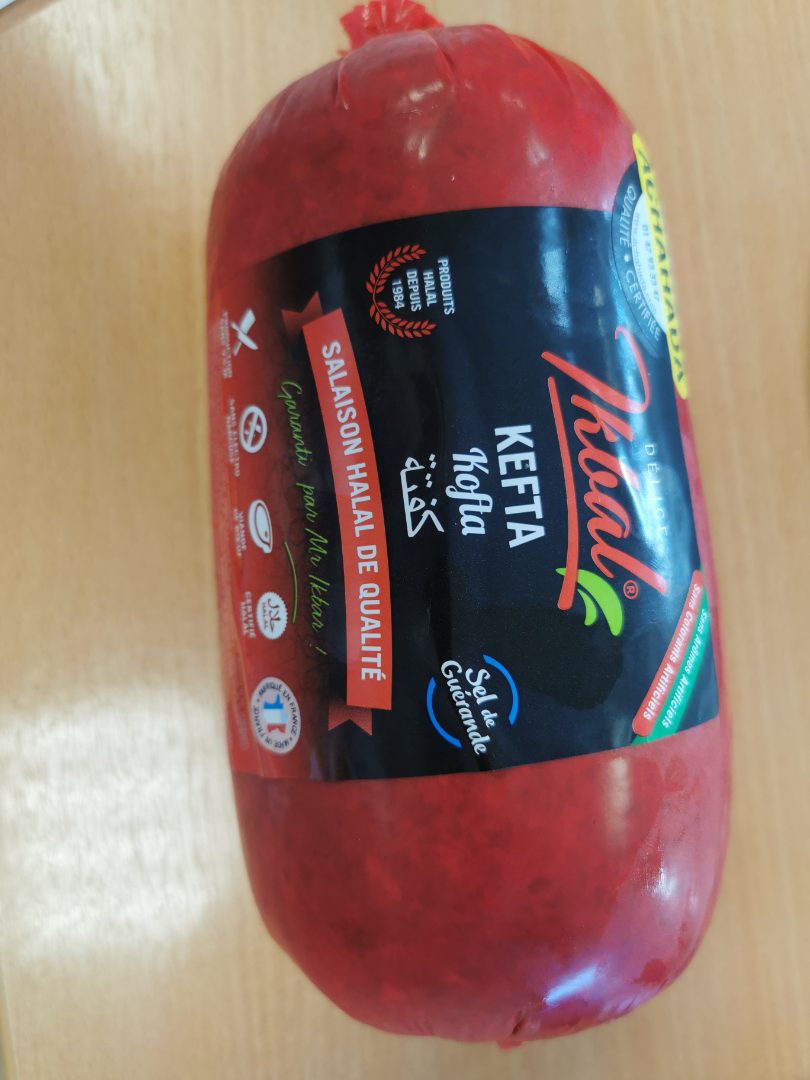
| Lot | Dated | |
|---|---|---|
| 22-20-09-21 | Use-by date 10/20/2021 | |
Brand : Salumificio Rossi
Name : Marche salami
Reason for reporting : Recall due to microbiological risk
Publication date : 7 October 2021
Click to access C_17_PubblicazioneRichiami_1506_azione_itemAzione0_files_itemFiles0_fileAzione.pdf
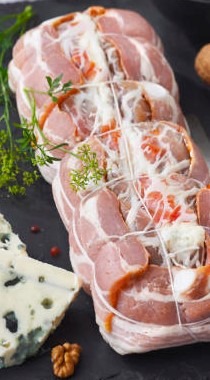
| Lot | Dated | |
|---|---|---|
| Filet mignon with Roquefort prepared on site on 09/27/2021 and sold in bulk in the window of the traditional department until 09/29/2021. | Use-by date 09/30/2021 | |
Norwegian public health officials are investigating an outbreak of hepatitis A that has affected 10 people.
The Norwegian Institute of Public Health (FHI) reported an investigation has been started with local health services and the Norwegian Food Safety Authority (Mattilsynet) but the suspected source is unknown.
Infection has been detected in 10 people living in several counties. Another two people are suspected of being part of the outbreak.
Samples were taken from April to September and sequencing shows hepatitis A virus (HAV) with an identical sequence of genotype 1A in all of the patients. This suggests they were infected from the same source.
Sick people are between 25 and 80 years old with a median age of 53. Sixty percent are men.
Widely distributed food suspected
Six patients live in Viken, two in Trøndelag and one each in Oslo, Vestfold og Telemark, Innlandet and Troms og Finnmark.
Posted in food bourne outbreak, food contamination, food handler, Food Hazard, Food Hygiene, Food Illness, Food Inspections, Food Micro Blog, Food Microbiology, Food Microbiology Blog, Food Microbiology Testing, Food Pathogen, food recall, Food Safety, Food Safety Alert, Food Virus, foodborne outbreak, foodbourne outbreak, Hepatitis A, outbreak, Virus

Consumption of prawns as a protein source has been on the rise worldwide with seafood identified as the predominant attributable source of human vibriosis. However, surveillance of non-cholera Vibrio is limited both in public health and in food. Using a population- and market share-weighted study design, 211 prawn samples were collected and cultured for Vibrio spp. Contamination was detected in 46 % of samples, and multiple diverse Vibrio isolates were obtained from 34 % of positive samples. Whole genome sequencing (WGS) and phylogenetic analysis illustrated a comprehensive view of Vibrio species diversity in prawns available at retail, with no known pathogenicity markers identified in Vibrio parahaemolyticus and V. cholerae . Antimicrobial resistance genes were found in 77 % of isolates, and 12 % carried genes conferring resistance to three or more drug classes. Resistance genes were found predominantly in V. parahaemolyticus , though multiple resistance genes were also identified in V. cholerae and V. vulnificus . This study highlights the large diversity in Vibrio derived from prawns at retail, even within a single sample. Although there was little evidence in this study that prawns are a major source of vibriosis in the UK, surveillance of non-cholera Vibrio is very limited. This study illustrates the value of expanding WGS surveillance efforts of non-cholera Vibrios in the food chain to identify critical control points for food safety through the production system and to determine the full extent of the public health impact.
Posted in food contamination, Food Hazard, Food Hygiene, Food Inspections, Food Micro Blog, Food Microbiology, Food Microbiology Blog, Food Microbiology Research, Food Microbiology Testing, Food Pathogen, food recall, Food Safety, Food Safety Alert, Food Temperature Abuse, Food Testing, Food Toxin, Research, Vibrio, Vibrio alginolyticus, Vibrio cholera, vibrio cholerae, Vibrio parahaemolyticus, Vibrio vulnificans, Vibrio vulnificus


