Category Archives: Food Micro Blog

EU – EU-funded project targets produce safety

Food Safety News

A sensor is being developed by an EU-funded consortium to check for pesticides or bacteria in fruits and vegetables.

The project, called GRACED, is coordinated by the Cyprus Research and Innovation Centre and includes experts from across Europe.

The detector uses light particles to spot traces of pesticide or bacteria. From preparing a sample to detection, the system can give a result in 30 minutes.

It uses laser light to detect chemical or biological analytes. Called a plasmo-photonic bimodal multiplexing sensor, it can spot bacteria or pesticides without having to use chemicals or dyes as a marker.

Current safety checks on fruit and vegetables are made in random batches then sent to a laboratory for testing, a process that can take two to three days to get a result. Analyzing data from these checks can be time consuming and costly.

Research – Ongoing Outbreak of Extensively Drug-Resistant Campylobacter jejuni Infections Associated With US Pet Store Puppies, 2016-2020

Jama Network

Key Points

Question  Are pet store puppies a source of extensively drug-resistant Campylobacter jejuni infection in the US?

Findings  This survey study identified 168 cases from public health reports of Campylobacter infections with an epidemiologic or molecular link to pet store puppies from 2011 to 2020; 97% of patients reported contact with a dog, of whom 88% reported contact with a pet store puppy. Isolates were resistant to 7 antibiotic classes, including all recommended treatment agents.

Meaning  Extensively drug-resistant C jejuni strains have emerged as a cause of illness among pet store customers, employees, and visitors; infections caused by these strains cannot be treated with commonly recommended oral antibiotics.

Abstract

Importance  Extensively drug-resistant Campylobacter jejuni infections cannot be treated with any commonly recommended antibiotics and pose an increasing public health threat.

Objectives  To investigate cases of extensively drug-resistant C jejuni associated with pet store puppies and describe the epidemiologic and laboratory characteristics of these infections.

Design, Setting, and Participants  In August 2017, health officials identified, via survey, patients with C jejuni infections who reported contact with puppies sold by pet stores. In conjunction with state and federal partners, the Centers for Disease Control and Prevention investigated cases of culture-confirmed C jejuni infections in US patients with an epidemiologic or molecular association with pet store puppies between January 1, 2016, and February 29, 2020. Available records from cases occurring before 2016 with genetically related isolates were also obtained.

Main Outcomes and Measures  Patients were interviewed about demographic characteristics, health outcomes, and dog exposure during the 7 days before illness onset. Core genome multilocus sequence typing was used to assess isolate relatedness, and genomes were screened for resistance determinants to predict antibiotic resistance. Isolates resistant to fluoroquinolones, macrolides, and 3 or more additional antibiotic classes were considered to be extensively drug resistant. Cases before 2016 were identified by screening all sequenced isolates submitted for surveillance using core genome multilocus sequence typing.

Results  A total of 168 patients (median [interquartile range] age, 37 [19.5-51.0] years; 105 of 163 female [64%]) with an epidemiologic or molecular association with pet store puppies were studied. A total of 137 cases occurred from January 1, 2016, to February 29, 2020, with 31 additional cases dating back to 2011. Overall, 117 of 121 patients (97%) reported contact with a dog in the week before symptom onset, of whom 69 of 78 (88%) with additional information reported contact with a pet store puppy; 168 isolates (88%) were extensively drug resistant. Traceback investigation did not implicate any particular breeder, transporter, distributer, store, or chain.

Conclusions and Relevance  Strains of extensively drug-resistant C jejuni have been circulating since at least 2011 and are associated with illness among pet store customers, employees, and others who come into contact with pet store puppies. The results of this study suggest that practitioners should ask about puppy exposure when treating patients with Campylobacter infection, especially when they do not improve with routine antibiotics, and that the commercial dog industry should take action to help prevent the spread of extensively drug-resistant C jejuni from pet store puppies to people.

USA – Outbreak Investigation of Salmonella Typhimurium: Bright Farms Packaged Salad Greens (July 2021) -Outbreak is over

FDA

The FDA, along with CDC and state and local partners, investigated a multistate outbreak of Salmonella Typhimurium infections linked to the consumption of BrightFarms packaged salad greens produced in the firm’s Rochelle, IL facility.

FDA visited the facility and collected samples. Some environmental samples taken inside the facility tested positive for Salmonella Liverpool, but were not a match to the outbreak strain. In addition, a sample collected from an outdoor storm water drainage pond adjacent to the facility was analyzed and reported to be Salmonella Typhimurium and a genetic match to the outbreak strain.

Although no clear route of contamination was readily identified, the FDA is preparing a report to discuss findings and provide information to assist in future prevention efforts.

Recommendation

CDC has declared this outbreak to be over.

Investigation Background

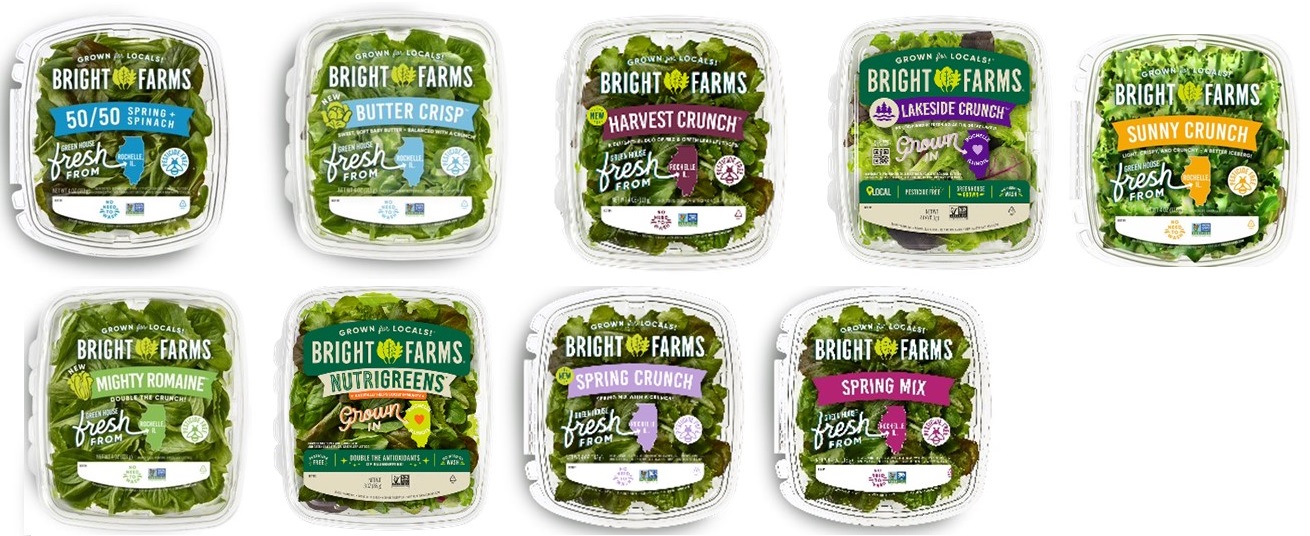
On July 15, 2021, BrightFarms recalled packaged salad greens produced in its Rochelle, Illinois (Ogle County) greenhouse farm sold in Illinois, Indiana, Iowa, and Wisconsin. On July 21, 2021, Michigan was added to the list of states that received recalled products. Interview data and shopper card records show that 15 people ate or bought multiple types of BrightFarms brand salad products before they got sick, including Sunny Crunch, 50/50 Spring & Spinach, Harvest Crunch, and Butter Crisp. FDA conducted a traceback investigation and identified the farm in Rochelle, IL, as the likely source of the BrightFarms brand salad bought by people who became ill. On July 28, 2021, following positive sample results, BrightFarms expanded their recall to include Baby Spinach packaged in clear, plastic clamshells with “Best By” dates through 7/26/2021.


Product Images

Outbreak Investigation of Salmonella Typhimurium in BrightFarms Packaged Salad Greens - Product Images

View Larger Images

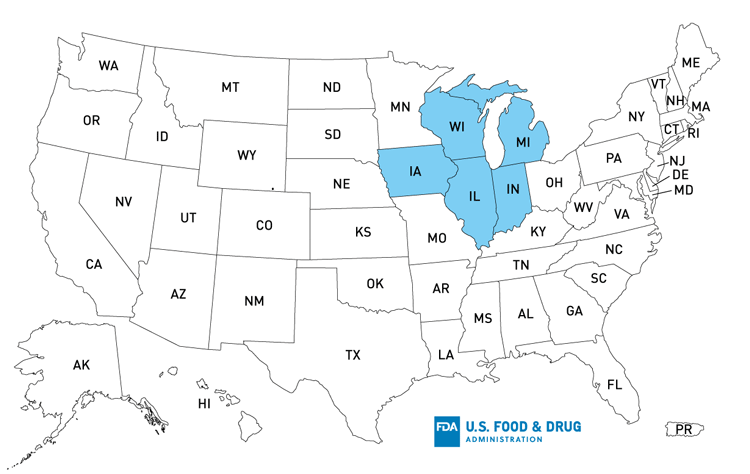
Map of U.S. Distribution of Recalled BrightFarms Products

Outbreak Investigation of Salmonella Typhimurium in BrightFarms Packaged Salad Greens - Map of U.S. Distribution of Recalled Products (October 6, 2021)

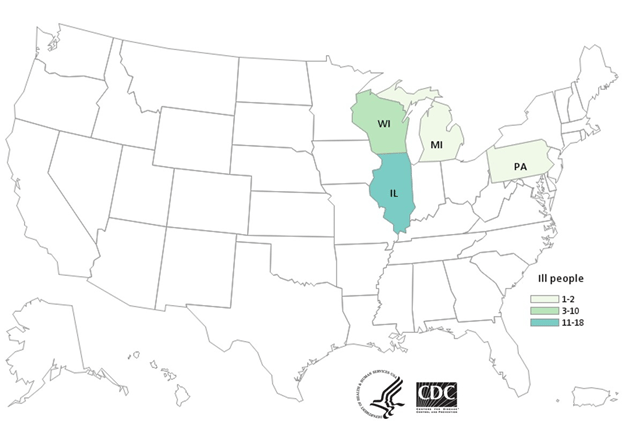
Case Count Map Provided by CDC

Outbreak Investigation of Salmonella Typhimurium in BrightFarms Packaged Salad Greens - CDC Case Count Map (October 6, 2021)

Case Counts

Total Illnesses: 31
Hospitalizations: 4
Deaths: 0
Last Illness Onset: August 18, 2021
States with Cases: IL (18), MI(1), PA (2), WI (10)
Product Distribution*: IA, IL, IN, MI, WI
*Distribution has been confirmed for states listed, but product could have been distributed further, reaching additional states

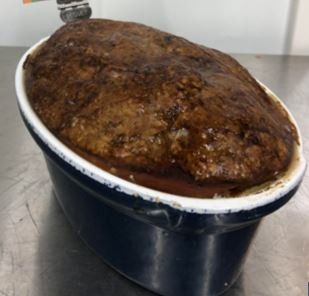
France – TERRINE DE PHASAN AU PORTO sold in the charcuterie section of the MARKET LA CHAUSSEE SAINT VICTOR store between 28/09/21 and 04/10/21 – Listeria monocytogenes

Gov france

Identifying information for the recalled product

  • Product category Food
  • Product sub-category Meats
  • Product brand name unbranded
  • Names of models or references TERRINE DE PHASAN AU PORTO sold in the charcuterie section of the CARREFOUR MARKET LA CHAUSSEE SAINT VICTOR store between 28/09/21 and 04/10/21
  • Product identification
    GTIN Lot
    111111111116 sold from 28/09/2021 to 04/10/2021
  • Packaging retail, by cut.
  • Start date / End of marketing From 09/28/2021 to 10/04/2021
  • Storage temperature Product to be stored in the refrigerator
  • Further information TERRINE DE PHASAN AU PORTO sold in the charcuterie section of the CARREFOUR MARKET LA CHAUSSEE SAINT VICTOR store between 28/09/21 and 04/10/21
  • Geographical sales area CARREFOUR MARKET LA CHAUSSEE SAINT VICTOR between 28/09/21 and 04/10/21
  • Distributors CARREFOUR MARKET LA CHAUSSEE SAINT VICTOR ONLY

Practical information regarding the recall

  • Reason for recall presence of listeria monocytogenes
  • Risks incurred by the consumer Listeria monocytogenes (causative agent of listeriosis)

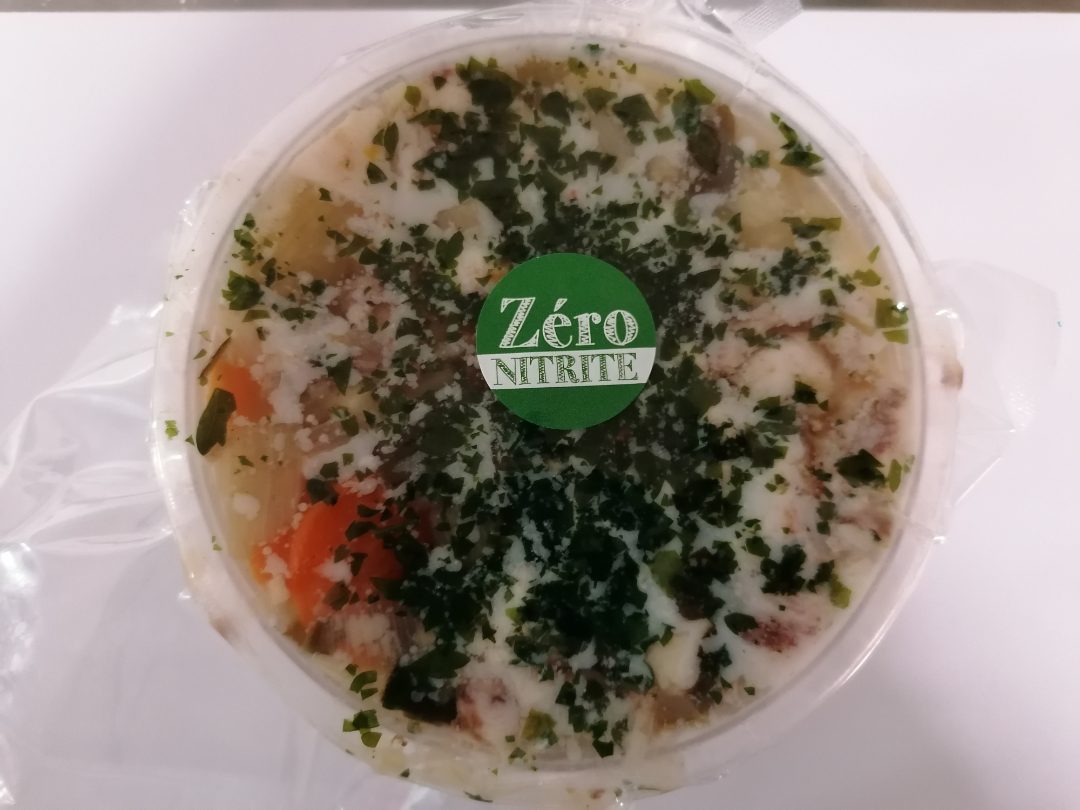
France – HEAD CHEESE WITHOUT NITRITE – Listeria monocytogenes

Gov france

Identifying information for the recalled product

  • Product category Food
  • Product sub-category Meats
  • Product brand name The mesandan nozzle
  • Names of models or references Nitrite-free head cheese in 500g bowl Nitrite-free head cheese in 2kg tub
  • Product identification
    Lot Dated
    644856 Use-by date 09/26/2021
    644810 Use-by date 09/26/2021
  • Start date / End of marketing From 09/09/2021 to 09/11/2021
  • Storage temperature Product to be stored in the refrigerator
  • Health mark FR 25 377 020
  • Geographical sales area Regions: Bourgogne-Franche-Comté, Grand-Est
  • Distributors Tuyé de Mésansand store (Les Fins and Tarcenay)

Practical information regarding the recall

  • Reason for recall Presence of Listeria monocytogenes
  • Risks incurred by the consumer Listeria monocytogenes (causative agent of listeriosis)

Research – Cryptosporidiosis – Annual Epidemiological Report for 2018

ECDC

Executive summary

  • For 2018, 20 European Union/European Economic Area (EU/EEA) countries reported 14 299 cryptosporidiosis cases, of which 14 252 were confirmed.
  • The notification rate was 4.4 confirmed cases per 100 000 population.
  • Four countries accounted for 76% of all confirmed cases, with the United Kingdom (UK) alone accounting for 41%.
  • As in previous years, most of the cases were reported in autumn (peak in September), but in 2018 a smaller peak was also observed in spring (April).
  • Children aged 0–4 years had the highest notification rate of 15.8 cases per 100 000 population.

Click to access CRYP_AER_2018_Report.pdf

USA – More than 1,200 customers of Monterey Water Company told to boil water before use

NM Political Report

More than 1,200 water users in Valencia County have been asked to boil their water after E. coli bacteria was discovered in a routine sample.

These customers receive their water from Monterey Water Company. The New Mexico Environment Department instructed the utility to issue a boil water advisory on Oct. 2, according to a press release.

E. coli is commonly found in the intestines of both humans and other animals and NMED states that the bacteria’s presence in water indicates that it may have been in contact with sewage or animal waste.

A sample that tests positive for the bacteria can indicate the presence of dangerous strains of E. coli or other organisms that can cause water-borne illness, the press release states. Symptoms of water-borne illnesses include gastrointestinal problems and, in rare instances, these illnesses can be deadly. Sensitive populations including children, senior citizens and people with compromised immune systems have increased risk of contracting these illnesses.

When a boil water advisory is issued, the customers in the affected area are encouraged to boil their water for three minutes prior to drinking it or using it to make coffee, tea, other drinks or ice. The water should also be boiled before using it for cooking, washing fruits and vegetables or brushing teeth. Additionally, residents should boil the water before using it to prepare infant formula or to provide drinking water to pets.

The boil water advisory only affects customers who receive water from Monterey Water Company. Other surrounding areas are not impacted.

Boil water advisories usually last for a few days. For example, residents in the Lovington area were under a boil water advisory for approximately three days in January after E. coli was found in the Lovington Municipal Water Supply.

Monterey Water Company is a privately-owned water utility that has been serving customers in Valencia County since the 1980s. The company was formed to provide water to Monterey Mobile Home Estates and Monterey Park units two and three. These subdivisions are located southeast of Los Lunas.

The utility has two active wells that it uses for groundwater and does not use any surface water.

This is not the first time that E. coli has been detected in the Monterey Water Company’s system. According to the New Mexico Drinking Water Bureau’s Drinking Water Watch database, E. coli was also detected in 2020 and in 2014.

USA – Domestically Acquired Cases of Cyclosporiasis — United States, May–August 2021

CDC

cardcyclosporasme

LAST UPDATED SEPTEMBER 30, 2021 4:00 PM EDT

Cyclosporiasis illnesses are reported year-round in the United States. However, during the spring and summer months there is often an increase in cyclosporiasis acquired in the United States (i.e., “domestically acquired”). The exact timing and duration of these seasonal increases in domestically acquired cyclosporiasis can vary, but reports tend to increase starting in May. In previous years the reported number of cases peaked between June and July, although activity can last as late as September. The overall health impact (e.g., number of infections or hospitalizations) and the number of identified clusters of cases (i.e., cases that can be linked to a common exposure) also vary from season to season. Previous U.S. outbreaks of cyclosporiasis have been linked to various types of fresh produce, including basil, cilantro, mesclun lettuce, raspberries, and snow peas.

At a Glance
  • Illnesses: 1020
  • Hospitalizations: 70
  • Deaths: 0
  • States reporting cases: 36

CDC, along with state and federal health and regulatory officials, monitor cases of cyclosporiasis in the United States in the spring and summer months to detect outbreaks linked to a common food source. However, many cases of cyclosporiasis cannot be directly linked to an outbreak, in part because of the lack of validated laboratory “fingerprinting” methods needed to link cases of Cyclospora infection. Officials use questionnaires to interview sick people to determine what they ate in the 14-day period before illness onset. If a commonality is found, CDC and partners work quickly to determine if a contaminated food product is still available in stores or in peoples’ homes and issue advisories.

Final Update

  • In 2021, multiple outbreaks of cyclosporiasis cases associated with different restaurants or events were investigated by state public health authorities, CDC, and FDA.
    • CDC investigated two large multistate outbreaks of cyclosporiasisexternal icon, one including 40 illnesses and one with 130 illnesses, in which ill people reported eating various types of leafy greens. State officials and FDA conducted traceback investigations for these two outbreaks, but a specific type or grower of leafy greens was not identified as the source of either outbreak.
  • As of September 28, 2021, 1,020 laboratory-confirmed cases of cyclosporiasis in people who had no history of international travel during the 14-day period before illness onset have been reported to CDC by 37 jurisdictions, including 36 states and New York City, since May 1, 2021.
    • The median illness onset date is June 25, 2021 (range: May 1–August 31, 2021).
    • At least 70 people have been hospitalized; no deaths have been reported.

September 30, 2021

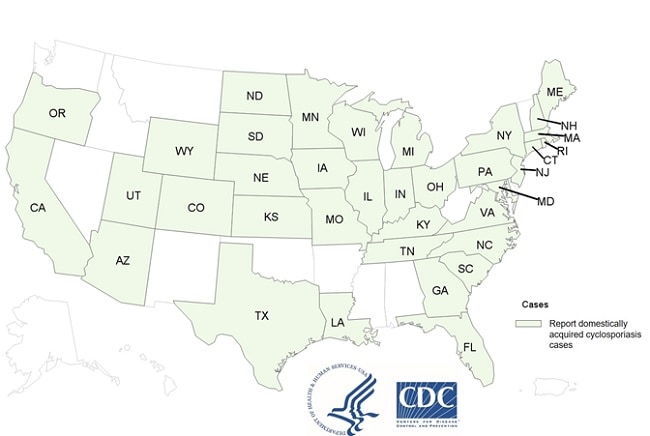
Geographic Distribution of Reported Cases of Domestically Acquired Cyclosporiasis—May 1 to August 31, 2021*

outbreak_map_season_9_30_21

* Data are current as of 09/28/2021 (9:00am EDT). States/jurisdictions highlighted on the map have each reported at least one case. New York State includes case reports from New York City. Data are preliminary and subject to change. For questions related to the number of cases reported in each state, contact that state’s health department.

Botulism Symptoms.

CDC

kswfoodworld

Signs and symptoms might include:

  • Difficulty swallowing
  • Muscle weakness
  • Double vision
  • Drooping eyelids
  • Blurry vision
  • Slurred speech
  • Difficulty breathing
  • Difficulty moving the eyes

Possible signs and symptoms in foodborne botulism might also include:

  • Vomiting
  • Nausea
  • Stomach pain
  • Diarrhea

Signs and symptoms in an infant might include:

  • Constipation
  • Poor feeding
  • Drooping eyelids
  • Pupils that are slow to react to light
  • Face showing less expression than usual
  • Weak cry that sounds different than usual
  • Difficulty breathing

People with botulism might not have all of these symptoms at the same time.

The symptoms all result from muscle paralysis caused by the toxin. If untreated, the disease may progress and symptoms may worsen to cause full paralysis of some muscles, including those used in breathing and those in the arms, legs, and trunk (part of the body from the neck to the pelvis area, also called the torso).

In foodborne botulism, symptoms generally begin 18 to 36 hours after eating a contaminated food.

If you or someone you know has symptoms of botulism, immediately see your doctor or go to the emergency room.

UK – Derby school fined £20,000 after pupil caught E. coli

Derby Telegraph

A Derby school has been fined more than £20,000 for a health and safety breach which was uncovered after a four-year-old pupil caught E. coli.

Wyndham Spencer Academy, which is in Alvaston, was investigated by environmental health officers after the child was hospitalised with the disease in May 2018.

This inquiry revealed that the school, which is part of the Spencer Academies Trust, did not have robust enough risk assessments in place for the variety of farm animals that are kept on the site.

The trust was subsequently charged by the Health and Safety Executive (HSE) for failing to discharge its general health and safety duty to someone who was not an employee.

In court both the HSE and the trust agreed the E. coli case and subsequent hospitalisation could not be linked to the school.

A hearing at Southern Derbyshire Magistrates’ Court on Monday, October 4, was told that while the case could not be linked to a farm at the school which contained goats, pigs and hens, some breaches came to light in the investigation.