Category Archives: Food Micro Blog

Research -Salmonella use intestinal epithelial cells to colonize the gut

Science Daily

kswfoodworld salmonella

The immune system’s attempt to eliminate Salmonella bacteria from the gastrointestinal (GI) tract instead facilitates colonization of the intestinal tract and fecal shedding, according to National Institutes of Health scientists. The study, published in Cell Host & Microbe, was conducted by National Institute of Allergy and Infectious Diseases (NIAID) scientists at Rocky Mountain Laboratories in Hamilton, Montana.

Salmonella Typhimurium bacteria (hereafter Salmonella) live in the gut and often cause gastroenteritis in people. The Centers for Disease Control and Prevention estimates Salmonella bacteria cause about 1.35 million infections, 26,500 hospitalizations and 420 deaths in the United States every year. Contaminated food is the source for most of these illnesses. Most people who get ill from Salmonella have diarrhea, fever and stomach cramps but recover without specific treatment. Antibiotics typically are used only to treat people who have severe illness or who are at risk for it.

Salmonella bacteria also can infect a wide variety of animals, including cattle, pigs and chickens. Although clinical disease usually resolves within a few days, the bacteria can persist in the GI tract for much longer. Fecal shedding of the bacteria facilitates transmission to new hosts, especially by so-called “super shedders” that release high numbers of bacteria in their feces.

NIAID scientists are studying how Salmonella bacteria establish and maintain a foothold in the GI tract of mammals. One of the first lines of defense in the GI tract is the physical barrier provided by a single layer of intestinal epithelial cells. These specialized cells absorb nutrients and are a critical barrier that prevent pathogens from spreading to deeper tissues. When bacteria invade these cells, the cells are ejected into the gut lumen — the hollow portion of the intestines. However, in previous studies, NIAID scientists had observed that some Salmonella replicate rapidly in the cytosol — the fluid portion — of intestinal epithelial cells. That prompted them to ask: does ejecting the infected cell amplify rather than eliminate the bacteria?

To address this question, the scientists genetically engineered Salmonella bacteria that self-destruct when exposed to the cytosol of epithelial cells but grow normally in other environments, including the lumen of the intestine. Then they infected laboratory mice with the self-destructing Salmonella bacteria and found that replication in the cytosol of mouse intestinal epithelial cells is important for colonization of the GI tract and fuels fecal shedding. The scientists hypothesize that, by hijacking the epithelial cell response, Salmonella amplify their ability to invade neighboring cells and seed the intestine for fecal shedding.

The researchers say this is an example of how the pressure exerted by the host immune response can drive the evolution of a pathogen, and vice versa. The new insights offer new avenues for developing novel interventions to reduce the burden of this important pathogen.

Germany – “Every day” pepper salami 200 g – Enterohaemorrhagic E.coli (STEC)

LMW

Warning type: Food
Date of first publication: 05/26/2021
Product name:

“Every day” pepper salami 200 g

Manufacturer (distributor): Zentrale Handelsgesellschaft mbH Offenburg The item was sold exclusively through branches of the Globus retail chain.
Reason for warning:

Enterohaemorrhagic E.coli (STEC) were detected in samples as part of a routine check.

Packaging Unit: 00 g
Durability:

Best before: 05/29/2021

Lot identification: Batch: 1104
Additional Information:

Please refer to the company’s press release attached.

Contact to the responsible authorities:

Baden-Württemberg: poststelle@mlr.bwl.de

Bavaria: poststelle@lgl.bayern.de
Hesse: Schnellwarnung@rpda.hessen.de
Mecklenburg-Western Pomerania: poststelle@lm.mv-regierung.de
Lower Saxony: poststelle@ml.niedersachsen.de
North Rhine-Westphalia: poststelle@mulnv.nrw.de
Rhineland-Palatinate: Poststelle.Referat22@lua.rlp.de
Saarland: poststelle-luv@lav.saarland.de
Saxony: poststelle@sms.sachsen.de
Saxony-Anhalt: poststelle@ms.sachsen-anhalt.de
Thuringia: LM-Ueberendung@tlv.thueringen.de

USA – FDA Releases Results of FY20-FY21 Romaine Lettuce Sampling Assignment


FDA

Eurofins Food Testing UK

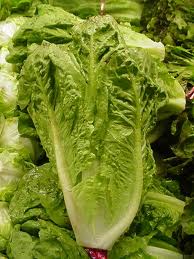
The U.S. Food and Drug Administration is releasing the findings of a sampling assignment that tested raw agricultural commodity romaine lettuce mostly at facilities and on farms in the Salinas, California, and Yuma, Arizona growing regions for the presence of pathogens that have been linked to outbreaks of foodborne illness.

The assignment to detect pathogenic Escherichia coli (specifically, Shiga toxin-producing E. coli or STEC) and Salmonella spp began in November 2019 and ended in December 2020, after a pause in sample collection and testing from March through October 2020 due to the COVID-19 pandemic. The FDA did not detect any pathogens during the assignment.

The agency prioritized sample collection at farms and FDA-registered facilities identified in traceback investigations as suppliers of romaine lettuce possibly linked or linked to outbreaks of foodborne illnesses from 2017 to 2019.   The FDA collected and tested 279 samples for both pathogens. Each sample was made up of 10 subsamples, with each subsample consisting of one or more heads or hearts of romaine lettuce and weighing at least 300 grams. This approach – the collection and testing of samples composed of multiple subsamples – increases the probability of detecting pathogens if present, given that microbial hazards may not be uniformly present. Agency field staff collected all samples in their natural form but for the outer leaves having been removed. No fresh-cut lettuce was collected.

Ensuring the microbiological safety of leafy greens continues to be a priority to the FDA. Although no pathogens were detected during this assignment, maintaining surveillance during the growing/harvesting season is helpful to informing the agency’s leafy greens prevention efforts, specifically those outlined in the FDA’s  Leafy Greens Action Plan. The FDA originally released the action plan in March 2020 to foster a more urgent and collaborative approach to preventing leafy greens outbreaks caused by STEC.  In April 2021, the FDA released an updated version of the plan which reaffirms our commitment to advancing leafy greens safety.

For More Information

EU Research – Risk characterisation of ciguatera poisoning in Europe

EFSA

The EuroCigua project main objective is to characterize the risk of Ciguatera Poisoning (CP) in Europe including several specific objectives: to determine the incidence of ciguatera in Europe and the epidemiological characteristics of cases; to assess the presence of ciguatoxin in food and the environment in Europe and to develop and validate methods for the detection, quantification and confirmation of the presence of ciguatoxin contaminated specimens.

This report compiles the activities carried out during the EuroCigua project from the signing in April 2016 until December 2020. The present document corresponds to Deliverable No. 6: “Final Scientific Report” on Risk characterization of ciguatera food poisoning in Europe of the Specific Agreement no. 1 “MANAGEMENT AND SCIENTIFIC COORDINATION” within the Framework Partnership Agreement GP/EFSA/AFSCO/2015/03 “Risk characterization of ciguatera food poisoning in Europe”.

EU – Shiga toxin-producing Escherichia coli (STEC) infection – Annual Epidemiological Report for 2019

ECDC

ECDC’s annual surveillance reports provide a wealth of epidemiological data to support decision-making at the national level. They are mainly intended for public health professionals and policymakers involved in disease prevention and control programmes.

Executive summary

  • For 2019, 29 EU/EEA countries reported 8 313 confirmed cases of Shiga toxin-producing Escherichia coli (STEC) infection.
  • The overall notification rate was 2.2 cases per 100 000 population.
  • After a stable period, the notification rate increased in 2018−2019.
  • The highest notification rates were reported in Denmark, Iceland, Ireland, Malta, and Norway.
  • The highest rate of confirmed cases was observed in 0–4-year-old children (10.3 cases per 100 000 population).

EU – Legionnaires’ disease – Annual Epidemiological Report for 2019

ECDC

Legionella_Plate_01

ECDC’s annual surveillance reports provide a wealth of epidemiological data to support decision-making at the national level. They are mainly intended for public health professionals and policymakers involved in disease prevention and control programmes.

Executive summary

  • Legionnaires’ disease remains an uncommon and mainly sporadic respiratory infection with an overall notification rate in 2019 for the EU/EEA of 2.2 cases per 100 000 population.
  • There is heterogeneity in notification rates between EU/EEA countries, with the highest rate reported by Slovenia (9.4 cases per 100 000 population).
  • The annual notification rate increased in recent years, from 1.4 in 2015 to 2.2 cases per 100 000 population in 2019.
  • There was a marginal decrease of less than 1% in the number of reported cases in 2019, compared with 2018.
  • Four countries (France, Germany, Italy, and Spain) accounted for 71% of all notified cases in 2019.
  • Males aged 65 years and above were most affected (8.4 cases per 100 000 population).
  • Only 10% of cases were culture-confirmed (10%) probably meaning that disease caused by Legionella species other than Legionella pneumophila is under-estimated.

USA – Salmonella Outbreaks Linked to Backyard Poultry

CDC

Fast Facts
  • Illnesses: 163
  • Hospitalizations: 34
  • Deaths: 0
  • States: 43
  • Recall: No
  • Investigation status: Active
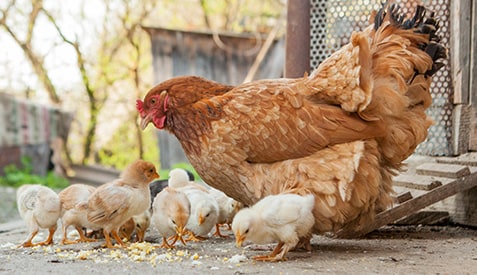
Backyard poultry with chickens eating

Backyard Poultry and Salmonella

Backyard poultry, like chicken and ducks, can carry Salmonella germs even if they look healthy and clean. These germs can easily spread to anything in the areas where they live and roam.

You can get sick from touching your backyard poultry or anything in their environment and then touching your mouth or food, and swallowing Salmonella germs.

What Backyard Flock Owners Should Do
  • Wash your hands
    • Always wash your hands with soap and water immediately after touching backyard poultry, their eggs, or anything in the area where they live and roam.
    • Use hand sanitizer if soap and water are not readily available. Consider having hand sanitizer at your coop.
  • Be safe around backyard flocks
    • Don’t kiss or snuggle backyard poultry, and don’t eat or drink around them. This can spread Salmonella germs to your mouth and make you sick.
    • Keep your backyard flock and supplies you use to care for them (like feed containers and shoes you wear in the coop) outside of the house. You should also clean the supplies outside the house.
  • Supervise kids around flocks
    • Always supervise children around backyard poultry and make sure they wash their hands properly afterward.
    • Don’t let children younger than 5 years touch chicks, ducklings, or other backyard poultry. Young children are more likely to get sick from germs like Salmonella.
  • Handle eggs safely
    • Collect eggs often. Eggs that sit in the nest can become dirty or break.
    • Throw away cracked eggs. Germs on the shell can more easily enter the egg though a cracked shell.
    • Rub off dirt on eggs with fine sandpaper, a brush, or a cloth. Don’t wash them because colder water can pull germs into the egg.
    • Refrigerate eggs to keep them fresh and slow the growth of germs.
    • Cook eggs until both the yolk and white are firm, and cook egg dishes to an internal temperature of 160°F to kill all germs.

Call your healthcare provider right away if you have any of these severe symptoms:

  • Diarrhea and a fever higher than 102°F
  • Diarrhea for more than 3 days that is not improving
  • Bloody diarrhea
  • So much vomiting that you cannot keep liquids down
  • Signs of dehydration, such as:
    • Not urinating (peeing) much
    • Dry mouth and throat
    • Feeling dizzy when standing up

USA – FSIS Issues Public Health Alert for Frozen, Cooked Diced Poultry Products Due to Possible Listeria Contamination

FSIS USDA

FSIS Announcement

WASHINGTON, May 24, 2021 – The U.S. Department of Agriculture’s Food Safety and Inspection Service (FSIS) is issuing a public health alert for approximately 130,860 pounds of frozen fully cooked, diced chicken products because they may be contaminated with Listeria monocytogenes.

The frozen, fully cooked, diced chicken items were packed on Jan. 25, 2021, Jan. 26, 2021, March 23, 2021, and March 24, 2021. The following products are subject to the public health alert:

  • 4-lb. plastic bags containing “FULLY COOKED CHICKEN MEAT ¾ DICED WHITE” with code 13530, Est. number P-18237, and pack dates of “01/25/2021” and “01/26/2021.”
  • 4-lb. plastic bags containing “FULLY COOKED CHICKEN MEAT DARK/WHITE ¾ DICED” with code 16598, Est. number P-45638, and pack dates “24/MAR/2021” and “23/MAR/2021.”

The products bear establishment numbers “P-18237” or “P-45638” inside the USDA mark of inspection and were distributed by Big Daddy Foods, Inc., a Houston, Texas firm. These items were further distributed to consumers at local food banks in Florida through the USDA Farmers to Families Food Box program in individual food boxes. The products were distributed between Feb. 25, 2021 through March 1, 2021, and March 29, 2021 through April 8, 2021, at temporary locations.

The problem was discovered during routine FSIS inspection activities when inspection personnel observed products requiring recooking due to possible Lm contamination had been repackaged without being recooked. A subsequent FSIS investigation determined other affected product had been further distributed in commerce. There have been no confirmed reports of adverse reactions due to consumption of these products. Anyone concerned about an illness should contact a health care provider.

Consumption of food contaminated with L. monocytogenes can cause listeriosis, a serious infection that primarily affects older adults, persons with weakened immune systems, and pregnant women and their newborns. Less commonly, persons outside these risk groups are affected.

Listeriosis can cause fever, muscle aches, headache, stiff neck, confusion, loss of balance and convulsions sometimes preceded by diarrhea or other gastrointestinal symptoms. An invasive infection spreads beyond the gastrointestinal tract. In pregnant women, the infection can cause miscarriages, stillbirths, premature delivery or life-threatening infection of the newborn. In addition, serious and sometimes fatal infections can occur in older adults and persons with weakened immune systems. Listeriosis is treated with antibiotics. Persons in the higher-risk categories who experience flu-like symptoms within two months after eating contaminated food should seek medical care and tell the health care provider about eating the contaminated food.

Consumers who have received these products are urged not to consume them. These products should be thrown away.

FSIS advises all consumers to reheat ready-to-eat product until steaming hot.

Consumers with food safety questions can call the toll-free USDA Meat and Poultry Hotline at 1-888-MPHotline (1-888-674-6854) or live chat via Ask USDA from 10 a.m. to 6 p.m. (Eastern Time) Monday through Friday. Consumers can also browse food safety messages at Ask USDA or send a question via email to MPHotline@usda.gov . For consumers that need to report a problem with a meat, poultry, or egg product, the online Electronic Consumer Complaint Monitoring System can be accessed 24 hours a day at https://foodcomplaint.fsis.usda.gov/eCCF/.

Product Images

Company Information

ESTABLISHMENT ID
PROCESSING CATEGORY

Fully Cooked – Not Shelf Stable

Company Contact Information

COMPANY MEDIA CONTACT
Company Media Contact
FSIS Contact Information
MEDIA CONTACT
Congressional and Public Affairs
Maria Machuca

UK- Asda recalls Vegetable Cous Cous 500g because of possible contamination with Salmonella

FSA

Asda has recalled its Vegetable Cous Cous 500g because it may be contaminated with salmonella.

Product details

Asda Vegetable Cous Cous
Pack size 500g
Use by All date codes up to and including 03 June 2021

Risk statement

The presence of Salmonella in the product listed above.

Symptoms caused by Salmonella usually include fever, diarrhoea and abdominal cramps.

Action taken by the company

Asda is recalling the above product. Point of sale notices will be displayed in all retail stores that are selling this product. These notices explain to customers why the product is being recalled and tell them what to do if they have bought the product. Please see the attached notice.

Our advice to consumers

If you have bought any of the above product do not eat it. Instead, return it to the store from where it was bought for a full refund.

USA – Interstate Food Products Recalls Little Hatches Jalapeno Cream Cheese Because of Possible Health Risk – Listeria monocytogenes

FDA

Summary

Company Announcement Date:
FDA Publish Date:
Product Type:
Food & Beverages
Reason for Announcement:
Listeria monocytogenes
Company Name:
Interstate Food Products
Brand Name:
Little Hatches
Product Description:
Jalapeno Cream Cheese

Company Announcement

Interstate Food Products of Lakewood Colorado, is recalling its 14 ounce containers of Little Hatches Jalapeno Cream Cheese because they have the potential to be contaminated with Listeria monocytogenes, an organism which may cause serious and sometimes fatal infections in young children, frail or elderly people, and others with weakened immune systems. Although healthy individuals may suffer only short-term symptoms such as high fever, severe headache, stiffness, nausea, abdominal pain and diarrhea, Listeria infection can cause miscarriages and stillbirths among pregnant women.

The recalled Little Hatches Jalapeno Cream Cheese were distributed in 6 Whole Foods stores. UPC code is 63818396147.

The product comes in a 14 ounce, clear plastic package marked with sell by date of 05/21 on top of container.

No illnesses have been reported to date in connection with this problem.

The potential for contamination was noted after routine testing by the FDA revealed the presence of Listeria monocytogenes in 14 ounce packages of Little Hatches Jalapeno Cream Cheese.

Product was delivered to Whole Foods stores in the Denver Colorado Metro area.

Consumers who have purchased 14 ounce containers of ” Little Hatches Jalapeno Cream Cheese are urged to return them to the place of purchase for a full refund. Consumers with questions may contact the company at 720-626-9917, Monday thru Friday 9:00 to 3:00 EDT.


Company Contact Information

Consumers:
Interstate Food Products
 720-626-9917
 

Product Photos