Category Archives: Food Inspections

Research – Spread of Hepatitis A virus strains of genotype IB in several EU countries and the United Kingdom – including foodborne spread

ECDC

As of 29 September 2022, 303 cases with identical or closely related HAV strains have been identified in Austria (7), Germany (8), Hungary (161), the Netherlands (8), Slovenia (35), Sweden (8), and the UK (76). Currently available epidemiological and microbiological data suggest that human-to-human transmission has occurred, and possibly also transmission through contaminated food.

On 15 February 2022, Hungary reported an outbreak of HAV genotype IB with the disease onset of the first case in early December 2021. To date, 161 cases (139 males, 22 females) have been confirmed with this strain in the National Hepatitis Reference Laboratory in Hungary. The weekly number of reported hepatitis A cases have been declining since June 2022. Several infected people identified themselves as men who have sex with men (MSM), suggesting possible transmission among sexual contacts. Several patients have been hospitalised.

In July 2022, a foodborne outbreak was suspected with a link to a restaurant in Hungary, where 16 people fell ill with HAV IB infection. Some of the patients reported consuming cold soup made with frozen berries. In the UK, no clear source of infection has been identified, but epidemiological investigations so far indicate possible foodborne infections in addition to person-to-person transmission. Germany, the Netherlands, and Sweden have reported a total of nine cases infected with strains matching the sequences of the UK strain. Investigations of these cases didn’t find any clear risk factors for infection such as a travel history or consumption of berries. Further investigations are ongoing.

HAV is highly transmissible through contaminated water, food, and via the faecal–oral route among close contacts (e.g. household contacts, sexual contacts, and contacts in day-care centres or schools), with an average incubation period of four weeks, ranging from two to six weeks. The virus is highly resistant to environmental conditions as well as to several preservation methods like acidification or freezing. Therefore, possible food-borne transmission should be investigated when several cases are reported within a short period.

Practising good hand hygiene – including thoroughly washing hands with soap after using the bathroom, changing nappies, and before preparing or eating food – plays an important role in preventing the spread of hepatitis A. Scaling up surveillance to detect and investigate sporadic and clusters of cases possibly associated with foodborne transmission in collaboration with food safety authorities is essential.

MSM are at risk of HAV infection when engaging in sexual practices that facilitate faecal-oral transmission of the virus. Hepatitis A vaccination, which is safe and highly effective, is the main option for response in the context of the current circulation of HAV genotype IB among MSM. The World Health Organisation and most EU/EEA countries recommend hepatitis A vaccination for MSM.

Besides vaccination, other options can contribute to the prevention of transmission among MSM: the use of condoms for anal sex, which have the additional benefit of offering protection against other sexually transmitted infections and good personal hygiene (e.g. washing hands and genital areas before and after sex). For the provision of primary prevention advice, authorities should consider engaging with civil society, social media, media outlets and dating apps to raise awareness among MSM about the risk of contracting HAV and the importance of vaccination. MSM who have already contracted the infection should be referred to sexual health services for further testing.
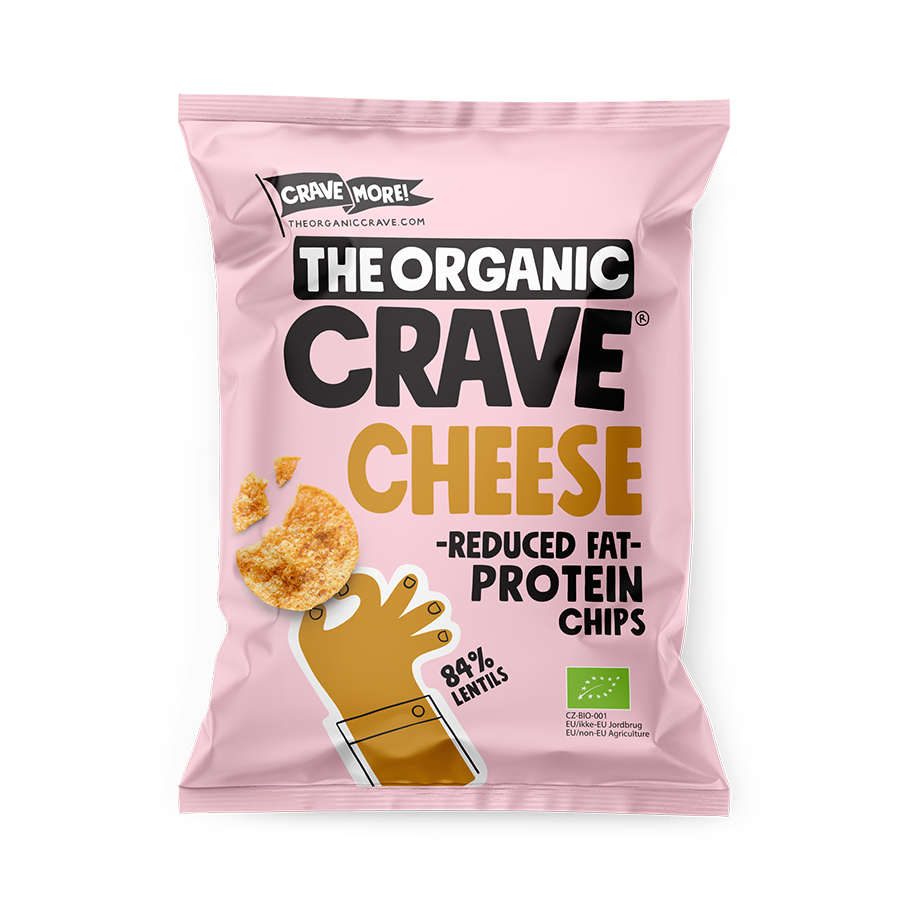

Netherlands – Crave Chips variant Cheese from The Organic Crave Company – Salmonella

NVWA

Safety warning Crave Chips variant Cheese from The Organic Crave Company

The Organic Crave Company warns against Crave Chips variant Cheese from The Organic Crave Company. The product may be contaminated with salmonella. Do not eat the product.

See the website of the Bickery Food Group

Which product is it?

  • Crave Chips variant Cheese packaging
  • Best before date (Best before): 08-05-2023
  • Lot number: 20202008D

USA – The Chai Box Announces Voluntary Recall of Chai Concentrate Mix and Chai Concentrate Unsweetened Mix Due to Potential Clostridium Botulinum Contamination

FDA

Front product label, Chai Concentrate 16 oz

Summary

Company Announcement Date:
FDA Publish Date:
Product Type:
Food & Beverages
Reason for Announcement:
Potential under-processing which may lead to Clostridium botulinum contamination.
Company Name:
The Chai Box
Brand Name:
The Chai Box
Product Description:
CHAI CONCENTRATE MIX AND CHAI CONCENTRATE UNSWEETENED MIX

Company Announcement

Marietta, GA, September 29, 2022 – The Chai Box announced a recall of 16 oz glass bottles Chai Concentrate Mix, UPC 7 93611 81925 2 and 64 oz plastic bottles of Chai Concentrate Mix UPC 7 93611 81926 9 and 16 oz glass bottles Unsweetened Chai Concentrate Mix, UPC 793611819252 and 64 oz plastic bottles of Unsweetened Chai Concentrate Mix UPC 793611819269 due to potential under-processing which may lead to Clostridium botulinum contamination. These deviations were part of the commercial sterilization process and could result in contamination by spoilage organisms or pathogens, which could lead to life-threatening illness if consumed. No other production codes or products are affected by this recall.

It is important to note that there have been no reports of illness associated with this product to date.

The products subject to recall are 16 oz glass bottles and 64 oz plastic bottles with Best By dates between 09/22/2022 and 03/16/2023. Please see that attached photos for ease of identification of the products.

We were notified of the problem during a process review by the Georgia Department of Agriculture. The products were shipped nationwide to consumers, retailers and wholesalers. Some product was also shipped to two consumers in Canada. Product is available online and via retail and wholesale facilities.

The Best By date is either etched on the bottles or on a sticker is located on the bottom or side of the bottles. If consumers have any product with the indicated “Best By” dates, they should return it to the place of purchase for a full refund or exchange. Consumers with questions may contact the company by calling 844-242-4269, Monday-Friday, 9:00 am – 5:00 pm Eastern Time or by emailing at recall@thechaibox.com.


Company Contact Information

Consumers:
The Chai Box
 844-242-4269
 recall@thechaibox.com

RASFF Alerts – Salmonella – Sesame Seeds – Polish Chicken Products – Chicken Burger – Sesame Paste – Chicken Breast – Salted Chicken

RASFF

Salmonella enterica ser. Enteritidis detected in chilled boneless skinless chicken breast from Poland in Romania

RASFF

Salmonella spp in frozen chicken burgers from Greece in Bulgaria and the Czech Republic

RASFF

Salmonella spp. in sesame paste from Turkey in Austria, France, Germany, Slovenia

RASFF

SALMONELLA IN SESAME SEEDS FROM TURKEY in Greece

RASFF

SALMONELLA IN SESAME SEEDS FROM TURKEY in Greece

RASFF

SALMONELLA IN SESAME SEEDS FROM TURKEY in Greece

RASFF

SALMONELLA IN SESAME SEEDS FROM TURKEY in Greece

RASFF

SALMONELLA IN SESAME SEEDS FROM TURKEY in Greece

RASFF

SALMONELLA IN SESAME SEEDS FROM TURKEY in Greece

RASFF

SALMONELLA IN SESAME SEEDS FROM TURKEY in Greece

RASFF

SALMONELLA IN SESAME SEEDS FROM TURKEY in Greece

RASFF

Salmonella enteritidis in Chicken breast from the Netherlands in the UK and Northern Ireland

RASFF

Salmonella (presence /25g) in frozen salted chicken from Thailand in the Netherlands

RASFF

Salmonella (presence /25g) in frozen salted chicken from Thailand in the Netherlands

RASFF Alert – Bacillus cereus – Fresh Spinach

RASFF

Bacillus cereus (with diarrhoeic toxin-producing capacity) in fresh spinach from Italy in Germany

RASFF Alerts – Histamine – Tuna Cans – Sardines

RASFF

Detection of histamine on tuna cans from Spain in France

RASFF

Detection of histamine in a batch of sardines from the UK in France

RASFF Alerts – E.coli – Petit Pont L’eveque Cheese – Mussels

RASFF

Petit Pont l’evêque – E. coli from France  in Belgium and Luxembourg

RASFF

E. coli in bouchot mussels from France in China, Hong Kong and Macau

RASFF Alerts – Listeria monocytogenes – Raclette Cheese – Chilled Pastrami – Yoghurt

RASFF

Raclette cheese Listeria monocytogenes from France in Italy

RASFF

Listeria monocytogenes in chilled pastrami from Belgium in the Netherlands

RASFF

Listeria monocytogenes in a batch of Yoghurt from Ireland in Northern Ireland

RASFF Alerts – Aflatoxin – Groundnuts – Dried Figs

RASFF

Aflatoxin in Argentine groundnuts in the Netherlands

RASFF

Aflatoxins B1 in organic dried figs from Turkey in Germany

RASFF

Aflatoxins IN DRIED FIGS GARLAND FROM TURKEY in Bulgaria and Hungary

RASFF Alerts – Ochratoxin A – Dried Figs

RASFF

Ochratoxin A in Turkish dried Figs in the Netherlands

RASFF

Ochratoxin A in dried figs from Turkey in Italy