Public Health has temporarily closed the kitchen of the Doblemar Hotel, located on the Gran Via in La Manga del Mar Menor, after 63 guests were taken ill with food poisoning. Sources have since revealed that the outbreak was originally detected on July 25, but that more cases were reported in recent days and the kitchen was shut this week while the source of the contamination is investigated.
While many of those affected have suffered only mild symptoms, such as nausea, fever or vomiting, as many as 20 of the guests have had to be admitted to hospital.
Food poisoning, or norovirus infection, usually causes gastroenteritis, the most common symptoms of which are stomach pain, nausea, vomiting and diarrhoea. Most people develop symptoms 12 to 48 hours after contracting norovirus, and they can last up to three days. Contagion occurs by coming into direct contact with an infected person, by consuming intoxicated food or water and by touching contaminated surfaces and then touching the mouth with the hands. There is no specific drug against this virus, and doctors recommend drinking plenty of fluids to avoid dehydration.
State epidemiologists are investigating the source of a suspected foodborne illness outbreak that sickened dozens of hospital employees in the Kenai Peninsula community of Homer on Friday.
Almost 80 employees at South Peninsula Hospital in Homer were sickened with a gastrointestinal illness by Saturday morning, said hospital information officer Derotha Ferraro.
Everyone who got sick had eaten food brought in as employee meals from a variety of local food establishments, health officials wrote.
The main symptoms reported included diarrhea and stomach cramps. Most of the people who reported symptoms started feeling sick on Thursday night into Friday morning, according to the Department of Health and Social Services.
Australian officials have reported three hepatitis A infections linked to dates imported from Jordan.
The strain is identical to the one that caused an outbreak of hepatitis A in the United Kingdom earlier this year, which was also caused by fresh Medjool dates from Jordan. Dates were recalled by Sainsbury’s and Marks and Spencer.
In the UK, at least 30 people fell ill in different parts of England with one person sick in Wales. They had a median age of 60 and ranged from 6 to 93 years old with 25 people needing hospital treatment.
They have not yet named any specific brands or flavors of cake mix related to an outbreak of E. coli infections, but federal officials have begun product testing in relation to the illnesses.
Sixteen people across 12 states have been confirmed as being infected, with seven requiring hospitalization, according to the Centers for Disease Control and Prevention. Illnesses began Feb. 26 with the most recent one beginning June 21.
More patients will likely be identified, according to federal officials because of the long shelf life of cake mixes and the time lag between when a person becomes ill and when the illness is confirmed and reported to the CDC.
The Food and Drug Administration has been working with the CDC on the outbreak investigation and reported on Aug. 4 that the agency has begun product testing. The FDA has also initiated traceback efforts and onsite inspections. However no producer or specific products have been named by the FDA or CDC.
The Public Health Agency of Canada (PHAC) is collaborating with provincial public health partners, the Canadian Food Inspection Agency (CFIA) and Health Canada to investigate an outbreak of Hepatitis Ainfections occurring in Québec and Nova Scotia. The outbreak appears to be ongoing, as recent illnesses continue to be reported to PHAC.
Based on the investigation findings to date, exposure to frozen mangoes has been identified as a likely source of the outbreak. Two of the individuals who became sick reported consuming frozen mangoes before their illnesses occurred. Leftover frozen mangoes were collected from the homes of ill individuals and tested positive for Hepatitis A.
The CFIA has issued a food recall warning for various frozen mangoes sold under various brands. The recalled products have been distributed in Saskatchewan, Manitoba, Ontario, Québec, New Brunswick, Nova Scotia, Prince Edward Island, Newfoundland and Labrador, and may have been distributed in other provinces and territories. More information on the recalled products is available on CFIA’s website.
Canadians are advised not to eat any recalled food products. If you suspect you have been exposed to recalled products, or have symptoms consistent for Hepatitis A, see your health care provider immediately. Vaccination can prevent the onset of symptoms if given within 14 days of exposure. This notice contains more advice on how to avoid getting sick.
This public health notice will be updated as the investigation evolves.
Investigation summary
As of July 31, 2021, there are three laboratory-confirmed cases of Hepatitis A illness being investigated in the following provinces: Québec (2), and Nova Scotia (1). Individuals became sick between late March 2021 and mid June 2021. No hospitalizations or deaths have been reported. Individuals who became ill are between 23 and 63 years of age. The majority of cases (67%) are female.
The CFIA is continuing its food safety investigation, which may lead to the recall of other products. If other high-risk products are recalled, the CFIA will notify the public through updated food recall warnings.
It is possible that more recent illnesses may be reported in the outbreak because there is a period of time between when a person becomes ill and when the illness is reported to public health officials. For this outbreak, the illness reporting period is between two and six weeks.
Who is most at risk
Hepatitis A infections can occur among people of all ages; however, although rare, the severity of illness increases with age. Those with underlying liver disease are also at increased risk for severe illness.
If you have been exposed to Hepatitis A it is possible to spread the virus to other people before you experience any symptoms.
If you suspect you have been exposed to recalled products , or have symptoms consistent for Hepatitis A, see your health care provider immediately. Vaccination can prevent the onset of symptoms if given within 14 days of exposure.
If you are unsure whether a frozen mango product you have in your home is part of the food recall warning, do not consume it. Secure the product in a plastic bag, throw it out and wash your hands with warm soapy water.
If you order food and drinks containing frozen mangoes at a restaurant or food establishment, ask the staff whether the mangoes are part of the food recall warning. If they are, or if they don’t know, don’t eat or drink these food products.
Wash and sanitize any drawers or shelves in fridge and freezer areas where recalled products were stored.
Wash your hands before and after preparing or eating food, and after using the washroom or changing diapers.
If you have been diagnosed with Hepatitis A, do not prepare or serve food and drinks to others.
If you have been exposed to Hepatitis A, it is possible to spread the virus to other people before you experience any symptoms.
Symptoms
Not everyone who is infected will have symptoms. Symptoms are more likely to occur in adults than in children. Symptoms of hepatitis A include:
fever
dark urine
loss of appetite
fatigue (tiredness)
nausea and vomiting
stomach cramps or abdominal pain
jaundice (yellowing of the skin and eyes)
After you have been exposed to hepatitis A, symptoms typically appear 14 to 28 days later, but may occur up to 50 days later.
Symptoms usually last less than two months. Mild symptoms may last only one or two weeks, while severe symptoms can last up to nine months.
What is the Government of Canada doing
The Government of Canada is committed to protecting the health of Canadians from enteric disease outbreaks.
The Public Health Agency of Canada leads the human health investigation into an outbreak and is in regular contact with its federal, provincial and territorial partners to monitor the situation and to collaborate on steps to address an outbreak.
Health Canada provides food-related health risk assessments to determine whether the presence of a certain substance or microorganism poses a health risk to consumers.
The Canadian Food Inspection Agency conducts food safety investigations into the possible food source of an outbreak.
Epidemiological information
Figure 1 is an epidemiological curve for this outbreak, which shows the numbers of new cases by week. Outbreak investigators use this information to show when illnesses begin when they peak and when they trail off. It can take several weeks from the time a person becomes ill to when the illness is reported and testing confirms a link to the outbreak. Data are available for 3 cases.
Figure 1. Number of people infected with Hepatitis AFigure 1 – Text description
The Luxembourg food safety authorities recall the following product:
Last name
Pimentao Doce
Mark
Dom Duarte
Unity
50 g
Date of Minimum Durability (DDM)
06/30/2024
Lot
L169S20
Danger : Presence of ochratoxin A
Ochratoxin A is a mold-produced mycotoxin that can be found in different products such as grains, coffee, rice, spices and raisins. With repeated consumption, ochratoxin A may be carcinogenic and may have toxic effects on the kidneys.
Sale in Luxembourg by: Grupo Celeste (Epicerie), Esch-sur-Alzette
A sale by other operators cannot be excluded.
Source of information: RASFF (Rapid Alert System for Food and Feed)
Communicated by: Government Commission for Quality, Fraud and Food Safety .
Pure Eire Dairy in Washington state has closed down for good. State officials linked the dairy to an outbreak of E. Coli infections beginning in May.
As of June 24 there were 17 confirmed patients in the outbreak. Ten of the patients are younger than 10 years old. Ten of the 17 patients have had such severe symptoms they had to be admitted to hospitals. The Washington health department has not released the ages of those who have hospitalized.
Of the 17 outbreak patients, four have developed hemolytic uremic syndrome (HUS), a type of kidney failure that can be fatal. Three of the patients live in Arizona and are thought to have become infected through person-to-person contact by visitors from Washington.
Most of the sick people reported eating organic yogurt made by the Pure Eire Dairy in Othello, WA. Both PCC brand and Pure Eire brand yogurt have been recalled.
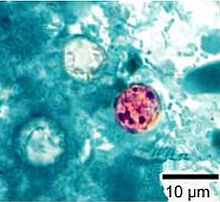
Cyclospora investigation overview (as of July 30, 2021)
Each spring and summer, Canada sees anincrease in non-travel related Cyclospora illnesses reported to the Public Health Agency of Canada (PHAC). PHAC is working with its public health and food safety partners to identify possible ways infections are occurring in Canada. Previous Cyclospora illnesses have been linked to various types of imported fresh produce, including pre-packaged salad mix, basil, cilantro, berries, lettuce, and snow and snap peas. Learn more about the causes, symptoms and risks of infection, as well as how to prevent and treatan illness.
Two people in Romania have been diagnosed with botulism, according to Agerpres, the country’s news agency.
This past weekend, a man went to hospital in the city of Arad and his wife was later diagnosed as being infected. They are believed to have eaten homemade ham.
The news agency reported that there was no antitoxin available so health officials had to get some from Moldova. Both patients remain under observation in hospital.
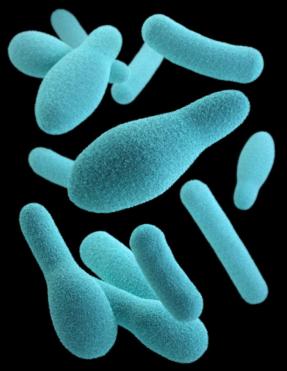
Botulism poisoning is a rare illness caused by toxins produced by Clostridium botulinum bacteria.
A recent study analyzed the clinical and epidemiological data of patients diagnosed with botulism and hospitalized at one facility in Romania. Findings were published in the journal Environmental Science and Pollution Research.