Category Archives: Food Illness

USA – Salmonella Outbreaks Linked to Italian-Style Meats

CDC

CDC and partners are investigating two Salmonella outbreaks linked to Italian-style meats. People in both outbreaks report eating salami, prosciutto, and other meats that can be found in antipasto or charcuterie assortments before getting sick. Investigators are working to identify specific contaminated products and determine if the two outbreaks are linked to the same food source.

Fast Facts
  • Illnesses: 36
  • Hospitalizations: 12
  • Deaths: 0
  • States: 17
  • Recall: No
  • Investigation status: Active

CDC, public health and regulatory officials in several states, and the U.S. Department of Agriculture’s Food Safety and Inspection Service (USDA-FSIS) are collecting different types of data to investigate two multistate outbreaks of Salmonella infections—one involving Salmonella Typhimurium infections and one with Salmonella Infantis infections.

Epidemiologic data show that the likely sources of both outbreaks are Italian-style meats. Investigators are working to determine specific brands and products that are causing illnesses and whether the outbreaks are linked to the same Italian-style meat brands and products.

Epidemiologic Data

As of August 24, 2021, a total of 36 people infected with either Salmonella outbreak strain have been reported. This includes 23 people who are part of the Salmonella Typhimurium outbreak and 13 people who are part of the Salmonella Infantis outbreak.

The true number of sick people in the outbreaks is likely much higher than the number reported, and the outbreaks may not be limited to the states with known illnesses. This is because many people recover without medical care and are not tested for Salmonella. In addition, recent illnesses may not yet be reported as it usually takes 3 to 4 weeks to determine if a sick person is part of an outbreak.

UK – Almost 200 sick in UK-wide Salmonella outbreak; one-third hospitalised

Food Safety News

Nearly 200 people across the United Kingdom are part of a Salmonella outbreak linked to pork scratching products.

There have been 179 reported cases of Salmonella Infantis since September 2020, according to the Food Standards Agency and Food Standards Scotland.

Public Health England said 56 percent of cases are male, and ages range from 0 to 91 years old with a median of 53. Almost two thirds of those sick have been reported since June 2021.

No deaths are linked to the outbreak but a third of the confirmed cases who completed case interviews have been hospitalized with Salmonella infections.

Finland – Undercooked burgers suspected for E. coli cases in Finland

Food Safety News

Finnish authorities have issued a warning after a number of E. coli infections were linked to hamburger patties.

The National Institute for Health and Welfare (THL) and Finnish Food Authority (Ruokavirasto) were made aware of several E. coli infections earlier this year after people ate burgers. Municipal inspectors investigated cases locally and took food samples.

E. coli may be present in raw ground (minced) meat and medium-cooked ground meat so patties should always be eaten fully cooked, said the agency.

When handling raw meat, care must be taken to wash hands, utensils and surfaces to prevent the transfer of bacteria to ready to eat foods such as salads.

New Zealand – Paroa Bay brand Raw Oysters – Updated

MPI

Updated on 12 August 2021: This recall has been extended to include distribution to Countdown supermarkets throughout the North Island and Ocean Seafoods in Opotiki.

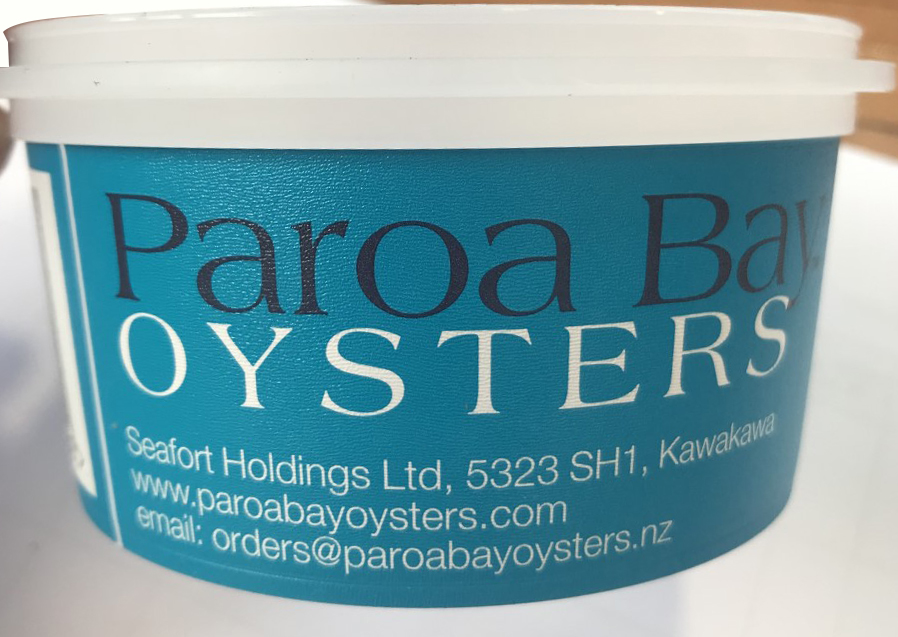
10 August 2021: Paroa Bay Oysters Ltd is recalling its Paroa Bay brand Raw Oysters (200ml Pottle) and any other oysters purchased from Paroa Bay Oysters Ltd Factory Shop from 30 July 2021 to 05 August 2021 due to suspected illness.

Paroa Bay brand Raw Oysters (200ml Pottle)
Product identification
Product type Fresh raw oysters
Name of product (size) Paroa Bay brand Raw Oysters (200ml Pottle) and any other oysters purchased from Paroa Bay Oysters Ltd Factory Shop from 30 July 2021 to 05 August 2021.
Batch marking Batch numbers: 3572, 3574, 3575, 3576, 3577, 3578, 3579, 3580, 3581, 3582, 3583
Date marking Use by date up to and including 15AUG2021
Package size and description The product is sold in a 200ml plastic pottle.
Distribution The affected products are sold at Countdown supermarkets throughout the North Island, Ocean Seafoods in Opotiki and at Paroa Bay Factory Shop in Kawakawa, Bay of Islands

The product is not exported

Notes This recall does not affect any other Paroa Bay brand Raw Fresh and Raw Frozen Oysters brand products or batches.

Consumer advice

Customers are asked to check the batch mark and use by date on the lid of the pottle.

Affected products should not be consumed. There have been reports of associated illness in New Zealand. If you have consumed any of this product and have any concerns about your health, seek medical advice.

Customers should return the product to their retailer for a full refund.

Who to contact

If you have questions, contact Paroa Bay Factory Shop:

  • Phone: 021 136 4346
  • Address: 5323, State Highway 1, Kawakawa, Northland 0243.

USA – Outbreak Investigation of Salmonella Weltevreden: Shrimp (April 2021) – New cases identified. Shrimp outside of recall linked to illnesses.

FDA

he FDA, along with CDC and state and local partners, investigated a multistate outbreak of Salmonella Weltevreden infections linked to the consumption of frozen cooked shrimp manufactured by Avanti Frozen Foods of India. On 7/21/2021, the CDC announced that this outbreak was over.

Since July 21, 2021, additional cases have been identified in this outbreak. At least one ill person consumed shrimp that are not a part of the current recall. Due to this new information, on August 10, 2021 the FDA asked the firm to expand their current recall to prevent additional illnesses. As of August 11, 2021, the firm has not initiated an expanded recall. FDA is continuing discussions with the firm and will provide more updates when available.

Recommendation

Previously recalled shrimp should no longer be available for sale; however, these products have a long shelf life, and consumers, restaurants, and retailers should check their freezers and should throw away any recalled shrimp. Anyone who received recalled shrimp should use extra vigilance in cleaning and sanitizing any surfaces that may have come in contact with the recalled product, to reduce the risk of cross contamination.

The current recall includes the following brands: CENSEA, CHICKEN OF THE SEA, HONEST CATCH, CWNO, HANNAFORD, WATERFRONT BISTRO, OPEN ACRES, 265, and MEIJER. Please check the recall announcement for full product descriptions.

FDA will share additional product information as soon as it becomes available, including if there are additional products and production dates to avoid.

Do not eat and throw away any products on the recall list.

USA – Clostridium perfringens is bug that hit South Peninsula Hospital in Anchorage Alaska

Food Poison Journal

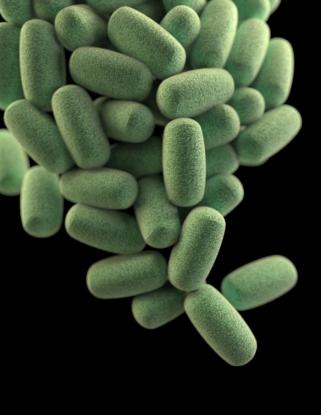
CDC Clost perf

Image CDC

Morgan Krakow of the Anchorage Daily News reported that Health officials have traced the source of a foodborne illness outbreak that sickened dozens of hospital workers in Homer to a single item, the Department of Health and Social Services said in a release Monday.

It was a Cubano sandwich, experts who investigated the incident think. In fact, it was probably the pulled pork inside of it, said Jeremy Ayers, section manager with the Food Safety and Sanitation Program within the Division of Environmental Health.

When investigating an outbreak, epidemiologists look at people’s symptoms and when they began. They start to form an idea of what dish was the likely offender. In this case a lot of signs pointed to the Cubano, Ayers said.

“[The] statistics that they came up with were pretty compelling that that sandwich was the implicated food item,” Ayers said.

Experts determined that the Homer incident likely involved a pathogen associated with cooked meat and poultry called Clostridium perfringens.

Russia – Norovirus outbreak sickens dozens of children onboard train

Outbreak News Today

norovirus-2(1)

“87 children who were poisoned on the Murmansk-Adler train are being treated in the hospitals of the Kuban. As of August 8, there are 67 minors in Tuapse CRH # 1 with intestinal infection, in Apsheronskaya – 12, in Belorechenskaya – 8. Doctors assess the condition of children as mild and moderate”.

A  criminal case was opened on the fact of poisoning the children. The employee of the restaurant car, where the children ate before the poisoning, was  suspended  from work.

New Zealand – Paroa Bay brand Raw Oysters – Food Illness

MPI

10 August 2021: Paroa Bay Oysters Ltd is recalling its Paroa Bay brand Raw Oysters (200ml Pottle) and any other oysters purchased from Paroa Bay Oysters Ltd Factory Shop from 30 July 2021 to 05 August 2021 due to suspected illness.

Paroa Bay brand Raw Oysters (200ml Pottle)
Product identification
Product type Fresh raw oysters
Name of product (size) Paroa Bay brand Raw Oysters (200ml Pottle) and any other oysters purchased from Paroa Bay Oysters Ltd Factory Shop from 30 July 2021 to 05 August 2021.
Batch marking Batch numbers: 3572, 3574, 3575, 3576, 3577, 3578, 3579, 3580, 3581, 3582, 3583
Date marking Use by date up to and including 15AUG2021
Package size and description The product is sold in a 200ml plastic pottle.
Distribution The affected products are sold at Paroa Bay Factory Shop in Kawakawa, Bay of Islands.

The product is not exported

Notes This recall does not affect any other Paroa Bay brand Raw Fresh and Raw Frozen Oysters brand products or batches.

Consumer advice

Customers are asked to check the batch mark and use by date on the lid of the pottle.

Affected products should not be consumed. There have been reports of associated illness in New Zealand. If you have consumed any of this product and have any concerns about your health, seek medical advice.

Customers should return the product to their retailer for a full refund.

Who to contact

If you have questions, contact Paroa Bay Factory Shop:

  • Phone: 021 136 4346
  • Address: 5323, State Highway 1, Kawakawa, Northland 0243.

France- Product recall: Saint-Nectaire AOP Fermier brand Le Coq – Listeria monocytogenes

Gov france

ENCOUNTERED PROBLEM

Presence of Listeria monocytogenes

PROPOSED SOLUTION

People who may have this product are asked not to consume it and to return it to the point of sale where it was purchased.

People who have consumed this product and who present with fever, isolated or accompanied by headaches, are invited to consult their attending physician, notifying him of this consumption.
Pregnant women should pay special attention to these symptoms, as well as immunocompromised people and the elderly. These symptoms may suggest listeriosis, a disease that can be serious and can take up to eight weeks to incubate.

FURTHER INFORMATION

▸ Model names or references
Saint-Nectaire Fermier Le Coq Rayon Coupe


▸ Affected products

GTIN Lot Dated
3427013347927 19724451 Date of minimum durability 09/14/2021

▸ Packaging
From 07/20/2021 to 08/07/2021


▸ Start / end date of marketing


▸ Health mark
FR 15.092.001 CE


▸ Geographical area of ​​sales throughout
France


▸ Distributors
CASINO / INTERMARCHE / CARREFOUR / SARL VAYSSIERE ET FOIS


▸ Consumer service contact
0458020233


▸ Source
LES FROMAGERIES OCCITANES

Research – Food scientists create national atlas for deadly Listeria

Cornell

Among the deadliest of foodborne pathogens, Listeria monocytogenes soon may become easier to track down in food recalls and other investigations, thanks to a new genomic and geological mapping tool created by Cornell food scientists.

The national atlas will tell scientists where listeria and other related species reside within the contiguous United States, which could help them trace and pinpoint sources of listeria found in ingredients, food processing facilities and finished products, according to research published July 15 in Nature Microbiology.

“As we’re trying to figure out the risk of getting listeria from soil and different locations, our group created a more systematic way of assessing how frequently different listeria are found in different locations,” said senior author Martin Wiedmann, Ph.D. ’97, the Gellert Family Professor in Food Safety and Food Science in the College of Agriculture and Life Sciences. “We’ve studied listeria in places as diverse as New York, Colorado and California, but before this atlas, [it] was difficult to make comparisons and assess listeria diversity in different locations.”

Listeria mononcytogenes in foods can make people extremely sick. The Centers for Disease Control and Prevention (CDC) estimate that each year 1,600 people in the U.S. get listeriosis; of those, about 260 die.

Knowing that listeria occurs naturally in soil, the Cornell group asked hundreds of other scientists across the country to scoop up soil samples from generally undisturbed places in the natural world, such as the off-trail areas of state and national parks.

From these samples, the group developed a nationwide atlas of 1,854 listeria isolates, representing 594 strains and 12 families of the bacteria called phylogroups.

Lead author Jingqiu Liao, Ph.D. ’20, who worked in Wiedmann’s laboratory as a graduate student, is now a post-doctoral researcher at Columbia University. She had supplemented the research by acquiring soil samples in her own travels and found listeria present across a wide range of environmental circumstances. This bacterium is controlled mainly by soil moisture, salinity concentrations and molybdenum – a trace mineral found in milk, cheese, grains, legumes, leafy vegetables and organ meats.

“The goal of this work was to systematically collect soil samples across the United States,” said Liao, “and to capture the true large-scale spatial distribution, genomic diversity and population structure of listeria species in the natural environment.

“With whole genome sequencing and comprehensive population genomics analyses,” Liao said, “we provided answers to the ecological and evolutionary drivers of bacterial genome flexibility – an important open question in the field of microbiology.”

Liao explained that this work can serve as a reference for future population genomics studies and will likely benefit the food industry by locating listeria contaminations that may have a natural origin.

If listeria is found in a processing facility in the western U.S., for example, and that facility had used ingredients from a distant state, Wiedmann said, “knowing the genomic information of listeria isolates and their possible locations across the U.S., we can better narrow the origins to a specific region. You can use this information almost like a traceback. It’s not always proof, but it leads you to evidence.”

In addition to Wiedmann and Liao, the other authors on “Nationwide Genomic Atlas of Soil-Dwelling Listeria Reveals Effects of Selection and Population Ecology on Pangenome Evolution,” are Daniel Buckley, professor of microbial ecology in the School of Integrative Plant Science Soil and Crop Sciences Section; Otto Cordero, associate professor of civil and environmental engineering, Massachusetts Institute of Technology (MIT); Shaul Pollak, postdoctoral researcher, MIT; Daniel Weller, Ph.D. ’18, researcher, CDC; and Sean (Xiaodong) Guo, Cornell research technician.

The research was funded by the Center for Produce Safety in Woodland, California.