
RASFF – too high count of Escherichia coli (16000 MPN/100g) in live clams (Ruditapes philippinarum) from Italy in Italy
RASFF – too high count of Escherichia coli (790 MPN/100g) in live venus clams from Italy in Spain

RASFF – Listeria monocytogenes (presence /25g) in pork salami from Romania in Romania
RASFF – Listeria monocytogenes (presence /25g) in frozen salmon from Norway in Sweden
RASFF – Listeria monocytogenes (in 2 out of 5 samples /25g) in chilled chicken hamburger from Poland in Poland
RASFF – Listeria monocytogenes (presence /25g) in dry raw sausages from Hungary in Romania
RASFF – spoilage (suspicion of high levels of histamine) of frozen tuna from France in France
Posted in Biotoxin, food contamination, Food Hygiene, Food Inspections, Food Micro Blog, Food Microbiology, Food Microbiology Blog, Food Microbiology Testing, Food Poisoning, food recall, Food Safety, Food Safety Alert, Food Spoilage, Food Temperature Abuse, Food Testing, Food Toxin, Histamine, RASFF, Uncategorized
RASFF – Salmonella (group O:8, in 3 out 5 samples /25g) in chilled chicken fillet in pepper marinade from Poland in Poland
RASFF – Salmonella enterica ser. Hvittingfoss (one of out five samples /25g) in hulled sesame seeds from India in Greece
RASFF – Salmonella enterica ser. Infantis (presence /25g) in frozen chicken leg quarters from Poland in Bulgaria
RASFF – Salmonella (presence /25g) in black pepper from Brazil in the Netherlands
RASFF -Salmonella enterica ser. Blockley (in 1 out of 5 samples /25g) in live mussels (Mytilus galloprovincialis) from Italy in Italy
RASFF – Salmonella (presence /25g) in sesame seeds from Uganda in Belgium
RASFF – Salmonella (presence /25g) in black pepper from Brazil in Spain
RASFF – Salmonella (presence /25g) in frozen mechanically separated (MSM) chicken and turkey meat from France and Germany in Belgium
Posted in food contamination, Food Hygiene, Food Inspections, Food Micro Blog, Food Microbiology, Food Microbiology Blog, Food Microbiology Research, Food Pathogen, food recall, Food Safety, Food Safety Alert, RASFF, Salmonella, Salmonella in Black Pepper, Salmonella in Chicken, Salmonella Sesame Seeds, Uncategorized


Almost 40 people are part of a Salmonella outbreak traced to eggs from the United Kingdom.
A spokesman for Public Health England told Food Safety News that it does not hold information on the date of onset of illness for all the patients.
“There have been 38 reported cases linked to this incident through analysis of whole genome sequencing data. Cases range in age from 6 months to 85 years; 19 are female and 19 are male. We are aware of two cases having been hospitalized,” the spokesman said.
A notification on the Rapid Alert System for Food and Feed (RASFF) portal from early July shows that eggs contaminated with Salmonella Enteritidis were subjected to physical or chemical treatment in the Netherlands, which was a commercial decision by the producer.
Posted in food bourne outbreak, food contamination, Food Hygiene, Food Illness, Food Inspections, Food Micro Blog, Food Microbiology, Food Microbiology Blog, Food Microbiology Testing, Food Pathogen, food recall, Food Safety, Food Safety Alert, Food Testing, foodborne outbreak, foodbourne outbreak, outbreak, Salmonella, Salmonella in Eggs, Uncategorized
Authorities in Finland are investigating a Listeria outbreak that has affected eight people.
All patients have been hospitalized but no deaths have been recorded. The age range of those sick is 60 to 93 years old, five are female and they live in different parts of the country.
Ruska Rimhanen-Finne, a veterinary epidemiologist at the National Institute for Health and Welfare (THL), said all illnesses occurred within a month in May and June.
Posted in food bourne outbreak, food contamination, Food Hygiene, Food Illness, Food Inspections, Food Micro Blog, Food Microbiology, Food Microbiology Blog, Food Microbiology Testing, Food Pathogen, Food Safety, Food Safety Alert, Food Testing, foodborne outbreak, foodbourne outbreak, Listeria, Listeria monocytogenes, outbreak, Uncategorized
The Public Health Agency of Canada (PHAC) is collaborating with provincial public health partners, the Canadian Food Inspection Agency (CFIA) and Health Canada to investigate an outbreak of Cyclospora infections occurring in three provinces. The outbreak appears to be ongoing, as recent illnesses continue to be reported to PHAC.
Based on the investigation findings to date, exposure to certain Fresh Express brand salad products containing iceberg lettuce, carrots and red cabbage, has been identified as a likely source of the outbreak. Some of the individuals who became sick reported having eaten Fresh Express brand salad products containing these ingredients before their illnesses occurred. The source of illness for the remaining individuals continues to be under investigation. The investigation is ongoing and this public health notice will be updated as the investigation evolves.
On June 28, 2020, the CFIA issued a food recall warning for certain Fresh Express brand salad products containing iceberg lettuce, carrots and red cabbage that were distributed nationally in Canada. The recalled salad products begin with lot code “Z177” or a lower number and have best before dates up to and including 20JUL08 – 20JUL14. For more information on the recalled product, please consult the CFIA’s website.
Canadians are advised not to eat the recalled products. Retailers and food service establishments are advised not to sell or serve the recalled products, or any items that may have been prepared or produced using these products.
The CFIA is continuing its food safety investigation, which may lead to the recall of other products. If additional products are recalled, the CFIA will notify the public through updated food recall warnings.
The U.S. Centers for Disease Control and Prevention and the U.S. Food and Drug Administration are also investigating a multi-state outbreak of Cyclospora infections that has been linked to bagged salad mixes containing iceberg lettuce, carrots, and red cabbage produced by Fresh Express.
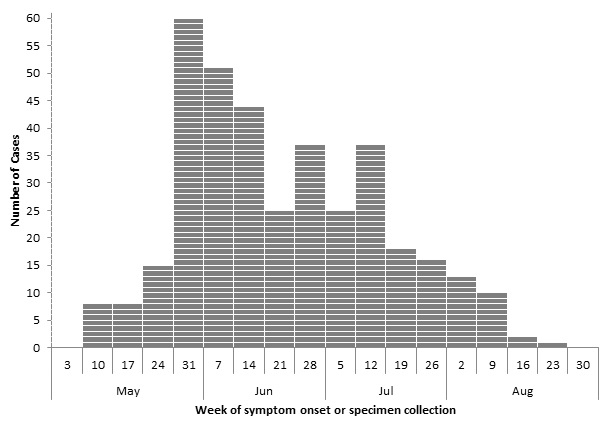
As of July 8, 2020, there are 37 confirmed cases of Cyclospora illness linked to this outbreak in three provinces: Ontario (26), Quebec (10) and Newfoundland and Labrador (1). Individuals became sick between mid-May and mid-June 2020. One individual has been hospitalized. No deaths have been reported. Individuals who became ill are between 21 and 70 years of age. The majority of cases (76%) are female.
Some of the individuals who became sick reported having eaten certain Fresh Express brand salad products containing iceberg lettuce, red cabbage and carrots before their illnesses occurred. The source of illness for the remaining individuals continues to be under investigation.
Cyclospora infections occur each summer in Canada. PHAC is working with provincial partners to determine if other recent cases of Cyclospora infection are linked to this outbreak.
It is possible that more recent illnesses may be reported in the outbreak because of the period between when a person becomes ill and when the illness is reported to public health officials. For this outbreak, the illness reporting period is between two and four weeks.
Figure 1 below is an epidemiological curve for this outbreak. Outbreak investigators use this information to show when illnesses begin, when they peak, and when they trail off. It can take several weeks from the time a person becomes ill to when the illness is reported and testing confirms a link to the outbreak. Data are available for 37 cases.
Posted in Cyclospora, Cyclosporiasis, food contamination, food handler, Food Hygiene, Food Illness, Food Inspections, Food Micro Blog, Food Microbiology, Food Microbiology Blog, Food Microbiology Testing, Food Pathogen, food recall, Food Safety, Food Safety Alert, Food Testing, Parasite, Uncategorized
There has been a Taco Bell hepatitis A exposure at the restaurant on Erie Boulevard in Rome, New York. That employee worked while infectious, according to a press release by the Oneida County Health Department.
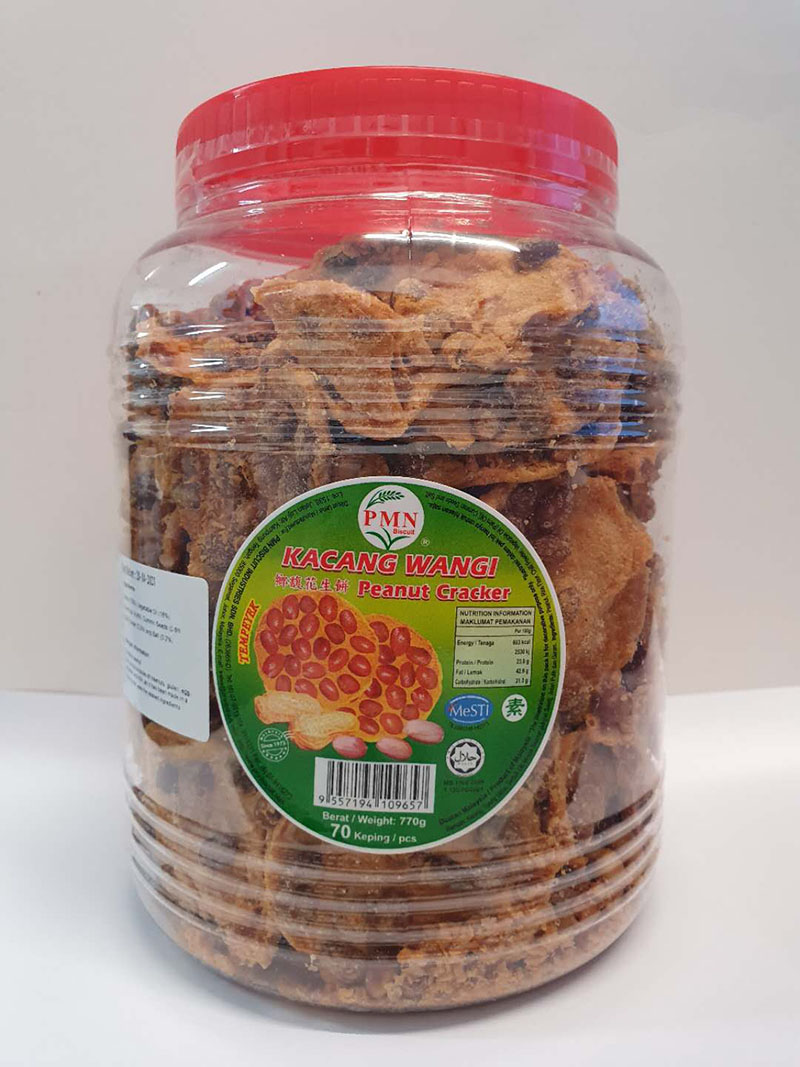
Natural Field Enterprises Ltd is recalling a specific batch of PMN Kacang Wangi brand Peanut Cracker as testing has identified toxins above acceptable levels.
| Product type | Crackers |
| Name of product (size) | PMN Kacang Wangi brand Peanut Cracker (770g jar) |
| Date marking | Best before 28.04.2021 |
| Package size and description | The product is sold in a 770g plastic jar. |
| Distribution | The product is imported from Malaysia.
The product is sold at these retailers in Auckland:
The product has not been re-exported. |
| Notes | This recall does not affect any other PMN Kacang Wangi brand products or any other products imported by Natural Field Enterprises Ltd. |
The recall is about specific toxins called aflatoxins. Aflatoxins are naturally occurring in many food products. They are produced by a group of moulds that grow on foods produced in hot and tropical climates. Levels of aflatoxin in the New Zealand diet are usually very low and don’t represent a health risk, however consumption of food products with increased levels of aflatoxin over a continuous period of time can be harmful.
Affected product should not be consumed. If you have consumed any of this product and have any concerns about your health, seek medical advice.
Customers should return the product to their retailer for a full refund.
If you have questions, contact Natural Field Enterprises Ltd:
Cliftons Farm is recalling raw milk and raw cream because campylobacter has been found in the products.
| Pack size | 2 pints |
| Use by | any products purchased on or after 20th June 2020 |
| Pack size | 230 ml |
| Use by | any products purchased on or after 20th June 2020 |
The presence of campylobacter in the products listed above. The usual symptoms caused by campylobacter are fever, diarrhoea and abdominal cramps.


