Poon Choi , which is literally translated to “Chinese casserole in a basin”, composes an important part of the Walled village culture in the New Territories. Villagers feast on the cuisine whenever there are celebrations connected with rituals, weddings, festivals, ancestor worship and other local events as an expression of village dining culture. However, this traditional Chinese dish was first invented in the Song Dynasty. It contains critical cultural values to Hong Kong and has shifted into different shapes in our modern world.
“Poon Choi”, which comprises a great variety of food, involves a number of processing steps, which demands meticulous attention during preparation.
People should order their “Poon Choi” from reputable and licensed food suppliers. If they want to make their own, they should maintain good personal and food hygiene to prevent cross contamination.
To enjoy a delicious and healthy meal, people should pay particular attention to food safety.
Here are some safety tips for enjoying “Poon Choi”:
When purchasing “Poon Choi”:
Order from reputable licensed suppliers
Hot “Poon Choi” should be kept at 60℃ or above and chilled “Poon Choi” should be kept at 4℃ or below to prevent growth of bacteria
Ask for the reheating instruction for the “Poon Choi”. For example, does the “Poon Choi” have to be reheated before consumption and if so, how and for how long? And is it possible to reheat it in its original container?
Notify the supplier of the time you collect the “Poon Choi”. It is best to collect it half an hour to one hour before consumption
Return home immediately after collecting the “Poon Choi”. Avoid keeping it for a prolonged period of time at room temperature
Keep chilled “Poon Choi” at 4℃ or below to minimise its exposure to the temperature danger zone of 4 to 60℃
When preparing “Poon Choi” at home:
Buy ingredients from reputable retailers
Plan the work schedule ahead of time, with consideration to ingredients involved. Don’t start cooking too early
Defrost frozen food inside the chilled compartment of a refrigerator or under cool running water
Cook high risk food such as poached chicken and seafood like fresh oysters thoroughly
Raw and cooked food should be covered and stored separately to prevent cross contamination
If the ingredients need to be stored after cooking, they should either be kept chilled at 4℃ or below, or kept warm at 60℃ or over
Cover food properly to prevent cross contamination
Since lots of ingredients and cooking utensils are involved in the course of preparing “Poon Choi”, a well-organised work schedule can help prevent cross contamination
Before preparing “Poon Choi”, thoroughly clean and sterilize cutting boards, knives, containers and other cooking utensils
Maintain good personal hygiene. Wash hands with liquid soap before handling food and after using the toilet
When consuming “Poon Choi”:
Consume the “Poon Choi” as soon as possible after it is collected or cooked. Don’t keep it under room temperature for more than two hours
As “Poon Choi” is generally served in a large pot, a longer period of time is required to reheat it thoroughly
When eating “Poon Choi” in a restaurant, pay attention to its serving temperature. When in doubt, stop eating and inform the caterer in charge
Use communal chopsticks and spoons when consuming “Poon Choi”
Yelm, WA- based Toboton Creek Dairy has recalled retail raw whole milk displaying Best By dates of “2/1” through “2/9” because it may be contaminated with Escherichia coli bacteria (E. coli) that can cause serious illness.
The recall was initiated after routine sampling conducted by the Washington State Department of Agriculture (WSDA) revealed the presence of toxin-producing E. coli in retail raw milk dated 2/1 (February 1). The recalled product was bottled in half-gallon containers and was sold via retail stores in Yelm and Olympia, WA as well as on-farm sales. Toboton Creek Dairy and WSDA continue to work jointly to address the source of the problem.
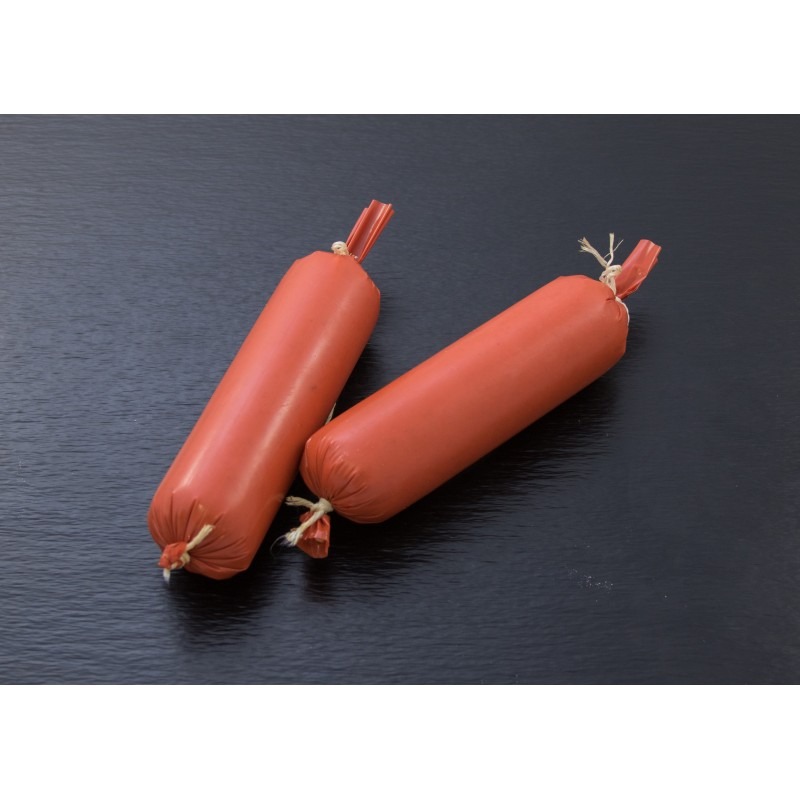
In agreement with the FASFC, Imperial Meat Product is withdrawing Delhaize Minisnacks (125g), Aoste snack Pur Porc (80g), Marcaboules (1kg) from sale and recalling them from consumers due to the possible presence of Salmonella.
Imperial Meat Product asks its customers not to consume this product and to return it to the point of sale in which it was purchased (A refund may be requested where the purchase was made)
Product description
– Product name: Delhaize Minisnacks ‘Snack Saucisson’ 125g – Brand: Delhaize – Date of minimum durability (BDD) (“Best before (or end) 1”): 20/04/2022 – Number of lot(s): 541859 – Sale period: from 13/01/2022 to 20/04/2022 – Type of packaging: Packaging in a protective atmosphere – Weight: 125g
The product was distributed by Delhaize stores in Belgium.
A possible Swan Bros. raw milk Listeria outbreak has allegedly sickened 10 people in Missouri and Oklahoma, according to a wrongful death lawsuit filed in the District Court of Rogers County in the state of Oklahoma on January 21, 2022. Swan Bros. recalled their raw milk products in July 2021 for possible Listeria monocytogenes after testing by the Missouri Department of Health and Senior Services revealed the presence of that pathogen in the milk on July 6, 2021. The dairy posted a notice on its Facebook page on July 6, 2021 about that recall.
The Little Milk Co. Organic Irish Cheddar; Organic Sheebeg Raw Milk Cheese; pack size: 135g; approval number: IE 1987 EC
Batch Code:
K103; best before date: 01.03.22
Country Of Origin:
Ireland
Message:
Further to FSAI Food Alerts 2021.110 and 2021.110 (update 1), the above additional batch of The Little Milk Co. Organic Irish Cheddar and Organic Sheebeg Raw Milk Cheese is being recalled due to elevated levels of histamine. In some people, elevated levels of histamine can cause symptoms which are similar to those of an allergic reaction. Point-of-sale recall notices will be displayed in stores supplied with the affected products.
Illnesses continue to be added to a tally of people in Canada who have been sickened in a Salmonella Enteritidis outbreak tied to frozen corn.
The Public Health Agency of Canada (PHAC) reports that there are now 110 people from five provinces who have been confirmed as outbreak patients. As of Dec. 21 there were 84 confirmed patients.
“Many of the individuals who became sick reported eating a variety of raw and cooked produce items before their illness. Initially, investigators identified that fresh avocados were reported by many cases before they became ill; however, more information was needed to confirm the source of the outbreak,” according to the PHAC outbreak update.
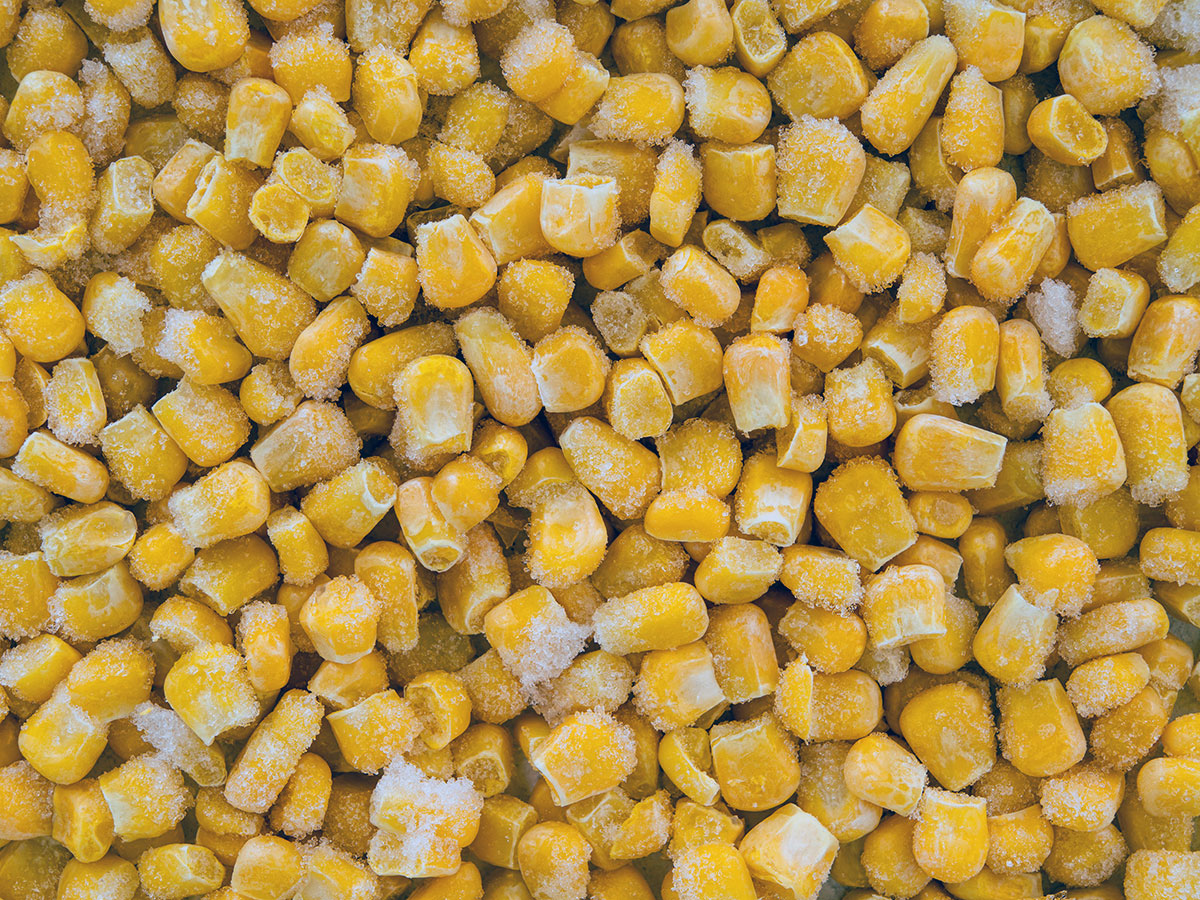
“As part of the food safety investigation, the CFIA collected different food items from restaurants where ill people dined. Testing found the outbreak strain of Salmonella in an unopened package of Alasko brand frozen whole kernel corn. Traceback findings identified Alasko as the common brand of frozen corn consumed at various foodservice establishments by individuals who became sick. Based on the investigation findings to date, the outbreak is linked to Alasko brand frozen whole kernel corn.”
The Public Health Agency of Canada (PHAC) is collaborating with provincial public health partners, the Canadian Food Inspection Agency (CFIA) and Health Canada to investigate an outbreak of E. coli O157 infections involving 2 provinces: Alberta and Saskatchewan.
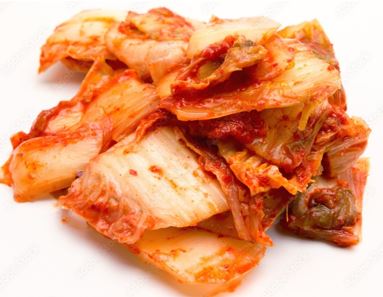
Based on the investigation findings to date, the outbreak is linked to Hankook (Korean characters only) brand Original Kimchi. Many of the individuals who were sick reported having eaten Hankook (Korean characters only) brand Original Kimchi before their illnesses occurred.
The CFIA issued a food recall warning on January 28, for Hankook (Korean characters only) brand Original Kimchi sold in 2L containers with a net weight of 1670 g, UPC code 6 23431 00030 4, and best before date January 29, 2022. The recalled product was distributed in British Columbia, Alberta, Saskatchewan, and Manitoba.
For more information on the recalled product, please consult CFIA’s website. The CFIA is continuing its food safety investigation, which may lead to the recall of other products. If other products are recalled, the CFIA will notify the public through updated food recall warnings.
Do not eat, use, sell, or serve the recalled kimchi or any products made with the recalled kimchi. This advice applies to individuals, as well as retailers, distributors, manufacturers and food service establishments such as hotels, restaurants, cafeterias, hospitals and long-term care homes, across Canada.
This public health notice will be updated as the investigation evolves.
Investigation summary
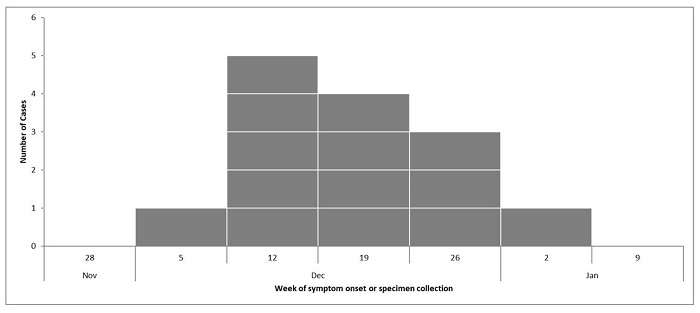
As of January 28, there have been 14 laboratory-confirmed cases of E.coli O157 illness linked to this outbreak in the following provinces: Alberta (13) and Saskatchewan (1).
Individuals became sick between early December 2021 and early January 2022. No deaths or hospitalizations have been reported. Individuals who became ill are between 0 and 61 years of age. The majority of cases (64%) are female.
The CFIA issued a food recall warning on January 28 for certain Hankook (Korean characters only) brand Kimchi products. The recalled product wasdistributed in British Columbia, Alberta, Saskatchewan, and Manitoba.
The CFIA is continuing its food safety investigation, which may lead to the recall of other products. If other products are recalled, the CFIA will notify the public through updated food recall warnings.
Who is most at risk
E. coli O157 is more likely to cause severe illness than other strains of E. coli. Pregnant women, those with weakened immune systems, young children and older adults are most at risk for developing serious complications.
Most people who become ill from an E. coli infection will recover completely on their own. However, some people may have a more serious illness that requires hospital care or causes long-lasting health effects. In rare cases, some individuals may develop life-threatening complications, including stroke, kidney failure and seizures, which could result in death. It is possible for some people to be infected with the bacteria and to not get sick or show any symptoms, but to still be able to spread the infection to others.
What you should do to protect your health
The following advice applies to individuals, as well as retailers, distributors, manufacturers and food service establishments such as hotels, restaurants, cafeterias, hospitals and long-term care homes, across Canada:
Do not eat, use, sell or serve the recalled kimchi or any products made with the kimchi. Check to see if you have recalled food products at home. If you do, throw them out and wash your hands.
Clean and sanitize all surfaces and storage areas that recalled kimchi or any products made with the recalled kimchi may have come in contact with, including countertops, containers, utensils, freezers, and refrigerators.
If you have been diagnosed with an E. coli infection or any other gastrointestinal illness, do not cook food for other people.
Symptoms
People infected with E. coli can have a wide range of symptoms. Some do not get sick at all, though they can still spread the infection to others. Others may feel as though they have a bad case of upset stomach. In some cases, individuals become seriously ill and must be hospitalized.
The following symptoms can appear within one to ten days after contact with the bacteria:
nausea
vomiting
headache
mild fever
severe stomach cramps
watery or bloody diarrhea
Most symptoms end within five to ten days. There is no real treatment for E. coli infections, other than monitoring the illness, providing comfort, and preventing dehydration through proper hydration and nutrition. People who develop complications may need further treatment, such as dialysis for kidney failure. You should contact your health care provider if symptoms persist.
What the Government of Canada is doing
The Government of Canada is committed to protecting the health of Canadians from enteric disease outbreaks.
PHAC leads the human health investigation into an outbreak and is in regular contact with its federal, provincial and territorial partners to monitor the situation and to collaborate on steps to address an outbreak.
Health Canada provides food-related health risk assessments to determine whether the presence of a certain substance or microorganism poses a health risk to consumers.
CFIA conducts food safety investigations into the possible food source of an outbreak.
Epidemiological information
Figure 1 is an epidemiological curve for this outbreak, which shows the numbers of new cases by week. Outbreak investigators use this information to show when illnesses begin, when they peak, and when they trail off. It can take several weeks from the time a person becomes ill to when the illness is reported and testing confirms a link to the outbreak. Data are available for 14 cases.
Figure 1. Number of people infected with E. coli O157:H7




.png)