Category Archives: food contamination

Research – The presence of microbial contamination and biofilms at a beer can filling production line

Journal of Food Protection

Contamination of beer arises in 50% of all events at the late stages of production, the filling area. Hereby, biofilms, being consortia of microorganisms embedded in a matrix composed of extracellular polymeric substances, play a critical role. To date, most studies have focused on the presence of (biofilm forming) microorganisms within this filling environment. Our aim was to characterize the microbial status as well as the presence of possible biofilms at a can filling line for beer by determining the presence of microorganisms and their associated matrix components (carbohydrates, proteins and extracellular DNA (eDNA)). Targeted qPCR confirmed the presence of microorganisms at ten sites during operation and three after cleaning (from 23 sites respectively). The evaluation of carbohydrates, eDNA and proteins showed that 16 sites were positive for at least one component during operation and four after cleaning. We identified one potential biofilm hotspot, namely the struts below the filler, harboring high loads of bacteria and yeast, eDNA, carbohydrates and proteins. The protein pattern was different than that of beer. This work deepens our understanding of biofilms and microorganisms found at the filling line of beer beverages at sites critical for production.

USA – FDA CORE Response Team Update

FDA

A new Salmonella Miami outbreak has been announced by the FDA in their CORE Table. The only information given is that 48 people are sick.   

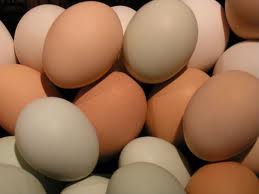
Research – Pulsed ultraviolet light technology to improve egg safety, help poultry industry

Science Daily

Salmonella Eggs Food Poisoning Food Safety

Pulsed ultraviolet light can be an effective alternative to some of the antimicrobial technologies now used by the poultry industry to kill pathogens on eggshells, according to Penn State researchers, who simulated production conditions to test the technology.

Researcher Paul Patterson, professor of poultry science, College of Agricultural Sciences, suggests the technology has merit for commercial application in the egg industry.

“This study is unique because it scaled-up and applied components of standard egg processing to a conveyor and sanitizing eggs in a commercial setting,” he said. “In the absence of water or other chemical sanitizers, this technology has the potential to achieve significant — equal or greater — microbial reductions than some currently available technologies.”

Every year in the United States, an average of 287 eggs are consumed per person, and more than 14.1 billion eggs are set in hatchery incubators to produce chicks destined for the egg and meat bird industries. By reducing the microbial load on eggs, foodborne illness outbreaks associated with eggs and poultry meat can be reduced while chick health is maintained.

Research – An Outbreak Investigation of Scombrotoxin Fish Poisoning Illnesses in the United States Linked to Yellowfin Tuna Imported from Vietnam – 2019

Journal of Food Protection

Scombrotoxin fish poisoning (SFP) is caused by the ingestion of certain fish species with elevated levels of histamine due to decomposition. In the fall of 2019, the Food and Drug Administration (FDA) was notified of 51 SFP illnesses including two hospitalizations from 11 states through consumer complaints received by FDA’s Consumer Complaint System or directly from state partners. A case was defined as an individual who experienced a histamine-type reaction after consumption of tuna imported from Vietnam and an illness onset between August 14, 2019 and November 24, 2019. A traceback investigation was initiated at 19 points-of-service (POS) to identify a common tuna source. FDA and state partners collected a total of 34 product samples throughout the distribution chain including from a case patient’s home, POS, distributors, or at the port of entry. Samples were analyzed by sensory evaluation and/or chemical testing for the presence of histamine. Cases reported exposure to tuna imported from Vietnam. The traceback investigation identified two Vietnamese firms as the sources of the tuna. Twenty-nine samples were confirmed as decomposed by sensory evaluation and/or positive for the presence of elevated levels of histamine by chemical testing. Both Vietnamese firms were placed on Import Alert. Seven U.S. firms and one Vietnamese firm initiated voluntary recalls. FDA released public communication naming the U.S. importers to help suppliers and distributors to identify the product and as a result, effectuate the foreign firm’s recall. This SFP outbreak investigation highlights the complexities of the federal outbreak response, specifically related to imported food. Imported foods present cultural considerations that need to be addressed during outbreak response when timing is critical. Furthermore, collaborating with countries where confidentiality agreements are not in place can limit information sharing and the speed of public health response efforts.

Venezuela – Salmonella outbreak continues with close to 500 sick

Food Safety News

About 500 people have fallen ill in a Salmonella outbreak in a Venezuelan state.

The Anzoatiguense Institute of Health (Saludanz) reported 480 people had tested positive for Salmonella, mostly from the El Carmen and San Cristóbal area of the Simón Bolívar municipality.

In mid-December 2020, the agency revealed 240 children and adults had been affected and seen at different health centers after a significant increase in salmonellosis during the previous month.

Investigations so far have pointed to contaminated water as the source of infection but officials have not ruled out a type of Brazilian sausage being behind some cases in the outbreak. They urged the public to buy food and water from hygienic places that comply with the necessary permits.

Research – Exploring food safety perceptions and self-reported practices of pet owners, providing raw meat-based diets to pets.

Journal of Food Protection

The growing popularity of raw meat-based diets for pets is accompanied by an increasing concern regarding possible health implications of this practice to pet owners, due to the storage and preparation of raw meat. This study aimed to explore pet owners’ knowledge and perceptions about safety of raw meat-based feeding and determine self-reported food safety practices during raw meat-based pet food preparation. An online questionnaire was distributed via social media platforms was completed by pet owners practicing raw meat-based feeding ( n =174). Almost all participants (95%) reported confidence that their pets’ raw meat-based food is safe. Two thirds of respondents (67%) reported to have researched food safety information, regarding raw meat-based feeding, however only 8% asked a veterinarian for food safety advice. Respondents were aware of pathogens that may be present in raw meat-based diets, and of food safety practices, however, they did not report implementation of appropriate food safety practices consistently. Malpractices, such as rinsing raw meat (27%) and lack of segregation (52%) were reported. The risk of foodborne illness to pet owners associated with raw meat-based feeding was perceived to be ‘low’ by 89% of pet owners. Participants perceived low susceptibility to foodborne illness, but high self-efficacy, which may be an indication of ‘optimistic bias’. This study has identified the need for increasing pet owners’ awareness of the possible risks associated with raw meat-based feeding to human health. The provision of comprehensive food safety information, intended to target the perceptions of pet owners identified in this study, is needed to improve pet owners’ food safety practices, to reduce the potential food safety risks associated with raw meat preparation and storage in the domestic environment.

Australia – Bellarine Smokehouse — Smoked Barramundi Pâté 150g and Smoked Salmon Pâté 150g – Listeria monocytogenes

Product Safety Australia

Photograph of Ballarine Smokehouse Pate

What are the defects?

The recall is due to microbial (Listeria monocytogenes) contamination.

What are the hazards?

Listeria may cause illness in pregnant women and their unborn babies, the elderly and people with low immune systems.

What should consumers do?

Any consumers concerned about their health should seek medical advice and should return the products to the place of purchase for a full refund.

For more information, consumers can contact Bellarine Smokehouse on 0434 229 680.

Traders who sold this product

Independent food retailers including IGAs and direct to consumers from Bellarine Smokehouse

Where the product was sold
Victoria
Dates available for sale
  • 11 January 2021 – 12 January 2021

Recall advertisements and supporting documentation

Coordinating agency

Food Standards Australia New Zealand is the coordinating agency for this recall.

Research – Parasites in food an Invisible Threat

FAO

Foodborne parasitic diseases are often neglected in various food safety control systems, even though they can create severe human health problems. Because the production and monetary losses associated with them are often not visible, and the infected animals often show no signs, they are very difficult to detect. Different types of parasitic diseases can be transmitted to humans from pork, fish, freshwater crustaceans, vegetables, eggs of tapeworms and protozoa. The risks associated with all of them can, however, be avoided through the application of good hygiene, farming and fishing practices, and with the promotion of the community awareness. For example, the promotion of a participatory approach and the development of training packages for food businesses operators would be beneficial in raising awareness within the community. Basic information regarding the how the parasites are transmitted and their effects, and any and all preventive measure that each person can take should be included in communication topics. Food safety authorities can play an important part by using the guidance provided by Codex Alimentarius regarding animal production, food processing, and meat inspection. Furthermore, the development of networks of authorities committed to addressing the problem, would help prevent and control the spread of parasitic diseases.

USA – Lavva Voluntarily Recalls a Single Lot of Blueberry Plant-Based Yogurt – Mold

FDA

Recall Limited to Lavva Blueberry Plant-Based Yogurt 5.3 Ounce Dated 2/21/21

Out of an abundance of caution, EVR Foods, INC, parent company to Lavva, is issuing a voluntary recall on its 5.3 ounce Blueberry Plant-Based Yogurt with expiration date 2/21/21. While this SKU and date code cleared strict quality assurance protocols, recent testing indicates a potential mold contamination. No other Lavva products are affected by the recall.

This plant-based yogurt was produced at a manufacturing facility in Norwich, NY, and has only been linked to the single date code. There have been no confirmed illnesses to date.

The recalled Blueberry Plant-Based Yogurts were distributed to retail stores nationwide. The product comes in a 5.3 ounce, colorful plastic cup with a foil lid, marked with lot #022121 on the bottom of the cup which is also used as the expiration date of the product.

Consumers are urged not to eat the product subject to the recall. Anyone who purchased the SKU may return it to the place of purchase for a full refund. Consumers with questions about the recall can reach out to hello@lovvelavva.com or 833-885-2882 between 9 a.m. to 5 p.m. EST Monday through Friday. The Food & Drug Administration (FDA) has been notified of this recall and is assisting with the process.

About Lavva

Founded in 2017, Lavva is on a mission to realize the full potential of plant-based foods made without compromise. Powered by the world’s lowest carb, highest fat nut called the pili, Lavva’s functional superfoods are minimally processed and made only with real food ingredients — no added sugar, gums, oils, or natural flavors. Founder and CEO Liz Fisher discovered pili nuts while following a strict keto diet during a successful battle with advanced-stage ovarian cancer. Blown away by the pili’s smooth, buttery flavor Liz began blending them with coconut milk and eventually perfected the recipe to become what we know as Lavva’s yogurt today. Lavva currently offers its flagship Lavva yogurt line in six flavors — including two in 16-ounce family sizes — such as Vanilla, Mango, and Strawberry and the market’s first keto-certified vegan yogurt, Molten Lavva. Additionally, Lavva launched its Plant Milks and Creamer in September 2020, bringing a more sustainable alternative to the non-dairy milk category thanks to wild harvested pili trees. The brand is available at retailers nationwide, including Whole Foods Market, Sprouts, Kroger, and local natural food stores. All of Lavva’s products are vegan, dairy free, and use organic ingredients whenever possible.


Company Contact Information

Consumers:
Lavva
 33-885-2882
 hello@lovvelavva.com

Product Photos

France – Product recall: Carrefour brand basmati rice 1kg bag – Ochratoxin A

Oulah

Product recall: Carrefour brand basmati rice 1kg bag

ENCOUNTERED PROBLEM

Presence of ochratoxin A.

PROPOSED SOLUTION

Do not consume and return to the point of sale for reimbursement

Ochratoxin A is a mycotoxin produced by several microscopic fungi (genera Penicillium and Aspergillus) and is naturally present in many plant products around the world, such as grains, coffee beans, cocoa and dried fruits.
Only a large quantity of contaminated products can lead to health problems.

FURTHER INFORMATION

▸ Barcode
3560070837984

▸ Lot
07/01/2022

▸ DLC
07/01/2022

▸ Consumer service contact
For any additional information, you can contact the Carrefour consumer service by dialing N ° Cristal 09 69 39 7000 – non-surcharged call from Monday to Saturday from 9 am to 7 pm.

▸ Source
https://www.carrefour.fr/