Category Archives: food contamination

USA – Raw Milk Recall – Campylobacter

Food Poisoning Bulletin

An Eastern Idaho Campylobacter outbreak is associated with the consumption of raw milk, according to a notice posted on that agency’s Facebook page. Eastern Idaho Public Health is working in conjunction with the Idaho State Department of Agriculture and the Idaho Department of Health and Welfare to educate the public about the inherent risks of consuming unpasteurized dairy products.

France – Product recall: Mini pie 450g ECO + brand – Listeria monocytogenes

Oulah

ENCOUNTERED PROBLEM

Risk of presence of Listeria monocytogenes

PROPOSED SOLUTION

People who may have this product are asked not to consume it and to return it to the point of sale where it was purchased.

People who have consumed this product and who present with fever, isolated or accompanied by headaches, are invited to consult their attending physician, notifying him of this consumption.
Pregnant women should pay special attention to these symptoms, as well as immunocompromised people and the elderly. These symptoms may suggest listeriosis, a disease that can be serious and can take up to eight weeks to incubate.

FURTHER INFORMATION

▸ Model names or references
Mini pâté en croûte 450g


▸ Barcode
3450970062305


▸ Lot
…


▸ DLC – DDM
06/24/2021


▸
450g packaging


▸ Start date / End of marketing
From 05/27/2021 to 06/14/2021


▸ Health mark
FR 39.475.003 CE


▸ Geographical sales area
…


▸
E.LECLERC distributors


▸ Consumer service contact
0800 453 278


▸ Source
SCAMARK E.LECLERC

USA/Canada- Factors Potentially Contributing to the Contamination of Red Onions Implicated in the Summer 2020 Outbreak of Salmonella Newport

FDA

Executive Summary

Between June and October 2020, federal and state agencies investigated a Salmonella Newport foodborne illness outbreak associated with consumption of red onions from the Southern San Joaquin Valley and Imperial Valley in California. The outbreak, which caused 1,127 reported domestic illnesses and 515 reported Canadian cases, is the largest Salmonella outbreak in over a decade. This outbreak is also remarkable because the food vehicle, whole red onions, is a raw agricultural commodity that had not been previously associated with a foodborne illness outbreak.

The U.S. Food and Drug Administration (FDA), alongside state and federal partners, investigated the outbreak to identify potential contributing factors that may have led to red onion contamination with Salmonella Newport. While the Salmonella Newport outbreak strain (specific whole genome sequence [WGS]) was not identified in any of the nearly 2,000 subsamples tested, a total of 11 subsamples (10 water and 1 sediment) collected near one of the growing fields identified in the traceback were positive for Salmonella Newport, representing a total of three different genotypical strains (unique WGS patterns). Although a conclusive root cause could not be identified, several potential contributing factors to the 2020 red onion outbreak were identified, including a leading hypothesis that contaminated irrigation water used in a growing field in Holtville, California may have led to contamination of the onions.

While our investigation did not occur during any harvesting activities, visual observations of the implicated red onion growing fields suggested several plausible opportunities for contamination including irrigation water, sheep grazing on adjacent land, as well as signs of animal intrusion, such as scat and large flocks of birds which may spread contamination. Similarly, the investigation did not occur while packing activities were ongoing. However, visual observations and records review of packing house practices confirmed numerous opportunities for spread of foodborne pathogens such as Salmonella, including signs of animal and pest intrusion as well as food contact surfaces which had not been inspected, maintained, cleaned, or sanitized as frequently as necessary to protect against the contamination of produce. Thomson International Inc. cooperated with FDA throughout the investigation and is continuing to engage with FDA on the agency’s findings and recommendations.

Notably, Salmonella isolates from two sediment subsamples and two water subsamples collected during this investigation were found to be genetically related by WGS to clinical isolates from 2016 and 2018 foodborne illness outbreaks (Salmonella Muenchen and Salmonella Montevideo, respectively) associated with consumption of sprouts. This may be indicative of human pathogen persistence and distribution in this growing region (a concentrated area of seed for sprouting production), which could pose a risk of contamination for any produce commodity. FDA issued an assignment to follow-up at the associated firms. Sprouts are not a food vehicle of interest in the 2020 Salmonella Newport foodborne illness outbreak.

We urge growers to conduct risk assessments that include evaluation of hazards that may be associated with adjacent and nearby land uses—especially relating to the presence of livestock and wildlife and the potential for runoff into growing fields or water sources—and implement risk mitigation strategies where appropriate. FDA recognizes the interconnection between people, animals, plants, and their shared environment when it comes to public health outcomes, and we encourage collaboration among various groups in the broader agricultural community (e.g., produce growers, those managing animal operations, state and federal government agencies, and academia) to address this issue.

This document provides an overview of the traceback investigation, subsequent on-site investigation, and factors that potentially contributed to the contamination of red onions with Salmonella Newport.

Download the Full Report (PDF 531KB)

New Zealand – Shellfish biotoxin alerts – Hawkes Bay

MDPI

North Island warnings

Hawke’s Bay

Reason for alert Paralytic Shellfish Poisoning (PSP)

Check the symptoms of PSP

Date warning issued 16 June 2021

Media release

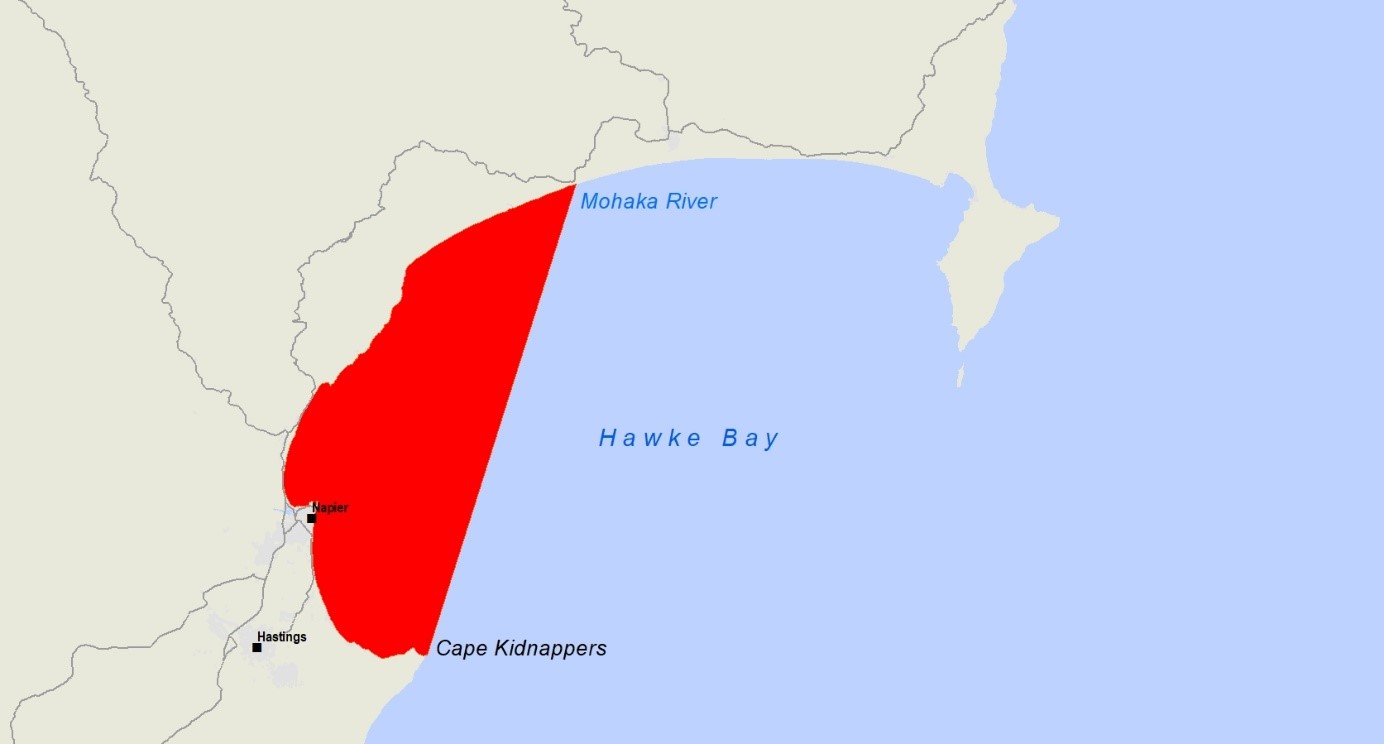
Affected area From the Mohaka River mouth, south to Cape Kidnappers.
Shellfish affected Mussels, oysters, tuatua, pipi, toheroa, cockles, scallops, catseyes, kina (sea urchin), and all other bivalve shellfish.

Note, cooking shellfish does NOT remove the toxin.

Pāua, crab, and crayfish may still be eaten if the gut has been completely removed prior to cooking, as toxins accumulate in the gut. If the gut is not removed its contents could contaminate the meat during the cooking process.

Symptoms Symptoms typically appear between 10 minutes and 3 hours after ingestion and may include:

  • numbness and a tingling (prickly feeling) around the mouth, face, and extremities (hands and feet)
  • difficulty swallowing or breathing
  • dizziness
  • headache
  • nausea
  • vomiting
  • diarrhoea
  • paralysis and respiratory failure, and in severe cases, death.
Other information Paralytic shellfish toxins have been detected in shellfish from Pania Reef at levels over the safe limit of 0.8mg/kg set by MPI. Ongoing testing will continue and any changes will be communicated accordingly.

Map of affected area

Map showing the affected area

New Zealand – New Zealand Food Safety places precautionary controls on North Island egg producer – Salmonella Outbreak

MDPI

New Zealand Food Safety has placed movement controls on a North Island egg producer as a precautionary measure after environmental testing indicated Salmonella Enteritidis on the farm.

New Zealand Food Safety has been carrying out tracing and testing of poultry operations after Salmonella Enteritidis was found at an Auckland hatchery that supplies chicks to other operators, earlier this year.

Symptoms of Salmonella illness include abdominal cramps, diarrhoea, fever, headache, nausea and vomiting. It can be serious in people with reduced immunity, frail elderly, children under 2 years, and pregnant women.

New Zealand Food Safety director of food regulation Dr Paul Dansted said to date no eggs had tested positive.  However, it was possible that some eggs could contain Salmonella Enteritidis so it was prudent to provide advice to consumers.

“No product is leaving the farm at present while we carry out more investigations.

“It’s important to note the positive results are not from eggs, but from samples from within the farm.”

“While the risk is low, we are taking this precautionary action as we are not yet in a position to assure consumers that Salmonella Enteritidis is not in some eggs.”

There are key actions consumers can take to protect against Salmonella Enteritidis.

They include:

  • Keep eggs in the fridge after purchase.
  • Cook eggs thoroughly – until the white is completely firm and the yolk begins to thicken.
  • Wash your hands after handling eggs.
  • Consume eggs within the recommended date on the carton.
  • Don’t serve raw eggs to children under 2 years of age, pregnant woman, the frail and elderly, and people with low or compromised immune systems.
  • Keep surfaces and kitchen utensils clean and dry before and after handling eggs.
  • Use clean eggs free from dirt, faecal matter and cracks.

Last month, NZ Food Safety stopped 2 farms from sending eggs to sale after tests found Salmonella Enteritidis on their properties.

Media release: Food safety actions to protect consumers

“We have been conducting tests with the poultry industry and action will be taken where necessary to identify and manage any suspect flocks.”

NZ Food Safety is working closely with the Ministry of Health, which has been monitoring Salmonella Enteritidis cases in humans.

“To date, while there is no proven association between human illness and poultry meat and eggs, we continue to investigate.”

Dr Dansted said NZ Food Safety would continue to work with the poultry industry to assist it to manage the risk of Salmonella Enteritidis in commercial flocks and reduce the risk to consumers.

“Many countries have Salmonella Enteritidis in poultry flocks and manage the risk with on-farm prevention measures. By taking this pre-emptive action with the farm and informing people to handle and prepare food safely at home, we reduce the risk.”

Salmonellosis, the illness caused by Salmonella Enteritidis bacteria, can spread in a variety of ways outside of food, including contact with infected animals, material, or surfaces, and between persons.

If you have health concerns after consuming eggs or chicken, seek medical advice from your doctor or Healthline.

Resources

Frequently asked questions [PDF, 134 KB]

Director-General privileged statement regarding Section 289 of the Food Act [PDF, 837 KB]

Learn more about Salmonellosis – Ministry of Health

Clean, Cook, Chill for home food safety advice

Salmonella symptoms and advice

New Zealand – Salmonella Outbreak

Food Safety News

Officials in New Zealand are investigating a Salmonella outbreak that has sickened 35 people so far this year.

Salmonella Enteritidis sequence type 11 (ST 11) was first detected in 2019 in an outbreak traced to a restaurant in the Auckland region. Since May 2019, the number of patients associated with this strain is 101 and from 2019 it has been found in four other outbreaks.

The majority of people sick from January to April this year live in the Auckland region, according to the Institute of Environmental Science and Research (ESR).

New Zealand Food Safety found Salmonella Enteritidis at an Auckland poultry farm and there has been a rise in infections caused by this strain of Salmonella despite attempts to prevent contaminated eggs reaching consumers.

British Virgin Islands- Ciguatera increase

Food Safety News

Authorities in the British Virgin Islands have issued a warning after a surge in Ciguatera fish poisoning (CFP) within the past few weeks.

Cases until the week of June 6 were sporadic, but within three weeks there have been eight confirmed infections with other suspected cases also being investigated.

National Epidemiologist Harmony Massiah said CFP is not uncommon in tropical and sub-tropical areas and is mainly associated with consumption of big coral reef fish like snapper, bass and perch that have accumulated ciguatoxin in the body.

Larger fish will have higher amounts of the toxin. Contaminated fish cannot be identified by appearance and the toxin cannot be destroyed by cooking or freezing.

Denmark – Risk of mold in wheat buns with vanilla cream

DVFA

Pågen A / S is recalling Pågen Vanillas, as mold has been found in the product following a number of consumer inquiries.

Recalled Foods , Published: June 15, 2021

What foods:
Pågen Vanilla (see picture  here )
Net Contents: 220g
Expiry date: 29.06.2021-07.07.2021
EAN number: 7311070006230

Sold at:
The product is sold in grocery stores throughout the country.

Company recalling:
Pågen A / S

Reason:
After receiving a number of consumer inquiries, the company has established that there is a risk of mold in the products with the mentioned expiry dates.

Risk:
Mold formation makes the product unfit for human consumption.

Advice for consumers: The Danish
Veterinary and Food Administration advises consumers to deliver the product back to the store where it was purchased or to discard it.

Research – Occurrence of Human Enteric Viruses in Shellfish along the Production and Distribution Chain in Sicily, Italy

MDPI

Contamination of bivalve mollusks with human pathogenic viruses represents a recognized food safety risk. Thus, monitoring programs for shellfish quality along the entire food chain could help to finally preserve the health of consumers. The aim of the present study was to provide up-to-date data on the prevalence of enteric virus contamination along the shellfish production and distribution chain in Sicily. To this end, 162 batches of mollusks were collected between 2017 and 2019 from harvesting areas, depuration and dispatch centers (n = 63), restaurants (n = 6) and retail stores (n = 93) distributed all over the island. Samples were processed according to ISO 15216 standard method, and the presence of genogroup GI and GII norovirus (NoV), hepatitis A and E viruses (HAV, HEV), rotavirus and adenovirus was investigated by real-time reverse transcription polymerase chain reaction (real-time-RT PCR), nested (RT)-PCR and molecular genotyping. Our findings show that 5.56% of samples were contaminated with at least one NoV, HAV and/or HEV. Contaminated shellfish were sampled at production sites and retail stores and their origin was traced back to Spain and several municipalities in Italy. In conclusion, our study highlights the need to implement routine monitoring programs along the whole food chain as an effective measure to prevent foodborne transmission of enteric viruses. View Full-Text

USA – Empire Fruit recalls cherry juice because of Listeria concerns

Food Safety News

Empire Fruit Inc. of Othello, WA, is recalling “SCORE Montmorency Tart Cherry Juice” because of a potential Listeria monocytogenes contamination.

The recalled product was distributed to customers in Auburn and Basin City, WA.

The recall was initiated after a routine inspection conducted by the Washington State Department of Agriculture (WSDA) revealed that two batches of SCORE Montmorency Tart Cherry Juice were not adequately pasteurized.

There is concern that consumers may have the juice in their homes because of its long shelf life. The recalled product was sold in 16-ounce plastic bottles with the best-by dates of 2/15/2022 and 2/16/2022.

As of the posting of this recall, there are no known illnesses associated with the recalled product.