RASFF – shigatoxin-producing Escherichia coli (O104:H4 stx1+, stx2+) in chilled beef from Uruguay in Spain
RASFF – shigatoxin-producing Escherichia coli (O26 /25g) in chilled beef (tapa de cuadril) from Uruguay in Spain

RASFF – shigatoxin-producing Escherichia coli (O104:H4 stx1+, stx2+) in chilled beef from Uruguay in Spain
RASFF – shigatoxin-producing Escherichia coli (O26 /25g) in chilled beef (tapa de cuadril) from Uruguay in Spain
Millions of people take capsules of probiotics with the goal of improving their digestion, but what if those bacteria were also able to detect diseases in the gut and indicate when something is awry? New research from the Wyss Institute at Harvard University and Harvard Medical School (HMS) has created an effective, non-invasive way to quickly identify new bacterial biosensors that can recognize and report the presence of various disease triggers in the gut, helping set the stage for a new frontier of digestive health monitoring and treatment. The paper is published in mSystems.
“Our understanding of how the human gut microbiome behaves is still in its early stages, which has hindered large-scale research into creating biosensors out of living bacteria,” said David Riglar, Ph.D., a former postdoc at the Wyss Institute and HMS who now leads a research group as a Sir Henry Dale Fellow at Imperial College London. “This work provides a high-throughput platform for identifying genetic elements in bacteria that respond to different signals in the gut, putting us one step closer to engineering complex signaling pathways in bacteria that allow them to detect and even treat diseases long-term.”
Petting zoo animals may be the source of an E. coli outbreak linked to the San Diego County Fair.
The County of San Diego Health and Human Services (HHSA) is urging anyone who visited the San Diego County Fair and then began experiencing symptoms of E. coli infection on or after June 8 to contact their healthcare provider⎯“especially if you have diarrhea that lasts for more than 3 days or diarrhea that is accompanied by a fever higher than 102°F, or blood in the stool, or so much vomiting that you cannot keep liquids down and you pass very little urine.”
Four children were infected with E. coli after coming into contact with animals at the San Diego County Fair. One child died after developing E. coli complications.
The affected children ranged in age from 2 years to 13 years-old. They each came into contact with animals at the San Diego County Fair between June 8 and June 15. Their symptoms began between June 10 and June 16. The youngest child, a 2-year-old boy, was hospitalized with E coli complications. He succumbed to E. coli complications and died on June 24.
Hemolytic Uremic Syndrome (HUS) is a serious complication of E coli infections. 5-10% of people diagnosed with Shiga-toxin-producing E. coli (STEC) develop HUS. Children are particularly vulnerable to developing HUS.
Attorneys Fred Pritzker and Ryan Osterholm are warning about the dangers of E. coli infections from petting zoos. As the weather warms and summer starts, petting zoos are popular attractions for families with young children. Unfortunately, those venues can be and have been the source of serious and even deadly E. coli outbreaks.
| ABSTRACT |
|---|
The aim of this study was to investigate the occurrence of foodborne agents at food service facilities in the Czech Republic. The sampling, performed from April 2016 to November 2017, focused on the microbiological monitoring of the environment at the establishment (EFS; n = 298) and the hands of staff (HFS; n = 159). The analysis targeted the presence of the following bacteria: Escherichia coli (focusing on the presence of Shiga toxigenic E. coli), Bacillus cereus, Staphylococcus aureus, Listeria monocytogenes, Salmonella spp., and Campylobacter spp. A swab method using sterile abrasive sponges was used to detect bacteria in EFS; a glove-juice method was used to monitor microbial contamination on HFS. The presence of E. coliwas confirmed in 11.8% of samples (12.4%, EFS; 10.7%, HFS; P = 0.650). The presence of Shiga toxigenic E. coli was not confirmed in the samples. B. cereus was detected most frequently, in 39.6% of all samples taken (44.6%, EFS; 30.2%, HFS; P= 0.003). S. aureus was detected in 17.9% of samples (17.4%, EFS; 18.9%, HFS; P = 0.703). Of S. aureus isolates, 58.5% were found to be positive for the presence of genes producing staphylococcal enterotoxins (70%, HFS; 52.0%, EFS). L. monocytogenes was detected in only one sample (0.2%; EFS). The presence of Salmonella spp. and Campylobacter spp. was not confirmed. The occurrence of B. cereus, S. aureus, and E. coli was dependent on the season of the year. B. cereus and S. aureus occurred less frequently in the summer months, although E. coli was recorded more frequently. B. cereus, S. aureus,and E. coli were detected in almost half of the tested samples. The relatively high percentage of B. cereus and S. aureusisolates from EFS corresponded with the model in the final European Food Safety Authority reports on the occurrence of foodborne disease outbreaks in the European Union. Managers of food service facilities should focus on reducing the occurrence of B. cereus and S. aureus.
| HIGHLIGHTS |
|---|
Contamination of food service facilities in the Czech Republic by foodborne agents was determined.
Bacillus cereus, Staphylococcus aureus, and Escherichia coli were detected in almost 50% of samples.
The occurrence of B. cereus, S. aureus, and E. coli depended on the season of the year.
Regular monitoring of food service facilities for agents of foodborne disease is necessary.
Posted in Bacillus, Bacillus cereus, E.coli, food bourne outbreak, food contamination, Food Hygiene, Food Illness, Food Inspections, Food Micro Blog, Food Microbiology, Food Microbiology Blog, Food Pathogen, Food Poisoning, food recall, Food Safety, Food Safety Alert, Food Testing, Listeria, Listeria monocytogenes, Shigatoxin, Staphylococcus aureus, STEC, Uncategorized
RASFF – shigatoxin-producing Escherichia coli (stx1+ stx2+ eae+ O26:H11 /25g) in frozen meat for minced meat from Ireland in France
JEFFERSON CITY, MO — The Missouri Department of Health and Senior Services (DHSS), in collaboration with the Missouri Department of Agriculture (MDA), the United States Department of Agriculture (USDA) and local health agencies in the St. Louis metro area, is investigating five Shiga toxin-producing E. coli (STEC) cases that have visited Grant’s Farm since late May 2019. The investigation is ongoing and is focused on determining the specific risk that may have led to the illnesses.
MDA and DHSS have provided preliminary recommendations to Grant’s Farm to help remind patrons of the importance of handwashing after direct contact with animals. Grant’s Farm also is actively participating in the investigation by allowing animal specimens to be collected by investigators. This is in addition to routine visits from state inspectors to help supervise the health of the animals at the park.
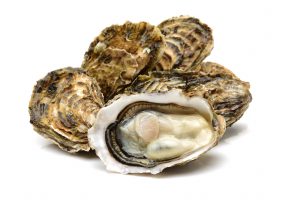
Image CDC
This outbreak appears to be over. Consumers, restaurants, and retailers should always handle and cook oysters properly. Get CDC’s tips for preventing foodborne illness from oysters and other shellfish.

Posted in E.coli, food bourne outbreak, food contamination, food handler, Food Hygiene, Food Illness, Food Inspections, Food Micro Blog, Food Microbiology, Food Microbiology Blog, Food Pathogen, food recall, Food Safety, Food Safety Alert, Food Testing, Food Toxin, Norovirus, Shigella, Shigella flexneri, STEC, Uncategorized, Vibrio, Vibrio albensis, Vibrio parahaemolyticus

The recall is due to microbial (E. coli) contamination.
Food products contaminated with E. coli may cause illness if consumed.
Consmers must not consume this product and should return the product or proof of purchase to any Coles Supermarket or Coles Express for a full refund.
Any consumers concerned about their health should seek medical advice.
For further information, please contact on Coles Customer Care on 1800 061 562.
Victorian Coles Express sites
Four Coles Express stores in southern NSW – Deniliquin North, Tocumwal, Albury and Albury North
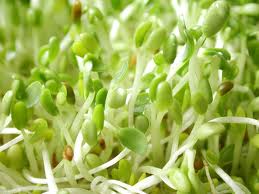
“Over the past 22 years, the FDA has investigated 50 reported outbreaks of foodborne illness associated with contaminated sprouts. Together, these outbreaks resulted in more than an estimated 2,600 cases of illness. Last year, there were two reported outbreaks associated with sprouts, resulting in more than an estimated 100 illnesses. Studies indicate that contaminated seed is the likely source of most sprout-related outbreaks, as this commodity is inherently more susceptible to these issues because they are grown in warm and humid conditions that are favorable for bacteria like Salmonella, Listeria and E. coli,” said FDA Deputy Commissioner for Food Policy and Response Frank Yiannas. “The FDA is committed to taking swift action to respond to outbreaks related to sprouts and keep our food supply safe, but we also know that measures to prevent issues from happening in the first place are an important element of protecting consumers. By studying outbreaks related to sprouts over the years, we have been able to recommend changes in the industry to help lower the incidence of sprout-related outbreaks. Today’s new draft guidance is another critical step, like the Sprout Safety Alliance or sprout-specific requirements of the Produce Safety Rule, the agency is taking to prevent illnesses related to sprouts.”
The U.S. Food and Drug Administration today released a proposed draft guidance, “Reducing Microbial Food Safety Hazards in the Production of Seed for Sprouting,” intended to make the sprout seed industry (seed growers, conditioners, packers, holders, suppliers, and distributors) aware of the agency’s serious concerns with the continuing outbreaks of foodborne illness associated with the consumption of raw and lightly-cooked sprouts.
Incorporating aspects of the Codex Code of Hygienic Practice for Fresh Fruits and Vegetables Annex II, Annex for Sprout Production; the International Sprout Growers Association-Institute for Food Safety and Health’s “U.S. Sprout Production Best Practices”; and Good Agricultural Practices, the FDA’s draft guidance issued today provides the agency’s recommendations to firms throughout the production chain of seed for sprouting. It states that if a grower, holder, conditioner, or distributor reasonably believes that its seeds are expected to be used for sprouting, we recommend that the grower, holder, conditioner, or distributor take steps that are reasonably necessary to prevent those seeds from becoming contaminated. We also recommend that firms throughout the supply chain – from seed production and distribution through sprouting – review their current operations related to seeds for sprouting.
During the 60-day comment period for this draft guidance, stakeholders will be able to provide comments on the draft provisions. For more information on this guidance, as well as instructions on how to submit your comments, please visit Draft Guidance for Industry: Reducing Microbial Food Safety Hazards in the Production of Seed for Sprouting.
Posted in E.coli, E.coli O104, E.coli O157:H7, food bourne outbreak, food contamination, Food Hygiene, Food Illness, Food Inspections, Food Micro Blog, Food Microbiology, Food Microbiology Blog, Food Pathogen, Food Poisoning, Food Safety, Food Technology, Food Testing, foodborne disease, Foodborne Illness, foodborne outbreak, foodbourne outbreak, Listeria, Listeria monocytogenes, Salmonella, Uncategorized