Author Archives: KSW

RASFF Alert- Vibrio vulnificus – Frozen Prawns from Ecuador

RASFF

Presence of vibrio vulnificus in frozen prawns of Ecuador in Italy

RASFF Alerts – Ochratoxin A – Raisins – Crunchy Muesli with Nuts and Almonds

RASFF

Ochratoxin A (16±3,8µg/kg) in raisins from China in Latvia and Poland

RASFF

Ochratoxin a in crunchy muesli with nuts and almonds from Germany in the Netherlands

RASFF Alert- STEC E.coli – Feta Cheese

RASFF

Shigatoxin-producing E. coli (STEC) in feta from Greece in Austria and Germany

RASFF Alerts – Histamine – Salted Sardines – Sardines – Tuna – Outbreak from Tuna

RASFF

Presence of histamine in salted sardines in Croatia

RASFF

 Histamine in sardines from France in Poland and the Czech Republic

RASFF

Suspicion of histamine poisoning due to tuna consumption from Columbia in Italy, Spain and Slovakia

RASFF

Histamine in Tuna from India in Belgium, Denmark, Germany and the Netherlands

RASFF Alerts – Listeria monocytogenes – Cooked Chicken Products – Salmon – Yellow Fin Tuna

RASFF

Listeria monocytogenes in cooked chicken products from China via the Netherlands in Belgium

RASFF

Listeria monocytogenes in salmon from Norway in Belgium, France, Lithuania and the Netherlands

RASFF

Presence of Listeria monocytogenes in yellowfin tuna tartarfish

RASFF Alerts – Animal Feed – Mold/Mould – Bran Pellets

RASFF

Wheat bran pellets for animal feed with molds and moisture from Angola in Portugal

RASFF Alerts – Animal Feed – Aflatoxin – Maize – Groundnuts – Fodder Grain Corn

RASFF

Aflatoxine B1 in feed material maize from Romania in the Netherlands

RASFF

Aflatoxin in Bolivian groundnuts in Germany and the Netherlands

RASFF

The presence of Aflatoxin B1 in fodder grain corn from Romania in Greece and Bulgaria

RASFF Alert- Animal Feed – Salmonella – Pet Food – Rapeseed Meal – Whey Permeate

RASFF

Salmonella detected in whey permeate from Poland in Spain and the Netherlands

RASFF

Salmonella Typhimurium in rapeseed meal from Germany in Belgium and the Netherlands

RASFF

Salmonella in petfood from Netherlands in Belgium

India – 25 taken ill after consuming food at wedding, hospitalised

Hindustan Times

Around 25 of them, including women and children, were brought to Ramnagar hospital in ambulances; they are now responding to the treatment

At least 25 villagers, including women and children, were taken ill after they consumed food at a wedding event in a village in Ramnagar tehsil of Udhampur district on Tuesday.

The official said it appeared to be a case of food poisoning.

New Zealand – Public health warning: shellfish biotoxin alert for Nydia Bay/Pelorus Sound area in the Marlborough Sounds

MPI

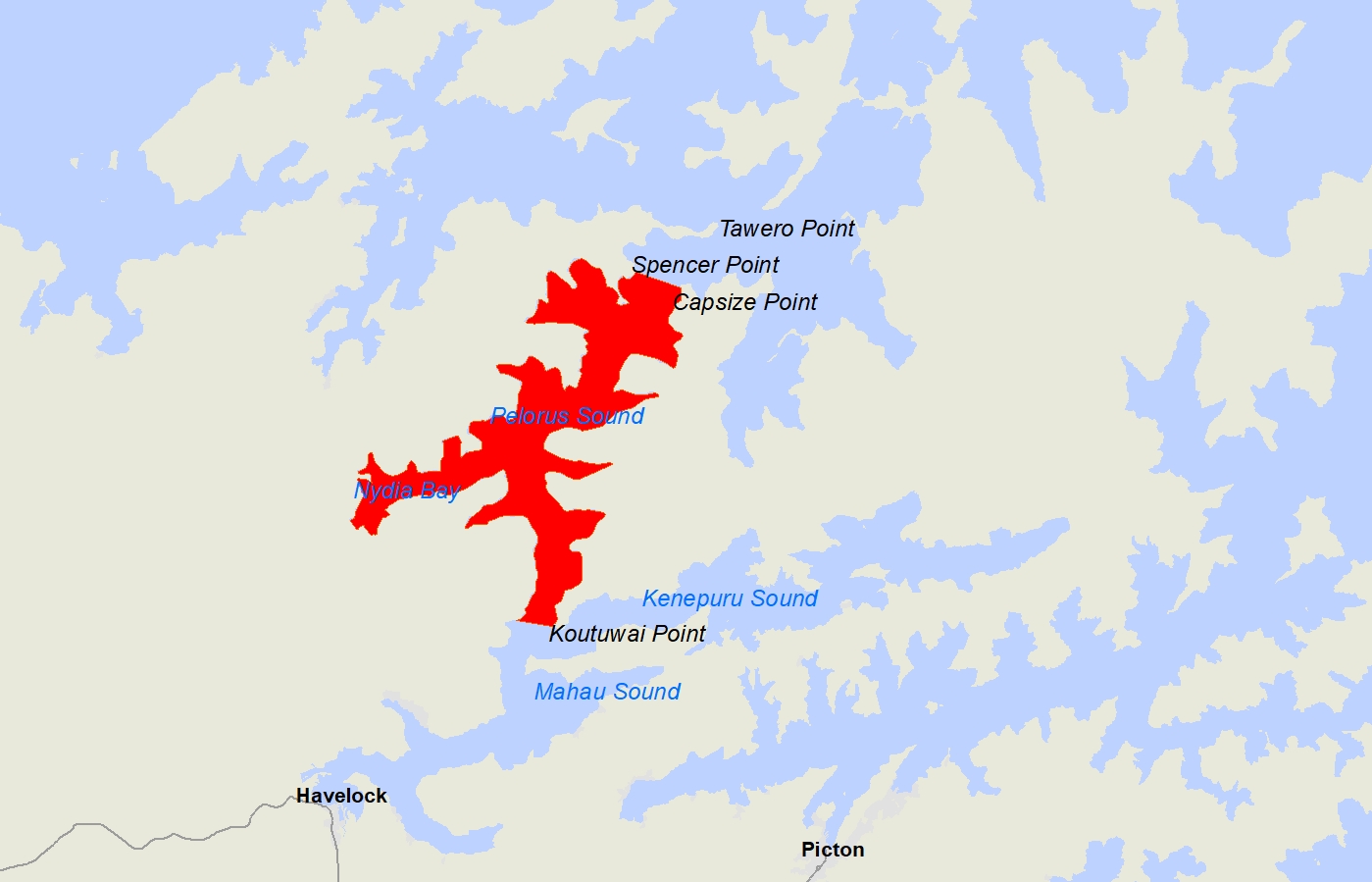
New Zealand Food Safety today issued a public health warning against collecting shellfish from the Pelorus Sound area in the Marlborough Sounds. The area includes Pelorus Sound from Hikapu Reach at Koutuwai Point up to Spencer and Capsize Points.

Paralytic Shellfish Toxins have been detected in shellfish at Nydia Bay at levels several times above the safe limit set by MPI. There is extreme risk from consuming shellfish in this area.

Mussels, oysters, tuatua, pipi, toheroa, cockles, scallops, catseyes, kina (sea urchin) and all other bivalve shellfish should not be eaten.

Note that cooking shellfish does not remove the toxin.

Pāua, crab and crayfish may still be eaten if the gut has been completely removed prior to cooking, as toxins accumulate in the gut. If the gut is not removed, its contents could contaminate the meat during the cooking process.

Symptoms typically appear between 10 minutes and 3 hours after ingestion and may include:

  • numbness and a tingling (prickly feeling) around the mouth, face, and extremities (hands and feet)
  • difficulty swallowing or breathing
  • dizziness
  • headache
  • nausea
  • vomiting
  • diarrhoea
  • paralysis and respiratory failure and in severe cases, death.

If anyone becomes ill after eating shellfish from an area where a public health warning has been issued, phone Healthline for advice on 0800 61 11 16, or seek medical attention immediately. You are also advised to contact your nearest public health unit and keep any leftover shellfish in case it can be tested.

Monitoring of toxin levels will continue and any changes will be communicated accordingly. Commercially harvested shellfish – sold in shops and supermarkets, or exported – is subject to strict water and flesh monitoring programmes by MPI to ensure they are safe to eat.