Withdrawal of oysters as a precautionary measure following detection of the hepatitis A virus in wastewater from France in Guatemala, Hungary, Italy, Netherlands, Romania, Spain.
KSWFoodWorld

Withdrawal of oysters as a precautionary measure following detection of the hepatitis A virus in wastewater from France in Guatemala, Hungary, Italy, Netherlands, Romania, Spain.
Posted in food contamination, food handler, Food Hazard, Food Hygiene, Food Inspections, Food Micro Blog, Food Microbiology, Food Microbiology Blog, Food Microbiology Testing, Food Pathogen, Food Quality, food recall, Food Safety, Food Safety Alert, Food Safety Management, Food Safety Regulations, Food Testing, Food Virus, Norovirus, Norovirus French Oysters, Norovirus Oysters, RASFF
Clostridium perfringens in organic cinnamon powder from Vietnam in Spain
Posted in Clostridium, Clostridium perfringens, food contamination, Food Hazard, Food Hygiene, Food Inspections, Food Micro Blog, Food Microbiology, Food Microbiology Blog, Food Microbiology Testing, Food Pathogen, Food Quality, food recall, Food Safety, Food Safety Alert, Food Safety Management, Food Safety Regulations, Food Testing, Food Toxin, RASFF
Salmonella/STEC in minced meat from Belgium in Poland
Recall of Raw Goats Milk Cheese following detection of STEC O103 in Goat Milk from Ireland in Northern Ireland
STEC in various beef products from the Netherlands in Belgium
Posted in E.coli O103, food contamination, food handler, Food Hazard, Food Hygiene, Food Inspections, Food Micro Blog, Food Microbiology, Food Microbiology Blog, Food Microbiology Testing, Food Pathogen, Food Quality, food recall, Food Safety, Food Safety Alert, Food Safety Management, Food Safety Regulations, Food Testing, O103, RASFF, Raw Milk, raw milk cheese, Raw Milk Goats Cheese, STEC, STEC E.coli
Listeria monocytogenes in herbal butter from the Netherlands in Austria
Listeria monocytogenes in fresh and ripened lactic cheeses from France in Luxembourg
Listeria monocytogenes in salmon from Norway in Netherlands, Italy and Germany
Listeria monocytogenes in dried pork meat product from Croatia in Slovenia and Poland
Posted in food contamination, food handler, Food Hazard, Food Hygiene, Food Inspections, Food Micro Blog, Food Microbiology, Food Microbiology Blog, Food Microbiology Testing, Food Pathogen, Food Quality, food recall, Food Safety, Food Safety Alert, Food Safety Management, Food Safety Regulations, Food Testing, Listeria, Listeria France, Listeria in Cheese, Listeria monocytogenes, Listeria Smoked Fish, RASFF
Salmonella in Desiccated Coconut from Philippines in the Netherlands and France
Salmonella in almond flour from Spain in the Uk and France
Salmonella Enteritidis in Chicken skin from Netherlands in Belgium
Salmonella/STEC in minced meat from Belgium in Poland
Salmonella spp. in shelled sunflower seeds from Bulgaria, packaged in Germany in France and Ireland
Salmonella spp. in chicken meat preparations from Brazil. in the Netherlands
Salmonella spp. in frozen chicken meat preparation from Brazil in Germany
Salmonella spp. in frozen chicken meat preparation from Brazil in Germany
Salmonella enteritidis in chicken meat from Poland in the Czech Republic
Salmonella Enteritidis in chicken from Poland in the Netherlands and Denmark
Salmonella Mishmarhaemek in organic sesame seeds from Uganda in Germany
Salmonella Enteritidis in chicken carcasses from Czech Republic in Poland
Identification of Salmonella spp in Turkey Meatball Mixture from Poland in Romania and Hungary
Eggs contaminated with Salmonella from the Netherlands in Germany
Salmonella Cubana in tahini from Turkey, via Belgium in Germany
Presence of Salmonella spp. in Turkish hulled sesame seeds in Switzerland and Greece
Salmonella infantis in pasteurized liquid egg white from Italy in Albania, Malta and San Merino
Salmonella Enteritidis in chicken breast fillet from Poland in Slovakia and Czech Republic
Salmonella spp in pepper from China in Spain
Posted in food contamination, food handler, Food Hazard, Food Hygiene, Food Inspections, Food Micro Blog, Food Microbiology, Food Microbiology Blog, Food Microbiology Testing, Food Pathogen, Food Quality, food recall, Food Safety, Food Safety Alert, Food Safety Management, Food Safety Regulations, Food Testing, Polish Chicken Salmonella, RASFF, Salmonella, Salmonella Brazil, Salmonella in Black Pepper, Salmonella in Chicken, Salmonella in Eggs, Salmonella Poland, Salmonella Sesame Seeds, Salmonella Tahini
Aflatoxin in Indian groundnuts in the Netherlands and Germany
Salmonella in rapeseed expeller (feed material) from Poland in Norway
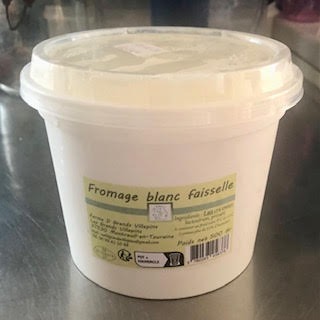
Product category
Food
Product subcategory
Milk and dairy products
Product brand name
The Grands Villepins farm
Model names or references
Faisselle white cheese
Product identification
GTIN Batch Date
3760263456378 All lots Use-by date between 05/09/2024 and 06/12/2024
Packaging
500g pot
Start/end date of marketing
From 05/09/2024 to 05/28/2024
Storage temperature
Product to keep in the refrigerator
Health mark
FR37.158.014CE
Geographical sales area
Departments: INDRE-ET-LOIRE (37), LOIR-ET-CHER (41)
Distributors
Prim’Frais, From My Lands, O near the Peasants, the Villedômer Grocery Store, Reugny Supermarket
Posted in food contamination, food handler, Food Hazard, Food Hygiene, Food Inspections, Food Micro Blog, Food Microbiology, Food Microbiology Blog, Food Microbiology Testing, Food Pathogen, Food Quality, food recall, Food Safety, Food Safety Alert, Food Safety Management, Food Safety Regulations, Food Testing, Listeria, Listeria France, Listeria monocytogenes

Product category
Food
Product subcategory
Milk and dairy products
Product brand name
The Grands Villepins farm
Model names or references
Reblochon-style cow’s tomme
Product identification
GTIN Batch Date
3760263450208 All lots Minimum durability date between 05/09/2024 and 06/18/2024
Packaging
350g
Start/end date of marketing
From 05/09/2024 to 05/28/2024
Storage temperature
Product to keep in the refrigerator
Health mark
FR37.158.014CE
Geographical sales area
Departments: INDRE-ET-LOIRE (37), LOIR-ET-CHER (41)
Distributors
Lochoise Flavors, From My Lands, O near the Peasants
Posted in food contamination, food handler, Food Hazard, Food Hygiene, Food Inspections, Food Micro Blog, Food Microbiology, Food Microbiology Research, Food Microbiology Testing, Food Pathogen, Food Quality, food recall, Food Safety, Food Safety Alert, Food Safety Management, Food Safety Regulations, Listeria, Listeria France, Listeria in Cheese, Listeria monocytogenes
In June 2023, UKHSA surveillance systems detected an outbreak of severe gastrointestinal symptoms caused by a rare serotype of Shiga toxin-producing Escherichia coli, STEC O183:H18. There were 26 cases aged 6 months to 74 years (42 % cases were aged 0–9 years), distributed across the UK with onset dates range between 22 May 2023 and 4 July 2023. The epidemiological and food chain investigations were inconclusive, although meat products made from beef mince were implicated as a potential vehicle. The outbreak strain belonged to sequence type (ST) 657 and harboured a Shiga toxin (stx) subtype stx2a located on a prophage that was unique in the UKHSA stx-encoding bacteriophage database. Plasmid encoded, putative virulence genes subA, ehxA, saa, iha, lpfA and iss were detected, however, the established STEC virulence genes involved in attachment to the gut mucosa (eae and aggR) were absent. The acquisition of stx across the global population structure of ST657 appeared to correspond with the presence of subA, ehxA, saa, iha, lpfA and iss. During the outbreak investigation, we used long read sequencing to characterise the plasmid and prophage content of this atypical STEC, to look for evidence to explain its recent emergence. Although we were unable to determine source and transmission route of the outbreak strain, the genomic analysis revealed potential clues as to how novel strains for STEC evolve. With the implementation of PCR capable of detecting all STEC, and genome sequencing for typing and virulence profiling, we have the tools to enable us to monitor the changing landscape of STEC. Improvements in the standardised collection of epidemiological data and trace-back strategies within the food industry, will ensure we have a surveillance system capable of alerting us to emerging threats to public health.

 FoodWorld