Research – Case Report: Identification of the Source for Salmonella Contamination of Carcasses in a Large Pig Slaughterhouse

MDPI

To identify the major source of Salmonella contamination in a pig slaughterhouse, samples were collected from the clean and unclean area and Salmonella isolates were further typed. Carcasses entering the clean area showed a Salmonella contamination rate of 96.7% in the oral cavity and 55.0% in the rectum content samples. Evisceration seemed not to be critical as the contamination rate of the carcasses was similar before (16.7%) and after (18.3%) this slaughter step. In the unclean area, a limited number of oral cavity samples were positive after bleeding, while a dramatic increase of positives was observed after dehairing. Salmonella was detected in up to 0.01 mL of the recycled water collected from the dehairing machine. Genotyping of Salmonella isolates showed that similar pulsotypes were present in the oral cavity and recycled water. Based on these observations it can be concluded that the recycled water used in the dehairing machine was the major source for the carcass contamination in this slaughterhouse. View Full-Text

Research – High risk of potential diarrheagenic Bacillus cereus in diverse food products in Egypt

Journal of Food Protection

bacillus

Bacillus cereus is one of the important foodborne pathogens that can be found in various foodstuffs; causing diarrheal and/or emetic syndromes. This study aimed to evaluate the prevalence, antimicrobial susceptibility profile, pathogenic potential, and genotypic diversity of B. cereus isolated from diverse food products from markets in Cairo, Egypt. A total of 39 out of 165 food samples were positive for B. cereus (detection rate of 24%) with a contamination level ranged from 2 to 6 log CFU/g and a higher incidence of > 3 log bacterial count. Antimicrobial susceptibility testing showed that B. cereus isolates were fully sensitive to all tested antimicrobial agents except β-lactams. The pathogenic potential of the 39 B. cereus isolates was assessed by detecting and profiling the secreted virulence or toxin encoding genes including the chromosomal-carried genes hblA , bceT , plc , sph , nheA , entFM , cytK associated with the diarrheal syndrome and the plasmid-carried ces gene associated with the emetic syndrome. The most frequently detected  genes were hblA , nheA and entFM . All isolates harbored more than one of the diarrheal enterotoxins encoding genes with the genetic profile hblA-bceT-nheA-entFM-cytK-plc-sph was the most prevalent (in 20/39 isolates). The emetic toxin ces was not detected at all. ERIC-based analysis of the 20 B. cereus isolates harboring the prevalent genetic profile revelated that they were genetically distinct. In conclusion, the findings of this study provide useful information for public health management and serve as a warning of the potential risk of diarrheagenic B. cereus in diverse food products. Therefore, the consideration to extensively study the epidemiology of this food pathogen in Egypt is warranted. Additionally, strict procedures should be applied to monitor, protect, and safely handle food products, particularly ready to eat foodstuffs that are usually consumed without heat treatment.

USA – FDA’s CORE Response Team Updateed

FDA

The following is a list of outbreak investigations being managed by FDA’s CORE Response Teams. The investigations are in a variety of stages, meaning that some outbreaks have limited information, and others may be near completion.

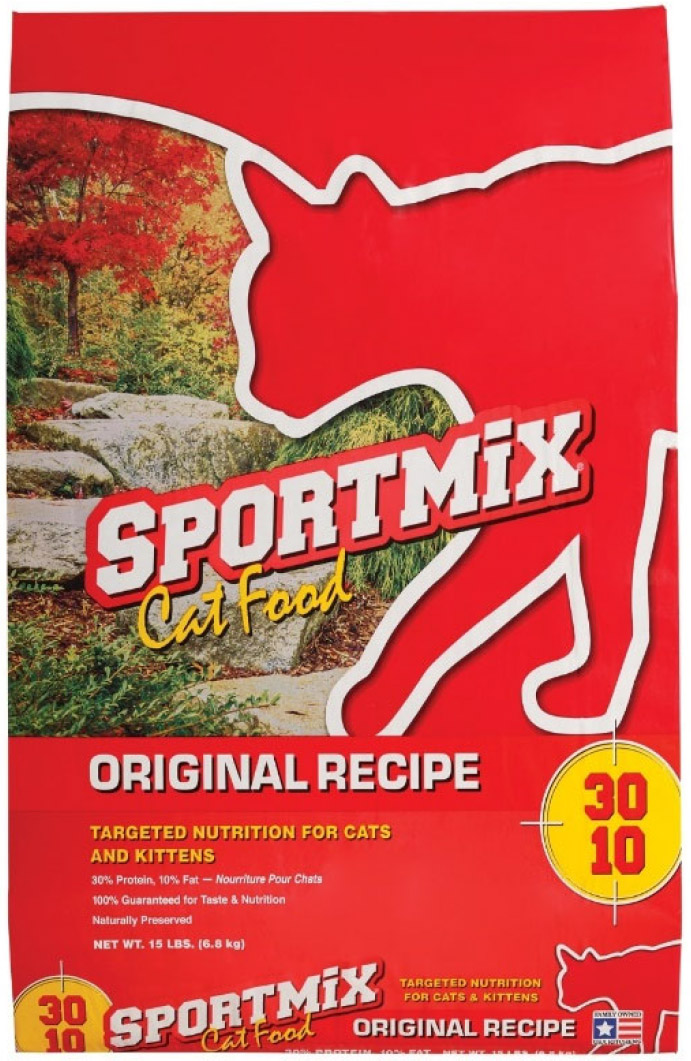
Iceland – Mold poison in Sportmix cat food -Mycotoxin -Aflatoxin

MAST

Matvælastofnun warns against  Sportmix original cat food cat food  from  Midwestern pet food  in 6.8 kg bags due to aflatoxin mold toxin. The company Pak ehf. has recalled the feed with the help of the Food Administration. The feed was taken from online sales at the end of December and buyers were contacted. 

The recall only applies to the following batches:

  • Product name: Sportmix original cat food
  • Weight: 6.8 kg (15 lbs)
  • Manufacturer: Midwestern pet foods
  • Batch number: All dates before or 07.09.22 / batch number 07092021L3 05
  • Country of manufacture: United States
  • Importer: Pak ehf., Strandgata 32, 220 Hafnarfjörður
  • Distribution:  https://www.litlagaeludyrabudin.is/netverslun/

Sportsmix cat food

Parties who own this feed are advised to return it to PAK ehf., Melabraut 19, 220 Hafnarfjörður or call 517 8119.

Aflatoxin is a poison produced by the fungus Aspergillus flavus  which can grow on maize and other grains used in pet food. If the poison is high in the product, it can cause illness or even death.

RASFF Alerts – Salmonella – Various Chicken/Turkey/Egg Products from Poland – Raw Smoked Bacon Strips – Organic Chilli Pepper – Black Pepper – Sesame Seeds – Chipolata – Paprika Powder – Turkey Fillets – Turkey Escalopes

European Food Alerts

RASFF

Salmonella (in 1 out of 5 samples /25g) in raw smoked bacon strips from Germany in Germany

RASFF

Salmonella (presence /25g) in organic chilli pepper from Uganda in the Netherlands

RASFF

Salmonella (presence /25g) in organic sesame seeds from Turkey in the Netherlands

RASFF

Salmonella (presence /25g) in chipolata from the Netherlands in the Netherlands

RASFF

Salmonella (presence /25g) in paprika powder from China in Spain

RASFF

Salmonella enterica ser. Matadi (presence /25g), Salmonella enterica ser. München (presence /25g), Salmonella enterica ser. Newport (presence /25g) and Salmonella enterica ser. Saintpaul (presence /25g) in black pepper from Brazil in Germany

RASFF

Salmonella enterica ser. Abaetetuba (in 1 out of 10 samples /25g), Salmonella enterica ser. Coeln (in 1 out of 10 samples /25g), Salmonella enterica ser. Matadi (in 1 out of 10 samples /25g), Salmonella enterica ser. Newport (in 1 out of 10 samples /25g) and Salmonella enterica ser. Oranienburg (in 2 out of 10 samples /25g) in black pepper from Brazil in Germany

RASFF

Salmonella enterica ser. Saintpaul (presence /25g) in black pepper from Brazil in Germany

RASFF

Salmonella enterica ser. Typhimurium (presence /25g) in chilled turkey fillets and escalopes from France in Finland

RASFF

Salmonella enterica ser. salamae (in 3 out of 5 samples /25g) in frozen turkey breast fillets from Poland, via Estonia in Finland

RASFF

Salmonella enterica ser. Enteritidis (in out of 5 samples /25g) in chilled chicken thighs from Poland in Lativa

RASFF

Salmonella enterica ser. Liverpool (in 1 out of 5 samples /25g) in sesame seeds from Uganda in Germany

RASFF

suspicion of Salmonella enterica ser. Enteritidis (found in faecal samples) in eggs from Poland in Poland

RASFF

Salmonella enterica ser. Enteritidis (presence /25g) in frozen chicken broiler fillets from Poland in Lithuania

RASFF

Salmonella (presence /25g) in chilled chicken meat from Poland in Poland

RASFF

Salmonella enterica ser. Enteritidis (presence/ /25g) in chilled chicken broiler soup sets from Poland in Lithuania

RASFF

Salmonella enterica ser. Infantis (presence /25g) in chicken wings from Poland in Lithuania

RASFF Alert – Moulds – Sponge Layer Cake

European Food Alerts

RASFF

sponge layer cake from Sweden infested with moulds in Denamrk

RASFF Alert – Listeria monocytogenes – Frozen Pre-Cooked Chicken Curry Cassolettes

European Food Alerts

RASFF

Listeria monocytogenes (< 10 CFU/g) in frozen pre-cooked chicken curry cassolettes from Spain in France

RASFF Alerts – Aflatoxin – White Rice – Pistachios

European Food Alerts

RASFF

aflatoxins (B1 = 3 µg/kg – ppb) in white rice from Pakistan in Spain

RASFF

aflatoxins (B1 = 24; Tot. = 27 µg/kg – ppb) in pistachios from Turkey in Belgium

Hong Kong – Centre for Food Safety announces test results on Lunar New Year food (first phase)

CFS

The Centre for Food Safety (CFS) of the Food and Environmental Hygiene Department today (January 15) announced the test results of a recently completed seasonal food surveillance project on Lunar New Year (LNY) food (first phase). The test results of around 570 samples collected were satisfactory, except for a date sample found to contain a preservative at a level exceeding the legal limit and in breach of the food labelling regulation and a rice cake sample found with sodium content inconsistent with the declared content on its nutrition label, which were announced earlier.

A spokesman for the CFS said, “The LNY is coming soon and the CFS is conducting this seasonal food surveillance project in two phases. During the first phase of the project, different types of LNY food including steamed puddings (e.g. turnip puddings and festive cakes), fried dumplings (e.g. sesame balls and crispy triangles), candies, glutinous rice balls, melon seeds and dried aquatic products were collected from different retailers (including online retailers) for chemical and microbiological tests as well as nutrition content analysis.”

Chemical tests targeted preservatives, colouring matters, metallic contaminants and others. Microbiological tests covered different food poisoning pathogens. For nutrition content analysis, the contents of total fat, sodium and sugars of the samples were tested to see if the test results were consistent with the declared values on the nutrition labels.

The spokesman urged the food trade to observe the relevant laws and regulations in the preparation of food, follow Good Manufacturing Practice and use permitted food additives only in an appropriate manner. Retailers should source food from reliable suppliers, and conduct quality checks of incoming materials and end products to ensure that ingredients used are within legal standards. In addition, the food trade should maintain proper records in accordance with the requirements of the Food Safety Ordinance to allow source tracing if needed.

The spokesman also advised consumers to buy LNY food from reliable retailers with good hygiene conditions; make sure the packaging of prepackaged cakes and snacks is intact and the products have not expired; refer to the nutrition labels on the sugar, salt (sodium) and fat content and more for healthy choices; and pay attention to the hygiene conditions of food containers and the personal hygiene of staff when buying loose-packed food (e.g. candied lotus seeds, nuts and melon seeds).

“Consumers should choose food products with natural colours. Bright white pistachios may have been bleached and melon seeds with an unnatural gloss may have had mineral oil added. Consumption of these food products can cause gastrointestinal discomfort,” the spokesman said.

“Festive cakes that are not for immediate consumption should be kept refrigerated or stored according to the instructions on the package, and should be eaten before they expire. Reheat hot-served festive cakes thoroughly before consumption, consume them as soon as possible, and avoid keeping them at room temperature for a long time. Foods like nuts and melon seeds should not be kept for a long time. Those with mould or an abnormal smell or taste should not be eaten,” he added.

The spokesman reminded the public to maintain a balanced diet and avoid foods that are high in energy, sugar, salt or fat during the LNY.

The CFS will continue to conduct surveillance on LNY food and the second-phase results will be released in a timely manner to ensure food safety.

Hong Kong – Prevention and Reduction of Aflatoxin Contamination in Peanuts

Click to access Peanuts_and_Aflatoxins_Guideline_e.pdf