USA – Black Beans brought back because of Botulism risk

Food Poison Journal

kswfoodworld

Faribault Foods, Inc. is voluntarily recalling 15 ounce cans of S&W Organic Black Beans, 15 ounce cans of O Organic Brand Black Beans and 15 ounce cans of O Organic Brand Chili Beans because the cans may have a compromised hermetic seal.  The compromised hermetic seal may affect can integrity and may cause the cans to leak, bloat or allow bacteria to grow inside the product which could lead to serious illness.  Clostridium botulinum poisoning in humans can begin from six hours to two weeks after eating food that contains the toxin. Symptoms may include double vision, blurred vision, drooping eyelids, slurred speech, difficulty swallowing, and muscle weakness. Botulism poisoning can cause paralysis of the breathing muscles, which can result in death unless assistance with breathing (mechanical ventilation) is provided.

The recalled products were distributed nationwide in retail stores.

This event only affects the lot codes listed below:  The lot codes are printed on the bottom of the can.

Product

Lot Number

Distribution Dates

S&W Organic Black Beans, 15 oz. Best By JAN 31 2023  1329A 032 21 February 2021-April 2021
S& W Organic Black Beans, 15 oz. Best By FEB 01 2023 1329A 033 21 February 2021-April 2021
S&W Organic Black Beans, 15 oz. Best By FEB 02 2023 1329A 034 21 February 2021-April 2021
S&W Organic Black Beans, 15 oz. Best By FEB 03 2023 1329A 035 21 February 2021-April 2021
O Organic Organic Black Beans, 15 oz. Best By FEB 03 2023 981A 035 21 February 2021-April 2021
O Organic Organic Chili Beans, 15 oz. Best By FEB 04 2023 978A 036 21 February 2021-April 2021

No other production codes, sizes or brands of Faribault Foods, Inc. products are affected by this recall.

Consumers who may have purchased the products listed above should return them to the store where purchased for a refund or replacement.

The recall was initiated after the firm had received consumer and customer complaints regarding failure of the hermetic seal.  The problem related to the hermetic seal failure was corrected and no other product is affected.

Denmark – Risk of mold growth in sliced ​​Spanish cheese

DVFA

BIGFOOD Danmark ApS is recalling Spanish hard cheese in slices after the company has found leaks in individual packages, and there is thus a risk of mold growth in the product. Food with skim growth is unsuitable as food.

Recalled Foods , Published: April 23, 2021

Which food:
Palancares Semi-Curado / Spanish hard cheese in slices
Net content: 90 grams
Best before date: 25.06.2021
Lot number: 0563660421

Palancares Curado / Spanish hard cheese in slices
Net content: 90 grams
Best before date: 26.06.2021
Lot number: 0573660121

Sold in:
FACTS stores across the country

Company recalling:
BIGFOOD Danmark ApS

Cause:
There is a risk of mold growth in the product.

Risk:
Mold growth means that the product is considered unsuitable as food.

Advice for consumers: The Danish
Veterinary and Food Administration advises consumers to deliver the product back to the store where it was purchased or to discard it.

France – Product recall: Karma Botanik Aloe Ginger Lemon brand Karma – Bacillus cereus

Oulah

Product recall: Karma Botanik Aloe Ginger Lemon brand Karma

ENCOUNTERED PROBLEM

Evidence of development of Bacillus cereus

PROPOSED SOLUTION

Do not consume and destroy or return to point of sale for reimbursement.

Food poisoning caused by Bacillus cereus results in either diarrhea often accompanied by abdominal pain, nausea and sometimes fever occurring within 8 to 16 hours after ingestion of the contaminated food, or vomiting occurring within 5 hours. hours after consumption. These symptoms may be worsened in sensitive or immunocompromised people.

FURTHER INFORMATION

▸ Model names or references
Karma Botanik Aloe Ginger Lemon 75 cL

▸ Barcode
3760192492768

▸ DDM
• 01/18/2022
• 01/19/2022
• 09/10/2022

▸ Source
https://rappel.conso.gouv.fr/

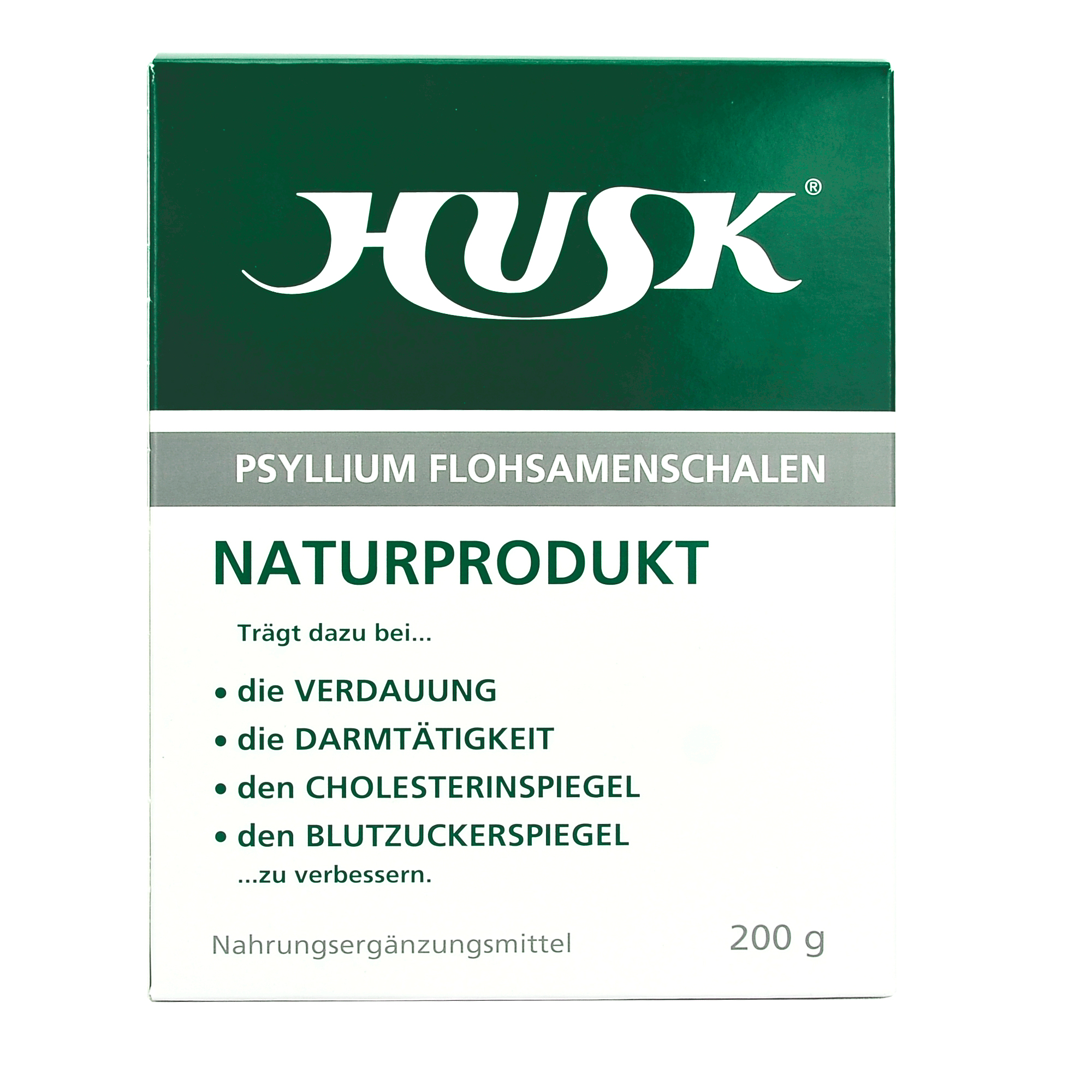
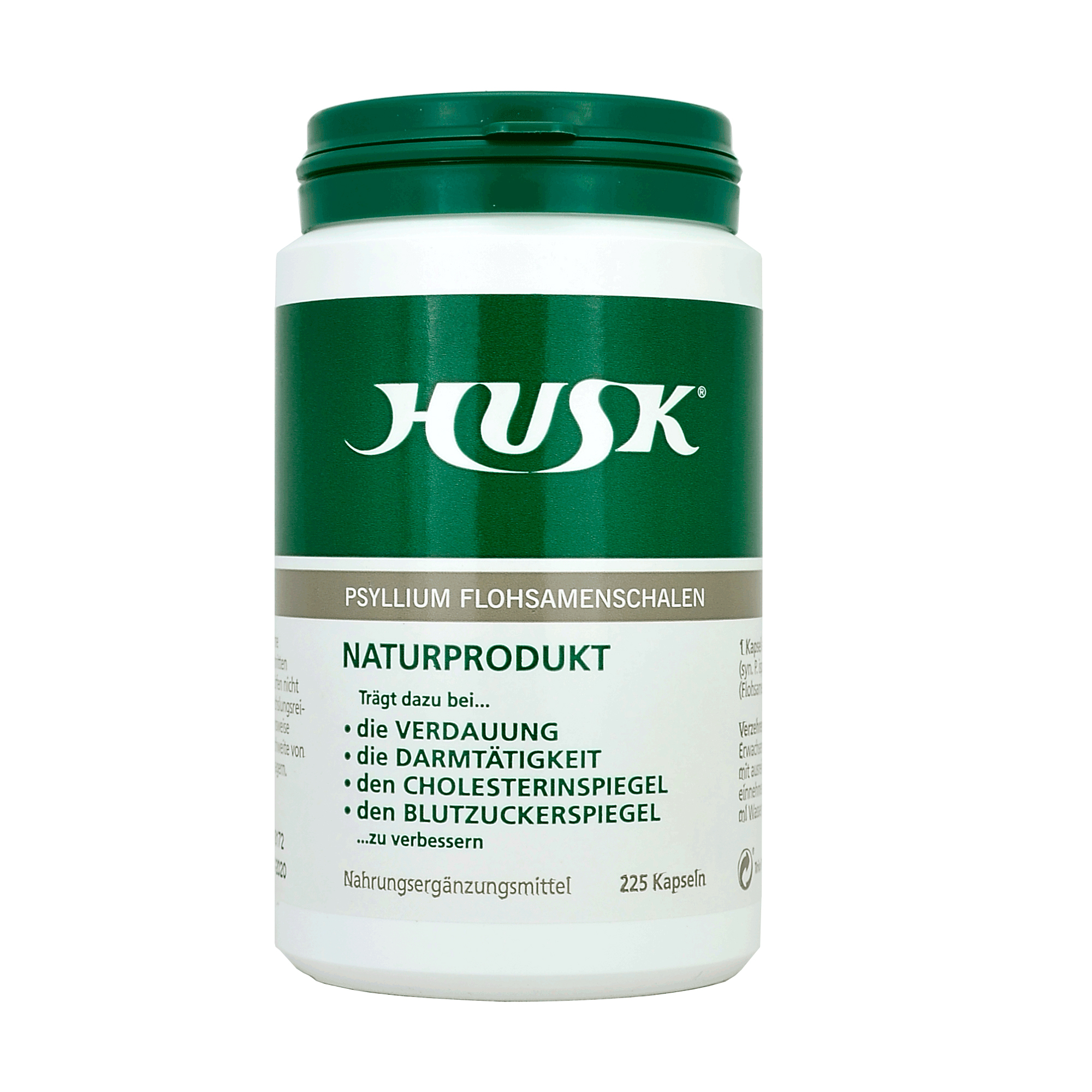
Germany – HUSK Psyllium FLEE SEED SHELL powder 200 g HUSK Psyllium FLEE SEED SHELL 225 capsules – Salmonella

LMW

Warning type:

Food

Date of first publication:

04/23/2021

Product name:

HUSK Psyllium FLEE SEED SHELL powder 200 g HUSK Psyllium FLEE SEED SHELL 225 capsules

Product pictures:

Husk_Flohsamenschalen_Pulver_1.jpg

Hecht Pharma GmbH

Husk_Flohsamenschalen_Pulver_2.jpg

Hecht Pharma GmbH

Husk_Flohsamenschalen_Kapseln_1.jpg

Hecht Pharma GmbH

Husk_Flohsamenschalen_Kapseln_2.jpg

Hecht Pharma GmbH

Manufacturer (distributor):

Distributor in Germany: Hechtpharma GmbH, Zevener Str. 9, 27432 Bremervörde

Reason for warning:

Possible exposure to salmonella

Packaging Unit:

200g (powder); 225 capsules (capsules)

Lot identification:

PZN: 12539595 (powder), PZN: 12539603 (capsules)

Additional Information:

Salmonella
A salmonella disease manifests itself within a few days after infection with diarrhea, abdominal pain and occasionally vomiting and a slight fever. The symptoms usually subside on their own after several days. Infants, toddlers, the elderly and people with a weakened immune system in particular can develop more severe disease courses. People who have eaten this food and develop severe or persistent symptoms should seek medical attention and advise them of a possible salmonella infection.
Seeking preventive medical treatment without symptoms does not make sense.

You can find more information about the pathogen here: http://www.infektionsschutz.de/erregersteckbriefe/salmonellen

Homepage of the manufacturer:

Contact to the responsible authorities:

Baden-Württemberg:

poststelle@mlr.bwl.de

Bavaria:

poststelle@lgl.bayern.de

Berlin:

poststelle@senjustva.berlin.de

Bremen:

Schnellwarnung@gesundheit.bremen.de

Hamburg:

poststelle@justiz.hamburg.de

Hesse:

Schnellwarnung@rpda.hessen.de

Mecklenburg-Western Pomerania:

poststelle@lm.mv-regierung.de

Lower Saxony:

poststelle@ml.niedersachsen.de

North Rhine-Westphalia:

poststelle@mulnv.nrw.de

Rhineland-Palatinate:

Poststelle.Referat22@lua.rlp.de

Saarland:

poststelle-luv@lav.saarland.de

Saxony:

poststelle@sms.sachsen.de

Saxony-Anhalt:

poststelle@ms.sachsen-anhalt.de

Schleswig-Holstein:

poststelle@jumi.landsh.de

Thuringia:

LM-Ueberendung@tlv.thueringen.de

Press releases and information
title Attachment or web link
Recall Hecht Pharma

Australia – Coles Supermarkets Australia Pty Ltd — Coles Tasmanian Smoked Salmon 150g

PSA

Photograph of Tasmanian Smoked Salmon 150g

Identifying features

Use by date
7 April 2023
Other
APN/EAN 9310645312729

What are the defects?

The recall is due to an incorrect Use By date. The product was incorrectly labelled with a Use By date of 07 April 2023, instead of 07 May 2021.

What are the hazards?

The food may cause illness if consumed after 07 May 2021.

What should consumers do?

Consumers should not consume the product beyond the correct Use By date of 07 May 2021. Consumers should return the product to the place of purchase for a full refund.

For further information, please contact Coles Supermarkets Australia Pty Ltd by phone on 1800 061 562 or via https://www.coles.com.au

Traders who sold this product

Coles Supermarkets in Tasmania, Victoria (excluding Mildura stores), Western Australia and Coles Online.

Where the product was sold
Online
Tasmania
Victoria
Western Australia
Dates available for sale
  • 9 April 2021 – 17 April 2021

Recall advertisements and supporting documentation

Coordinating agency

Food Standards Australia New Zealand is the coordinating agency for this recall.

Australia – Naturally Good Products Pty Ltd — Naturally Good Super Paleo Breakfast Biscuits 150g, Lemon Chia Flavour, Maple Hemp Flavour and Vanilla Flax Flavour

PSA

Photograph of Naturally Good Breakfast Biscuit Lemon Chia
Photograph of Naturally Good Breakfast Biscuit Maple Hemp
Photograph of Naturally Good Breakfast Biscuit Vanilla Flax

Identifying features

Barcode number
9311799089208 Lemon Chia, 9311799089109 Maple Hemp, 9311799089000 Vanilla Flax

What are the defects?

The recall is due to potential for an increase in moisture, which may lead to microbial growth.

What are the hazards?

Food products with microbial growth may cause illness if consumed.

What should consumers do?

Consumers should not eat this product and should return the products to the place of purchase for a full refund.

For further information, please contact Naturally Good Products Pty Ltd by phone on 03 9460 8050 or via https://www.naturallygoodproducts.com.au

Traders who sold this product

Independent retailers including IGA & health food stores in NSW, ACT, Queensland, Victoria, Tasmania, NT & SA

Where the product was sold
Australian Capital Territory
International
New South Wales
Northern Territory
Queensland
South Australia
Tasmania
Victoria
Dates available for sale
  • 22 July 2020 – 22 April 2021

Recall advertisements and supporting documentation

Coordinating agency

Food Standards Australia New Zealand is the coordinating agency for this recall.

Research – Apple Juice Preservation Using Combined Nonthermal Processing and Antimicrobial Packaging.

Journal of Food Protection

This study investigated the effectiveness of pulsed electric fields (PEF) treatment (19, 23, 30 kV/cm), pulsed UV light (PL) treatment (5 to 50 s; 1.04 J/cm 2 /s), and antimicrobial packaging (AP) treatment, either individually or combined, in inactivating bacteria and in maintaining the quality of fruit juices. Apple juice samples, inoculated with Escherichia coli K12 or native mold and yeast (M&Y), were treated by a bench scale PEF and/or PL processing systems and stored in glass jars with antimicrobial caps containing 10 µl of carvacrol (AP). The reduction in microbial populations and the physicochemical properties of juice samples were determined after treatments and during storage at 10°C. The treatments included PL (5 to 50 s; 1.04 J/cm 2 /s ), PEF (19, 23, 30 kV/cm), PEF followed by PL (PEF+PL), PL followed by PEF (PL+PEF), and PEF+PL+AP. PEF treatments from 19 to 30 kV/cm (PEF19, PEF23, PEF30) achieved E. coli reduction by 2.0, 2.6 and 4.0 log CFU/ml, respectively; PL treatments for 10 to 50 seconds (PL10, PL20, PL30, PL40, PL50) achieved E. coli reduction by 0.45, 0.67, 0.76, 2.3, and 4.0 log CFU/ml, respectively. There were no significant (p>0.05) differences between the combined PL20+PEF19 and PEF19+PL20 treatments; both treatments reduced E. coli K12 populations to non-detectable levels (> 5 log reduction) after 7 days. Both PEF+PL and PEF+PL+AP treatments achieved over 5 log reduction of M&Y; however, juice samples subject to PEF+PL+AP treatment had lower M&Y counts (2.9 log) than samples subject to PEF+PL treatment (3.9 log) after 7 days. There were no significant (p > 0.05) differences in pH, acidity, total soluble solid contents among all samples after treatments. Increased PL treatment times reduced color a*, b* values, total phenolics and carotenoid contents. This study provides valuable information to juice processors for consideration and design of nonthermal pasteurization of juice products.

Research – Survival of Salmonella and Shiga Toxin-producing Escherichia coli and Changes in Indigenous Microbiota During Fermentation of Kombucha Made from Home-brewing Kits

Journal of Food Protection

Survival and growth of Salmonella and Shiga toxin-producing Escherichia coli (STEC) in kombucha prepared from four brands of commercially available kombucha kits intended for use by home brewers were investigated. Changes in microbiota responsible for fermentation were also determined. An initial population of Salmonella (6.77 log CFU/mL) decreased to below the detection limit (0.30 log CFU/mL) within 10 d in kombucha prepared from two of the four test brands. Populations of 1.85 and 1.20 log CFU/mL were detected in two brands fermented for 14 d. An initial population of STEC (7.02 log CFU/mL) decreased to <0.30 log CFU/mL in two of the four brands within 14 d; 0.20 and 0.87 log CFU/mL were detected in kombucha prepared from the other two brands. Salmonella and STEC increased in populations within 1 d in three brands of base tea used to prepare kombucha, and were stable throughout 14 d of incubation. Both pathogens steadily declined in base tea prepared from one brand of kombucha kit. Inactivation of the pathogens occurred as the pH of kombuchas decreased, but a clear correlation between rates of inactivation and decrease in pH was not evident when comparing kombuchas prepared from the four kits. Growth and peak populations of mesophilic aerobic microorganisms, yeasts, lactic acid bacteria, and acetic acid bacteria varied, depending on the kombucha kit brand. There was not strong evidence to correlate the behavior of Salmonella and STEC with any of these groups of indigenous microbiota. Results of this study show that the ability of Salmonella and STEC to survive in kombucha and base tea used to prepare kombucha is dependent on inherent differences in commercially available kombucha kits intended for use in home settings. Strict application of hygienic practices with the goal of preventing contamination with Salmonella or STEC is essential for reducing the risk of illness associated the consumption of kombucha.

Research – Histamine Control in Raw and Processed Tuna: A Rapid Tool Based on NIR Spectroscopy

MDPI

The present study was designed to investigate whether near infrared (NIR) spectroscopy with minimal sample processing could be a suitable technique to rapidly measure histamine levels in raw and processed tuna fish. Calibration models based on orthogonal partial least square regression (OPLSR) were built to predict histamine in the range 10–1000 mg kg−1 using the 1000–2500 nm NIR spectra of artificially-contaminated fish. The two models were then validated using a new set of naturally contaminated samples in which histamine content was determined by conventional high-performance liquid chromatography (HPLC) analysis. As for calibration results, coefficient of determination (r2) > 0.98, root mean square of estimation (RMSEE) ≤ 5 mg kg−1 and root mean square of cross-validation (RMSECV) ≤ 6 mg kg−1 were achieved. Both models were optimal also in the validation stage, showing r2 values > 0.97, root mean square errors of prediction (RMSEP) ≤ 10 mg kg−1 and relative range error (RER) ≥ 25, with better results showed by the model for processed fish. The promising results achieved suggest NIR spectroscopy as an implemental analytical solution in fish industries and markets to effectively determine histamine amounts. View Full-Text

Research – Thermal Inactivation Kinetics of Salmonella and Enterococcus faecium NRRL-B2354 on whole chia seeds (Salvia hispanica L.)

Journal of Food Protection

Intervention technologies for inactivating Salmonella in whole chia seeds are currently limited. The determination of the thermal inactivation kinetics of Salmonella o n chia seeds and selection of an appropriate nonpathogenic surrogate will provide a knowledge foundation for selecting and optimizing thermal pasteurization processes for chia seeds. In this study, chia seed samples from three separate production lots were inoculated with a five strain Salmonella cocktail or Enterococcus faecium NRRL-B2354 and equilibrated to 0.53 aw at room temperature (25 °C). After equilibration for at least three days, the inoculated seeds were subjected to isothermal treatments at 80, 85, or 90 °C. Samples were taken out at six timepoints and enumerated for survivors. Initial dilution of whole chia seeds was performed in a filter bag at a 1:30 ratio after it was shown to have similar recovery to grinding the seeds. Survivor data were fitted to consolidated models consisting of a primary model (log-linear or Weibull) and one secondary model (Bigelow). E. faecium exhibited higher thermal resistance than Salmonella , suggesting its suitability as a conservative nonpathogenic surrogate. The Weibull model was a better fit for the survivor data than the log-linear model for both bacteria due to its lower root mean square error and corrected Akaike’s Information Criterion values. Measurements of lipid oxidation and fatty acid content indicated a few statistically different values compared to the control samples, but the overall difference in magnitudes were relatively small. The thermal inactivation kinetics of Salmonella and E. faecium o n chia seeds as presented in this study can serve as a basis for developing thermal pasteurization processes for chia seeds.