Category Archives: VTEC

Ireland – Public health investigating E.coli outbreak at childcare facility in Mid-West

Irish Examiner

The Department of Public Health in the Mid-West is handling an E.coli outbreak at a childcare facility and is reminding the public of the danger this bacteria can pose.

Verotoxigenic E.coli (VTec) is a powerful strain of E.coli bacterium that lives in the gut of healthy cattle and sheep and can cause serious illness in the elderly and in children aged under five.

The Mid-West public health department said the outbreak was under control but the incidence highlights the importance of hand hygiene and proper water treatment. 

VTec can be a source of food poisoning and can cause bowel inflammation leading to bloody diarrhoea and severe stomach cramps.

While some people may experience no symptoms, severe diarrhoea from VTec can last as long as nine days.

Public Health Mid-West said a hospital laboratory can confirm the presence of VTec if a person provides a stool sample to their doctor.

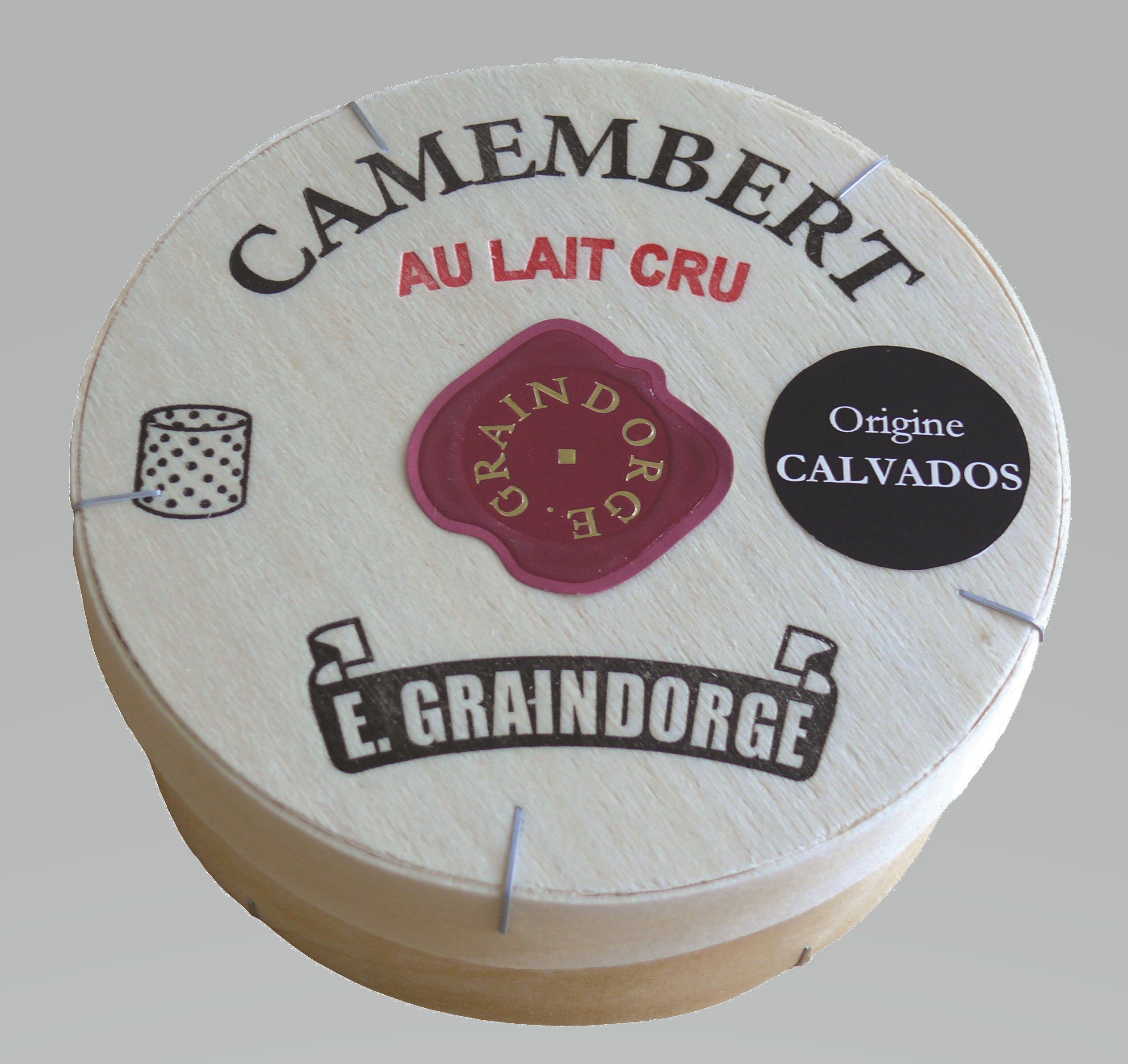
Germany – CAMEMBERT GRAINDORGE – STEC E.coli

steLMW

Warning type:Food
Date of first publication:03/13/2021
Product name:CAMEMBERT GRAINDORGE
Product pictures:

4813_Camembert LC_1.jpg
Manufacturer (distributor):MUNICH fromage GmbH & Co. KG
Reason for warning:

Detection of verotoxin-producing E. coli

Packaging Unit:250 g
Durability:04/07/2021
Lot identification:270121LI13
Further information:For more information, please refer to the attached press release.
Contact to the responsible authorities:

Baden-Württemberg:poststelle@mlr.bwl.de

Bavaria:poststelle@lgl.bayern.de
Hamburg:poststelle@justiz.hamburg.de
Hesse:Schnellwarnung@rpda.hessen.de
Lower Saxony:poststelle@ml.niedersachsen.de
North Rhine-Westphalia:poststelle@mulnv.nrw.de
Press releases and information
title Attachment or web link
Press release MÜNNICH fromage GmbH & Co. KG

Austria – „Meine Käserei“ Brie de Nangis, ca. 100 g – STEC E.coli

AGES

Recall reason Verotoxin-producing Escherichia coli
Marketed by Lidl Austria
Manufacturer JERMI Käsewerk GmbH
Expiry Date 01/11/2020
Batch number 403

Product recall: “My cheese dairy” Brie de Nangis, approx. 100 g from the manufacturer JERMI Käsewerk GmbH

Salzburg (OTS) – The manufacturer JERMI Käsewerk GmbH is currently calling out the product “MY CHEESERY, BRIE DE NANGIS, CA. 100 G “with the best before date 11/01/2020, lot number 403 and the identification number DE BW 331 EG.

Verotoxin-producing Escherichia (E.) coli (VTEC) were detected in the affected product. VTEC bacteria can cause diarrhea. Certain groups of people (infants, toddlers, senior citizens, pregnant women and people with a weakened immune system) can develop severe disease. Because of this health risk, customers should pay attention to the recall and avoid consuming the cheese. This warning does not mean that the endangerment was caused by Lidl Austria.

The affected product “My Käserei, Brie de Nangis, approx. 100g” with the best before date 01.11.2020, the lot number 403 and the ID number DE BW 331 EG from the manufacturer JERMI Käsewerk GmbH was sold at Lidl Austria.

For reasons of consistent consumer protection, Lidl Austria reacted immediately and removed the affected product from sale. The product can be returned in all Lidl branches. The purchase price will of course be reimbursed, even without presenting the receipt.
Other products sold at Lidl Austria, in particular other “Meine Käserei” products, are not affected by the recall.
The manufacturer JERMI Käsewerk GmbH apologizes to all concerned for the inconvenience.

Customer service

If you have any questions on the subject, Lidl Austria customer service is available on the toll-free number 0800/500 810 from Monday to Friday from 8:00 a.m. to 6:00 p.m. and on Saturday from 8:00 a.m. to 5:00 p.m.

Original recall

Europe – Shiga toxin/verocytotoxin-producing Escherichia coli (STEC/VTEC) infection – Annual Epidemiological Report for 2018

ECDC

Executive summary

  • For 2018, 30 EU/EEA countries reported 8 658 confirmed cases of infection with Shigatoxin/verocytotoxin-producing Escherichia coli (STEC/VTEC).
  • The overall notification rate was 2.4 cases per 100 000 population.
  • After a stable period from 2014 to 2017, the notification rate increased by 41% in 2018.
  • The highest notification rates were reported in Denmark, Ireland, Malta, Norway and Sweden.
  • The highest rate of confirmed cases was observed in 0–4-year-old children (11.5 cases per 100 000 population).

Denmark – ‘No outbreak’: Danish medic after two children die from E. Coli STEC/VTEC complications

The Local

Two children – one on the island of Funen and another in the Copenhagen area – died due to a rare complication related to VTEC, a strain of the E. Coli bacteria.

Both children died of kidney failure, but the two tragic cases are not connected. A third child also contracted kidney failure but survived, DPSA said.

A consultant doctor and head of department at Copenhagen infectious disease research institute SSI stressed that the cases were not evidence of an outbreak and that the number of cases was not improbable.

“At this time, we have knowledge of three cases of kidney failure from August to September. That is not more than we would expect at this time of year. Fortunately there is nothing to suggest they are connected,” Tyra Grove Krause said.


USA – Outbreak of E. coli Infections – E.coli O103 STEC

CDC

Latest Outbreak Information
Illustration of a megaphone.
At A Glance


Photo of romaine lettuce in a wood bowl.

  • A total of 109 people infected with the outbreak strain of E. coli O103 have been reported from six states.
    • Seventeen people have been hospitalized. No cases of hemolytic uremic syndrome, a type of kidney failure, have been reported. No deaths have been reported.
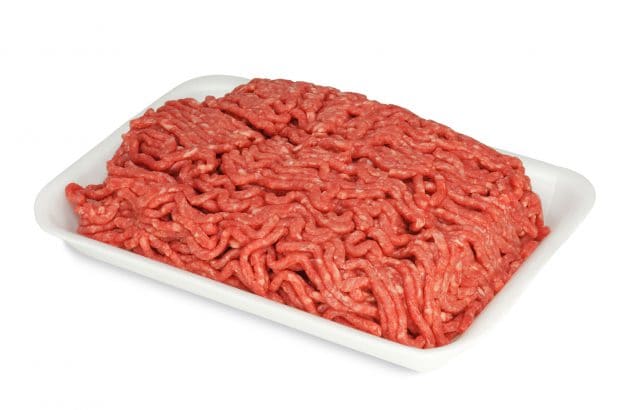
  • Preliminary epidemiologic information suggests that ground beef is the source of this outbreak.
    • Ill people in this outbreak report eating ground beef at home and in restaurants.
    • Traceback investigations are ongoing to determine the source of ground beef supplied to grocery stores and restaurant locations where ill people ate.
  • At this time, no common supplier, distributor, or brand of ground beef has been identified.
  • CDC is not recommending that consumers avoid eating ground beef at this time. Consumers and restaurants should handle ground beef safely and cook it thoroughly to avoid foodborne illness.
  • At this time, CDC is not recommending that retailers stop serving or selling ground beef.
  • This is a rapidly evolving investigation. We will provide updates as more information becomes available.

Research – Shiga toxin/verocytotoxin-producing Escherichia coli (STEC/VTEC) infection – Annual Epidemiological Report for 2017

ECDC

In 2017, 6 457 confirmed cases of infections with Shiga toxin/verocytotoxin-producing Escherichia coli (STEC/VTEC) were reported in the EU/EEA.

Scotland – Food Standards Scotland issues warning over Shiga-toxi E.coli bug

Herald Scotland

FOOD safety inspectors have warned that even trace amounts of an E. coli bacteria can post a danger to human health.

The updated guidance from Food Standards Scotland (FSS) has been published today following a joint report by the World Health Organisation and United Nations which urged vigilance in relation to Shiga Toxin-producing E. coli (STEC).

Professor Norval Strachan, Independent Chief Scientific Adviser for FSS, said: “STEC, or Shiga Toxin-producing E. coli, are a group of different types of E. coli bacteria found in the guts of animals such as cattle and sheep, which can make their way into the food chain via the animals’ faeces.

USA – FDA Report on E. Coli O157 Outbreak in Romaine Lettuce Points to “Significant” Finding of Strain in Sediment of Water Reservoir

Food Safety Tech 

The November 2018 outbreak of E.coli O157:H7 infections linked to romaine lettuce caused 62 illnesses across 16 states. The FDA zeroed in on the Central Coast growing regions of northern and Central California as being responsible for the contamination. The outbreak was declared over on January 9 and yesterday FDA released the report, “Factors Potentially Contributing to the Contamination of Romaine Lettuce Implicated in the Fall 2018 Multi-State Outbreak of E.Coli O157:H7”, which provides an overview of the investigation.

The report states that a sediment sample coming from an on-farm water reservoir in Santa Maria (Santa Barbara County, California) tested positive for the outbreak strain of E. coli O157:H7. Although this particular farm was identified in several legs of the Fall 2018 traceback investigations that occurred in the United States and Canada, as well as being a possible supplier of romaine lettuce in the 2017 traceback investigations, the FDA said that the farm is not the single source of the outbreak, as there is “insufficient evidence”. The traceback suggests that the contaminated lettuce could have come from several farms, because not all tracebacks led to the farm on which the contaminated sediment was found.


Research -Microbiological Testing Program for E. coli O157:H7 and non-O157 Shiga Toxin-Producing E. coli: Individual Positive Results for Raw Ground Beef (RGB) and RGB Components

USDA

Table 1. Raw Ground Beef Products (RGB) Analyzed for E. coli O157:H7, Current Calendar Year

Sample Source1 Collection Date Where Collected Product Status Positives this Year Samples Analyzed this Year Total Positives2 Total Samples Analyzed2
Federal RGB Verification, Beef Oct 15, 2018 MN Held 4 9,541 540 238,301
Federal RGB Verification, Beef Oct 9, 2018 NC Held 3 9,297 539 238,057
Federal RGB Verification, Beef Mar 26, 2018 OR Held 2 3,085 538 231,845
Federal RGB Verification, Beef Feb 8, 2018 CA Held 1 1,704 537 230,464

Z7_0Q0619C0JGR010IFST1G5B1055

Web Content Viewer (JSR 286)

Actions

Loading…

Microbiological Testing Program for E. coli O157:H7 and non-O157 Shiga Toxin-Producing E. coli: Individual Positive Results for Raw Ground Beef (RGB) and RGB Components

View by Year:  
2018 Positive Results
2017 Positive Results
2016 Positive Results
2015 Positive Results
2014 Positive Results
2013 Positive Results
2012 Positive Results
2011 Positive Results
2010 Positive Results
2009 Positive Results
2008 Positive Results
2007 Positive Results
2006 Positive Results
2005 Positive Results
2004 Positive Results
2003 Positive Results
2002 Positive Results
2001 Positive Results

The table below includes all positive results as of November 4, 2018.

Table 1. Raw Ground Beef Products (RGB) Analyzed for E. coli O157:H7, Current Calendar Year 

Sample Source1 Collection Date Where Collected Product Status Positives this Year Samples Analyzed this Year Total Positives2 Total Samples Analyzed2
Federal RGB Verification, Beef Oct 15, 2018 MN Held 4 9,541 540 238,301
Federal RGB Verification, Beef Oct 9, 2018 NC Held 3 9,297 539 238,057
Federal RGB Verification, Beef Mar 26, 2018 OR Held 2 3,085 538 231,845
Federal RGB Verification, Beef Feb 8, 2018 CA Held 1 1,704 537 230,464

1Sample Sources may include these types of establishments and samples:

  • Federal (verification; follow-up)
  • Retail (verification; follow-up)
  • State (verification; follow-up)
  • Import (verification; follow-up). For Import samples, the column “Where Collected” is defined as Country of Origin. <!–
  • Source may also refer to the type of product (beef, veal, or mixed), as listed on the product label.
  • –>

2Totals: “Total Positives” and “Total Samples Analyzed” are the totals since FSIS began its testing program to detect E. coli O157:H7 in raw ground beef on October 17, 1994.


The table below includes all positive results as of November 4, 2018.

Table 2. Raw Ground Beef Components (RGBC) Analyzed for Target STECs, Current Calendar Year3

Sample Source4 Collection Date Target STECs Where Collected Product Status Posi-
tives this Year
Samples Analyzed this Year5 Total Posi-
tives
Total Samples Analyzed6
Trim Verification, Beef Oct 18, 2018 O111 PA Held 19 6,594 415 59,239
Trim Verification, Beef Oct 9, 2018 O157:H7 SD Held 18 6,262 414 58,907
Trim Verification, Beef Sep 5, 2018 O157:H7 PA Held 17 5,641 413 58,286
Trim Verification, Beef Aug 14, 2018 O103 PA Held 16 5,018 412 57,663
Trim Verification, Beef Jun 6, 2018 O157:H7 MO Held 15 3,583 411 56,228
Trim Verification, Veal Jun 6, 2018 O26 PA Held 14 3,428 410 56,073
Follow-up to RGBC Positive, Beef May 30, 2018 O103 PA Held 13 3,266 409 55,911
Follow-up to RGBC Positive, Beef May 29, 2018 O103 PA Held 12 3,266 408 55,911
Trim Verification, Beef May 21, 2018 O157:H7 TX Held 11 3,147 407 55,792
Trim Verification, Beef May 16, 2018 O103 PA Held 10 2,968 406 55,613
Trim Verification, Beef May 15, 2018 O103 NY Held 9 2,968 405 55,613
Trim Verification, Beef May 9, 2018 O103 PA Held 8 2,968 404 55,613
Other RGBC Verification May 9, 2018 O157:H7 NE Held 7 2,968 403 55,613
Trim Verification, Beef Mar  19, 2018 O157:H7 NM Held 6 1,814 402 54,455
Trim Verification, Beef Mar 1, 2018 O121 ID Held 5 1,507 401 54,148
Trim Verification, Veal Feb 27, 2018 O103 WA Held 4 1,347 400 53,988
Follow-up to RGBC Positive, Beef Jan 27, 2018 O45 WI Held 3 583 400 53,225
Other RGBC Verification Jan 4, 2018 O157:H7 SD Held 2 107 399 52,749
Trim Verification, Beef Dec 28, 2017 O157:H7 WI Held 1 107 398 52,749