RASFF-Salmonella enterica ser. Jerusalem (present /25g) in organic soybean and sunflower cakes from Italy in Austria
RASFF-too high count of Enterobacteriaceae (<40 CFU/g) in fish meal from Latvia in Spain


The E. coli O157:H7 romaine outbreak has grown, according to an update posted by the Centers for Disease Control and Prevention (CDC). Since the last update posted in November 26, 2018, an additional nine patients have been added to the total for 52 sick. Those patients live in 15 states. Nineteen people have been hospitalized.
Posted in E.coli, E.coli O157, E.coli O157:H7, food bourne outbreak, food contamination, food death, Food Hygiene, Food Illness, Food Inspections, Food Micro Blog, Food Microbiology, Food Microbiology Blog, Food Pathogen, Food Poisoning, food recall, Food Safety, Food Safety Alert, Food Testing, Food Toxin, foodborne disease, Foodborne Illness, foodborne outbreak, foodbourne outbreak, Uncategorized

The FDA has issued a public health alert about possible hepatitis A contamination in Bauer’s Candies’ Modjeskas. This product is individually wrapped marshmallow candy that is dipped in chocolate or caramel. A worker in the facility tested positive for hepatitis A.
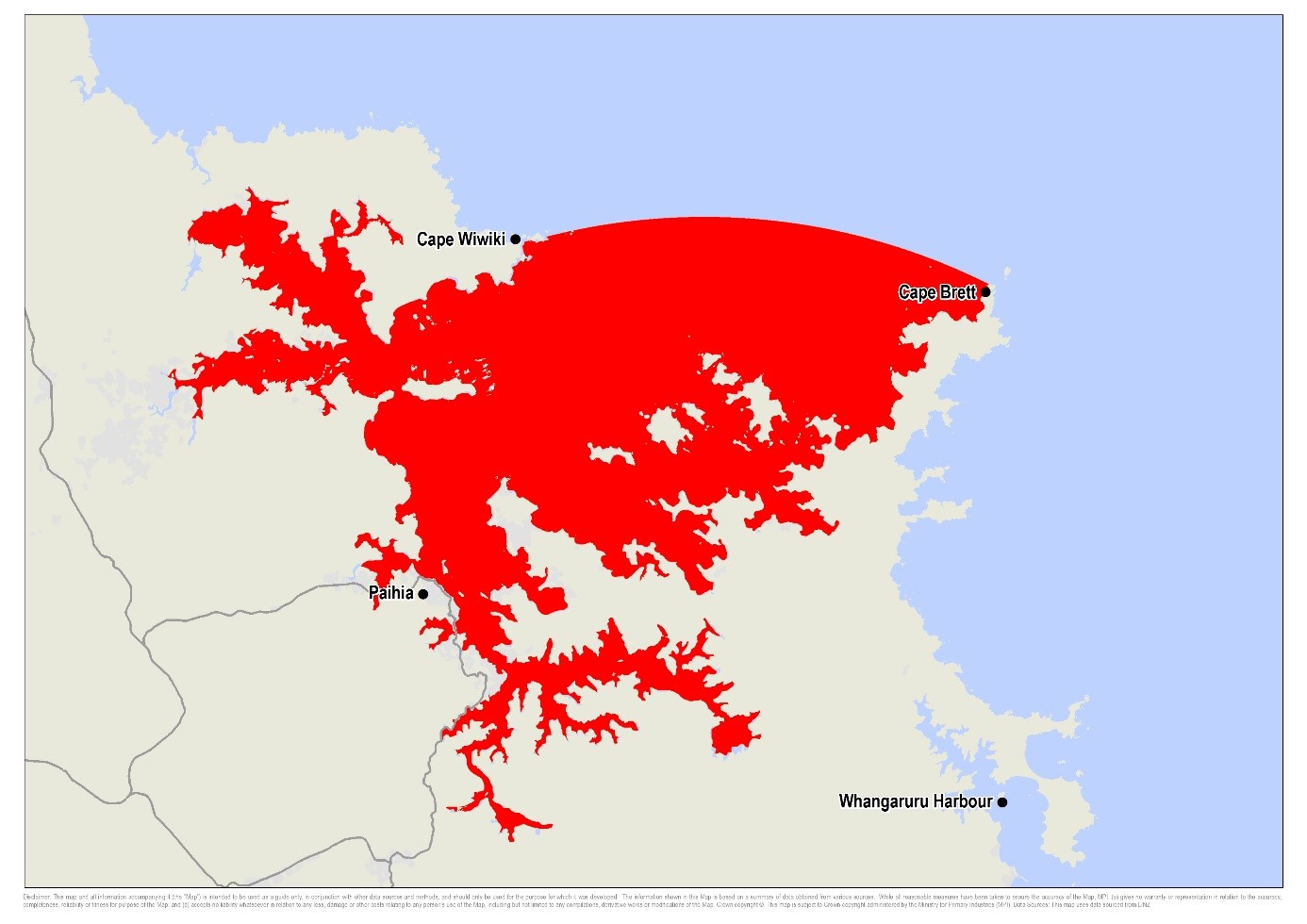
The Ministry for Primary Industries (MPI) yesterday issued a public health warning advising the public not to collect or consume shellfish harvested from the entire Bay of Islands inside a line between Cape Brett northward to Cape Wiwiki.
Routine tests on shellfish samples taken from this region have shown levels of Paralytic Shellfish Poisoning (PSP) toxins above the safe limit of 0.8 mg/kg set by MPI. Anyone eating shellfish from this area is potentially at risk of illness.
CFS
The Centre for Food Safety (CFS) of the Food and Environmental Hygiene Department today (November 26) announced the test results of a recently completed seasonal food surveillance project on the microbiological quality of poon choi. Thirty samples were collected and all passed the tests.
A CFS spokesman said, “As poon choi is popular for gatherings during winter and there were previous cases of bacterial food poisoning associated with poon choi, the CFS has continued to conduct a seasonal food surveillance project this year to assess the microbiological quality of poon choi. A total of 30 poon choi samples were collected from different retailers (including online retailers) for testing of common food poisoning organisms including Bacillus cereus, Clostridium perfringens, Salmonella, coagulase-positive staphylococci organisms and Vibrio parahaemolyticus.”
Despite the satisfactory results of all samples tested, the spokesman reminded people to be careful when purchasing and enjoying this seasonal delicacy. He advised consumers to order poon choi from licensed and reliable shops, avoid prolonged storage of poon choi at room temperature to reduce the risk of bacteria growth, reheat poon choi thoroughly before consumption, consume cooked or reheated poon choi as soon as possible or keep the food at temperatures above 60 degrees Celsius, and stop consuming the food if it tastes or smells abnormal.
“The public should also maintain a balanced diet and avoid eating too much food with high levels of energy, sugar, salt or fat,” the spokesman said.
He also appealed to the food trade not to entertain orders beyond handling capacity. Traders are reminded to check the quality of food and ingredients when they are delivered to them. In addition, to reduce the risk of food poisoning, they should avoid preparing food too far in advance and take note of the temperature in storing, transporting and preparing food.
“All food and food ingredients should be stored at safe temperatures while perishable items should be stored at 4 degrees C or below. The cooling time of cooked food should be reduced as far as possible, for example, by dividing food into smaller portions or placing it in shallow containers. When transporting hot poon choi, it should be kept at above 60 degrees C, and for chilled poon choi, it should be kept at 4 degrees C or below,” the spokesman said.
“Traders should also provide clear advice on the proper methods of storing and reheating of poon choi to consumers so as to further reduce the risk of food poisoning due to improper handling,” he added.
The CFS will continue its surveillance of poon choi available in the market to ensure food safety and protect the health of the public.
Posted in Bacillus, Bacillus cereus, Clostridium perfringens, food contamination, Food Hygiene, Food Inspections, Food Micro Blog, Food Microbiology, Food Microbiology Blog, Food Pathogen, Food Safety, Food Safety Alert, Food Testing, Salmonella, Staphylococcus aureus, Uncategorized, Vibrio, Vibrio parahaemolyticus
Hurriyet Daily News writes the senate of Van Yüzüncü Yıl University in the eastern province of Van has decided that one academic will dine with students every day after dozens of students living in a dormitory suffered from food poisoning last week.
On Nov. 29, a total of 337 students were hospitalized following complaints such as nausea and high fever. A special commission was established to investigate the suspected poisoning and officials from the local health and provincial directorate of agriculture collected samples from the food and the water students consumed
In nature and man-made environments, microorganisms reside in mixed-species biofilm where behavior is modified compared to the single-species biofilms. Pathogenic microorganisms may be protected against adverse treatments in mixed-species biofilms leading to health risk for humans. Here, we developed two mixed-five-species biofilms that included the foodborne pathogens Listeria monocytogenes or Staphylococcus aureus, respectively. The five species, including the pathogen, were isolated from a single food-processing environmental sample thus mimicking the environmental community. In mature mixed five-species biofilms on stainless steel, the two pathogens remained at a constant level of ∼105 CFU/cm2 The mixed-five-species biofilms as well as the pathogens in mono-species biofilms were exposed to biocides to determine any pathogen-protective effect of the mixed biofilm. Both pathogens and their associate microbial communities were reduced by peracetic acid treatments. S. aureus decreased 4.6 log cycles in mono-species biofilm, but the pathogen was protected in the five-species biofilm and decreased only 1.1 log cycles. Sessile cells of L. monocytogenes were affected equally as a mono-biofilm or as a member in the mixed-species biofilm; decreasing by three log cycles when exposed to 0.0375 % peracetic acid. When the pathogen was exchanged in each associate microbial community, S. aureus was eradicated while there was no significant effect of the biocide on L. monocytogenes or the mixed community. This indicates that particular members or associations in the community offered the protective effect. Further studies are needed to clarify the mechanisms of biocide protection, and the species playing the protective role in microbial communities of biofilms. Importance: This study demonstrates that foodborne pathogens can be established in mixed species biofilms and that this can protect them from biocide action. The protection is not due to specific characteristics of the pathogen, here S. aureus and L. monocytogenes, but likely caused by specific members or associations in the mixed species biofilm. Biocide treatment and resistance is a challenge for many industries and biocide efficacy should be tested on microorganisms growing in biofilms, preferably mixed systems, mimicking the application environment.
This frozen raw pet food product, made for both dogs and cats, has the potential to be contaminated with listeria.
Maker: Columbia River Natural Pet Foods Inc.
Cause: Potential for listeria
Announcement: FDA announcement dated Dec. 5, 2018 (archived here)
What was recalled: 2 lb. packages of Cow Pie with Lot #81917 (processed on Aug. 19, 2017)
“Cow Pie is a fresh frozen meats product intended to feed raw to dogs and cats,” according to the recall announcement, which added that the products were distributed in Alaska, Oregon and Washington through retail stores and direct delivery.
The packages are purple and white and tube-shaped (“chubs”), and the lot code is printed on an orange sticker on the back.
The Israeli Ministry of Health has reported almost 40 cases of Salmonella infection linked to tahini products that have also sickened five people in the United States.
The Ministry of Health found a possible connection between the Salmonella accumulation and tahini by Achdut with expiry dates April 7, 2019, through May 21, 2019.
The agency again highlighted an earlier recall and advice which told people not to consume tahini with those expiry dates of all weights and package variants that had been marketed to retail, institutional markets and restaurants.
The Ministry of Health said it was continuing an investigation into the 38 infections in Israel and was in communication with authorities overseas in which cases related to these products were also being investigated.
On Nov. 22, Achdut informed customers that Salmonella was found in a lab test conducted for raw tahini in North America.
Posted in Uncategorized
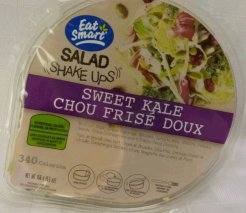
Ottawa, December 4, 2018 – Industry is recalling Eat Smart brand Salad Shake Ups – Sweet Kale from the marketplace due to possible Listeria monocytogenes contamination. Consumers should not consume the recalled product described below.
| Brand Name | Common Name | Size | Code(s) on Product | UPC |
|---|---|---|---|---|
| Eat Smart | Salad Shake Ups – Sweet Kale | 156 g | Best Before DEC 03 2018 DE 03 112 319 |
7 09351 30243 5 |
If you think you became sick from consuming a recalled product, call your doctor.
Check to see if you have recalled products in your home. Recalled products should be thrown out or returned to the store where they were purchased.
Food contaminated with Listeria monocytogenes may not look or smell spoiled but can still make you sick.