Category Archives: Toxin

Research – Recent Research on Fusarium Mycotoxins in Maize—A Review

MDPI

Maize (Zea mays L.) is one of the most susceptible crops to pathogenic fungal infections, and in particular to the Fusarium species. Secondary metabolites of Fusarium spp.—mycotoxins are not only phytotoxic, but also harmful to humans and animals. They can cause acute or chronic diseases with various toxic effects. The European Union member states apply standards and legal regulations on the permissible levels of mycotoxins in food and feed. This review summarises the most recent knowledge on the occurrence of toxic secondary metabolites of Fusarium in maize, taking into account modified forms of mycotoxins, the progress in research related to the health effects of consuming food or feed contaminated with mycotoxins, and also the development of biological methods for limiting and/or eliminating the presence of the same in the food chain and in compound feed. View Full-Text

Spain – Alert for the presence of Staphylococcal Toxin in fresh mozzarella from Spain

ACSA

Mozzarella Bocconcini from Albe

The Spanish Agency for Food Security and Nutrition has communicated through the Coordinated System of Rapid Information Exchange (SCIRI), an alert, transferred by the health authorities of Madrid, regarding the presence of staphylococcal toxin in the   fresh mozzarella product (queso de spun pasta) of the Bocconcini de Albe brand from Spain .

The data of the product involved are:

  • Product number: Fresh Mozzarella
  • Brand number: Bocconcini de Albe
  • Expiry date: 10/29/2022
  • Lot number: 2910
  • Unit weight : 250 g (net weight) and 150 g (drained weight)
  • Temperature: refrigerated

According to the information available, the product has been distributed in the autonomous communities of Catalonia , Andalusia, Asturias, the Balearic Islands, the Canary Islands, Cantabria, Castilla y León, Galicia and the Valencian Community, although other redistributions are not ruled out.

AESAN has transferred this information to the competent authorities of the autonomous communities through the SCIRI and to the Services of the European Commission through the European Food Alert Network (RASFF), with the aim of verifying the withdrawal of the products affected by the marketing channels.

With the available information , there is no evidence in Spain of any notified case associated with this alert.

In the case of having consumed this type of product from the affected lot and presenting any symptoms such as nausea, vomiting, diarrhea, abdominal pain or prostration, it is recommended to go to a health center.

People who have products affected by this alert at home are advised to refrain from consuming them and return them to the point of purchase.

Research – Impregnation of the French population by mycotoxins. National Biomonitoring Program, Esteban 2014-2016

Sante Publique

Mycotoxins are substances secreted by certain toxigenic strains of several species of molds (microscopic fungi) such as Aspergillus, Penicillium, Fusarium, Byssochlamys, Alternaria etc. which in particular contaminate cereals and plants before and or after harvest. 

The toxicity of mycotoxins depends on the species and the nature of the toxin. They are generally thermostable, resistant to transformation processes and can be found in many foodstuffs and be responsible for acute or chronic poisoning in humans or animals. 

Of the 300 to 400 known mycotoxins, about ten of them can cause animal or human pathologies: aflatoxins (AF), ochratoxin A (OTA), fumonisins deoxynivalenol (DON), T-2 and HT-2 toxins, trichotecenes (TC), zearalenone (ZEN) and patulins which contaminate fruits, especially apples. In 1993, the IARC (International Agency for Research on Cancer) classified aflatoxins in group 1, carcinogenic to humans; AFB1, considered one of the most potent natural genotoxic carcinogens, is classified in group 1 (IARC, 2002). 

The target organ is the liver. As for OTA, it is considered possibly carcinogenic for humans and classified in group 2B (1993); in humans as in animals, the kidney is the main target organ. OTA would also have immunotoxic and neurotoxic effects. Due to their harmful effects, exposure to mycotoxins must remain as low as possible to protect the population. L’ WHO encourages the monitoring of mycotoxin levels in food because they represent a risk for human and animal health. 

In France, data on the impregnation of the French population by mycotoxins are almost non-existent, with the exception of a study carried out in three French regions [1, 2]. The Esteban cross-sectional study (Health study on the environment, biomonitoring, physical activity and nutrition) made it possible to measure the levels of impregnation by aflatoxins and OTA of the population in mainland France aged 6 at 74 years old between April 2014 and March 2016.

The purpose of this note is to present the results of impregnation by AFs and OTA, and to analyze the determinants of exposure to OTA in adults . Aflatoxins B1, B2, G1, G2, M1 were not quantified, neither in children nor in adults. For OTA, the percentage of quantification was equal to 45.5% in children and 47.8% in adults. The geometric means of the levels of impregnation by the OTA were lower than the LOQ or not provided considering the important rate of censorship. 

The search for the determinants of exposure by OTA, essentially dietary, in adults showed an increase in impregnation with the consumption of processed meats. Not all associations could likely be identified due to small sample size. A future biomonitoring study could make it possible to deepen the search for determinants of the impregnations observed and to broaden the knowledge of the

Author: Oleko Amivi, Hoang Phan, Fillol Clémence, Gane Jessica, Saoudi Abdessattar, Zeghnoun Abdelkrim
Year of publication: 2022
Pages: 35 p.
Collection: Studies and Surveys

Belgium – Fine brown rice cakes (130g) from the Lima brand – Aflatoxin

AFSCA

Recall of Lima Bio Food BV
Product: Fine brown rice cakes (130g) from the Lima brand.
Problem: too high aflatoxin B1 content.


In agreement with the FASFC, Lima Bio Food BV is withdrawing the “Thin brown rice pancakes” (130g) of the Lima brand from sale and recalling them from consumers because of an excessively high content of aflatoxin B1. Lima Bio Food BV asks its customers not to consume this product and to return it to the point of sale where it was purchased, where it will be reimbursed.

Product description

– Product name: Fine brown rice cakes
– Brand: Lima
– Expiry date (BDD) (“Best before (or end)”): 02/07/2023
– Batch number: R22182B
– Sales period: from 09/14/2022 to 10/18/2022
– Type of packaging: plastic film
– Weight: 130g

The product was distributed through various points of sale, including Bio-Planet stores.

For any additional information , contact:

Mrs. Nathalie Feys, +32 50 72 86 86 or nathalie.feys@hain-celestial.eu .

Luxembourg – WHOLE MEDITERRANEAN SARDINE – UNBRANDED – Histamine

SAP

Auchan is recalling the following product :

Last name Whole Mediterranean sardine
Mark Unbranded
Marketing period from 29/09/2022 to 02/10/2022
Batch 0927355

Danger  : Non-compliant histamine level

Sale in Luxembourg by: Auchan

Source of information: Auchan recall notification

Communicated by: Luxembourg Veterinary and Food Administration .

France – Marinated Anchovy Fillets- Histamine

Gov france

Identification information of the recalled product

  • Product category Feed
  • Product subcategory Fishery and aquaculture products
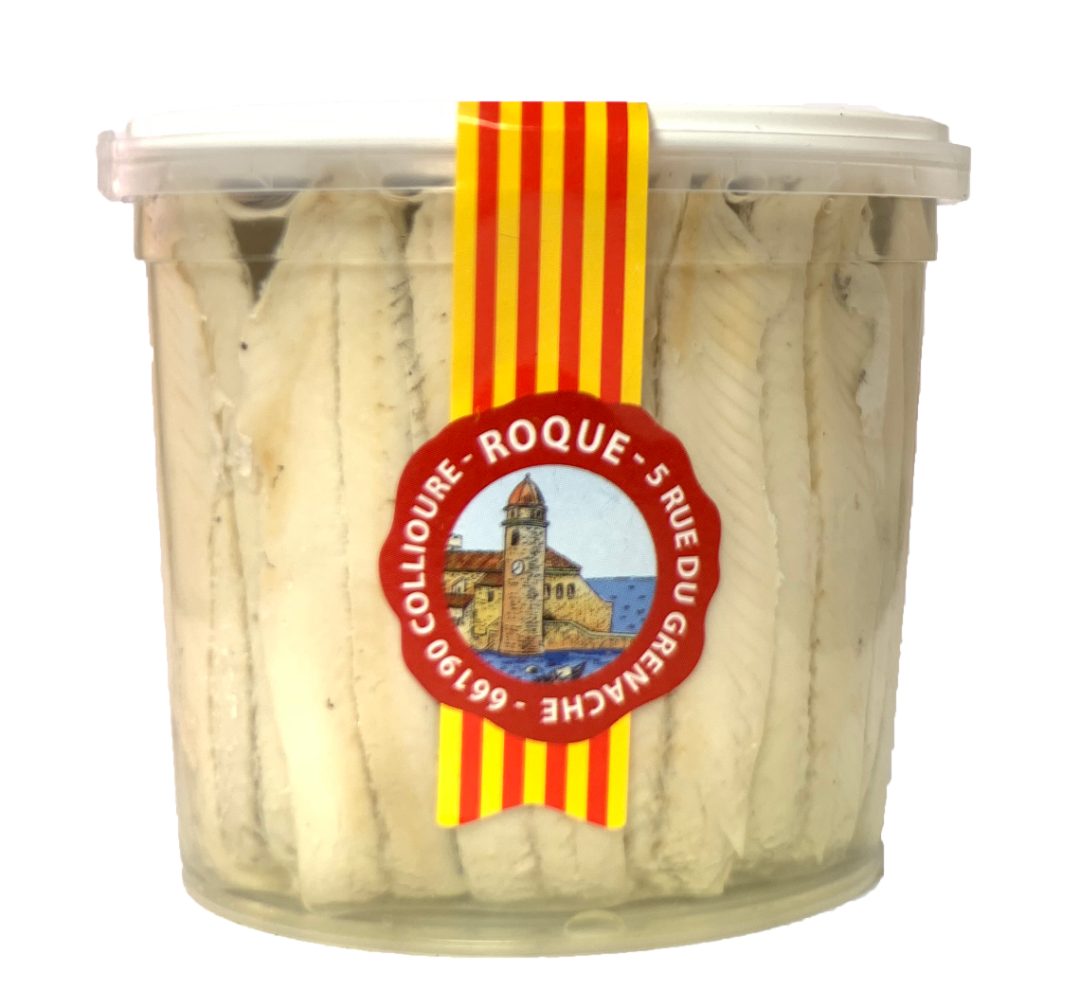
  • Product brand name Roque anchovies
  • Model names or references Marinated anchovy fillets (ROQUERONES) 150g glass, 350g plastic box, 480g plastic box, 1000g plastic box (plain, parsley, spicy Catalan, Catalan)
  • Identification of products
    GTIN Batch Date
    3296944451023 Glass jar 150grs Lot 569K or 598K Use-by date 01/25/2023
    3296942222311 Plastic pot 350grs Lot 577K Use-by date 01/25/2023
    3296944451009 Plastic box 480grs Lot 577K or 588K Use-by date 01/25/2023
    3296945100104 Plastic box 1000grs Lot 570K or 577K or 588K Use-by date 01/25/2023
    3296945100142 Catalan quills Plastic box 1000grs Lot 570K Use-by date 01/25/2023
    3296945100111 A la Catalane Plastic box 1000grs Lot 570K Use-by date 01/25/2023
    3296945100128 With parsley Plastic box 1000grs Lot 570K Use-by date 01/25/2023
  • Marketing start/end date From 08/25/2022 to 10/10/2022
  • Storage temperature Product to be stored in the refrigerator
  • Health markFR-66-053-021-CE
  • Geographic area of ​​sale Regions: Occitania
  • Distributors Shops Anchois Roque (66 Collioure) and Roussillon and Co (66 Banyuls sur mer), Auchan Hyper, Carrefour Hyper, Super U Roujan (34)

Practical information regarding the recall

  • Reason for recall Suspicion or higher than normal histamine level
  • Risks incurred by the consumer Endogenous toxins: histamine (fish, cheese, alcoholic beverages, meats)

Research – Straw Can Pose Mycotoxin Risk in Dairy Heifer Diets

Dairy Herd

Straw is a common, high-fiber, low-energy ingredient in U.S. dairy heifer rations. While we normally monitor grain quality to watch for harmful mycotoxins, it turns out straw can carry its own mycotoxin risk, according to a recent feed quality evaluation by Alltech, Inc.

Each year, Alltech conducts comprehensive mycotoxin testing programs in the U.S., Canada, and Europe to assess the mycotoxin risk in newly harvested grain crops. For the first time this year, wheat and barley straw were added to the sampling in Europe.

Danish farmers were worried about the damaging effects of wet weather both pre- and post-harvest. Because excessive moisture delayed straw harvest, the crops lay in the field for extended periods, damaging quality and fueling mold contamination.

A total of 70 straw samples from Denmark were evaluated. Deoxynivalenol (DON) was identified in 84% of samples, and emerging mycotoxins were found in 70% of samples. All told, 95% of samples contained some form of mycotoxin, with 50% containing two or more.

According a bulletin on mycotoxins in forage shared by the University of Wisconsin, DON may be a marker for other mycotoxins in contaminated feeds. When young dairy animals consume mycotoxins, they can be at risk for feed refusals, diarrhea, and immunosuppression. Additionally, mycotoxin-induced outcomes may be vague, and include unthriftiness, rough haircoat, poor body condition, and reproductive problems.

Alltech technical advisor and veterinarian, Dr. Radka Boutova, DVM, suggested adding straw to the list of feedstuffs that are screened for mycotoxins if it is a commonly used ingredient in a young stock ration. This is particularly important if the straw crop was stressed and/or delayed in the field due to unfavorable weather conditions, or for any straw that shows visible signs of mold.

France -SWORDFISH sold in the tide and self-service department of the Carrefour Noisy le Grand store between September 9 and 16, 2022 – Histamine

Gov france

Identification information of the recalled product

  • Product category Feed
  • Product subcategory Fishery and aquaculture products
  • Product brand name without brand (tide stand) and crossroads (self-service section).
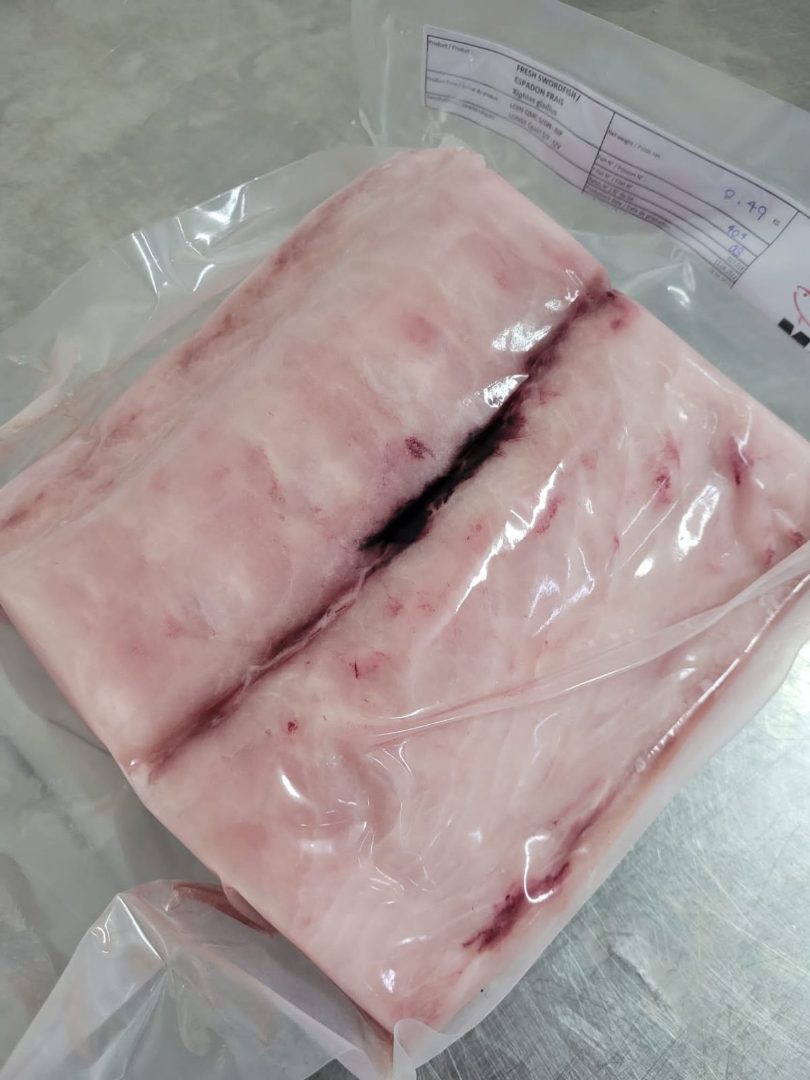
  • Model names or references SWORDFISH sold in the tide and self-service department of the Carrefour Noisy le Grand store between September 9 and 16, 2022.
  • Identification of products
    GTIN Batch
    1111111111111111 sold in the seafood and self-service section of the Carrefour Noisy le Grand store between September 9 and 16, 2022.
  • Packaging retail sale fish and vacuum section self-service section
  • Marketing start/end date From 09/09/2022 to 16/09/2022
  • Storage temperature Product to be stored in the refrigerator
  • Health mark021/89/C
  • Further information Atlantic sailboat – Istiophorus albicans sold in the tide and self-service department of the Noisy le grand crossroads store between September 9 and 16, 2022.
  • Geographic area of ​​sale Noisy le Grand crossroads
  • Distributors Crossroads Noisy le Grand

Practical information regarding the recall

  • Reason for recall Suspicion of the presence of histamine.
  • Risks incurred by the consume Other biological contaminants
    Endogenous toxins: histamine (fish, cheese, alcoholic beverages, meats)

Norway -Crab shells in Agder: DSP below limit value

Matportalen

On 22 September, the Norwegian Food Safety Authority received a response to new samples of crabs in Agder. The random samples show that diarrhea toxin (DSP) in the crabs is now below the limit value, but there is no guarantee that all crabs in the area are below the danger limit. The Norwegian Food Safety Authority recommends following the mussel warning, as the crab likes to eat mussels.

Earlier in September, the Norwegian Food Safety Authority found high concentrations of the algae poison DSP (Diarrhetic Shellfish Poisoning) in crab from Agder, and thus warned people to eat the contents of crab shells.

DSP is one of the most common types of mussel poisoning in Norway. Once the crab has eaten mussels with DSP, the crab becomes poisonous to people who eat it. DSP causes diarrhoea, nausea, vomiting and abdominal pain. It takes from half an hour to a few hours from the time you eat until you get sick. The symptoms disappear by themselves after 2-3 days.

Since the beginning of July this year, high levels of the algal toxin DSP have been detected in mussels along the Sørland coast and in Agder.

France – Individual Tropézienne sold in pastry kiosk (traditional showcase)- E.coli – Staphylococcus aureus

Gov france

Identification information of the recalled product

  • Product category Feed
  • Product subcategory Others
  • Product brand name/
  • Model names or references Individual Tropézienne sold in newsstands (traditional showcase) Products sold from 29/08 TO 30/08
  • Identification of products
    Batch
    see attached product list
  • Products Listposter_Auchan_Englos_20220919.pdfAttachment
  • Packaging Sold in pastry stand
  • Marketing start/end date From 08/29/2022 to 08/30/2022
  • Storage temperature Product to be stored in the refrigerator
  • Health mark/
  • Further information/
  • Geographic area of ​​sale Auchan English
  • Distributors Auchan English

Practical information regarding the recall

  • Reason for recall presence of coagulase-positive staphylococci and Escherichia coli
  • Risks incurred by the consumer Escherichia coli
    Staphylococcus aureus (causative agent of staphylococcal poisoning)