Category Archives: Toxin

Finland – Ochratoxin in figs and suspected salmonella in goji berries

Epressi

Foodin Oy has announced that it has issued a recall for a total of four different products:

Product Best before Batch ID On sale from
Goji berry organic 150 g 4/2025 L051023 9/10/2023
Goji berry organic 450 g 5/2025 L301123 4/12/2023
Trailmix high five 70 g 3/2025 L181223 19/12/2023
Mini fig organic 150 g 11/2024 L201023 1/11/2023

The recall of products containing goji berries is done because a German operator selling the same lot of goji has detected salmonella in its self-monitoring samples. That is why the goji berries of the same batch are recalled in Finland and also in other parts of Europe.

Elevated concentrations of ochratoxin have been measured in the recalled batch of mini figs. Ochratoxin is a mold toxin that can form in moist conditions, for example in dried fruits and grains.

The products have been sold at individual retailers and in K and S group stores. The recall applies only to the mentioned product lots.

More information: Foodin Oy, CEO Lasse Jalkanen, +358 44 530 0036, lasse@foodin.fi and  in the announcement on the company’s website.

The matter is handled at the Food Agency by special expert Mika Varjonen, tel. 050-38 68 416, firstname.surname@ruokavirasto.fi .

Photos of the products:
(Photos: Foodin Oy)

Food's figs and goji berries.

USA – FDA – Enforcement Report – Potential C. botulinum growth and toxin formation

FDA

Event ID: 93557

Voluntary / Mandated:

Voluntary: Firm initiated

Product Type: Food

Status: Ongoing

Distribution Pattern:

U.S. Distribution to Supermarkets in CA, HI, WA, IL, NV, and TX. No foreign distribution.

Recalling Firm:Foremost Foods International, Inc.
2883 Surveyor St
Pomona, CA 91768-3251
United States

Press Release URL(s):

Recall Initiation Date:

12/1/2023

Center Classification Date:

1/4/2024

1
Pamana Premium Marinated Baby Bangus (Deboned Marinated Baby Milkfish), Net Weight to be Weight at Time of Sale

F-0691-2024

Class II
All product codes

432 boxes

Potential C. botulinum growth and toxin formation. Frozen bangus (milkfish) in reduced oxygen packaging does not contain instructions to keep frozen and instructions for proper thawing (e.g., “Important, keep frozen until used, thaw under refrigeration immediately before use.”).

2
Pamana Premium Marinated Bangus (Deboned Marinated Milkfish), Net Weight to be Weight at Time of Sale

F-0692-2024

Class II
All product codes

407 boxes

Potential C. botulinum growth and toxin formation. Frozen bangus (milkfish) in reduced oxygen packaging does not contain instructions to keep frozen and instructions for proper thawing (e.g., “Important, keep frozen until used, thaw under refrigeration immediately before use.”).

3
Pamana Premium Bangus Belly (Cut Deboned Milkfish Belly), 340 g (120 oz)

F-0693-2024

Class II
All product codes

448 boxes

Potential C. botulinum growth and toxin formation. Frozen bangus (milkfish) in reduced oxygen packaging does not contain instructions to keep frozen and instructions for proper thawing (e.g., “Important, keep frozen until used, thaw under refrigeration immediately before use.”).

Research – Novel Methods for the Mitigation of Human Pathogens and Mycotoxin Contamination of High Value California Specialty Crops

ARS USDA

Successful execution of these Objectives will contribute to field by: improving our knowledge of how microbial populations can affect and impact food safety and public health and delineating how pathogens are transmitted and disseminated in and among plant crops allowing for future development of improved/alternate interventions and control strategies

(Objectives 1-4); developing novel intervention strategies using sustainable, natural fungicide alternatives that eliminate aflatoxigenic fungi; enhancing our knowledge regarding the prevalence of azole-resistant aspergilli with enhanced aflatoxin production

(Objective 5); and developing novel methods to control invasive insect pests and reducing the need for the use of radioisotopes for irradiation

(Objective 6). These Objectives, if successful, will allow growers to produce a safer food supply and reduce the use of toxic chemicals (pesticides) and enhance environmental quality.

Objective 1: Identify and characterize agricultural soils that suppress the persistence of the human pathogenic bacteria Salmonella enterica, Listeria monocytogenes and Escherichia coli O157:H7.

Objective 2: Examine the microbiomes, potential for human pathogen colonization, and effectiveness of biological control agents on lettuces grown in indoor vertical hydroponic systems.

Objective 3: Examine the effects of bacterial biocontrol candidate strains on population dynamics of black Aspergillus spp. on grapes and raisins.

Objective 4: Identification and utilization of antifungal metabolites from microbial sources as interventions. •

Sub-objective 4A: Identification of antifungal metabolites from candidate biocontrol bacteria collected from raisin grape vineyards. •

Sub-objective 4B: Isolation and characterization of bacteria with antifungal activities from pistachio orchards.

Objective 5: Development of resistance management augmenting fungal and mycotoxin elimination. •

Sub-objective 5A: Determine the prevalence of azole-resistant aspergilli (A. flavus, A. parasiticus) that produce increased levels of mycotoxins in California tree nut orchards. •

Sub-objective 5B: Develop new intervention strategies for the control of azole-resistant Aspergillus species utilizing natural products/derivatives as fungicide alternatives.

Objective 6: Investigate novel methods to address mycotoxin contamination of tree nuts through control of fungal and insect vectors. •

Sub-objective 6A: Evaluate X-ray based irradiation as an alternative to gamma irradiation for SIT. •

Sub-objective 6B: Investigate high pressure steam as a tool for orchard sanitation through destruction of overwintering NOW larvae in pistachio mummies.

Objective 7: The use of previously approved natural products as an accelerated chemical interventions strategy to inhibit food-associated mycotoxins, fungal pathogens, and their insect pest transmitters. •

Sub-objective 7A: Identify previously approved natural products that inhibit mycotoxins and fungal pathogens frequently found in food contaminations. •

Sub-objective 7B: Identify previously approved natural products that immunosuppress insect pests and increase their sensitivity to microbes.

Research – Identify toxin-producing bacteria more quickly

ANSES

Improving the identification of toxin-producing bacteria is a real challenge for understanding food poisoning episodes. As part of the Joint European “One Health” Program coordinated by ANSES, the agency coordinated a European collaborative project on the toxin-producing bacteria which cause the most collective foodborne illnesses (TIAC).

Staphylococcus aureus, Bacillus cereus and Clostridium perfringens were at the heart of the European TOX-Detect project. This trio was not chosen at random: they are the toxin-producing bacteria most frequently involved in collective foodborne illness (TIAC) . According to the European Union Zoonoses Report One Health 2021 published by the European Food Safety Authority (EFSA), bacterial toxins are the second leading cause of TIAC after bacteria themselves (17%). The project, coordinated by ANSES, began in 2018 for a duration of 3 years. It was funded by the One Health EJP program and involved the Institut Pasteur, INRAE ​​as well as various partners from several European countries.

 “  Depending on the bacterial strains, the expression of virulence factors is not the same. These virulence factors are, for example, the presence of adhesion proteins or the production of toxins, in food or in the body. They serve the bacteria to counter the defenses that the host could put up against them, explains Yacine Nia, co-coordinator of the project and deputy head of unit of the Staphylococcus, Bacillus, Clostridium (SBCL) unit, of the food safety laboratory. of Anses. The ability of the bacteria to harm the body will be higher or lower depending on these virulence factors.  »

Most poisonings caused by the toxins of the three bacteria studied cause gastrointestinal symptoms (nausea, vomiting, abdominal pain, diarrhea). Deaths may occur, especially in the most sensitive subjects.

New Zealand – Public health warning: shellfish biotoxin alert for Waiheke Island

MPI

New Zealand Food Safety is advising the public not to collect or consume shellfish gathered from some southern beaches on Waiheke Island due to the possible presence of biotoxins.

“An algae-like organism called Okeania spp has been detected on beaches at Surfdale and Blackpool on the southern side of Waiheke Island,” says New Zealand Food Safety deputy director-general Vincent Arbuckle

Okeania spp is a cyanobacteria that forms dark-coloured mats of slimy material when it washes up on the beach. As these cynobacterial mats decompose, they turn into a stinky sludge. It can also produce a toxin called Lyngbyatoxin-A, which can cause skin and eye irritation and respiratory issues.

“Samples of the mats were collected by Auckland Council for testing, which has confirmed the presence of Okeania spp and Lyngbyatoxin-A.

“Because of the potential health risks, New Zealand Food Safety is advising the public not to consume shellfish from Surfdale and Blackpool beaches, as well as to avoid coming into contact with the cyanobacterial mats.

“Affected shellfish include bivalve shellfish such as mussels, oysters, tuatua, pipi, toheroa, cockles, and scallops, as well as pūpū (cat’s eyes), Cook’s turban and kina (sea urchin).

“The risks of this toxin contaminating shellfish is unknown, so this warning is precautionary until we can find out more. It’s important to note that cooking shellfish will not destroy biotoxins.

“At this stage, finfish are not included in this public health warning, but we advise people to gut the fish and discard the liver before cooking.”

New Zealand Food Safety has had no notifications of associated illness.

If anyone becomes ill after eating shellfish from an area where a public health warning has been issued, phone Healthline for advice on 0800 61 11 16, or seek medical attention. You are also advised to contact your nearest public health unit and keep any leftover shellfish for testing.

“New Zealand Food Safety is keeping an eye on the situation and will notify the public of any changes,” says Mr Arbuckle.

Commercially harvested shellfish – sold in shops and supermarkets or exported – is subject to strict water and flesh monitoring programmes by New Zealand Food Safety to ensure they are safe to eat.

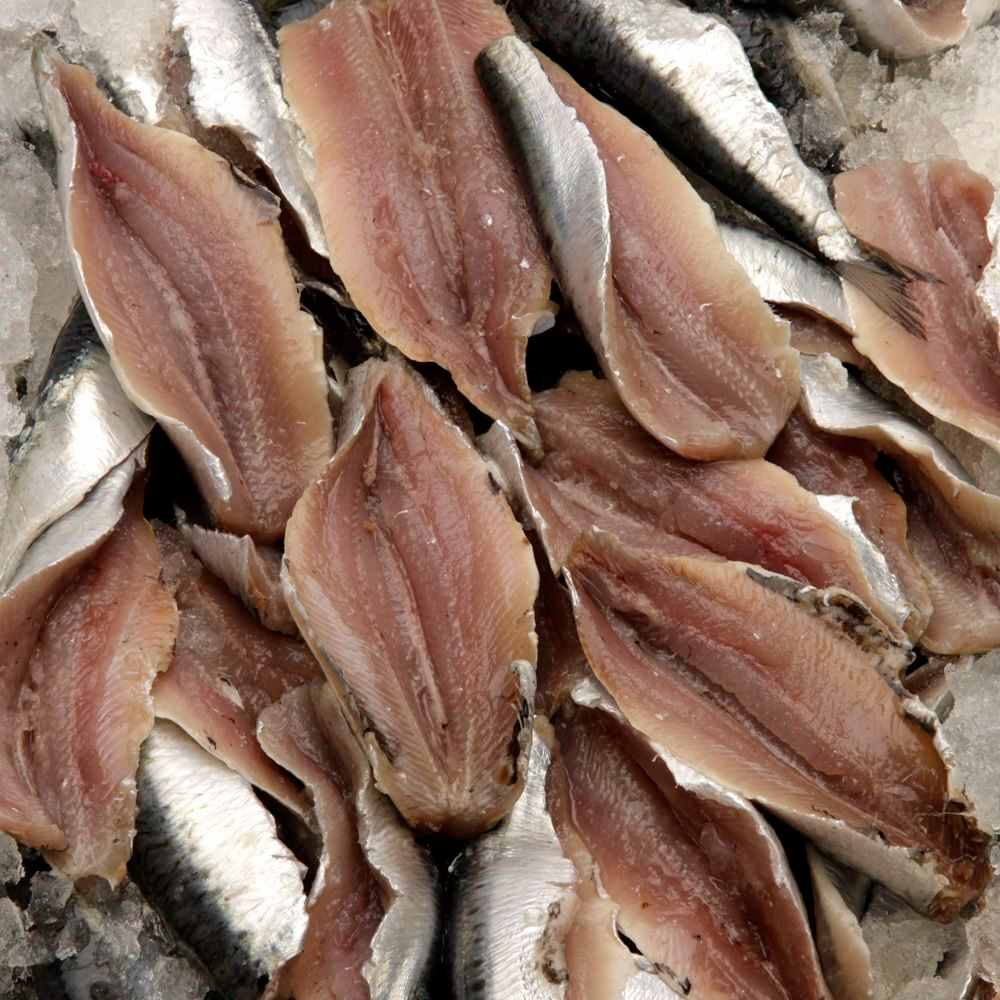
France – sardine fillet – Histamine

Gov France

Product category
Food
Product subcategory
Fishing and aquaculture products
Product brand name
without
Model names or references
sardine fillet
Product identification
Batch
23321
Packaging
bulk sale
Start/end date of marketing
From 11/24/2023 to 11/29/2023
Storage temperature
Product to keep in the refrigerator
Geographical sales area
Whole France
Distributors
super u wanted

RASFF Alerts – Aflatoxin – Peanuts – Dried Organic Figs – Hazelnuts

RASFF

Aflatoxin B1 in U.S.A. peanuts in the Netherlands

RASFF

Aflatoxins in dried organic figs from Turkey in Germany

RASFF

Aflatoxin B1 in Clean and Sized Peanuts from United States in the Netherlands

RASFF

Total aflatoxins above limits (21.0+/-9.2) in dried figs from Turkey in Italy

RASFF

Aflatoxins in U.S.A. peanuts in the Netherlands

RASFF

Aflatoxins in dried figs from Turkey in Germany

RASFF

Aflatoxin in hazelnuts from Georgia in Germany and Bulgaria

Ghana – Over 40% of grains contain unacceptable levels of Aflatoxin contamination

Ghana Web

See  the link above for the full story

RASFF Alert – Staphylococcal Enterotoxin in Raw milk Cheese

RASFF

Staphylococcal enterotoxin in raw milk cheese from Switzerland in Germany

RASFF Alert- Lipophilic Toxin – Mussels

RASFF

Presence of lipophilic toxin detected in mussels from France in Switzerland