Category Archives: STEC

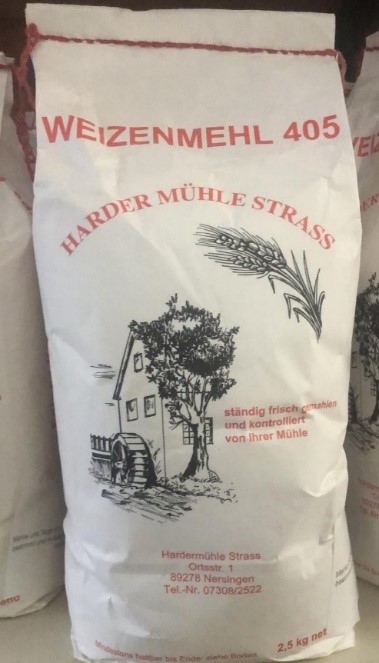
Germany – Wheat flour Hardermühle Strass Type 405 – STEC E.coli

LMW

Alert type: Food
Date of first publication: 08/03/2022
Product name:

Wheat flour Hardermühle Strass Type 405

Product images:
product image.jpg


Manufacturer (distributor):

Mill shop Birgitt Harder

Reason for warning:

Shiga toxin-producing Escherichia coli (STEC)

Packaging Unit:

See attached consumer information

Durability:

See attached consumer information

Production date:

See attached consumer information

Lot identification:

See attached consumer information

Further information:

Reference is made to the company’s attached consumer information.

Contact to the competent authorities:

Bavaria:

poststelle@lgl.bayern.de

Press Releases and Information
title attachment or web link
consumer information

French E. coli outbreak linked to cucumbers from Belgium

Food Safety News

More than 30 people were sick in France in late 2021 as part of an outbreak traced to contaminated cucumbers.

In September 2021, the Hauts-de-France Regional Health Agency was notified of a suspected foodborne outbreak among students in the Lille area. Two hospitalized children were diagnosed with hemolytic uremic syndrome (HUS). HUS is a severe complication associated with E. coli infection that causes kidney failure. The agency asked Santé publique France for support in investigating the incident.

In total, 35 cases of gastroenteritis, half of whom had bloody diarrhea and fever, were identified. Ten people were hospitalized.

Identified cases were 29 children in four schools and five elderly adults who received meals through a local delivery program. One case was the parent of a pupil. Five children and one adult had meals delivered to them at home.

The median age of patients was 8 with a range of 4 to 89 years old and almost two thirds were female.

School cafeterias and the meal delivery service were all supplied by the same municipal canteen.

Research – English E. coli outbreak caused by milk pasteurisation problem in 2019

Cambridge Org

In November 2019, an outbreak of Shiga toxin-producing Escherichia coli O157:H7 was detected in South Yorkshire, England. Initial investigations established consumption of milk from a local dairy as a common exposure. A sample of pasteurised milk tested the next day failed the phosphatase test, indicating contamination of the pasteurised milk by unpasteurised (raw) milk. The dairy owner agreed to immediately cease production and initiate a recall. Inspection of the pasteuriser revealed a damaged seal on the flow divert valve.

Ultimately, there were 21 confirmed cases linked to the outbreak, of which 11 (52%) were female, and 12/21 (57%) were either <15 or >65 years of age. Twelve (57%) patients were treated in hospital, and three cases developed haemolytic uraemic syndrome. Although the outbreak strain was not detected in the milk samples, it was detected in faecal samples from the cattle on the farm. Outbreaks of gastrointestinal disease caused by milk pasteurisation failures are rare in the UK. However, such outbreaks are a major public health concern as, unlike unpasteurised milk, pasteurised milk is marketed as ‘safe to drink’ and sold to a larger, and more dispersed, population. The rapid, co-ordinated multi-agency investigation initiated in response to this outbreak undoubtedly prevented further cases.

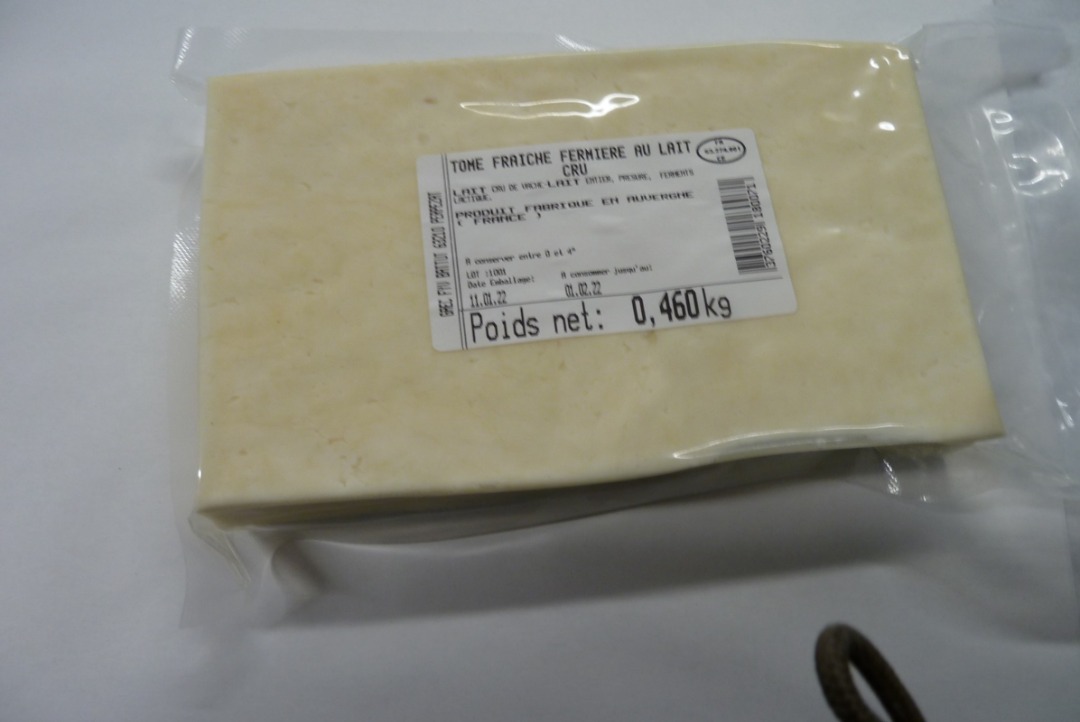
France – Farm-fresh tomme – STEC E.coli

Gov france

Identification information of the recalled product

  • Product category Feed
  • Product subcategory Milk and dairy products
  • Product brand name unbranded
  • Model names or references Farm-fresh tomme
  • Identification of products
    GTIN Batch Date
    3760229180071 1607 Use-by date 08/09/2022
  • Marketing start/end date From 07/22/2022 to 07/27/2022
  • Storage temperature Product to be stored in the refrigerator
  • Health mark FR 63 274 001
  • Geographic area of ​​sale Whole France
  • Distributors Market side

Practical information regarding the recall

  • Reason for recall Possible presence of Escherichia coli
  • Risks incurred by the consumer Toxigenic Shiga Escherichia coli (STEC)

RASFF Alerts – STEC E.coli – Minced Meat – Chilled Meat

RASFF

STEC (stx+;eae+) in minced meat from Belgium in Germany, Netherlands and UK

RASFF

COLI STEC IN CARNE REFRIGERATA DALL’ARGENTINA in Italy

Canada – Canada sets regulations for some romaine grown in certain parts of California

Food Safety News

The Canadian Food Inspection Agency (CFIA) has announced the fall 2022 import requirements for U.S. romaine lettuce with special requirements for certain lettuce produced in California’s Salinas Valley.

Whole-head romaine lettuce and products containing romaine lettuce such as bagged salads that were produced in the four Salinas Valley counties of Santa Cruz, Santa Clara, San Benito, and Monterey must “submit an attestation form and Certificates of Analysis for each shipment to demonstrate that the romaine lettuce does not contain detectable levels of E. coli O157:H7,” according to the Canadian Food Inspection Agency (CFIA).

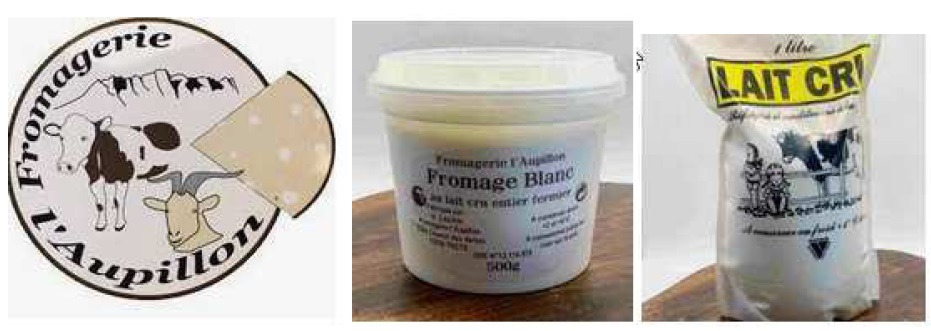
France – Food produced or distributed by the farm: milk, yoghurts, fresh or mature cheeses (brousse, ricotta, pecorino, tomme…). – STEC E.coli

Gov france

Identification information of the recalled product

  • Product category Feed
  • Product subcategory Milk and dairy products
  • Product brand name Unbranded
  • Model names or references Various products
  • Identification of products
    Batch
    see attached product list
  • Products List Product_list.pdf Attachment
  • Marketing start/end date Until 07/22/2022
  • Storage temperature Product to be stored in the refrigerator
  • Further information Over the period at risk, the products sold by the Aupillon farm were mainly distributed in the Var and Bouches-du-Rhône, in retail stores and restaurants. The points of sale affected by the distribution of suspect products proceed to withdraw them and inform consumers by means of small posters put up at the points of sale concerned.
  • Geographic area of ​​sale Departments: BOUCHES-DU-RHONE (13), VAR (83)
  • Distributors Various retailers.

Practical information regarding the recall

  • Reason for recall Contamination of products by E.COLI STEC bacteria and epidemiological link with cases of pediatric HUS in PACA and OCCITANIE.
  • Risks incurred by the consumer Toxigenic Shiga Escherichia coli (STEC)

France – French E. coli outbreak linked to dairy

Food Safety News

At least a dozen children have been sickened in France with officials linking illnesses to a dairy company.

Since early June, 12 cases of haemolytic uremic syndrome (HUS) have been reported in the Provence-Alpes-Côte d’Azur and Occitanie regions. HUS is a severe complication associated with E. coli infection that causes kidney failure and sometimes death.

Seven boys and five girls aged 11 months to 9 years old are sick. They fell ill from June 4 to July 18.

In France, Shiga toxin-producing E. coli (STEC) surveillance is only based on HUS in children younger than 15, so it only catches the most severe cases.

Santé publique France, the Directorate General for Food (DGAL) and Directorate General for Health (DGS) are part of the investigation.

Research – Public Health Risk of Foodborne Pathogens in Edible African Land Snails, Cameroon

CDC

In tropical countries, land snails are an important food source; however, foodborne disease risks are poorly quantified. We detected Campylobacter spp., Yersinia spp., Listeria spp., Salmonella spp., or Shiga-toxigenic Escherichia coli in 57%–86% of snails in Cameroon. Snail meat is a likely vector for enteric diseases in sub-Saharan Africa countries.

RASFF Alert -STEC E.coli – Meat

RASFF

Escherichia coli-shigatoxin-producing in meat from Belgium in France, Netherlands and Portugal