Category Archives: STEC

RASFF Alert – STEC E.coli – Raw Milk Goat Cheese

RASFF

Presence of E. coli VTEC in robiola goat cheese from raw milk from Italy in Switzerland

Research -Fermenting a place in history: The first outbreak of Escherichia coli O157 associated with kimchi in Canada

Cambridge Org

Abstract

A Canadian outbreak investigation was initiated in January 2022 after a cluster of cases of Shiga-toxin-producing Escherichia coli (STEC) O157 was identified through whole genome sequencing (WGS). Exposure information was collected through case interviews. Traceback investigations were conducted, and samples from case homes, retail, and the manufacturer were tested for STEC O157. Fourteen cases were identified in two provinces in Western Canada, with isolates related by 0–5 whole genome multi-locus sequence typing allele differences. Symptom onset dates ranged from 11 December 2021 to 7 January 2022. The median age of cases was 29.5 (range 0–61); 64% were female. No hospitalisations or deaths were reported. Of 11 cases with information available on fermented vegetable exposures, 91% (10/11) reported consuming Kimchi Brand A during their exposure period. The traceback investigation identified Manufacturer A in Western Canada as the producer. One open and one closed sample of Kimchi Brand A tested positive for STEC O157, with isolates considered genetically related by WGS to the outbreak strain. Napa cabbage within the kimchi product was hypothesised as the most likely source of contamination. This paper summarises the investigation into this STEC O157 outbreak associated with kimchi, the first reported outside of East Asia.

Italy – ROBIOLA DI EROS PURE GOAT LATE CRUDO – STEC E.coli

Salute

Brand : LA CASERA SRL

Name : ROBIOLA DI EROS PURE GOAT LATE CRUDO

Reason for reporting : Recall due to microbiological risk

Date of publication : 19 July 2023

Documentation

Documentation

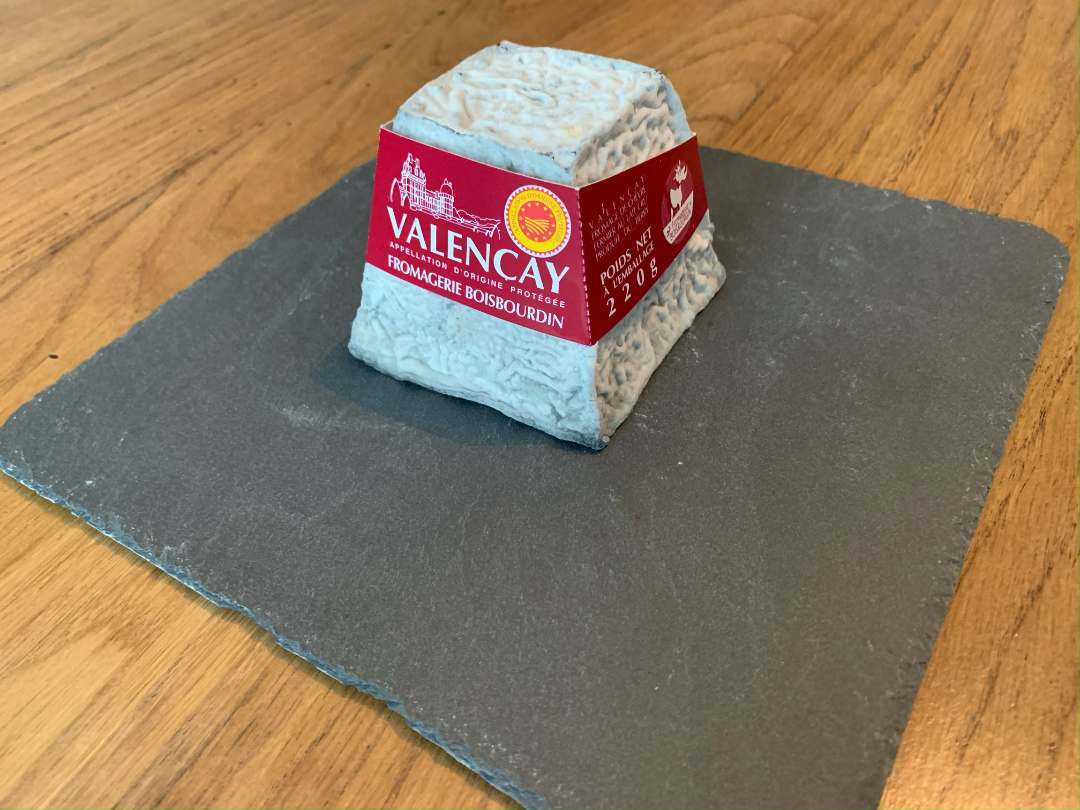
France – Goat cheese – STEC E.coli

Gov france

Identification information of the recalled product

  • Product category Feed
  • Product subcategory Milk and dairy products
  • Product brand name unbranded
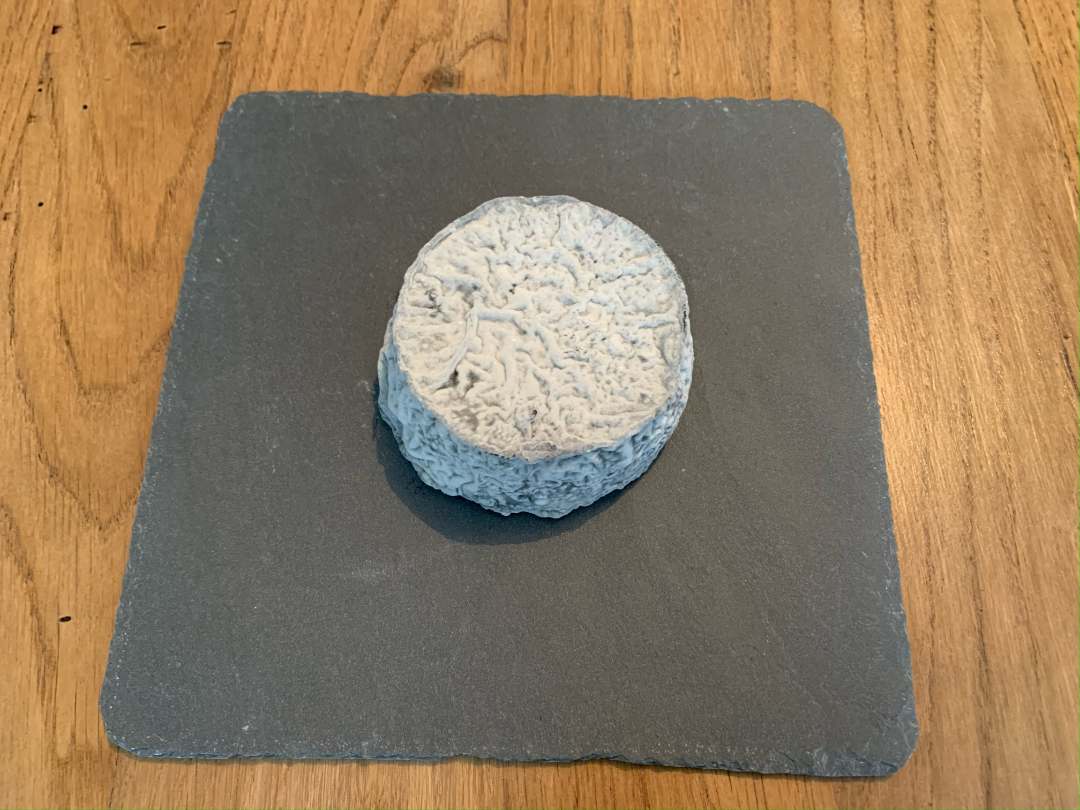
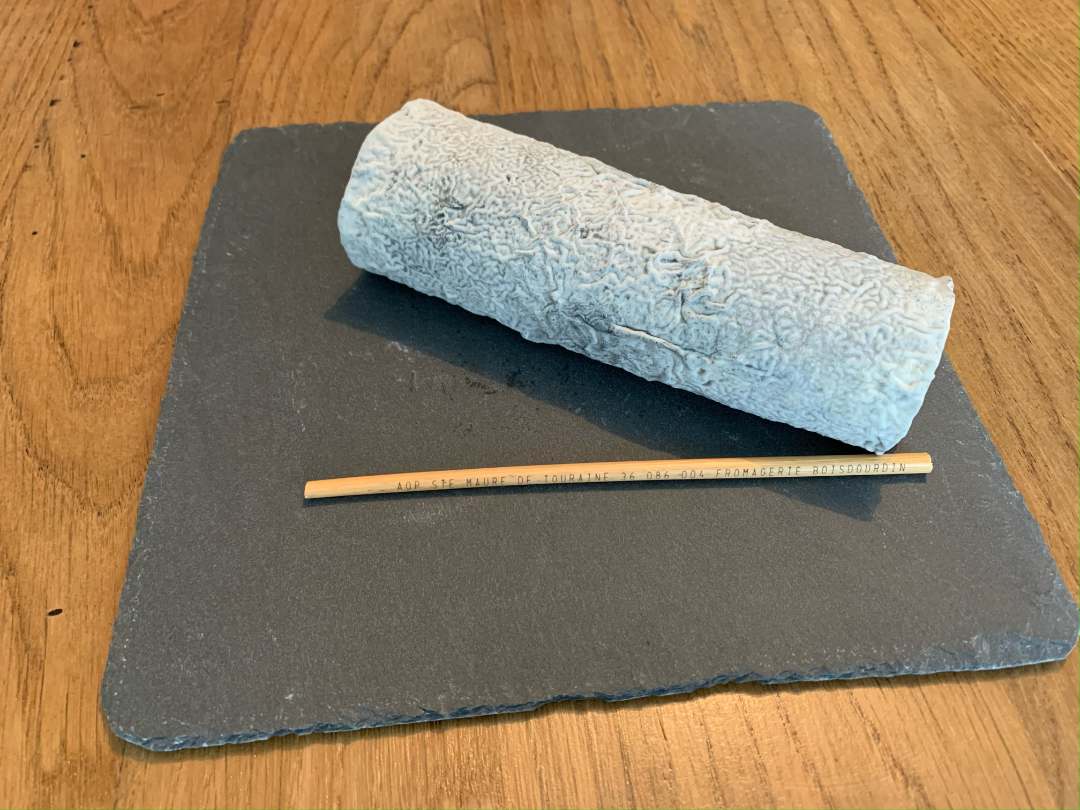
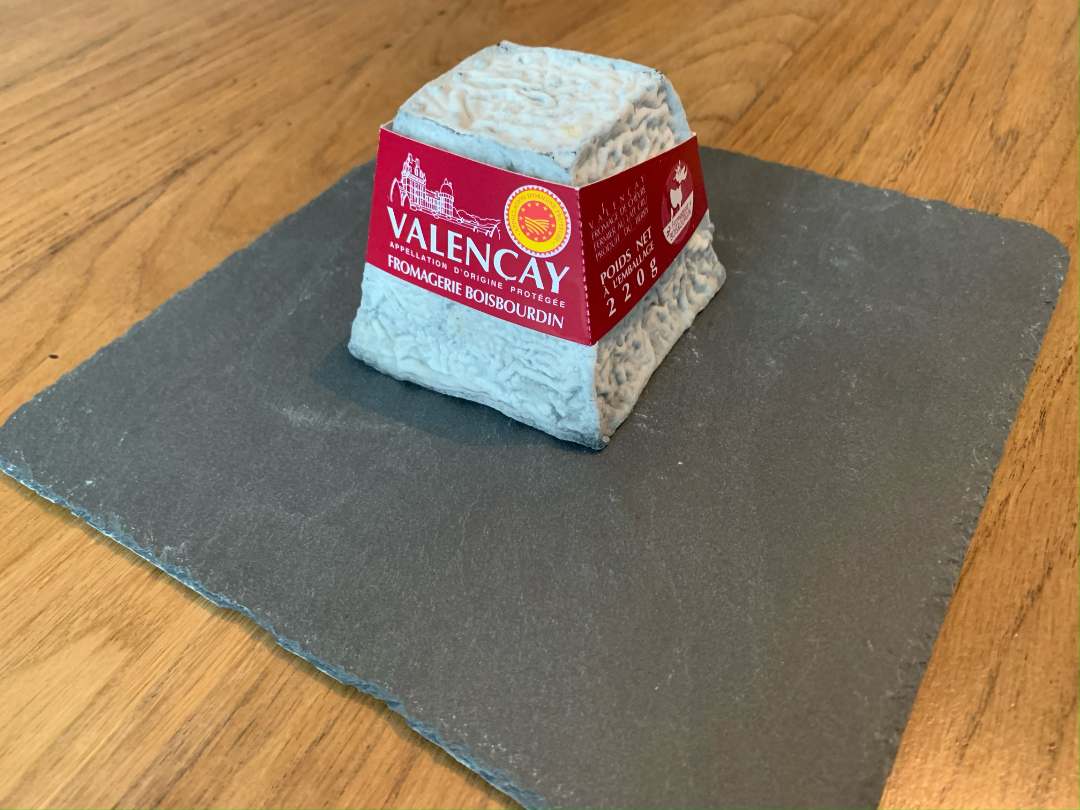
  • Model names or references Round Valencay Ste Maure de Touraine
  • Identification of products
    Batch Date
    173 Best before date 08/22/2023
    174 Best before date 08/23/2023
    176 Best before date 08/25/2023
  • Marketing start/end date From 06/24/2023 to 07/03/2023
  • Storage temperature Product to be stored in the refrigerator
  • Geographic area of ​​sale Heugnes
  • Distributors Earl Fromagerie Boisbourdin

Research – Bacteriophages for the Targeted Control of Foodborne Pathogens

MDPI

Abstract

Foodborne illness is exacerbated by novel and emerging pathotypes, persistent contamination, antimicrobial resistance, an ever-changing environment, and the complexity of food production systems. Sporadic and outbreak events of common foodborne pathogens like Shiga toxigenic Ecoli (STEC), SalmonellaCampylobacter, and Listeria monocytogenes are increasingly identified. Methods of controlling human infections linked with food products are essential to improve food safety and public health and to avoid economic losses associated with contaminated food product recalls and litigations. Bacteriophages (phages) are an attractive additional weapon in the ongoing search for preventative measures to improve food safety and public health. However, like all other antimicrobial interventions that are being employed in food production systems, phages are not a panacea to all food safety challenges. Therefore, while phage-based biocontrol can be promising in combating foodborne pathogens, their antibacterial spectrum is generally narrower than most antibiotics. The emergence of phage-insensitive single-cell variants and the formulation of effective cocktails are some of the challenges faced by phage-based biocontrol methods. This review examines phage-based applications at critical control points in food production systems with an emphasis on when and where they can be successfully applied at production and processing levels. Shortcomings associated with phage-based control measures are outlined together with strategies that can be applied to improve phage utility for current and future applications in food safety.

Germany sounds E. coli and HUS alert after travel to Egypt

Food Safety News

German public health officials have warned of a spike in cases of E. coli among travelers to Egypt.

Experts from the Robert Koch Institut (RKI) said they had also seen a rise in connected cases of hemolytic uremic syndrome (HUS). HUS is a severe complication associated with E. coli infections that causes kidney failure.

Since the beginning of 2023, 31 cases of E. coli and 10 of HUS in people who were likely infected while on holiday in Egypt have been reported.

A large proportion of patients – 12 E. coli cases and six HUS cases – were recorded in May and June. They had stayed in different hotels, mainly in Hurghada, which is also the most frequent travel spot in the country.

Research – Molecular and Genetic Characterization of Colicinogenic Escherichia coli Strains Active against Shiga Toxin-Producing Escherichia coli O157:H7

MDPI

Abstract

The objective of this work was to molecularly and genotypically characterize and test the inhibitory activity of six colicinogenic Escherichia coli strains (ColEc) and their partially purified colicins against STEC O157:H7 isolated from clinical human cases. Inhibition tests demonstrated the activity of these strains and their colicins against STEC O157:H7. By PCR it was possible to detect colicins Ia, E7, and B and microcins M, H47, C7, and J25. By genome sequencing of two selected ColEc strains, it was possible to identify additional colicins such as E1 and Ib. No genes coding for stx1 and stx2 were detected after analyzing the genome sequence. The inhibitory activity of ColEc against STEC O157:H7 used as an indicator showed that colicins are potent growth inhibitors of E. coli O157:H7, being a potential alternative to reduce the presence of pathogens of public health relevance.

Research USA – FoodNet 2022 Preliminary Data

CDC

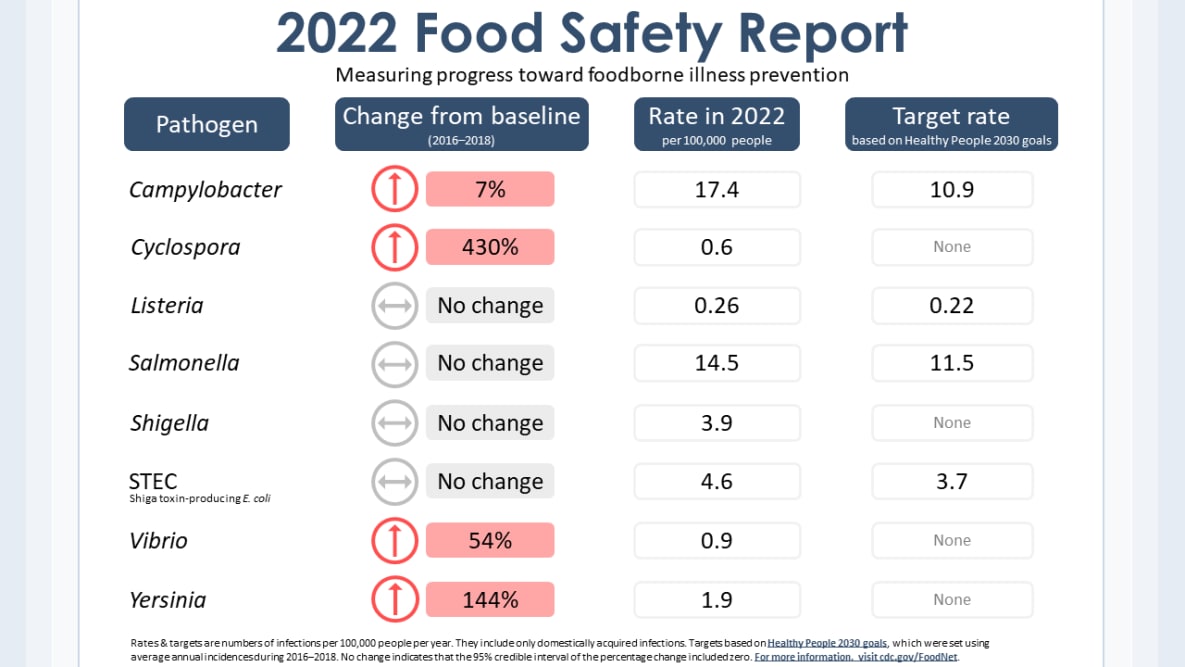
Graphic showing progress in 2022 toward foodborne illness prevention, with changes from the 2016–2018 baseline, rates in 2022, and target rates based on Healthy People 2030 goals. Rates increased for Campylobacter, Cyclospora, Vibrio, and Yersinia and did not change for Listeria, Salmonella, Shigella, and Shiga toxin-producing E. coli. Rates for Campylobacter, Listeria, Salmonella, and Shiga toxin-producing E. coli are all higher than their established target rates.

This year’s report summarizes 2022 preliminary surveillance data. It describes 2022 incidence compared with the average incidence for 2016–2018, the reference period used for the U.S. Department of Health and Human Services (HHS) Healthy People 2030 goals. The report also summarizes cases of hemolytic uremic syndrome (HUS) during 2021.

  • In 2022, enteric (intestinal) infections monitored by FoodNet generally returned to or exceeded levels observed in 2016–2018 (before the COVID-19 pandemic).
    • Incidence of CampylobacterListeriaSalmonella, and Shigella infections did not change in 2022 compared with 2016–2018.
    • Incidence of Cyclospora, STEC, Vibrio, and Yersinia infections increased in 2022 compared with 2016–2018.
  • Campylobacter and Salmonella remain the top causes of enteric infections monitored by FoodNet.
  • Increased use of CIDTs contributed to the increased detection of infections.
  • FoodNet data show lack of progress during 2022 toward Healthy People 2030 goals for reducing foodborne illness. Concerted efforts are needed to implement effective prevention strategies to reduce disease burden.

France – Goat cheese – STEC E.coli

Gov france

Identification information of the recalled product

  • Product category Feed
  • Product subcategory Milk and dairy products
  • Product brand name unbranded
  • Model names or references Round Valencay
  • Identification of products
    Batch Date
    175 Best before date 08/24/2023
  • Marketing start/end date From 06/26/2023 to 07/03/2023
  • Storage temperature Product to be stored in the refrigerator
  • Geographic area of ​​sale Heugnes
  • Distributors Earl Fromagerie Boisbourdin

RASFF Alert- STEC E.coli – Feta Cheese

RASFF

Shigatoxin-producing E. coli (STEC) in feta from Greece in Austria and Germany