Category Archives: Salmonella

Research – Salmonella spp. Response to Lytic Bacteriophage and Lactic Acid on Marinated and Tenderized Raw Pork Loins

MDPI

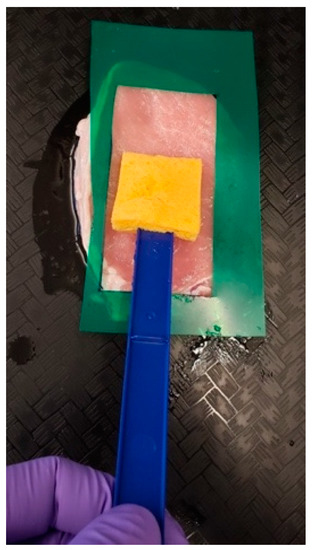
Bacterial food poisoning cases due to Salmonella have been linked with a variety of pork products. This study evaluated the effects of a Salmonella-specific lytic bacteriophage and lactic acid (LA) on Salmonella Enteritidis, Salmonella Montevideo, and Salmonella Heidelberg growth on raw pork loins. Pork loins were cut into approximately 4 cm thick slices. Pork slices were randomly assigned to five treatment groups (control, DI water, LA 2.5%, phage 5%, and LA 2.5% + phage 5%) with six slices per group per replication. Pork loins were inoculated with 106 CFU/mL of Salmonella spp. and stored at 4 °C for 30 min. After 1 h of treatment application and marination, phage 5% significantly (p < 0.05) reduced the surface bacterial population by 2.30 logs when compared with the control group. Moreover, the combined treatment of LA 2.5% + phage 5% significantly (p < 0.05) reduced the surface bacterial population by more than 2.36 logs after 1 h of marination. In the post-tenderization surface samples, the combination of both phage and LA showed a significant reduction (p < 0.05) when compared with the control group. However, the treatments had no effect (p > 0.05) when analyzing the translocation of pathogens on pork loins. View Full-Text

Research – Viability of Shiga Toxin-Producing Escherichia coli, Salmonella spp., and Listeria monocytogenes During Preparation and Storage of Fuet, a Traditional Dry-Cured Spanish Pork Sausage

Journal of Food Protection

We monitored viability of Shiga toxin-producing Escherichia coli (STEC), Salmonella spp., and Listeria monocytogenes during preparation and storage of fuet. Coarse ground pork (ca. 35% fat) was mixed with salt (2.5%), dextrose (0.3%), starter culture (ca. 7.0 log CFU/g), celery powder (0.5%), and ground black pepper (0.3%), and then separately inoculated with a multi-strain cocktail (ca. 7.0 log CFU/g) of each pathogen. The batter was stuffed into a ca. 42-mm natural swine casing and fermented at 23°C and ca. 95% relative humidity (RH) to ≤pH 5.3 (≤ 48 h). Sausage were then dried at 12°C and ca. 80% RH to a w 0.89 (within 33 days) or a w  0.86 (within 60 days). A portion of each batch of fuet was subjected to high pressure processing (HPP; 600 MPa/3 min) before chubs were vacuum-packaged and stored for 30 days at 20°C. After fermentation, pathogen numbers remained relatively unchanged (≤0.35 log CFU/g reduction), whereas reductions of ca. 0.8 to 3.2 log CFU/g were achieved after drying fuet to a w 0.89 or 0.86. Regardless if fuet was or was not pressure treated, additional reductions of ca. 2.2 to ≥5.3 log CFU/g after drying were achieved following 30 days of storage at 20°C. For non-HPP treated fuet dried to a w 0.89 and stored for 30 days at 20°C, total reductions of ≥5.3 log CFU/g in levels of STEC or Salmonella spp. were achieved, whereas levels of L. monocytogenes were reduced by ca. 3.6 log CFU/g. Total reductions of ≥5.3 log CFU/g in levels of all three pathogens were achieved after drying non-HPP treated fuet to a w 0.86. For fuet dried to a w 0.89 or   0.86, pressure treated, and then stored for 30 days at 20°C, total reductions of >6.2 log CFU/g in levels of all three pathogens were achieved. The processing parameters tested herein, with or without application of HPP, validated reductions of ≥2.0- or ≥5.0-log CFU/g in levels of STEC, Salmonella spp., and L. monocytogenes were achieved during preparation and storage of fuet.

Research – Enhanced antimicrobial effectiveness of synergistic mixtures of rambutan peel extract and cinnamon essential oil on food spoilage bacteria and bio-based food packaging

Wiley Online

Staph

This research aims to enhance antimicrobial activity of rambutan peel extract (RPE), by mixing with cinnamon essential oil (CEO). The mixture of RPE and CEO with different weight ratios (10:0, 9:1, 8:2, 7:3, 6:4, 5:5, 4:6, 3:7, 2:8, 1:9, and 0:10) had been prepared and the antimicrobial efficacy was tested. Nine strains of bacteria: Gram-positive bacteria (Bacillus sp., Enterococcus faecalisLeuconostoc sp., Micrococcus luteusStaphylococcus aureus, and Streptococcus sp.) and Gram-negative bacteria (Escherichia coliPseudomonas fluorescens, and Salmonella typhimurium) were selected as the representative of pathogenic and food spoilage bacteria. Mixing RPE with CEO in a ratio of 5:5 showed the best synergistic effect against those bacteria. Addition of RPE/CEO in a weight ratio of 5:5 improved the antimicrobial activity of whey protein isolated (WPI) films, and enhanced strength, stiffness, and water resistance of the film.

Research – Prevalence, serovar distribution, and antibiotic resistance of Salmonella spp. isolated from pork in China: A systematic review and meta-analysis

Science Direct

120px-Sow_with_piglet

Highlights

A meta-analysis of epidemiological characteristics of Salmonella isolated from pork in China was performed.

Explored the source of heterogeneity by subgroup analysis and meta-regression.

Confirmed an alarming prevalence of Salmonella in pork, and an increasing trend over time.

Derby, Typhimurium, and London dominate most regions; high antibiotic resistance aggravates public health burden.

Improvement of the prevention and control strategies of Salmonella in pork is necessary.

Abstract

The epidemiological characteristics of Salmonella spp. in pork have been widely studied in China, but the results remain inconsistent. This study aimed to summarize the epidemiological characteristics of Salmonella spp. isolated from pork, including its prevalence, serovar distribution, and antibiotic resistance rate. We systematically reviewed published studies on Salmonella spp. isolated from pork in China between 2000 and 2020 in two Chinese and three English databases and quantitatively summarized its prevalence, serovar distribution, and antibiotic resistance using meta-analysis methods. Furthermore, we conducted subgroup analysis and meta-regression to explore the source of the heterogeneity from historical changes and regional difference perspectives. Ninety-one eligible studies published between 2000 and 2020 were included. The meta-analysis showed that the pooled prevalence of Salmonella isolated from pork was 0.17 (95% CI: 0.14, 0.20), with a detected growing trend over time. For the proportions of serovars, Derby (0.32, 95% CI: 0.26, 0.38), Typhimurium (0.10, 95% CI: 0.07, 0.15) and London (0.05, 95% CI: 0.03, 0.08) were dominant in these studies. The antibiotic resistance rates were high for tetracycline (0.68, 95% CI: 0.59, 0.77), sulfisoxazole (0.65, 95% CI: 0.45, 0.83), ampicillin (0.43, 95% CI: 0.34, 0.53), streptomycin (0.42, 95% CI: 0.29, 0.56), and sulfamethoxazole (0.42, 95% CI: 0.25, 0.60). The results of this study revealed a high prevalence, the regional characteristics of serovar distribution, and the severe challenges of antibiotic resistance of Salmonella originating from pork in China, suggesting the potential increasing risk and disease burden. Therefore, it is necessary to improve the prevention and control strategies of Salmonella in pork.

Research – Salmonella and Campylobacter continue to show high levels of antibiotic resistance

EFSA

Antibiotic resistance in Salmonella and Campylobacter bacteria is still high, says a report released today by the European Centre for Disease Prevention and Control (ECDC) and the European Food Safety Authority (EFSA).

Campylobacteriosis was the most reported zoonosis in the EU in 2020 and the most frequently reported cause of foodborne illness. Campylobacter bacteria from humans and poultry continues to show very high resistance to ciprofloxacin, a fluoroquinolone antibiotic, that is commonly used to treat some types of bacterial human infection.

Increasing trends of resistance against the fluoroquinolone class of antibiotics has been observed in humans and broilers for Campylobacter jejuni. In Salmonella Enteritidis, the most common type of Salmonella in humans, increasing trends of resistance to the quinolone/fluoroquinolone class of antibiotics were observed. In animals, resistance to these antibiotics in Campylobacter jejuni and Salmonella Enteritidis were generally moderate to high.

However, despite the increasing trends of resistance against certain antibiotics, simultaneous resistance to two critically important antibiotics – remains low for E. coliSalmonella and Campylobacter in bacteria from both humans and food-producing animals.

A decline in resistance to tetracyclines and ampicillin in Salmonella from humans was observed in nine and ten countries, respectively, over the period 2016-2020, and this was particularly evident in Salmonella Typhimurium. Despite the decline, resistance to these antibiotics still remains high in bacteria from both humans and animals.

Furthermore, in more than half of the European Union countries, a statistically significant decreasing trend in the prevalence of extended-spectrum β-lactamase (ESBL)-producing E. coli was observed in food-producing animals. This is an important finding as particular strains of ESBL-producing E. coli are responsible for serious infections in humans.

Carbapenem resistance remains extremely rare in E. coli and Salmonella from food-producing animals. Carbapenems are a class of last resort antibiotics and any findings showing resistance to these in zoonotic bacteria are concerning.

Although findings and trends are consistent with data reported in previous years, the COVID-19 pandemic had an impact on the amount of data reported, particularly with regards to public health.

An interactive data visualisation tool shows resistance levels in humans, animals and food, country-by-country in 2019 and 2020.

Additionally, the human food and waterborne antibiotic resistance data is published in ECDC’s Surveillance Atlas of Infectious Diseases (under the diseases campylobacteriosis, salmonellosis and shigellosis, respectively).

USA – District Court Orders New Jersey Company to Stop Distribution of Adulterated Pet Food Contaminated with Salmonella

Justice

This order is on the back of several recalls from this company for Salmonella

A federal court today ordered a Carneys Point, New Jersey company to stop distributing adulterated pet food in violation of the Federal Food, Drug and Cosmetic Act (FDCA).

In a complaint filed March 15, the United States alleged that Bravo Packing Inc., and its owners and operators, Joseph Merola and Amanda Lloyd, violated the FDCA by distributing adulterated animal food and by causing animal food to become adulterated while held for sale. The complaint alleged that samples collected during U.S. Food and Drug Administration (FDA) inspections of the Bravo facility in July 2019 and April 2021 contained Salmonella, a pathogenic microorganism that can cause the illness known as salmonellosis in both humans and animals. Salmonella can be transferred from animal food to humans through handling of the food, or directly from infected animals to humans. Salmonellosis can cause symptoms such as diarrhea, fever and abdominal cramps that last several days in healthy adults. Absent prompt treatment, salmonellosis can cause severe dehydration and even death in infants, young children, the elderly, transplant recipients, pregnant women and individuals with weakened immune systems.

“Animal food manufacturers must ensure that their products are safe,” said Principal Deputy Assistant Attorney General Brian M. Boynton, head of the Justice Department’s Civil Division. “The department will continue to work closely with the FDA to ensure that pet food is manufactured in compliance with the law.”

“The food we give our pets should be safe for them to eat and safe for people to handle,” said Director Steven Solomon, DVM, MPH of the FDA’s Center for Veterinary Medicine. “The FDA has taken this action to protect public health because, despite multiple inspections, notifications of violations and recalls, this firm continued to operate under insanitary conditions and produce pet food contaminated with harmful bacteria. We will not tolerate firms that put people or animals at risk and will take enforcement actions when needed.”

The defendants agreed to settle the suit and be bound by a consent decree of permanent injunction. The negotiated consent decree requires, among other things, that the defendants stop receiving, processing, manufacturing, preparing, packing, holding and distributing adulterated pet food until they take specific remedial measures and demonstrate to the FDA that they will comply with federal law.

The government was represented by Trial Attorney Noah T. Katzen of the Civil Division’s Consumer Protection Branch, with the assistance of Tara Boland of the FDA’s Office of Chief Counsel. The U.S. Attorney’s Office for the District of New Jersey also provided assistance.

Additional information about the Consumer Protection Branch and its enforcement efforts may be found at http://www.justice.gov/civil/consumer-protection-branch.

Finland – Suspicion of salmonella in beef strips

Ruokavirasto

Lidl has announced the withdrawal of beef strips. The company is withdrawing from Bergmann bovine minute strip 300g with an expiration date of 21/03/2022 and a batch number of 9068062103322113 32 . Suspicion of salmonella has been detected in self-monitoring samples from this batch.

The product has been on sale in all Lidl stores in Finland from March 15 to March 19. between. The recall does not apply to other product items.

Lidl asks those who have purchased and frozen the product to check the date of the product and return the products in question to the Lidl store. The price of the product will be refunded.

For more information, please contact Lidlin Customer Service, tel. 0800-0-5435 or asiakaspalvelu@lidl.fi

The matter is handled by the Finnish Inspector General Paula Hietanen, tel. +358 50 5969 637, firstname.lastname@ruokavirasto.fi .

Picture of the product
(Image: Lidl Finland)

Bergmann beef minute strip pack.

Germany – “Alburj – Halva with extra pistachios” 800 g Production date 07.02.2021 – Salmonella

LMW

Alert type: Food
Date of first publication: 03/25/2022
Product name:

“Alburj – Halva with extra pistachios” 800 g Production date 07.02.2021

Manufacturer (distributor): Distributor: Kosebate GmbH
Reason for warning:

Salmonella was detected in a sample.

Packaging Unit: 800g
Production date: 07.02.2021
Further information:

Reference is made to the company’s attached customer information.

Click to access Aushang+R%FCckruf+Halva+mit+extra+Pistazien+800g.pdf

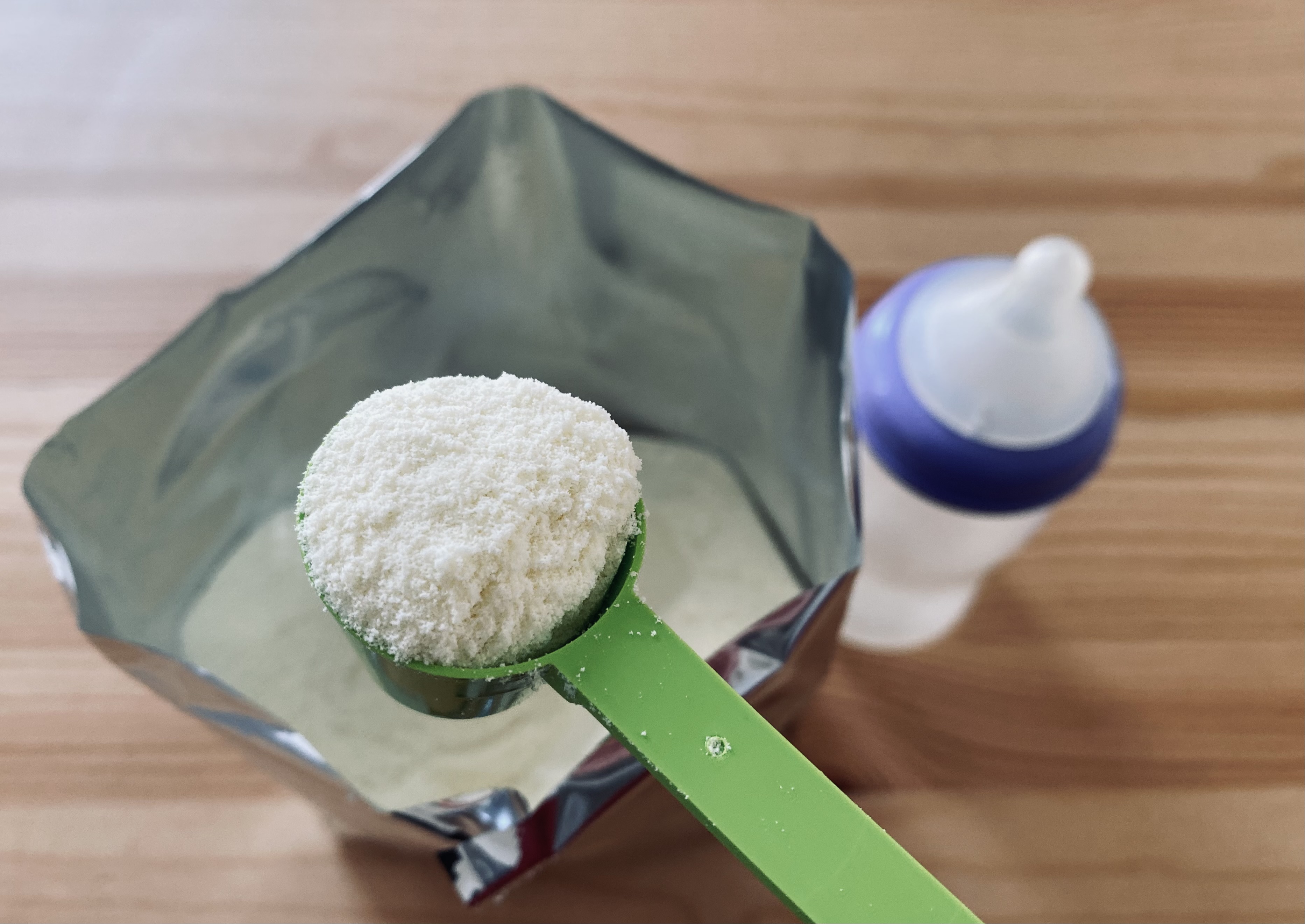
Germany – * Baby food * Similac, Alimentum and EleCare from the ABBOTT brand

LMW

Alert type: Food
Date of first publication: 03/25/2022
Product name:

* Baby food * Similac, Alimentum and EleCare from the ABBOTT brand

Product images:

image.jpg

BVL

Manufacturer (distributor): Abbott Nutrition in Sturgis, Michigan Country of origin: United States of America
Reason for warning:

Possible contamination with Salmonella Newport and Cronobacter sakazakii

Packaging Unit: 400 grams
Durability: from April 01, 2022
Lot identification: The first two digits of the lot number start with 22 to 37 AND the lot numbers contain the details K8, SH or Z2.
Further information:

Reference to a public warning from the US Food and Drug Administration:

Possible contamination of US infant formula with Cronobacter sakazakii and Salmonella Newport

Status 03/24/2022

The US Food and Drug Administration (FDA) warns against the use of certain powdered infant formulas manufactured by Abbott Nutrition in Sturgis, Michigan.

On February 17, 2022, Abbott announced that it had initiated a voluntary recall of certain lots of potentially affected products. The products in question are Similac, Alimentum and EleCare powdered food, which are manufactured at the plant in Sturgis, Michigan.

The recall is related to consumer complaints about Cronobacter sakazakii and Salmonella Newport infections in the United States. In all of these cases, infant formula from the manufacturer Abbott Nutrition is said to have been consumed. All five cases related to these ailments required hospitalization. In two cases, the infection may have contributed to the deaths of the patients.

The FDA is warning against the purchase and consumption of certain infant formulas manufactured at Abbott Nutrition’s Sturgis, Michigan facility.

The products were shipped within the USA and in member states of the EU (Italy, Ireland, Croatia, Netherlands, Slovenia, Spain) and other third countries (e.g. Great Britain, India, Islamic Republic of Iran, Northern Ireland, Russian Federation, Turkey, Ukraine, United States of America ) expelled. According to current knowledge, the products mentioned were not sold in Germany.

There is a possibility that consumers could have purchased the products online via marketplaces or through short-term stays in the Member States or third countries.

The FDA advises consumers not to use Similac, Alimentum, or EleCare powdered infant formula if:

  • the first two digits of the batch number begin with 22 to 37 and
  • the details K8, SH or Z2 are included and
  • a best-before date of April 1, 2022 is specified

The manufacturer offers the possibility to check the batch number of purchased products on the following page:  https://www.similacrecall.com/us/en/product-lookup.html

For more information on the FDA’s warning, please visit the following link: https://www.fda.gov/news-events/press-announcements/fda-warns-consumers-not-use-certain-powdered-infant-formula-produced- Abbott Nutrition Facility

The manufacturer’s recall can be found at the following link: https://www.fda.gov/safety/recalls-market-withdrawals-safety-alerts/abbott-voluntarily-recalls-powder-formulas-manufactured-one-plant

For the warning in Turkish language, please refer to the following link: https://www.titck.gov.tr/duyuru/ilac-geri-cekme-24022022101035

Information on Salmonella and Cronobacter sakazakii

Salmonella  and  Cronobacter sakazakii  can cause illness in infants when present in powdered infant formula. Although Cronobacter sakazakii and Salmonella cannot grow in powdered infant formula, they can survive for a long period of time and therefore pose a potential risk after liquid addition if the product is not heated sufficiently during preparation. Contamination of infant formula powder with Cronobacter sakazakiiand salmonella can cause serious illnesses in infants, such as diarrhea (sometimes bloody), fever, sepsis or meningitis, which can cause serious neurological and developmental problems and, in rare cases, can be fatal. Sepsis and meningitis can present with poor feeding, irritability, temperature changes, jaundice (yellow skin and whites of the eyes), and abnormal breathing and movements. Among infants, newborns (<28 days), especially preterm, low birth weight, or immunocompromised infants are most at risk of becoming infected.

(Unofficial translation of the information at: https://www.fsai.ie/news_centre/food_alerts/Similac.html )

Further information on salmonella, also in other languages, can be found here: http://www.infectionsschutz.de/erregersteckbriefe/salmonellen

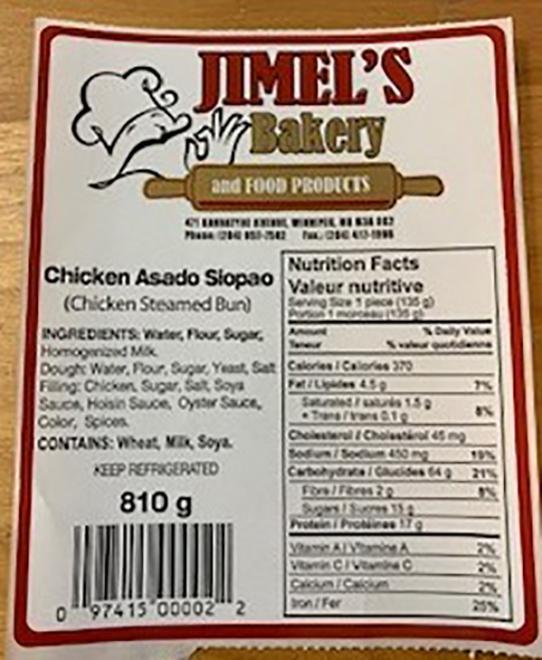
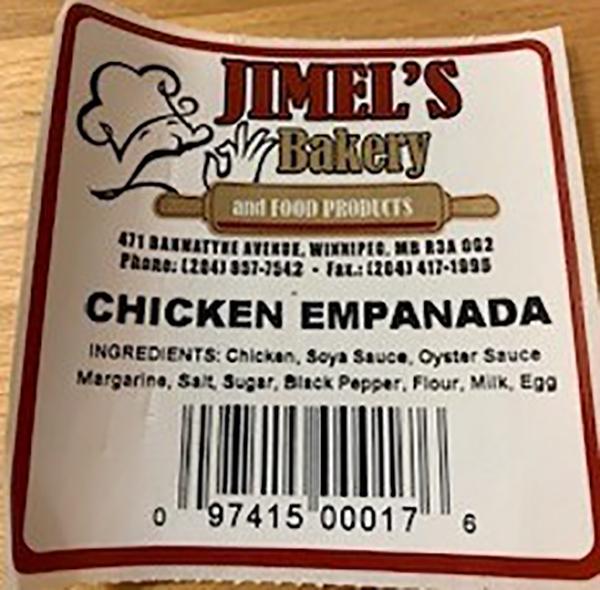
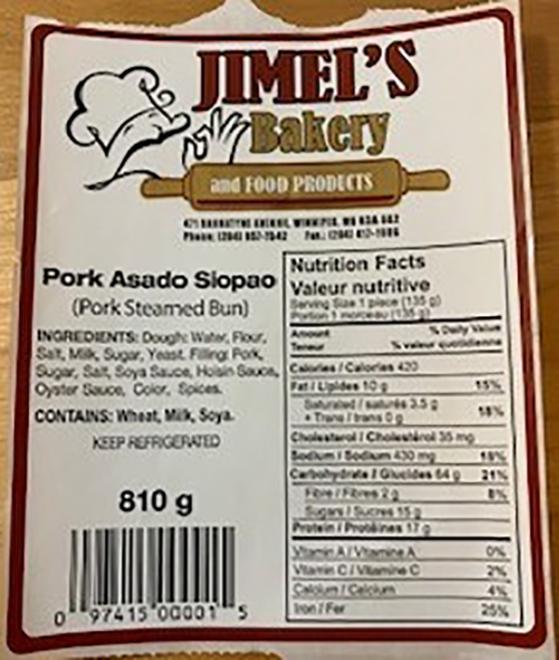
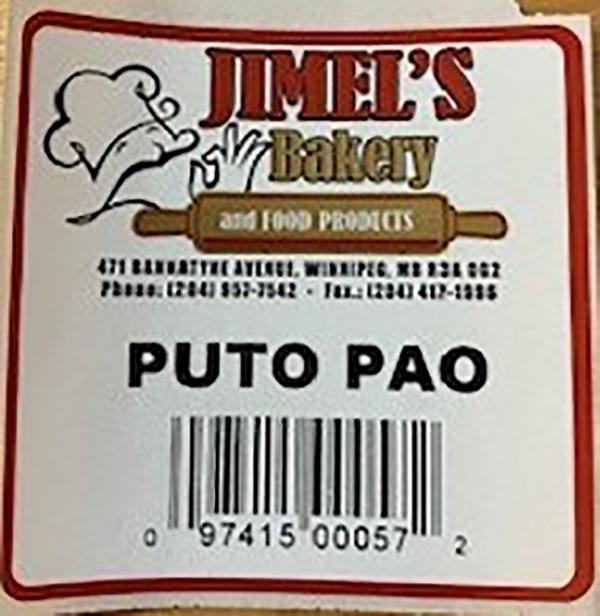
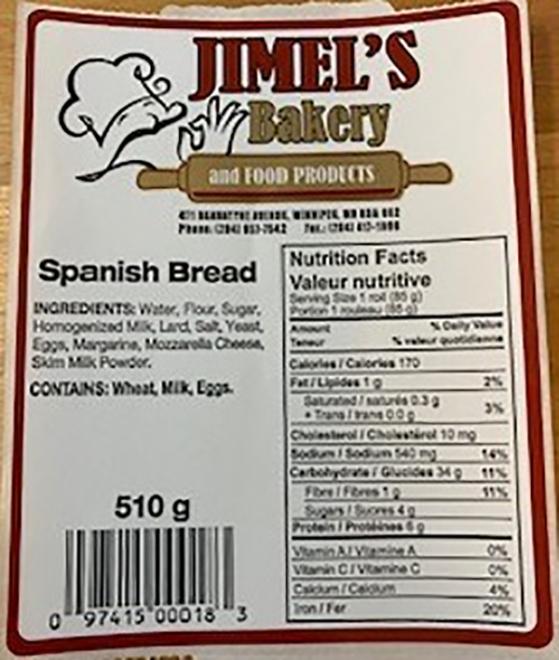
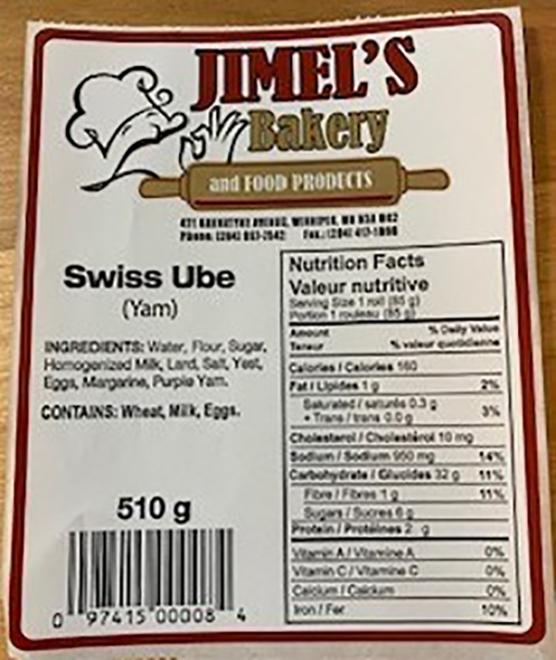
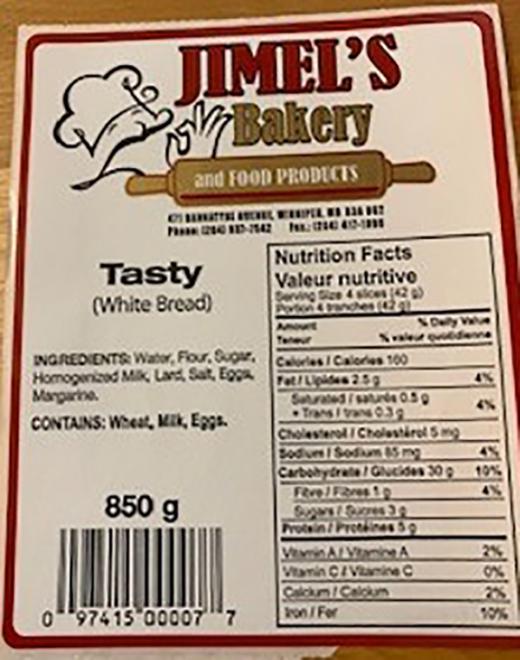
Canada – Jimel’s Bakery brand baked goods recalled due to possible Salmonella contamination from rodent infestation

CFIA

Summary

Product
Various baked goods
Issue
Food – Microbial Contamination – Salmonella
What to do

Do not consume the recalled products

Affected products

Issue

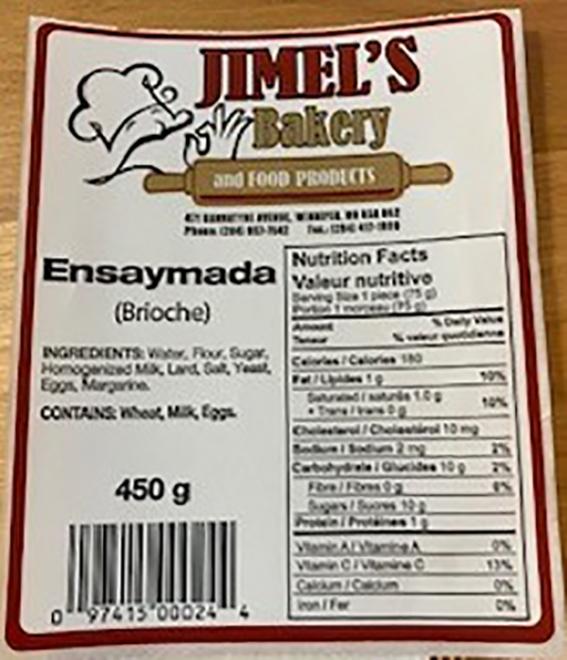
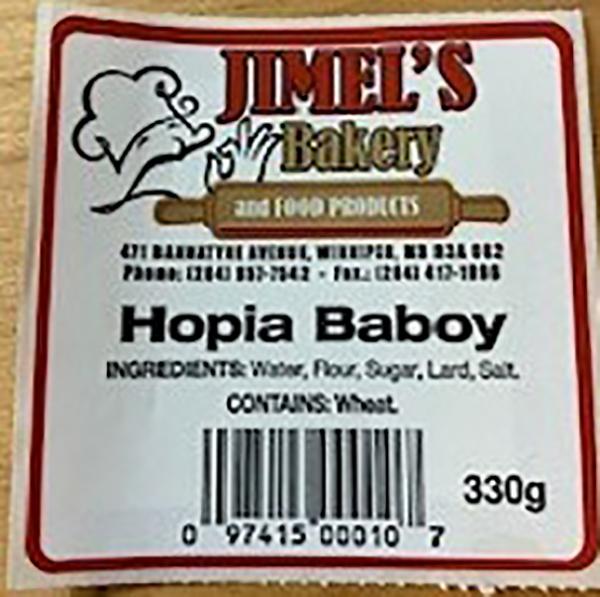
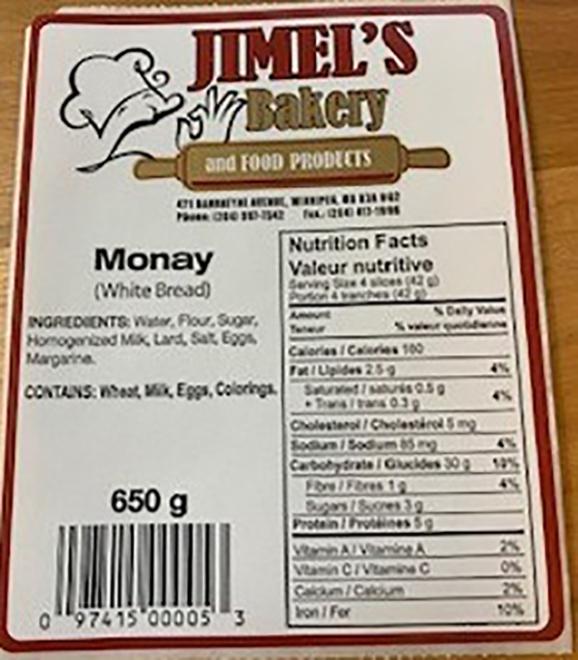
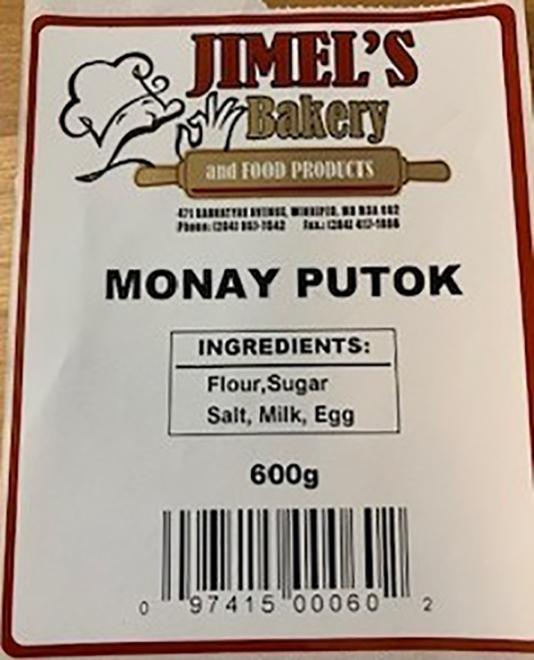
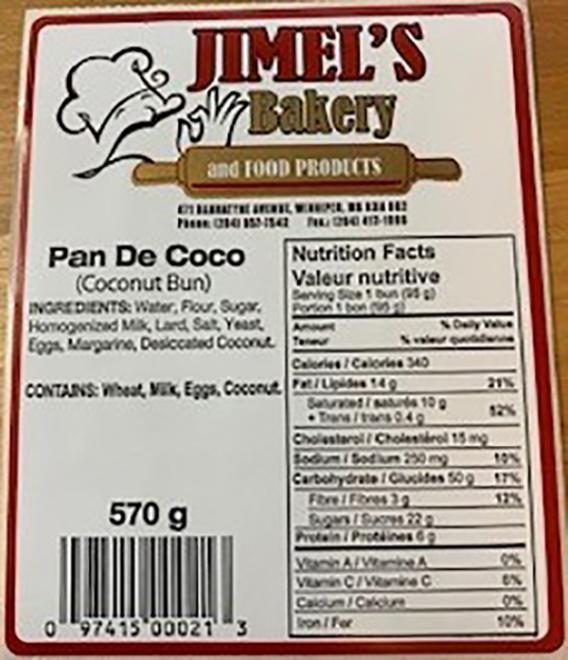
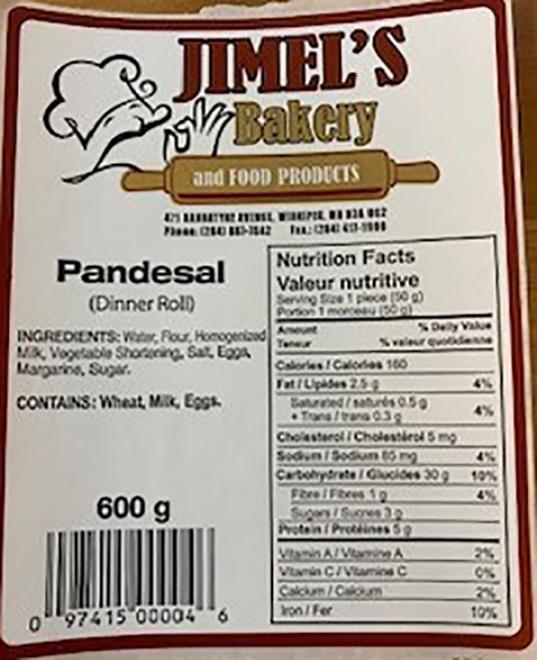
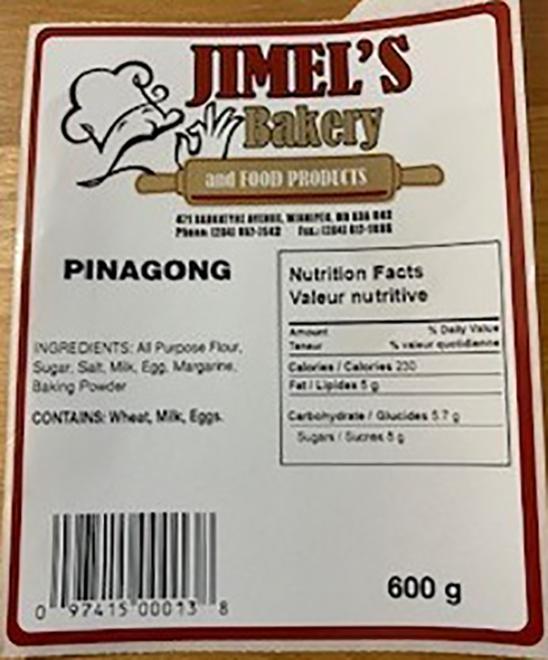
Jimel’s Bakery and Food Products is recalling Jimel’s Bakery brand baked goods from the marketplace due to possible Salmonella contamination from rodent infestation.

The recalled products have been sold in Manitoba.

What you should do

  • If you think you became sick from consuming a recalled product, call your doctor
  • Check to see if you have the recalled products in your home
  • Do not consume the recalled products
  • Recalled products should be thrown out or returned to the location where they were purchased

Food contaminated with Salmonella may not look or smell spoiled but can still make you sick. Young children, pregnant women, the elderly and people with weakened immune systems may contract serious and sometimes deadly infections. Healthy people may experience short-term symptoms such as fever, headache, vomiting, nausea, abdominal cramps and diarrhea. Long-term complications may include severe arthritis.