Brand : Bartolini Carni
Name : seasoned sausage
Reason for reporting : Recall due to microbiological risk
Publication date : 31 October 2022


Brand : Bartolini Carni
Name : seasoned sausage
Reason for reporting : Recall due to microbiological risk
Publication date : 31 October 2022
Halva with pistachios
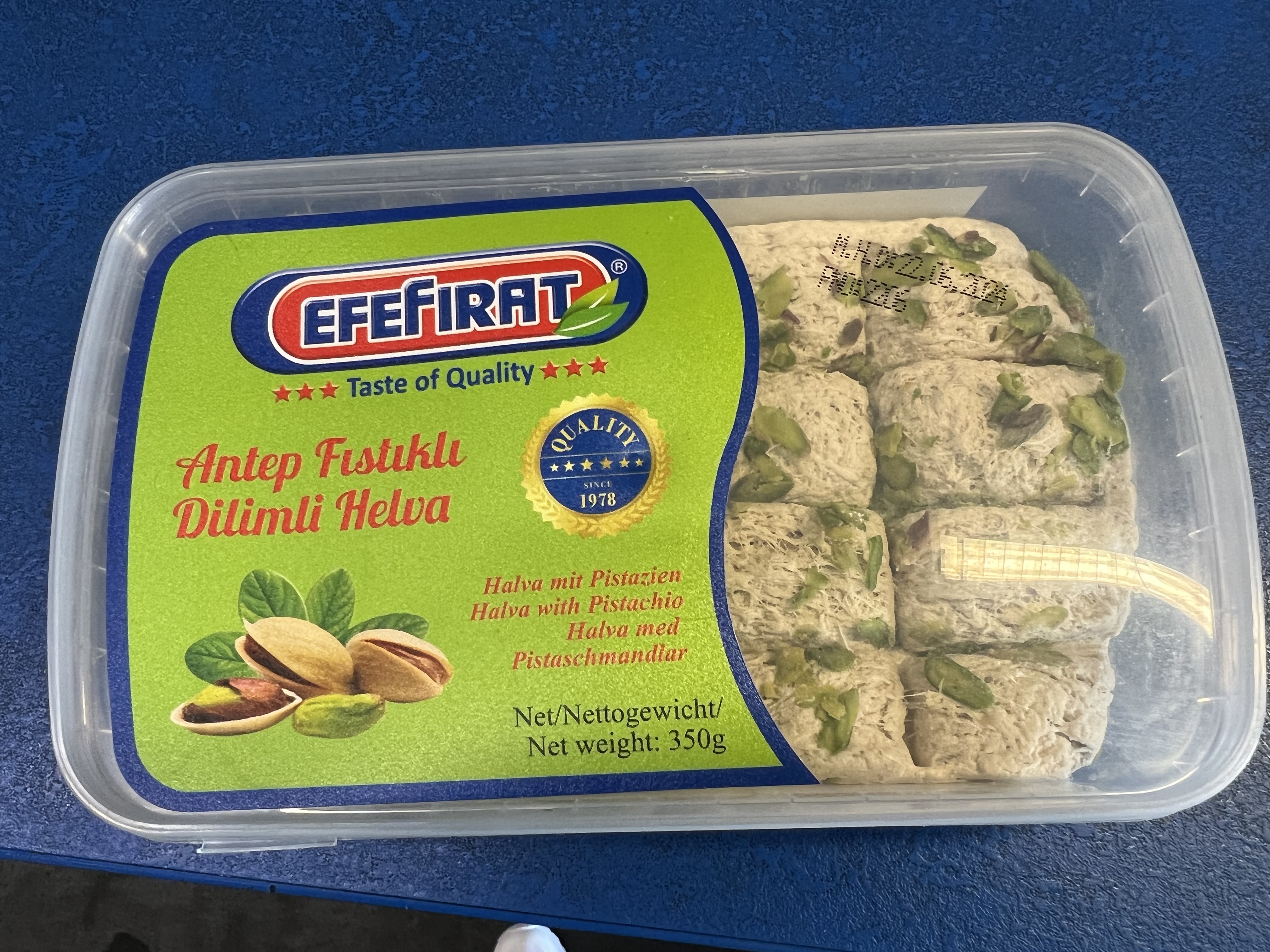
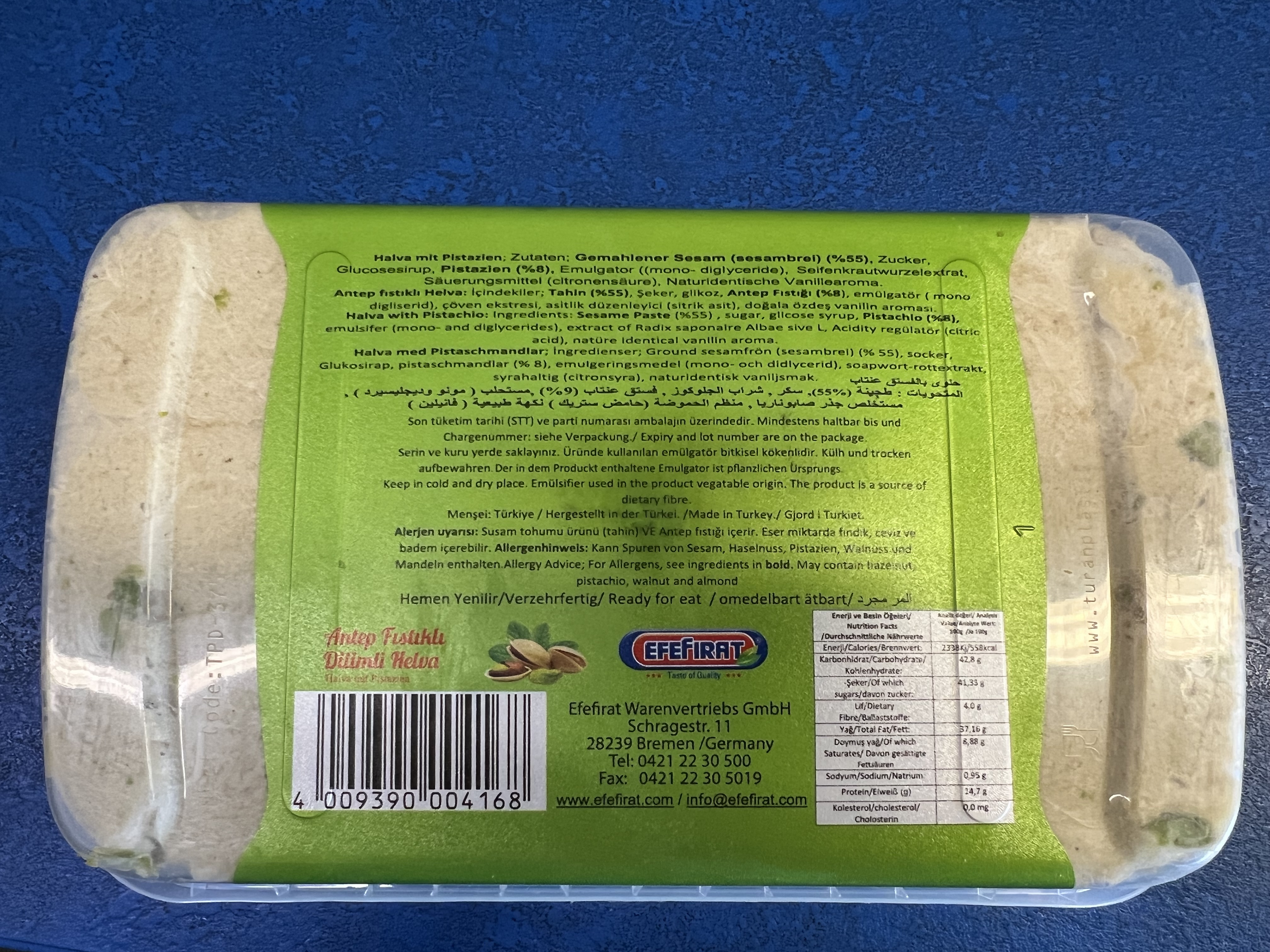
Efefirat Warenvertriebs GmbH Schragestr. 11 28239 Bremen
Salmonella was found in the product
Posted in Decontamination Microbial, Food Micro Blog, Food Microbiology, Food Microbiology Blog, Food Microbiology Research, Food Microbiology Testing, microbial contamination, Microbial growth, Microbiological Risk Assessment, Microbiology, Microbiology Investigations, Microbiology Risk, Research, Salmonella, Salmonella in Chicken

| Summary | |
|---|---|
| Category 1: | For Action |
| Alert Notification: | 2022.64 |
| Product: | Glenhaven Deli Style Premium Breaded Chicken Goujons (frozen); pack size: 1Kg |
| Batch Code: | 22273B, best before end: Dec 2023;
22276B, best before end: Jan 20224 |
| Country Of Origin: | Ireland |
The above batches of Glenhaven Deli Style Premium Breaded Chicken Goujons are being recalled due to the presence of Salmonella. Point-of-sale recall notices will be displayed in stores supplied with the implicated batches.
People infected with Salmonella typically develop symptoms between 12 and 36 hours after infection, but this can range between 6 and 72 hours. The most common symptom is diarrhoea, which can sometimes be bloody. Other symptoms may include fever, headache and abdominal cramps. The illness usually lasts 4 to 7 days. Diarrhoea can occasionally be severe enough to require hospital admission. The elderly, infants, and those with impaired immune systems are more likely to have a severe illness.
Retailers are requested to remove the implicated batches from sale and display recall notices at point of sale.
Consumers are advised not to eat implicated batches.
Spending time with family while baking is a great way to celebrate special occasions. When making cookies, brownies, cakes, or bread, you might be tempted to taste a bite before it’s fully baked.
But you can get sick after eating or tasting raw (unbaked) dough or batter. Children can get sick from handling or eating raw dough used for crafts or play clay, too. Follow these safety tips to help you and your loved ones stay healthy when preparing and handling raw dough.
Flour doesn’t look like a raw food, but most flour is raw. That means it hasn’t been treated to kill germs that cause food poisoning, such as Escherichia coli (E. coli). These harmful germs can contaminate grain while it’s still in the field or flour while it’s being made. Steps like grinding grain and bleaching flour don’t kill harmful germs—and these germs can end up in flour or baking mixes you buy at the store. You can get sick if you eat unbaked dough or batter made with flour containing germs. Germs are killed only when food made with flour is baked or cooked.
CDC investigated outbreaks of E. coli infections linked to raw flour or cake mix in 2016, 2019, and 2021. Some of these investigations led to recalls. Flour and baking mixes containing flour have long shelf lives, meaning they do not go bad quickly. It’s a good idea to check your pantry to see if you have any flour or baking mixes that have been recalled in recent years (search FDA’s recall listexternal icon). If you have any recalled flour or baking mixes, throw them away.
Raw eggs are another ingredient in dough and batter that can make you or your loved ones sick. Raw or lightly cooked eggs can contain Salmonella, a germ that causes food poisoning. Find out how to handle and cook eggs properly.
Some companies make edible cookie dough and brownie batter that you can find in stores. These products are made with heat-treated flour and pasteurized eggs or no eggs. Read the label carefully to make sure the dough is meant to be eaten without baking or cooking.
Follow these practices to prevent food poisoning when you are baking and cooking with flour and other raw ingredients.
Posted in Decontamination Microbial, E.coli, Food Micro Blog, Food Microbiology, Food Microbiology Blog, Food Microbiology Research, Food Microbiology Testing, Food Safety, Food Safety Alert, Food Safety Management, food safety training, microbial contamination, Microbial growth, Microbiological Risk Assessment, Microbiology, Microbiology Investigations, Microbiology Risk, Salmonella
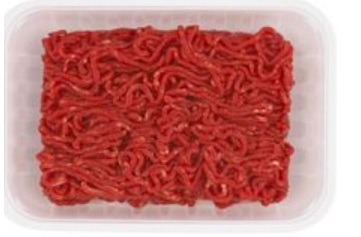
| Batch | ||
|---|---|---|
| see attached product list | ||
Salmonella Enteritidis in poultry meet from Poland in Bulgaria
Salmonella Typhimurium in mussels from the Netherlands in Belgium
Salmonella Enteritidis in frozen duck fillet from Poland in Lithuania
SESAME SEEDS FROM NIGERIA WITH SALMONELLA in Greece
Salmonella enteritidis in chilled poultry meat from Poland in Austria
Salmonella enterica ser. Stanley (in 1 out of 5 samples /25g) in dried fungus from Vietnam, via the Netherlands in Austria, Belgium, Denmark, Finland, France, Germany, Hungary, Iceland, Ireland, Netherlands, Slovakia, Spain, Sweden, Switzerland,
Salmonella Enteritidis in chilled poultry meat from Poland in Slovakia
Salmonella infantis in mussels (Mytilus galloprovincialis) reared in Spain in Italy
Salmonella Agmeni in canned Mungo Bean Sprouts from France in Italy
Salmonella spp in frozen turkey roll from Italy in Greece
Salmonella Infantis (in 5 out of 5 samples) in chicken broiler thighs from Poland in Lithuania
Posted in food contamination, food handler, Food Hazard, Food Hygiene, Food Inspections, Food Micro Blog, Food Microbiology, Food Microbiology Blog, Food Microbiology Testing, Food Pathogen, food recall, Food Safety, Food Safety Alert, Food Safety Management, Food Testing, Polish Chicken Salmonella, RASFF, Salmonella, Salmonella in Chicken, Salmonella Poland, Salmonella Sesame Seeds, salmonellosis
Posted in Cyclospora, Cyclosporiasis, E.coli O157, E.coli O157:H7, FDA, food bourne outbreak, Food Illness, Food Micro Blog, Food Microbiology, Food Microbiology Blog, Food Microbiology Research, Food Microbiology Testing, Food Poisoning, Foodborne Illness, foodborne outbreak, foodbourne outbreak, Illness, microbial contamination, Microbial growth, Microbiological Risk Assessment, Microbiology, Microbiology Investigations, Microbiology Risk, outbreak, Poisoning, Salmonella, STEC, STEC E.coli
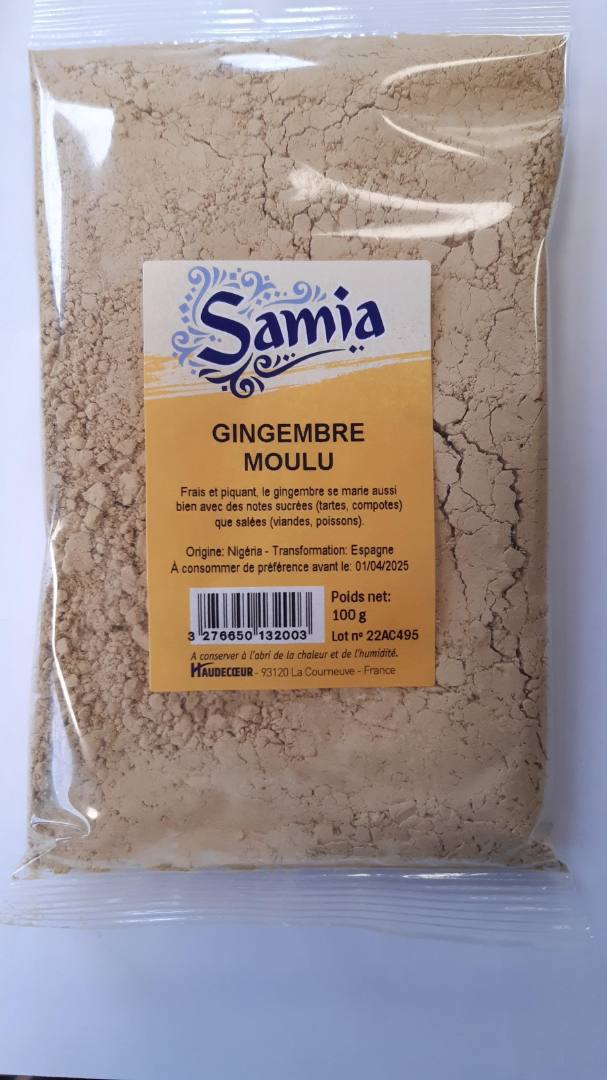
| GTIN | Batch | Date |
|---|---|---|
| 3276650132003 | 22AC495 | Date of minimum durability 04/01/2025 |
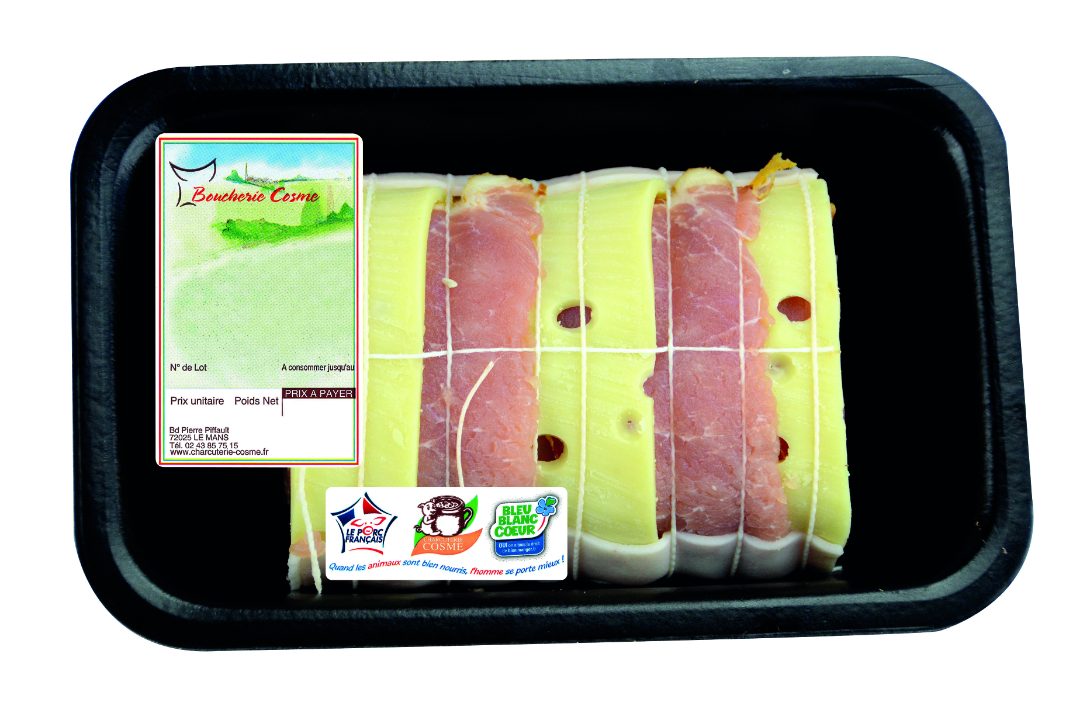
| Batch | Date | |
|---|---|---|
| 224210 | Use-by date 27/10/2022 | |


