Summary
Do not use, sell, serve or distribute the affected product
Family’s Choice Distribution brand Tahini Extra Sesame Seed Paste recalled due to Salmonella.
The recalled product was sold in Ontario.
Do not use, sell, serve or distribute the affected product
Family’s Choice Distribution brand Tahini Extra Sesame Seed Paste recalled due to Salmonella.
The recalled product was sold in Ontario.
Posted in CFIA, food contamination, food handler, Food Hazard, Food Hygiene, Food Inspections, Food Micro Blog, Food Microbiology, Food Microbiology Blog, Food Microbiology Testing, Food Pathogen, food recall, Food Safety, Food Safety Alert, Food Safety Management, Food Testing, Salmonella, Salmonella Sesame Seeds
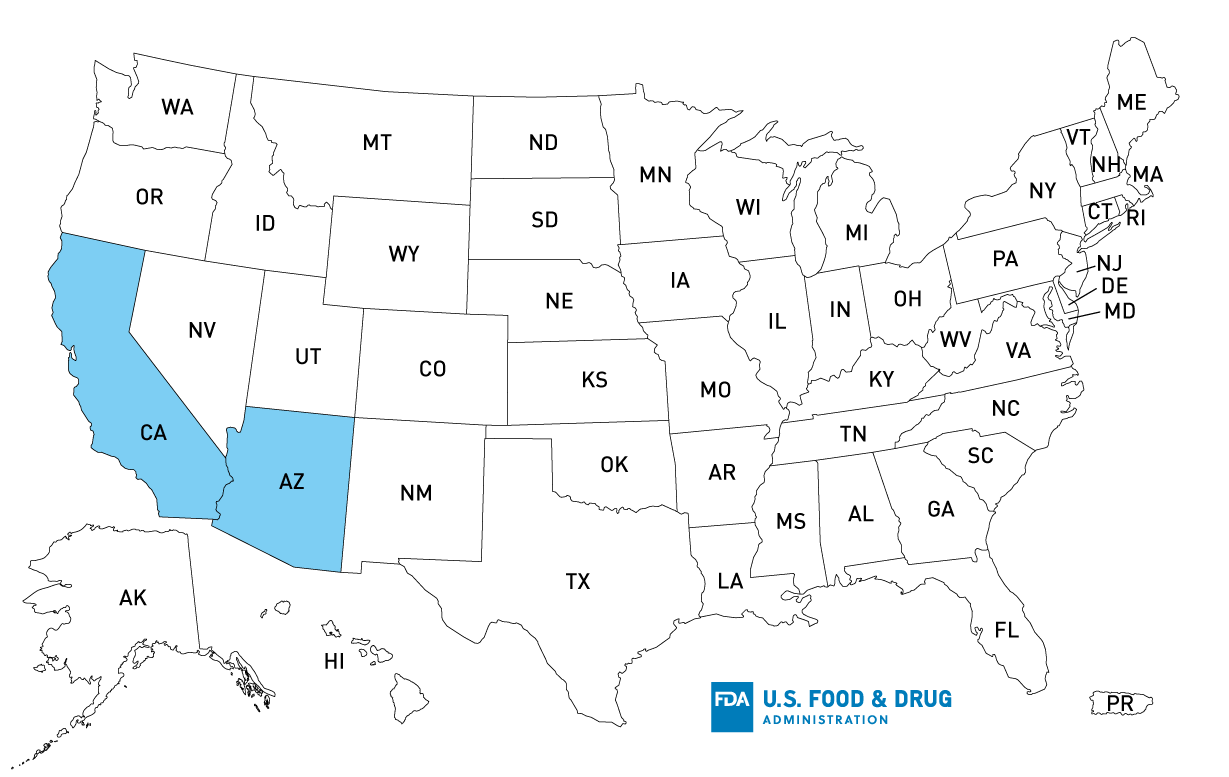
The FDA, along with CDC and state and local partners, is investigating a multistate outbreak of Salmonella Litchfield infections linked to fresh, raw salmon supplied to restaurants in California and Arizona by Mariscos Bahia, Inc.
Based on epidemiologic information provided by CDC and interviews conducted by state and local public health officials, of 16 people interviewed, 12 reported eating sushi, sashimi, or poke. Of those interviewed, 11 people remembered details about the type of fish consumed and 9 report eating raw salmon before getting sick. The FDA’s investigation traced the distribution of fresh, raw salmon back to Mariscos Bahia, Inc.
In addition, the FDA collected an environmental sample that included multiple swabs at Mariscos Bahia, Inc. (Pico Rivera, CA). Multiple environmental swabs collected at the facility are positive for Salmonella and subsequent Whole Genome Sequencing (WGS) analysis is ongoing. The WGS completed to date indicates the Salmonella detected in at least one of the swabs from the facility matches the outbreak strain. While epidemiological evidence indicates that ill people consumed fresh, raw salmon processed at this firm, the presence of Salmonella in the processing environment indicates that additional types of fish processed in the same area of the facility could also be contaminated which includes fresh, raw halibut, Chilean seabass, tuna, and swordfish. Salmon, halibut, Chilean seabass, tuna, or swordfish processed in Marisco Bahia Inc.’s Pico Rivera, CA, facility could have also been sent to the Mariscos Bahia, Inc. facilities in Phoenix, AZ and then sent to restaurants.
The firm initiated a voluntary recall on October 20, 2022. As a result, the firm has contacted direct customers who received recalled product. A full list of recalled products is below.
The FDA’s investigation is ongoing. Updates to this advisory will be provided as they become available.
According to Mariscos Bahia, Inc., seafood was only sold directly to restaurants in California and Arizona and would not be available for purchase by consumers in stores.
Restaurants should check with their suppliers and not sell or serve recalled salmon, halibut, Chilean seabass, tuna, or swordfish received fresh, not frozen, from Mariscos Bahia, Inc. (Pico Rivera, CA, and Phoenix, AZ) on or after June 14, 2022. If restaurants received these fish and then froze it, they should not sell or serve it. Restaurants should also be sure to wash and sanitize locations where these fish from Mariscos Bahia, Inc. were stored or prepared.
Mariscos Bahia, Inc. voluntarily recalled the following list of fresh (not frozen) fish. The firm began shipping recalled product on June 14, 2022:
Total Illnesses: 33
Hospitalizations: 13
Deaths: 0
Last illness onset: September 18, 2022
States with Cases: AZ (11), CA (21), IL (1)
Product Distribution*: AZ, CA
*Distribution has been confirmed for states listed, but product could have been distributed further, reaching additional states
Posted in food bourne outbreak, food contamination, food handler, Food Hazard, Food Hygiene, Food Illness, Food Inspections, Food Micro Blog, Food Microbiology, Food Microbiology Blog, Food Microbiology Testing, Food Pathogen, food recall, Food Safety, Food Safety Alert, Food Safety Management, Food Testing, Foodborne Illness, foodborne outbreak, foodbourne outbreak, Illness, outbreak, Salmonella
26 October 2022: Foodstuffs Own Brands Ltd is recalling a specific batch of its Pams brand Alfalfa Sprouts, Salad Sprouts, Sandwich Selection Sprouts and Spicy Sprouts Combo due to the possible presence of Salmonella.


| Product identification | |
|---|---|
| Product type | Sprouts |
| Name of product (size) | Pams brand Alfalfa Sprouts (100g)
Pams brand Salad Sprouts (100g) Pams brand Sandwich Selection Sprouts (100g) Pams brand Spicy Sprouts Combo (100g) |
| Date marking | USE BY 04 11 2022 |
| Package size and description | The products are sold in a 100g plastic punnet. |
| Distribution | The products are sold at Pak’n Save, New World, and Four Square stores throughout the North Island.
The products have not been exported. |
| Notes | This recall does not affect any other Pams brand products. |
If you are a retailer of the products in this recall, download a copy of the point of sale notice. You need to display it in your store for one month.
Point of sale notice [PDF, 68.4KB]
Customers are asked to check the date mark on the front of the packaging
Affected products should not be consumed. There have been no reports of associated illness, however if you have consumed any of these products and have any concerns about your health, seek medical advice.
Customers should dispose of the products or return them to their retailer for a full refund.
More information on Salmonella
If you have questions, contact Foodstuffs Own Brands Ltd:
Posted in food contamination, food handler, Food Hazard, Food Hygiene, Food Inspections, Food Micro Blog, Food Microbiology, Food Microbiology Blog, Food Microbiology Testing, Food Pathogen, food recall, Food Safety, Food Safety Alert, Food Safety Management, food safety training, Food Testing, MPI, Salmonella
A fast-moving, but somewhat secretive federal prosecution has extracted guilty pleas for three misdemeanors from the quality assurance director for a food manufacturer working for the Kellogg Company.
The former quality assurance director pleaded guilty on Oct. 21 to three misdemeanor counts of Introducing adulterated food into Interstate Commerce. It was part of a plea deal that is among a half dozen documents in the case that are sealed, and therefore not available for public viewing. The federal Magistrate for the Central District of Illinois, Jonathan P. Hawley, has scheduled sentencing for Jan. 30. 2023.
The charges stem from the multistate outbreak of Salmonella Mbandaka infections from Kellogg’s Honey Smacks cereal, which sickened 135 people in 35 states in 2018. The infections required hospitalizations for 34 patients. The Kellogg Company recalled Honey Smacks cereal on June 14, 2018.
Posted in Decontamination Microbial, food bourne outbreak, Food Illness, Food Micro Blog, Food Microbiology, Food Microbiology Blog, Food Microbiology Research, Food Microbiology Testing, Foodborne Illness, foodborne outbreak, foodbourne outbreak, Illness, microbial contamination, Microbial growth, Microbiological Risk Assessment, Microbiology, Microbiology Investigations, Microbiology Risk, outbreak, Salmonella
Great article to read at the above link, the table below is edited there is more information in the article.
| Year | State | Agent | Brand |
| 2014 | Washington | Listeria | Snoqualmie Ice Cream |
| 2010-2015 | Multistate | Listeria | Blue Bell |
| 2008 | Vermont | E. coli O157 | Homemade ice cream, unpasteurized milk |
| 2008 | Minnesota | Salmonella | Homemade ice cream |
| 2008 | California | E. coli O157 | Consumed at a restaurant; brand or pasteurization unknown |
| 2007 | California | Norovirus | Ice cream with berries; berries were likely the contaminated ingredient |
| 2007 | Pennsylvania | Campylobacter | Homemade ice cream |
| 2007 | Minnesota | Hepatitis A | Ice cream or yogurt at a restaurant |
| 2007 | West Virginia | Salmonella | Homemade ice cream |
| 2006 | Belgium | E. coli O145 | Ice cream at a farm |
| 2006 | California | Salmonella | Homemade ice cream |
| 2005 | Multistate | Salmonella | Cold Stone Creamery (cake batter was the contaminated ingredient) |
| 1994 | Multistate | Salmonella | Schwan’s Ice Cream – the estimated # of ill cases is 224,000! |
| 1993 | Florida | Salmonella | Homemade ice cream |
Posted in E.coli O145, E.coli O157, E.coli O157:H7, Food Micro Blog, Food Microbiology, Food Microbiology Blog, Food Microbiology Research, Food Microbiology Testing, Hepatitis A, Listeria, Listeria monocytogenes, microbial contamination, Microbial growth, Microbiological Risk Assessment, Microbiology, Microbiology Investigations, Microbiology Risk, Norovirus, Research, Salmonella
A Barry Callebaut chocolate factory in Belgium is back operating at full capacity after a Salmonella contamination scare earlier this year.
Cleaning of the factory in Wieze is nearing completion so it has returned to running at normal levels after operations were stopped in late June.
“I would like to express my deepest gratitude to our customers for their understanding during this difficult period, and to all our employees who worked tirelessly for weeks to get the Wieze factory up and running again,” said Peter Boone, CEO of Barry Callebaut.
The company previously warned the incident is expected to have a significant financial impact when the full year result figures are published in November.
Mondelez was one of several companies impacted, as it is supplied by Barry Callebaut. The alert meant it had to limit the retail availability of several ranges of biscuits.
Swedish officials are investigating a recent increase in reported cases of Cryptosporidium.
A total of 61 people have been confirmed as being infected by the same certain type of Cryptosporidium parvum. These people fell ill from Sept. 25 to Oct. 10 and live in 10 different regions of the country.
Of confirmed cases, 41 are women and 20 are men. They are aged between 11 and 86 years old with an average age of 44.
There are another 98 possible infections that have been reported within the same period and some of these may also belong to the outbreak.
The Public Health Agency of Sweden (Folkhälsomyndigheten) said the increase is under investigation but could be caused by food with wide distribution in the country.
Local infection control units, the Swedish Food Agency (Livsmedelsverket) and Folkhälsomyndigheten are investigating the outbreak to identify the source of infection.
Cryptosporidium is a parasite that, if ingested, can cause cryptosporidiosis. Transmission occurs mainly through contact with contaminated water but can be via food or exposure to infected animals or water contaminated by the feces of infected animals.
The main symptom is watery diarrhea, which can range from mild to severe. It is often accompanied by stomach pain, nausea or vomiting, fever, and sometimes dehydration and weight loss. Symptoms usually appear two to 10 days after infection and last one to two weeks.
Posted in Contaminated water, Cryptosporidiosis, Cryptosporidium, Decontamination Microbial, Food Micro Blog, Food Microbiology, Food Microbiology Blog, Food Microbiology Research, Food Microbiology Testing, microbial contamination, Microbial growth, Microbiological Risk Assessment, Microbiology, Microbiology Investigations, Microbiology Risk, Salmonella, Water, water microbiology, Water Safety
Public Health is investigating an outbreak of salmonellosis (caused by Salmonella bacteria) associated with Chili’s South Indian Cuisine in Seattle. The investigation is ongoing. At this time, we have not identified how Salmonella was spread within the restaurant. This is not uncommon because Salmonella can spread through contaminated food items, environmental surfaces, and from person to person.
Since October 6, 2022, three people from two separate meal parties reported becoming ill after consuming food from Chili’s South Indian Cuisine in Seattle on September 17, 2022 and September 23, 2022. All the people developed one or more symptoms consistent with salmonellosis, including diarrhea, abdominal cramping, nausea, and vomiting. We have not identified any ill employees.
Public Health conducted interviews with the people ill with salmonellosis to identify potential common exposures and found that they all became ill after eating food from Chili’s South Indian Cuisine.
Environmental Health Investigators visited the restaurant on October 19, 2022. Investigators identified sanitizing issues, potential cross contamination, inadequate hand washing, and lack of proper access to handwashing stations. Corrective actions were taken during the inspection. Environmental Health Investigators will revisit the facility within 2 weeks to ensure proper compliance with food handling practices.
No ill employees were identified at the time of inspection. Investigators reviewed with restaurant management the requirement that ill staff are not allowed to work until they are symptom-free. Investigators provided education about preventing the spread of Salmonella – including preventing cross contamination, proper cooling methods, sanitizing procedures and handwashing.
Two of the cases have confirmatory testing indicating infections with Salmonella via culture. Both cases have the same strain of Salmonella, based on genetic fingerprinting (whole genome sequencing or WGS) at the Washington State Public Health Laboratory. The third case did not have confirmatory testing but had symptoms consistent with Salmonellosis and is epidemiologically linked.
Posted in food bourne outbreak, Food Illness, Food Micro Blog, Food Microbiology, Food Microbiology Blog, Food Microbiology Research, Food Microbiology Testing, Foodborne Illness, foodborne outbreak, foodbourne outbreak, Illness, microbial contamination, Microbial growth, Microbiological Risk Assessment, Microbiology, Microbiology Investigations, Microbiology Risk, outbreak, Salmonella
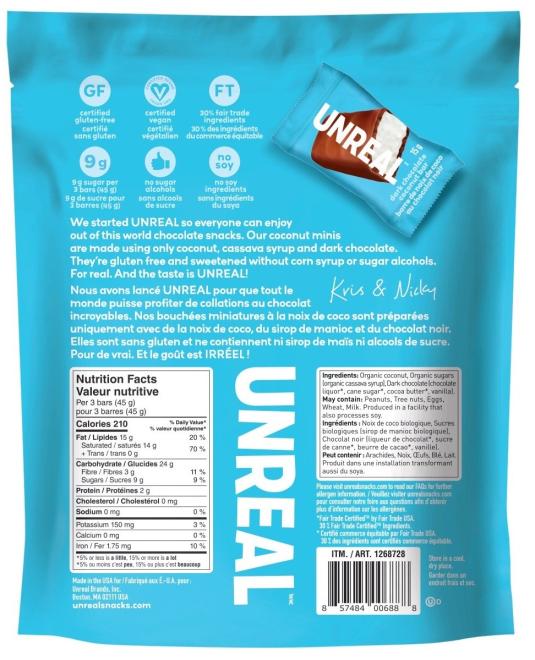
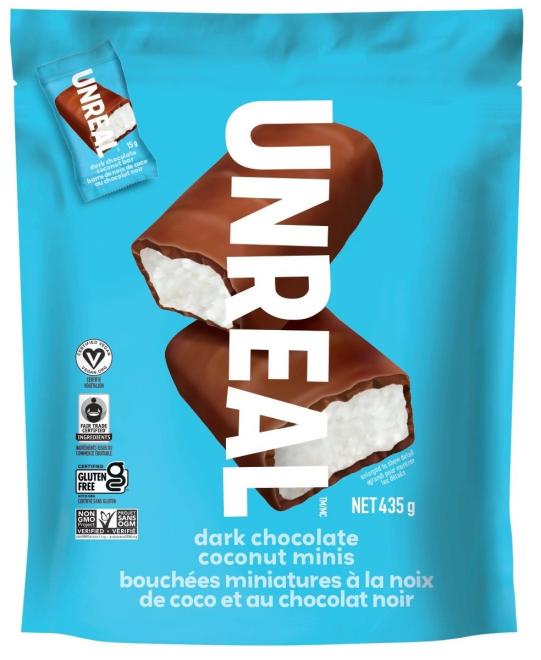
Do not consume, use, sell, serve, or distribute recalled products
The affected product is being recalled from the marketplace due to possible Salmonella contamination.
The recalled product has been sold in British Columbia, Alberta, Saskatchewan, Manitoba, Ontario, Quebec, New Brunswick, Nova Scotia, and Newfoundland and Labrador.
Food contaminated with Salmonella may not look or smell spoiled but can still make you sick. Young children, pregnant women, the elderly and people with weakened immune systems may contract serious and sometimes deadly infections. Healthy people may experience short-term symptoms such as fever, headache, vomiting, nausea, abdominal cramps and diarrhea. Long-term complications may include severe arthritis.
Posted in food contamination, food handler, Food Hazard, Food Hygiene, Food Inspections, Food Micro Blog, Food Microbiology, Food Microbiology Blog, Food Microbiology Testing, Food Pathogen, food recall, Food Safety, Food Safety Alert, Food Safety Management, Food Testing, Salmonella, Salmonella in Chocolate

| Batch | ||
|---|---|---|
| manufacture of 08/10/2022 expiry date: 13/10/2022 | ||