Category Archives: Salmonella

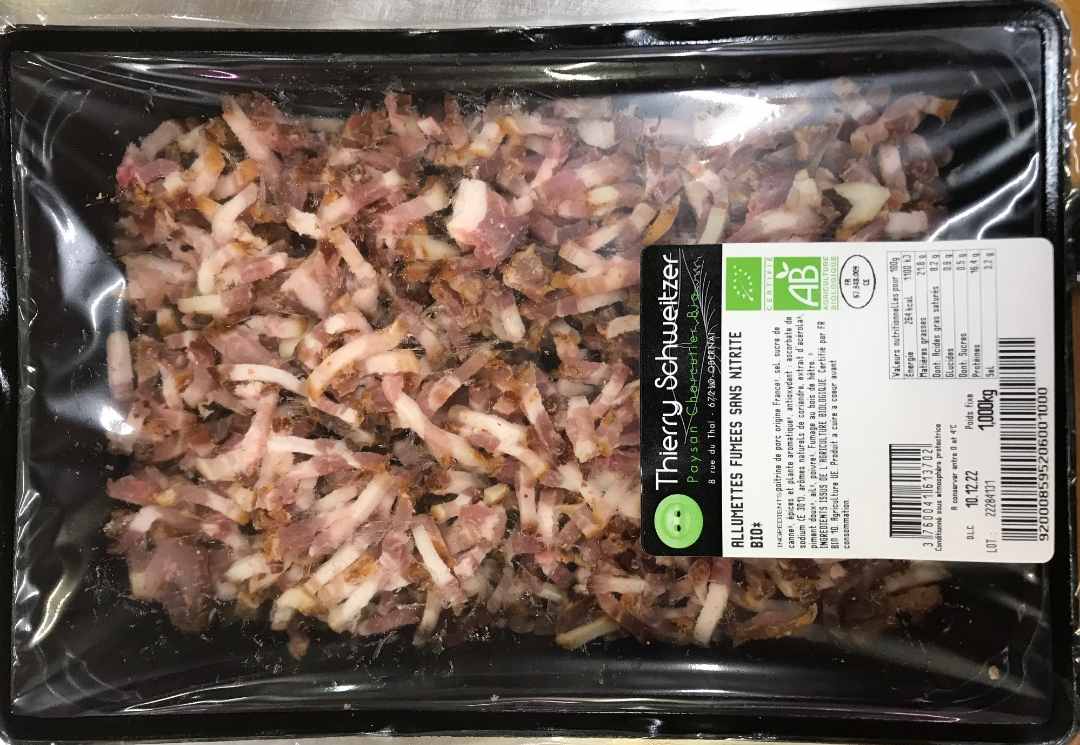
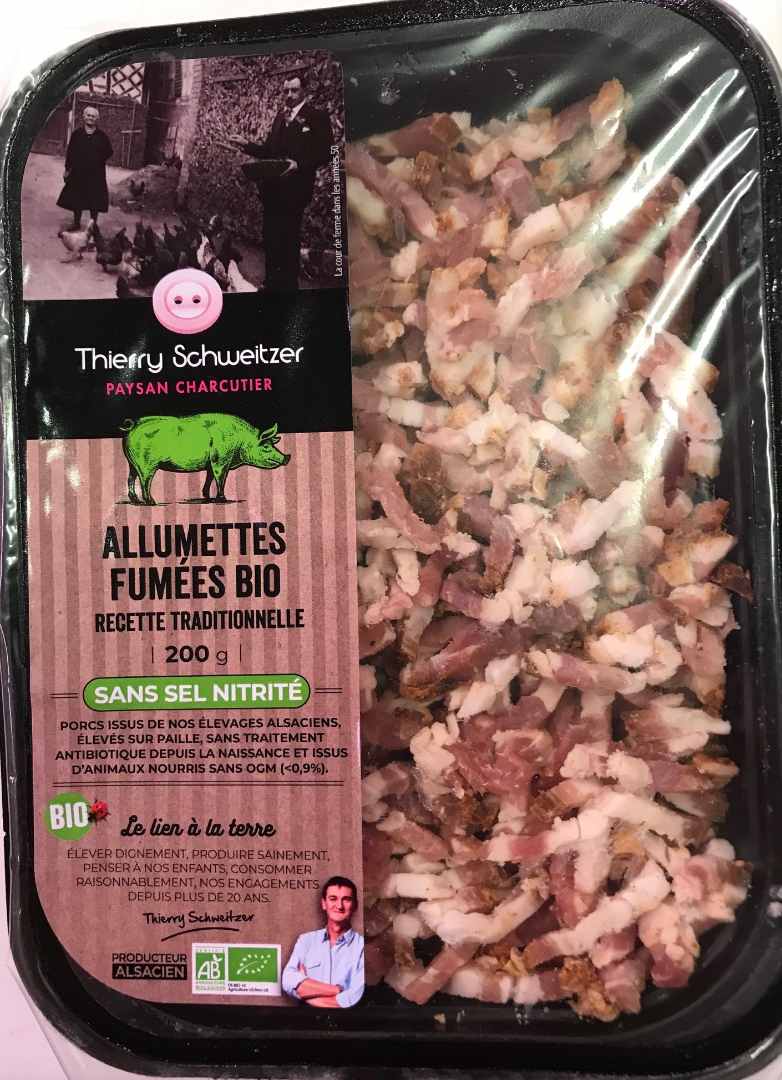
France – SMOKED MATCHES WITHOUT NITRITE ORGANIC* – Salmonella

Gov france

Identification information of the recalled product

  • Product category Feed
  • Product subcategory Meats
  • Product brand name Thierry Schweitzer
  • Model names or references SMOKED MATCHES WITHOUT NITRITE ORGANIC* 200g SMOKE MATCHES WITHOUT NITRITE ORGANIC* 1kg
  • Identification of products
    GTIN Batch Date
    3760041613702 22284-131 Use-by date 10/12/2022
    3760041613696 22284-131 Use-by date 10/12/2022
  • Packaging Tray under protective atmosphere 200g and Tray under protective atmosphere 1kg
  • Marketing start/end date From 13/10/2022 to 19/10/2022
  • Storage temperature Product to be stored in the refrigerator
  • Health markFR67348009CE
  • Geographic area of ​​sale Departments: BAS-RHIN (67), HAUT-RHIN (68)
  • Distributors Stands Thierry Schweitzer, Groupe Auchan, Cora, La source(Barr), Groupe U, Vivre bio(vendenheim), Le fruitier(Haguenau), Cote nature, Carrefour, La ferme du chateau (Pfastatt), Biocoop(Neudorf), Api ( Epfig)

Practical information regarding the recall

  • Reason for recall Presence of Salmonella
  • Risks incurred by the consumer Salmonella spp (causative agent of salmonellosis)

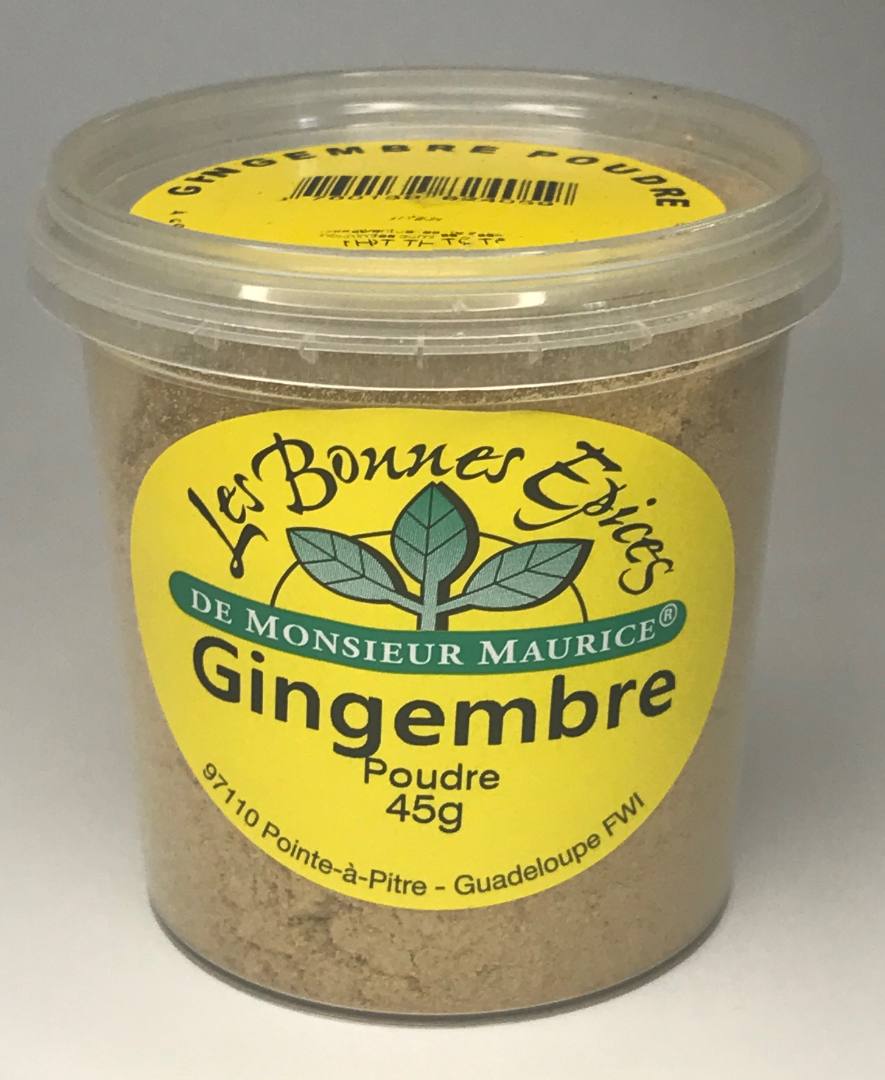
France – Ground Ginger – Salmonella and Bacillus cereus

Gov france

Identification information of the recalled product

  • Product category Feed
  • Product subcategory Herbs and spices
  • Product brand name LEADER PRICE
  • Model names or references Small Ginger Powder jar
  • Identification of products
    GTIN Batch Date
    3760138824059 BATCH TA0311 Date of minimum durability 30/04/2024
  • Packaging SMALL PLASTIC JAR OF 45 GR
  • Marketing start/end date From 08/08/2022 to 18/10/2022
  • Storage temperature Product to be stored at room temperature
  • Geographic area of ​​sale Departments: MARTINIQUE (972)
  • Distributors LEADER PRICE

Practical information regarding the recall

  • Reason for recall PRESENCE OF BACTERIA – SALMONELLA AND BACILLUS CEREUS
  • Risks incurred by the consumer Bacillus cereus
    Salmonella spp (causative agent of salmonellosis)

France – Ground Ginger – Salmonella and Bacillus cereus

Gov france

Identification information of the recalled product

  • Product category Feed
  • Product subcategory Herbs and spices
  • Product brand name The Good Spices of Mr Maurice
  • Model names or references Small jar of ground ginger
  • Identification of products
    GTIN Batch Date
    3760138824059 BATCH TA0311 Date of minimum durability 30/04/2024
  • Packaging SMALL PLASTIC JAR OF 45 GR
  • Marketing start/end dateFrom 08/08/2022 to 18/10/2022
  • Storage temperature Product to be stored at room temperature
  • Geographic area of ​​sale Departments: GUADELOUPE (971), MARTINIQUE (972)
  • DistributorsCARREFOUR – SUPER U – LECLERC – O MARCHE – CASINO – DISCOUNT CENTER – COLIPRIX – ECOMARKET – CENTRALE EDOUARD – PROMOCASH
  • List of points of saleLIST_CLIENTS_POTENTIAL_POT_GINGEMBRE_-_AOUT_TO_OCTOBER_2022.pdf

Practical information regarding the recall

  • Reason for recall PRESENCE OF BACTERIA – SALMONELLA AND BACILLUS CEREUS
  • Risks incurred by the consumer Bacillus cereus
    Salmonella spp (causative agent of salmonellosis)

RASFF Alerts – Salmonella – Polish Chicken Products – Sesame Seeds – Cheese – Brazilian Chicken – Frozen Breaded Chicken Goujons – Halva with Pistachios – Turkey Meat – Mussels – Veal Stuffing – Filled Wafers – Chilled Lamb and Beef Merguez Sausages – Neutral Gelatine – Minced Beef Meat – Chorizo – Chicken Fillets – Salted Chicken

RASFF

Salmonella in frozen breaded chicken goujons from Northern Ireland in Northern Ireland

RASFF

Salmonella in chilled turkey minced meat from Spain, processed in France.

RASFF

Salmonella spp. in halva with pistachios from Syria in Germany and Austria

RASFF

Salmonella in frozen chicken from Brazil in the Netherlands

RASFF

Salmonella in chicken meat preparation from Brazil in the Netherlands

RASFF

Salmonella Typhimurium in turkey meat from Hungary in Germany

RASFF

Salmonella Agona in chilled chicken quarters from Poland in the Czech Republic

RASFF

Salmonella typhimurium in frozen turkey meat from Hungary in Croatia

RASFF

Presence of Salmonella Typhimurium in mussels from Spain in Italy

RASFF

Salmonella Orion in organic sesame seeds from Uganda in Germany

RASFF

Salmonella in cheese from France in the Netherlands and Belgium

RASFF

Salmonella spp. detected in chicken meat preparation from Brazil in the Netherlands

RASFF

Salmonella in stuffing made from veal from the Netherlands in France and Belgium

RASFF

Salmonella Typhimurium in filled wafers from Bosnia and Herzegovina in Hungary

RASFF

Salmonella Infantis (in 5 out of 5 samples) in chicken meat from Poland in Lithuania

RASFF

Salmonella infantis in chilled chicken meat from Poland used in breaded chicken nuggets and breaded chicken burgers from Northern Ireland in the UK and Ireland

RASFF

Escherichia coli and Salmonella in live mussels from France in the Netherlands

RASFF

Salmonella in chilled lamb and beef merguez sausages from France in Belgium

RASFF

Salmonella Infantis (in 4 out of 5 samples) in broiler chicken wings from Poland in Lithuania

RASFF

Salmonella (presence /25g) in frozen turkey meat preparation from Poland in Hungary

RASFF

Salmonella spp. (in 2 out of 5 samples) in chicken broiler thighs from Poland in Lithuania

RASFF

Salmonella in neutral gelatine from Germany in Portugal and Spain

RASFF

Salmonella typhimurium found in turkey meat from Hungary in Italy

RASFF

Salmonella Minnesota. in frozen chicken breast filet from Brazil via Belgium in the Czech Republic

RASFF

Salmonella Bovismorbificans (in 1 out of 5 samples) in frozen minced beef meat from Lithuania in Latvia

RASFF

Detection of salmonella in chorizo from Spain in France

RASFF

Salmonella in frozen fried chicken fillets from Northern Ireland in Ireland

RASFF

Salmonella Saintpaul (in 5 out of 5 units) in fresh broiler thighs from Poland in Latvia

RASFF

Request for heat treatment in Germany, Salmonella positive Frozen salted chicken from Thailand in the Netherlands

RASFF

Salmonella Infantis in chicken drumsticks from Poland in the Czech Republic and Finland

RASFF

Presence of Salmonella spp. in hulled sesame seeds from India in Greece

USA – Outbreak Investigation of Salmonella: Seafood (October 2022)

FDA

The FDA, along with CDC and state and local partners, is investigating a multistate outbreak of Salmonella Litchfield infections linked to fresh, raw salmon supplied to restaurants in California and Arizona by Mariscos Bahia, Inc.

Based on epidemiologic information provided by CDC and interviews conducted by state and local public health officials, of 16 people interviewed, 12 reported eating sushi, sashimi, or poke. Of those interviewed, 11 people remembered details about the type of fish consumed and 9 report eating raw salmon before getting sick. The FDA’s investigation traced the distribution of fresh, raw salmon back to Mariscos Bahia, Inc.

In addition, the FDA collected an environmental sample that included multiple swabs at Mariscos Bahia, Inc. (Pico Rivera, CA). Multiple environmental swabs collected at the facility are positive for Salmonella and subsequent  Whole Genome Sequencing (WGS) analysis is ongoing. The WGS completed to date indicates the Salmonella detected in at least one of the swabs from the facility matches the outbreak strain. While epidemiological evidence indicates that ill people consumed fresh, raw salmon processed at this firm, the presence of Salmonella in the processing environment indicates that additional types of fish processed in the same area of the facility could also be contaminated which includes fresh, raw halibut, Chilean seabass, tuna, and swordfish. Salmon, halibut, Chilean seabass, tuna, and swordfish processed in Marisco Bahia Inc.’s Pico Rivera, CA, facility could have also been sent to the Mariscos Bahia, Inc. facilities in Phoenix, AZ and then sent to restaurants.

The firm is cooperating with the FDA investigation and has agreed to initiate a voluntary recall. As a part of the firm’s voluntary recall, the firm will contact its direct customers who received recalled product.

The FDA’s investigation is ongoing. Updates to this advisory will be provided as they become available.

Recommendation

According to Mariscos Bahia, Inc., seafood was only sold directly to restaurants in California and Arizona and would not be available for purchase by consumers in stores.

Restaurants should check with their suppliers and not sell or serve salmon, halibut, Chilean seabass, tuna, and swordfish received fresh, not frozen from Mariscos Bahia, Inc. (Pico Rivera, CA and Phoenix, AZ) on or after June 14, 2022. If restaurants received these fish and then froze it, they should not sell or serve it. Restaurants should also be sure to wash and sanitize locations where these fish from Mariscos Bahia, Inc. were stored or prepared.

Consumers eating salmon, halibut, Chilean seabass, tuna, and swordfish at a restaurant in California or Arizona should ask whether the fish is from Mariscos Bahia, Inc and was received fresh, not frozen.


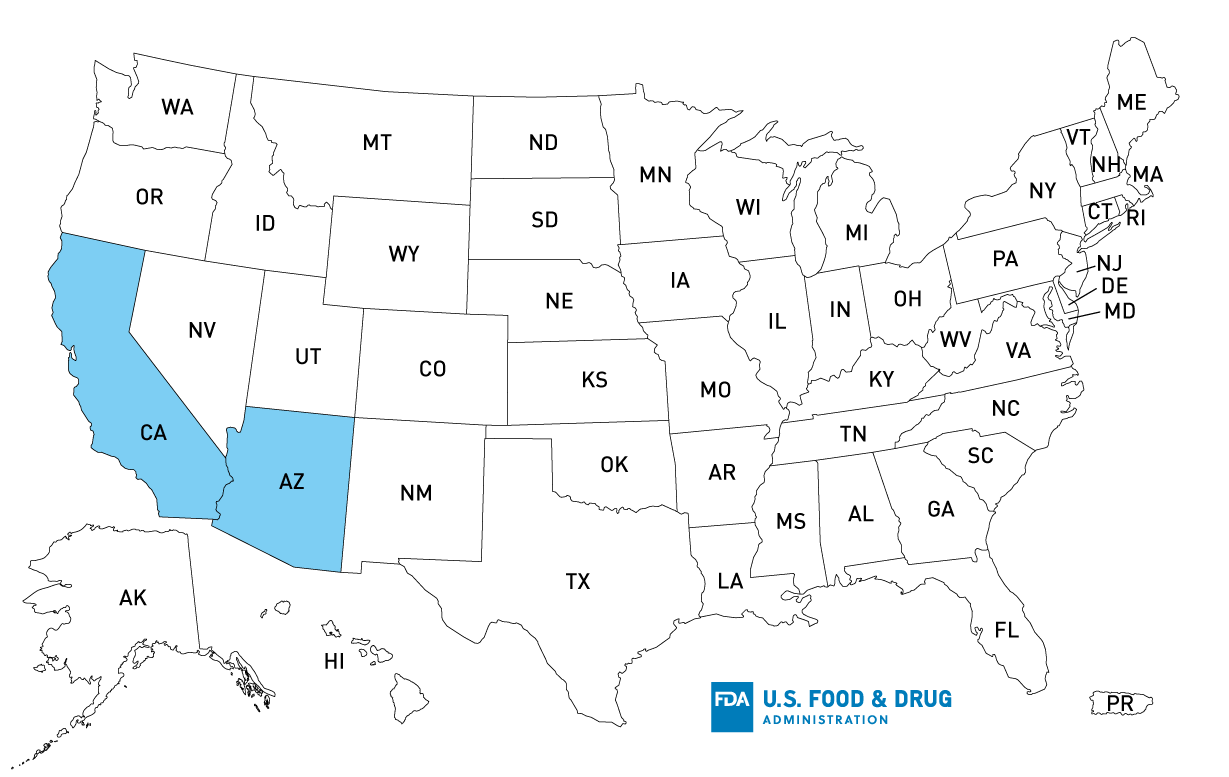
Map of U.S. Distribution

Map of U.S. Distribution

Case Count Map Provided by CDC

Salmon Outbreak of Salmonella - CDC Case Count Map as of October 19, 2022

Case Counts

Total Illnesses: 33
Hospitalizations: 13
Deaths: 0
Last illness onset: September 18, 2022
States with Cases: AZ (11), CA (21), IL (1)
Product Distribution*:  AZ, CA
*Distribution has been confirmed for states listed, but product could have been distributed further, reaching additional states

USA – FDA Core Outbreak Table

FDA

What’s New

  • For the outbreak of E. coli O121:H19 linked to Frozen Falafels (reference #1115), FDA has initiated traceback and sample collection and analysis.
  • For the outbreak of E. coli O157:H7 in an unidentified product (reference #1081), the FDA investigation has closed.
  • For the outbreak of Salmonella Senftenberg in an unidentified product (reference #1087), the case count has increased from 33 to 34 cases.
  • For the outbreak of Cyclospora cayetanensis in an unidentified product (reference #1084), the case count has increased from 42 to 43 case.

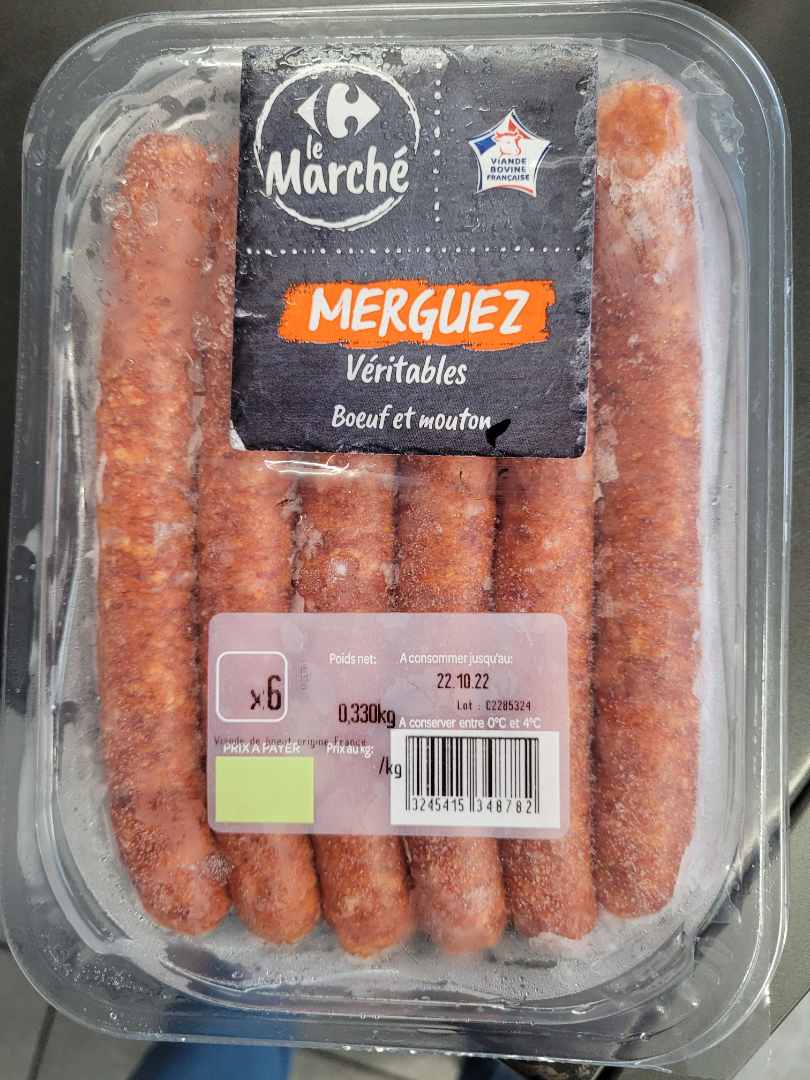
France – GENUINE MUTTON BEEF MERGUEZ x6 – Salmonella

Gov france

Identification information of the recalled product

  • Product category Feed
  • Product subcategory Meats
  • Product brand nameTHE CARREFOUR MARKET
  • Model names or references GENUINE SHEEP BEEF MERGUEZ x6 330G CARREFOUR
  • Identification of products
    GTIN Batch Date
    3245415348782 C2285324 Use-by date 22/10/2022
  • Packaging Tray x6 – 330g
  • Marketing start/end date From 13/10/2022 to 18/10/2022
  • Storage temperature Product to be stored in the refrigerator
  • Health mark EN 45.147.004 CE
  • Further information Only concerns products whose health stamp is: FR 45 147 004 CE
  • Geographic area of ​​sale Whole France
  • Distributors Crossroads

Practical information regarding the recall

  • Reason for recall Suspicion of the presence of Salmonella
  • Risks incurred by the consumer Salmonella spp (causative agent of salmonellosis)

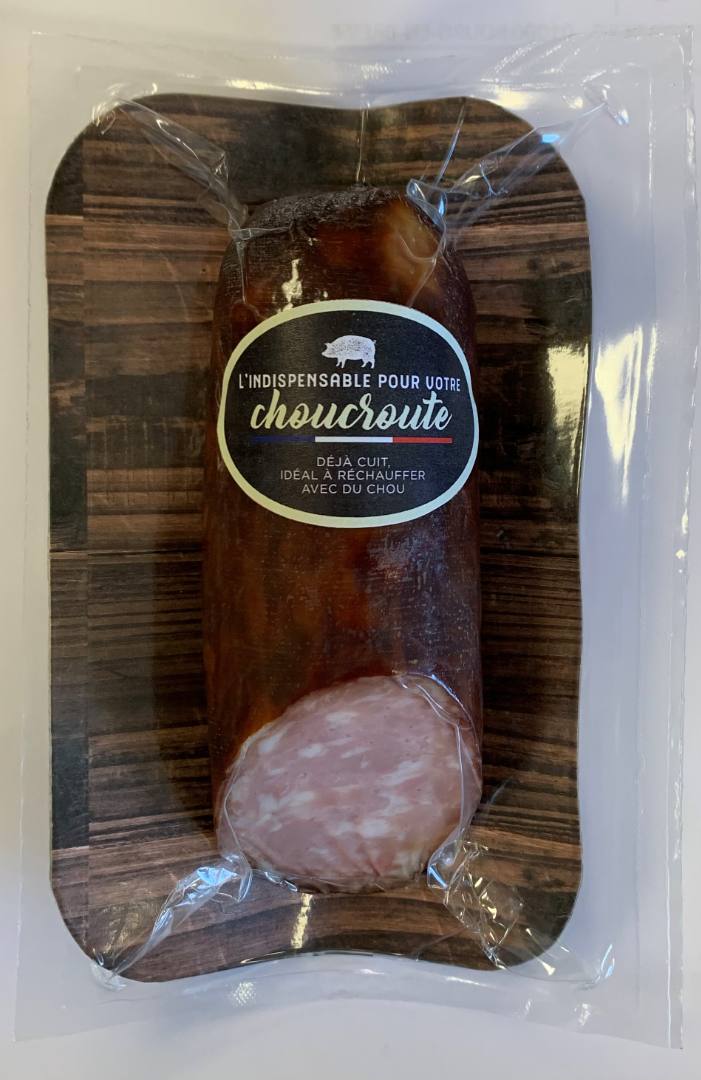
France – COOKED SAUSAGE WITH SMOKED GARLIC – Salmonella

Gov france

Identification information of the recalled product

  • Product category Feed
  • Product subcategory Meats
  • Product brand name Unbranded
  • Model names or references COOKED SAUSAGE WITH SMOKED GARLIC 210g
  • Identification of products
    GTIN Batch Date
    2488643000003 U271047 Use-by date 30/10/2022
    2488643000003 U271047 Use-by date 04/11/2022
  • PackagingVacuum packaging
  • Marketing start/end date From 05/10/2022 to 17/10/2022
  • Storage temperature Product to be stored in the refrigerator
  • Health mark EN 01.053.015 EC
  • Geographic area of ​​sale Whole France
  • Distributors see mailing list in pdf format
  • List of points of salemailing_list.pdf

Practical information regarding the recall

  • Reason for recall Detection of the presence of Salmonella
  • Risks incurred by the consumer Salmonella spp (causative agent of salmonellosis)

Research – USDA Releases Proposed Regulatory Framework to Reduce Salmonella Infections Linked to Poultry Products

FSIS USDA

The U.S. Department of Agriculture’s (USDA) Food Safety and Inspection Service (FSIS) today released a proposed regulatory framework for a new strategy to control Salmonella contamination in poultry products and reduce foodborne illnesses attributed to these products. The agency is hosting a virtual public meeting on Nov. 3, 2022, to seek input from stakeholders on the proposed framework.

The Centers for Disease Control and Prevention (CDC) estimates that Salmonella bacteria cause approximately 1.35 million human infections and 26,500 hospitalizations in the United States every year. Of those infections, over 23% are attributed to poultry consumption. Foodborne illness can have a devastating impact, both personally and financially, on people’s lives, the cost of which reverberates through the economy. Data from USDA’s Economic Research Service (ERS) show the total cost for foodborne Salmonella infections in the United States is a staggering $4.1 billion annually and the cost for the loss of productivity to the economy $88 million. These are real costs to real people that can and should be prevented.

“We know that Salmonella in poultry is a complex problem with no single solution,” said USDA Deputy Under Secretary Sandra Eskin. “However, we have identified a series of strategic actions FSIS could take that are likely to drive down Salmonella infections linked to poultry products consumption, and we are presenting those in this proposed framework.”

“This is a historic first step toward final product standards that are science-based, risk-based, enforceable, and effective at protecting our vulnerable loved ones,” said Amanda Craten, board member of STOP Foodborne Illness. “As a parent of a child who suffered from Salmonella illness and is left with permanent injury, I have advocated and engaged in the process to modernize poultry standards to ensure no child has to experience the devastation of a preventable, virulent Salmonella illness. I’m thankful that USDA is making the prevention of illnesses like my son Noah’s a priority.”

The proposed framework has been shaped by months of information-gathering and discussions with a wide range of stakeholders, researchers, and scientists. The proposed framework consists of three key components that, together, support a comprehensive approach to controlling Salmonella in poultry.

  • Requiring that incoming flocks be tested for Salmonella before entering an establishment;
  • Enhancing establishment process control monitoring and FSIS verification; and
  • Implementing an enforceable final product standard.

The framework under consideration also addresses cross-cutting issues of testing for Salmonella, the impact on small and very small establishments and data sharing.

Dr. Craig Hedberg, a professor at University of Minnesota School of Public Health and Co-Director of the Minnesota Integrated Food Safety Center of Excellence, agrees that this framework “is an important step towards moving away from hazard-based regulation toward risk-based regulation. Focusing on levels of Salmonella and highly virulent strains of Salmonella rather than just the presence or absence of Salmonella should reduce the number of illnesses associated with poultry.”

Dr. Angie Siemens, Vice President for Food Safety, Quality and Regulatory at Cargill, said, “In alignment with our strong commitment to food safety, Cargill supports the need to develop a public health risked based approach to assist in meeting the Healthy People 2030 Salmonella targets. We look forward to reviewing the FSIS Salmonella framework and engaging in a robust dialogue on this issue.”

FSIS is soliciting input on all aspects of the draft framework, related to the three components as well as the cross-cutting issues. An online copy of the proposed framework is available athttps://www.fsis.usda.gov/inspection/inspection-programs/inspection-poultry-products/reducing-salmonella-poultry/proposed.

Read Full Press Release

Netherlands – NVWA urges Salmonella focus in poultry despite bird flu problem

Food Safety News

Dutch authorities have stressed the need to keep a focus on Salmonella despite restrictions because of avian flu outbreaks.

Avian influenza, also known as bird flu, is causing a lot of concern among companies and within the poultry farming sector.

Efforts are being made to prevent further infections by taking steps such as limiting visitors in the yard and in stables as much as possible.