Category Archives: Pathogen

Research – Fighting Foodborne Pathogens with Natural Antimicrobials

Mirage News

The food industry has now started exploring natural alternatives for preserving food to reduce the dependency on chemical preservatives, some of which are linked to obesity and metabolic syndrome. Specifically, natural antimicrobials produced by plants and microorganisms like bacteria and fungi can kill food-borne pathogens like Salmonella Typhimurium, Escherichia coliListeria monocytogenes and Clostridium botulinum and also food spoilage bacteria like Brochothrix thermosphactaLactobacillus spp., Bacillus spp. and Weissella spp., among others. Foodborne pathogens and spoilage microbes pose a serious health concern for consumers and destroy the appearance, texture and sensory characteristics of the food, affecting the food industry and consumers alike.

USA – Food Poisoning Outbreak in McHenry County, IL at D. C. Cobb’s

Food Poisoning Bulletin

A food poisoning outbreak in McHenry County, Illinois at D. C. Cobb’s restaurant has sickened at least 13 people, according to the McHenry County Health Department. That restaurant is located at 1204 North Green Street in McHenry.

Food Poisoning Outbreak in McHenry County, IL at D. C. Cobb’s

A food poisoning outbreak in McHenry County, Illinois at D. C. Cobb’s restaurant has sickened at least 13 people, according to the McHenry County Health Department. That restaurant is located at 1204 North Green Street in McHenry.

The outbreak was identified when public health officials reviewed complaints of people who got sick after eating at that establishment. An investigation into the pathogen that caused these illnesses, and the possible source of the pathogen has been launched.

Research – Virulence Characteristics and Distribution of the Pathogen Listeria ivanovii in the Environment and in Food

MDPI

Listeria ivanovii and L. monocytogenes, are the only pathogenic species of the genus Listeria and share many virulence factors and mechanisms of pathogenicity. L. ivanovii shows host tropism towards small ruminants and rodents and much lower virulence for humans compared to L. monocytogenes. However, severe infections caused by L. ivanovii, resulting in bacteremia, abortion and stillbirth, occasionally occurred in immunocompromised persons and in pregnant women, while in immunocompetent hosts L. ivanovii can cause gastroenteritis. In this review, the updated knowledge on virulence aspects and distribution of L. ivanovii in the environment and in food is summarized. Recent research on its virulence characters at genome level gave indications on how pathogenicity evolved in this bacterial species. As for L. monocytogenesL. ivanovii infections occurred after the ingestion of contaminated food, so an overview of reports regarding its distribution in food products was carried out to obtain indications on the categories of foods exposed to contamination by L. ivanovii. It was found that a wide variety of food products can be a source of this microorganism and that, like L. monocytogenesL. ivanovii is able to persist in the food production environment. Studies on its ability to grow in enrichment and isolation media suggested that its occurrence in nature might be underestimated. Moreover, virulence varies among strains for differences in virulence character regulation, presence/absence of genetic regions and the possible instability of a Listeria pathogenicity genomic island, LIPI-2, which is unique to L. ivanovii. We can conclude that L. ivanovii, as a possible pathogen for animals and humans, requires more focused investigations regarding its occurrence in the environment and in food and on intra-species variability of pathogenic potential. View Full-Text

Research – Sporadic Occurrence of Enteroaggregative Shiga Toxin–Producing Escherichia coli O104:H4 Similar to 2011 Outbreak Strain

CDC

Abstract
We describe the recent detection of 3 Shiga toxin–producing enteroaggregative Escherichia coli O104:H4 isolates from patients and 1 from pork in the Netherlands that were genetically highly similar to isolates from the 2011 large-scale outbreak in Europe. Our findings stress the importance of safeguarding food supply production chains to prevent future outbreaks.

Shiga toxin–producing Escherichia coli (STEC) is a zoonotic pathogen that causes illness ranging from mild diarrhea to haemolytic uremic syndrome and death. During 2011, an exceptionally large outbreak caused by serotype O104:H4 STEC occurred in Europe, mainly in Germany and France, that was associated with sprouts grown from imported fenugreek seeds (1). Besides the ability to produce Shiga toxin, specifically stx2a, the strain had the genetic characteristics and phylogenetic backbone of an enteroaggregative E. coli (EAEC) pathotype (2) but lacked other classical STEC virulence markers eae and hlyA (3). In addition, the outbreak strain carried plasmid-borne blaCTX-M-15 and blaTEM-1 genes. The epidemiologic investigation revealed that a contaminated batch of fenugreek seeds imported into the European Union from Egypt was the most probable source of the pathogen causing the outbreak (4).

After the 2011 outbreak in Germany and France, only a few sporadic cases of infection with Shiga toxin–producing EAEC O104:H4 were reported, most related to travel to Turkey or North Africa (5–8). We describe the sporadic occurrence of Shiga toxin–producing EAEC O104:H4 isolates in the Netherlands, originating from 2 clinical cases from 2019 and 2020 and 1 food isolate from 2017. In addition, we report a clinical case from Austria in 2021.

Research – Pulsed light technology effectively kills harmful pathogens in new study

Science Daily

Novel food decontamination method inactivates pathogens like E. coli and Salmonella

A light-based, food sanitization technique successfully eliminated multiple harmful pathogens in a new study. The pulsed light technique shows promise as an effective alternative to the chemical, heat and water-based antimicrobial technologies commonly used in the food industry — and could be applicable more generally in sanitized environments such as hospitals, water treatment facilities and pharmaceutical plants, according to the researchers.

RASFF Alerts – Pathogens – Sausage

RASFF

Risk of pathogens in sausages in Germany and Denmark

Hong Kong – Pre-shucked Oysters for Raw Consumption – What Should One be Aware of?

cfs

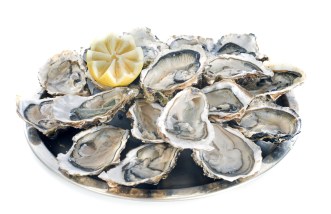
french oysters

Raw Oysters are High-risk Foods
Oysters are filter feeders. They constantly draw in water and accumulate materials from water, including pathogens such as Vibrio bacteria, norovirus and hepatitis A virus. These pathogens can infect people who eat oysters raw or undercooked. In addition, bacteria like Vibrio can continue to grow in oysters after harvesting if oysters are not maintained at low enough temperatures from harvest through to consumption. Food poisoning outbreaks related to raw oysters have been reported locally from time to time. Although the illness is usually mild and self-limiting, causing symptoms such as diarrhoea, abdominal cramps and vomiting, they can also cause severe health consequences especially for susceptible individuals.

Additional Risks in Shucked Oysters
Both physical and microbiological contamination are possible during the shucking of oysters. Physical removal of shellfish meat from the shell at the shucking table often exposes the product to dirt, mud and detritus. Shucked oysters should be rinsed or washed well to eliminate these contaminants and to reduce microbiological level of the products. Good hygiene practices should also be observed to minimise contamination from the workers and the working environment.

Before deshelling, oysters can stay alive even after long-haul shipping if kept under correct temperature and conditions. Once killed after shucking, raw oysters can deteriorate quickly if the temperature is not low enough to limit bacterial growth. Shucked oysters should be packed and chilled or frozen as soon as possible. Furthermore, an uninterrupted cold chain during transportation is critical to ensure safety and quality of the shellfish products.

Microbial Biofilms at Meat-Processing Plant as Possible Places of Bacteria Survival

MDPI

Biofilm of antibiotic resistant bacteria

Biofilm contamination in food production threatens food quality and safety, and causes bacterial infections. Study of food biofilms (BF) is of great importance. The taxonomic composition and structural organization of five foods BF taken in different workshops of a meat-processing plant (Moscow, RF) were studied. Samples were taken from the surface of technological equipment and premises. Metagenomic analysis showed both similarities in the presented microorganisms dominating in different samples, and unique families prevailing on certain objects were noted. The bacteria found belonged to 11 phyla (no archaea). The dominant ones were Actinobacteria, Bacteroidetes, Firmicutes, and Proteobacteria. The greatest diversity was in BFs taken from the cutting table of raw material. Biofilms’ bacteria may be the cause of meat, fish and dairy products spoilage possible representatives include Pseudomonas, Flavobacterium, Arcobacter, Vagococcus, Chryseobacterium, Carnobacterium, etc.). Opportunistic human and animal pathogens (possible representatives include Arcobacter, Corynebacterium, Kocuria, etc.) were also found. Electron-microscopic studies of BF thin sections revealed the following: (1) the diversity of cell morphotypes specific to multispecies BFs; (2) morphological similarity of cells in BFs from different samples, micro-colonial growth; (3) age heterogeneity of cells within the same microcolony (vegetative and autolyzed cells, resting forms); (4) heterogeneity of the polymer matrix chemical nature according to ruthenium red staining.

Research – Reclaimed wastewater in agriculture: health risk from pathogens on fruit and vegetables?

BFR

German Federal Institute for Risk Assessment (BfR) advises against irrigation in certain cases

In Germany, fresh produce intended to be eaten raw that grow close to the ground, such as lettuce, carrots, strawberries or fresh herbs, should not be irrigated with reclaimed wastewater. The German Federal Institute for Risk Assessment (BfR) advises against this, particularly with regard to pathogenic viruses and parasites that can get onto or into the plants via this route. Current data are still insufficient for a conclusive risk assessment. However, there is evidence that certain viruses and single-celled parasites (protozoa) can defy environmental influences and cause diseases via raw fruit and vegetables. “Reclaimed wastewater in agriculture poses a new challenge to food safety,” says BfR President Professor Dr Dr Andreas Hensel. “In order to reduce pathogens as much as possible, we need very good treatment and detection methods.”

Climate change, unpredictable weather patterns and droughts are depleting water resources in Germany and Europe. To counteract this, Regulation (EU) 2020/741 sets minimum requirements for the use of reclaimed wastewater for agricultural irrigation. The EU regulation for water reuse applies from June 26, 2023 and is intended to protect the environment and human and animal health. The BfR has assessed possible health risks from the use of reclaimed wastewater for the irrigation of plant-based foodstuffs with regard to selected pathogenic viruses and protozoa. Particular attention was paid to fruit and vegetables that can be eaten raw, in which any pathogens that may be present are not reduced or killed by heating.

On the basis of available data, the BfR recommends not using reclaimed wastewater to irrigate plants, whose parts intended for raw consumption are growing close to or in the ground. This applies until suitable treatment processes and controls can ensure that the irrigation water does not contain pathogens, especially human-pathogenic viruses or protozoa. Because according to the current state of knowledge, pathogens can get onto or into the edible parts of the plants via all of the irrigation systems considered (subsurface drip irrigation, drip irrigation, furrow irrigation, sprinkler system, hydroponic culture) and cause illness in humans when consumed raw. Depending on the type of pathogen and the state of health of the person affected, the health impairment may vary; severe illnesses are possible in risk groups. Further research is required with regard to the suitability of methods for inactivating or reducing pathogens during wastewater treatment.

In the opinion of the BfR, plants whose raw edible fraction grows far from the soil, for example vineyards and fruit trees, can be irrigated with reclaimed wastewater of quality class A or B, provided that direct contact of the raw edible fraction with the reclaimed wastewater (by selecting a suitable irrigation system) and the irrigated soil is excluded. Since the viruses and protozoa under consideration are heat-sensitive, no adverse health effects due to pathogens in the reclaimed wastewater are to be expected for plant foods that are sufficiently heated before consumption.

Research – Dangerous pathogens lurk in wet areas

Science Daily

Hospitals and homes are havens for germs and disease — but a well-regulated hot water system can prevent the spread of waterborne pathogens, including an emerging infectious disease problem from ‘superbugs’ which can be resistant to most antibiotics.

However, Flinders University experts warn that some drinking water treatment methods may be ineffective against some waterborne pathogens that pose a threat to immune-compromised individuals — and point-of-use devices such as taps and showerheads may create havens for these microorganisms to grow.

The elderly, newborns and those with compromised immune systems are especially vulnerable to waterborne infections. Numbers are rising of people with conditions such as advanced age, cancer and immunodeficiency issues who may be more at risk of ‘opportunistic premise plumbing pathogens’ (OPPP) infection.

Regular changes to tap and outlet filters, hot water service maintenance checks (for heat and pressure) and effective cleaning of shower and tap faucets are recommended for immune-compromised patients receiving healthcare at home or post-surgical management.

Healthcare at home has emerged as an alternative to extensive inpatient hospital stays — especially through the COVID-19 pandemic, to reduce the burden on the healthcare system and to support those with potential long term respiratory side effects.

“These measures can help reduce the risk of waterborne infections in home care, along with quality treatments of mains water to provide safe drinking water,” says lead researcher Claire Hayward, from Flinders University’s College of Science and Engineering.

A new study published in the journal Current Opinion in Infectious Diseases, by environmental health experts at Flinders University, found evidence of hospital water as a source of potential infection and even antimicrobial and multidrug resistant organisms.

“Biofilms formed on taps, showers, drains and other outlets provide an ideal niche to harbour these dangerous antibiotic resistant pathogens originating from the supply water or the human microbiota from washing contaminated hands,” says Ms Hayward.

OPPP infections such as Legionella pneumophila, Pseudomonas aeruginosa and Mycobacterium avium are a group of waterborne pathogens that are slowly receiving increased public health attention in infection control guidelines.

“However, drinking water as a source of healthcare-associated infections continues to be overlooked or underestimated in this monitoring,” Ms Hayward says.

The OPPP waterborne pathogens can be disinfectant resistant and persist in refuges with low nutrients, then form biofilms capable of supporting other clinically relevant pathogens such as Staphylococcus aureus, Enterobacteriaceae, Klebsiella pneumoniae and Escherichia coli.  

Once these biofilms are established on plumbing surfaces, there are many ways for contamination and transmission. The design of outlet devices that result in splashing and aerosolising of water can also increase the risk of contaminating nearby areas.

“The rise of these resistant pathogens has been identified by the World Health Organization and US Centers for Disease Control and Prevention as one of the most significant threats to global public health,” says research co-author, Flinders University microbiology expert Professor Melissa Brown.

“While the COVID-19 pandemic has increased the use of disinfectants and sanitisers, particularly in healthcare facilities, these antiseptic soaps do not tackle what’s going on behind the scenes in the water supply pipes and faucets,” she says.

The researchers recommend broad, universal surveillance guidelines to understand the role of drinking water and water-related devices to reduce healthcare associated infections and the rise of possible antimicrobial resistance that poses a threat to at risk individuals in residential and healthcare settings.