Archives
-
Join 346 other subscribers
KSWFoodWorld
Blog Stats
- 448,178 Views
Category Archives: Microbiology Risk
Research – Special Issue: Beneficial Properties and Safety of Lactic Acid Bacteria
The application of LAB in various sectors, including in the biotechnical and food industry, in human and veterinary practice, and in health-promoting practices and cosmetics, has been the subject of intensive research across the globe, with a range of traditional and innovative methods currently being explored. The rediscovery of old practices, the establishment of new processes based on the production and application of different metabolites produced by LAB, and the formation of novel perspectives on the fermentation processes initiated by LAB, have become areas of significant interest in recent years. Various antimicrobial peptides, including bacteriocins, have been proposed as alternatives to antibiotics or have been suggested for use as their synergistic “partners”. The application field of probiotics is being widened to encompass new innovative areas that are targeted towards personalized practice, with the aim of improving human health. An increasingly extensive understanding of bioactive peptides has heralded their application in practices that are alternative or complementary to Western medicine. Approaches to bio-preservation require fewer chemical preservatives and are, currently, thoroughly explored in food research. The enrichment and fortification of food products with biologically active metabolites, including vitamins, antimicrobials, and immunomodulators, are only some of the research areas that ought to be explored as options for the application of various LAB in the food industry.
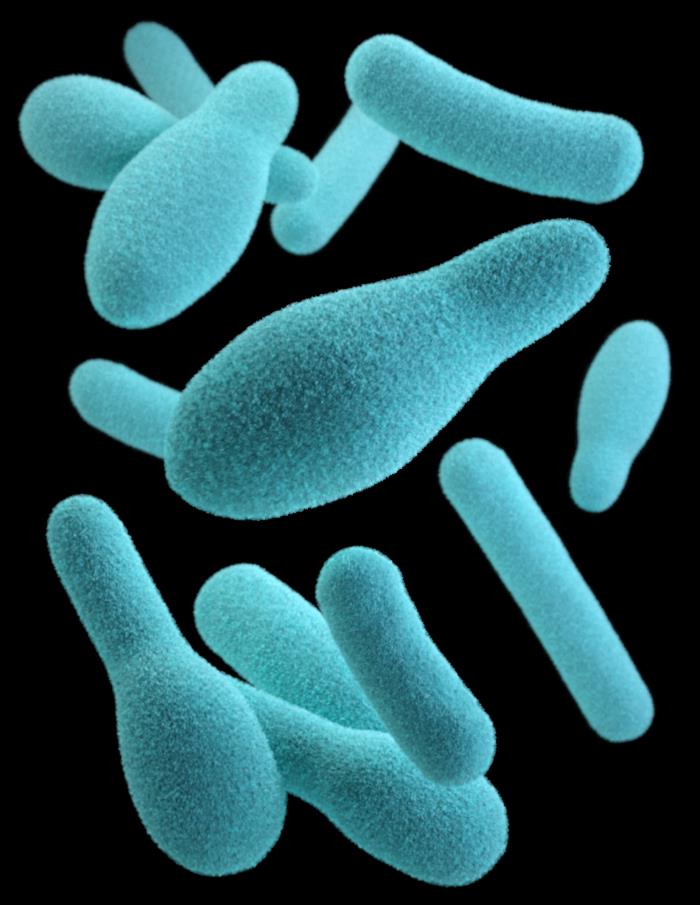
The concepts associated with the beneficial properties and safety of LAB have been, and always need to be, jointly explored. Even if several LAB strains have been applied historically as safe and beneficial cultures, various other representatives of LAB have been documented as human and animal pathogens, as phytopathogens, and as also including strains associated with spoilage and deterioration [1]. LAB represent a universe of varied microorganisms, with all of them characterized as Gram-positive, catalase negative, as possessing a common metabolism and as initiating the formation of a similar end product (lactic acid) as a result of carbohydrate fermentation [2]. As a diverse group of microorganisms, they are adapted to various ecosystems and environmental conditions, and can grow at different temperatures and use a variety of carbon sources [1,2]. They are associated with virtually all living forms, from simple eukaryotic organisms and plant material, to the skin and GIT of vertebrates, insects, mollusks, crustaceans, etc. They may be described as either beneficial or as pathogens, but they always possess a clear ecological role in numerous life cycles [2]. Of particular note are species such as Enterococcus spp., some of which are unmistakably opportunistic pathogens and, when associated with vancomycin resistance, pose a serious health threat to humans and to animals [3]; these pathogens are typically associated with nosocomial infections [3]. Simultaneously, however, LAB also comprise species that play a beneficial role in the production of various plants, dairy and meat fermented food products [4], or even as probiotics [5]. It has been suggested that enterococci are producers of bacteriocins, some of which can be applied in the control of food-borne and hospital-associated (human and veterinary) pathogens [6]. However, before proposing a strain, even one belonging to a species with a history of safe application, its safety properties must be appropriately evaluated; this is a necessary and essential step that must be completed prior to its application in food fermentation, as a probiotic for human and animals, in human and veterinary medicine, or in agricultural practices. The novel tools utilized in the evaluation of the safety of microbial cultures, including DNA-associated experimental approaches, have become routine in the last two decades. Considering this, the validation of safety, both of new microbial and currently applied cultures, is now considered essential. In addition to “classical” PCR-based approaches, whole genome sequencing and the appropriate analysis of the generated data have become routine in the evaluation of the safety profile of microbial cultures [7,8,9].
Posted in Food Microbiology Blog, Food Microbiology Research, Food Microbiology Testing, LAB, lactic acid bacteria, Lactobacillus, Lactobacillus casei, Lactobacillus plantarum, Lactobacillus rhamnosus, Lactobacillus sakei, Lactobacillus saki, Lactococcus, microbial contamination, Microbial growth, Microbiological Risk Assessment, Microbiology, Microbiology Investigations, Microbiology Risk
Research – Aflatoxins contamination in raw and roasted cashew nuts in Mtwara, Tanzania
African Journal of Microbiology
Abstract
The aim of this work was to determine the contamination levels of raw and roasted cashew nuts sold in Masasi and Newala districts of Mtwara region in Tanzania. A total of 60 samples including 40 roasted (24 samples from Newala and 16 from Masasi) and 20 raw samples (12 from Newala and 8 from Masasi) were collected. Determination of total aflatoxins levels in raw and roasted cashew nuts samples was carried out by immune affinity high performance liquid chromatography (HPLC). The levels of contamination ranged from not detected (less than limit of quantification) to 3.29 µg/kg for both aflatoxin B1 and total aflatoxin in the cashew nuts samples. None of the samples had total aflatoxins contamination greater than the recommended maximum residues of 4 µg/kg set by European Commission (2010) or 10 µg/kg set by FAO and WHO (1995). About a quarter (38%) of the samples had total aflatoxins less than limit of quantification. All roasted cashew nut samples were found to have total aflatoxins less than 3 µg/kg while about 86% of raw cashew nut samples had total aflatoxins less than 3 µg/kg
Posted in Aflatoxin, Aflatoxin B1, Aspergillus Toxin, Decontamination Microbial, Food Micro Blog, Food Microbiology, Food Microbiology Blog, Food Microbiology Research, Food Microbiology Testing, Food Toxin, microbial contamination, Microbial growth, Microbiological Risk Assessment, Microbiology, Microbiology Investigations, Microbiology Risk, Mold Toxin, Mould Toxin, Mycotoxin
Research – Detection of Clostridium botulinum in Some Egyptian Fish Products, Its Control In Vitro Using Citrus Leaves Extracts, and Applicability of Citrus limon Leaf Extract in Tuna
Abstract
This study aims to detect Clostridium botulinum and its control using natural leaf extracts of Citrus limon, Citrus sinensis, and Citrus unshiu in Egyptian fish products, e.g., canned tuna, canned sardine, canned mackerel, fesikh, moloha, and renga, as well the application of C. limon in tuna. Moreover, the antibacterial activity of the C. limon leaf extract was also estimated. In the water extract, ascorbic acid, total flavonoid content (TFC), and total phenolic content (TPC) were determined by volumetric, aluminum chloride, and Folin–Ciocalteu approaches, respectively. The antioxidant ability of the extract was analyzed in vitro via free radical scavenging (DPPH) and Ferric reducing assays. The results showed variability in the distribution of the total number of positive C. botulinum in fish samples from three different governorates under study, which were (24) Alexandria, (16) Beheira, and (17) Gharbia, out of the 120 tested samples in each governorate. Additionally, the findings revealed that all three Citrus extracts contain an appropriate number of secondary metabolites, with a sustainable presence of saponin and tannins in the C. limon extract. Furthermore, all Citrus extracts inhibited bacterial growth by increasing the inhibition zone, with C. limon being the best extract (25 mm) compared to C. sinensis and C. unshiu. The overall results showed the high antioxidant and anti-Clostridium powers (p < 0.05) of C. limon leaf extract, indicating its preservative activity in fishery products during storage. Finally, C. limon leaf extract can fight off C. botulinum and is considered a promising natural preservation candidate in ensuring safe and fresh fishery products.
Posted in Clostridium, Clostridium botulinum, Decontamination Microbial, Food Micro Blog, Food Microbiology, Food Microbiology Blog, Food Microbiology Research, Food Microbiology Testing, microbial contamination, Microbial growth, Microbiological Risk Assessment, Microbiology, Microbiology Investigations, Microbiology Risk, Sulphite Reducing Clostridia
Research – Monitoring Growth and Removal of Pseudomonas Biofilms on Cellulose-Based Fabrics
Abstract
Biofilms are often tolerant towards routine cleaning and disinfection processes. As they can grow on fabrics in household or healthcare settings, resulting in odors and serious health problems, it is necessary to contain biofilms through eradication strategies. The current study proposes a novel test model for the growth and removal of biofilms on textiles with Pseudomonas fluorescens and the opportunistic nosocomial pathogen Pseudomonas aeruginosa as model organisms. To assess the biofilm removal on fabrics, (1) a detergent-based, (2) enzyme-based, and (3) combined formulation of both detergent and enzymes (F1/2) were applied. Biofilms were analyzed microscopically (FE-SEM, SEM, 3D laser scanning- and epifluorescence microscopy), via a quartz crystal microbalance with mass dissipation monitoring (QCM-D) as well as plate counting of colonies. This study indicated that Pseudomonas spp. form robust biofilms on woven cellulose that can be efficiently removed via F1/2, proven by a significant reduction (p < 0.001) of viable bacteria in biofilms. Moreover, microscopic analysis indicated a disruption and almost complete removal of the biofilms after F1/2 treatment. QCM-D measurements further confirmed a maximal mass dissipation change after applying F1/2. The combination strategy applying both enzymes and detergent is a promising antibiofilm approach to remove bacteria from fabrics.
Research – Extensive literature searches on bromine and Ochratoxin A in feed
Two Extensive Literature Searches (ELSs) by using PubMed, Web of Science (WoS) and SciFinder for relevant studies on Ochratoxin A (OTA) and bromine, bromate and bromide (BRs) in feed were performed. Search queries allowed to obtain a total number of 8,953 and 34,183 references for OTA and BRs, respectively. The relevance analysis of the documents was performed by screening titles and abstracts against inclusion and exclusion criteria. Relevant references accounted in each Area, for OTA and BRs, were respectively: Area 1 (Information on analytical techniques for quantification) 117 and 117 documents, respectively; Area 2 (Information on occurrence/concentrations and formation) 176 and 176 documents, respectively; Area 3 (Information on exposure of farm and companion animals) 31 and 3 documents, respectively; Area 4 (Information on toxicokinetics (absorption, distribution, metabolism, excretion) in farm and companion animals) 37 and 8 documents, respectively; Area 5 (Information on toxicity of OTA/BRs in farm and companion animals) 249 and 23 documents, respectively; Area 6 (Information on the transfer of OTA/BRs from feed to animal derived food) 18 and 4 documents. A total number of 618 and 100 relevant non‐redundant documents was found for OTA and BRs, respectively. Those results were obtained after the full text analysis of all the document previously labelled as relevant.
Posted in Animal Feed, Animal Feed Mould Toxin, Animal Feed Testing, Aspergillus Toxin, Decontamination Microbial, Food Micro Blog, Food Microbiology Blog, Food Toxin, microbial contamination, Microbial growth, Microbiological Risk Assessment, Microbiology, Microbiology Investigations, Microbiology Risk, Mold Toxin, Mould Toxin, Mycotoxin, Ochratoxin, Ochratoxin A
Research – Contribution of MALDI-TOF-MS-based principal component analysis for distinguishing foodborne pathogens
Abstract
Foodborne diseases are important to determine bacteria in strain level, which are analyzed by library-based devices and bioinformatics-enabled. The aim of this study was to investigate the contribution of principal component analysis (PCA) with matrix-assisted laser desorption ionization time-of-flight mass spectrometry (MALDI-TOF-MS) to distinguish according to the differences of bacterial strains as rapidly screening of foodborne bacteria. The MALDI-TOF-MS-based PCA analysis was used for differentiating bacterial strains isolated from ready-to-eat foods. According to the results of PCA analysis, the percentages of distance and proximity between species were evaluated by composite correlation indexes (CCI). Bacillus cereus were detected in burghul salad (BC1) and macaroni salad (BC2) taken from the SB2-snack bar, and the similarity rate was determined as 97%. Three other B. cereus bacteria (BC3, BC4, and BC5) in the same cluster were also isolated from salads collected from SB4-snack bar. The similarity of Klebsiella pneumoniae bacteria, which have the codes KP1 and KP2, isolated from macaroni salad and burghul salad taken from the SB2 snack bar respectively were 96%. Additionally, the CCI values of two E. coli strains in burghul (EC1) salad and Russian salad (EC2) in the same sampling point (SB1) were determined as 97%. In conclusion, this analysis with MALDI-TOF-MS based PCA has revealed the relationships between bacteria genera and species, beyond just the identification of bacteria and the rapid screening of bacteria in perishable foodstuffs. Similarities between bacterial strains identified for different samples from the same sampling point suggested that there were not adequate hygiene rules and storage requirements were not followed.
Posted in Bacillus cereus, Decontamination Microbial, E.coli, Food Micro Blog, Food Microbiology, Food Microbiology Blog, Food Microbiology Research, Food Microbiology Testing, Food Pathogen, Klebsiella, Malditof, microbial contamination, Microbial growth, Microbiological Risk Assessment, Microbiology, Microbiology Investigations, Microbiology Risk, Pathogen, pathogenic
Research – Rare Recombinant GI.5[P4] Norovirus That Caused a Large Foodborne Outbreak of Gastroenteritis in a Hotel in Spain in 2021 – Food Handler
Noroviruses are among the most important causes of acute gastroenteritis (AGE). In summer 2021, a large outbreak of norovirus infections affecting 163 patients, including 15 norovirus-confirmed food handlers, occurred in a hotel in Murcia in southeast Spain. A rare GI.5[P4] norovirus strain was identified as the cause of the outbreak.
The epidemiological investigation determined that norovirus transmission might have been initiated through an infected food handler. The food safety inspection found that some symptomatic food handlers continued working during illness. Molecular investigation with whole-genome and ORF1 sequencing provided enhanced genetic discrimination over ORF2 sequencing alone and enabled differentiation of the GI.5[P4] strains into separate subclusters, suggesting different chains of transmission. These recombinant viruses have been identified circulating globally over the last 5 years, warranting further global surveillance.
IMPORTANCE Due to the large genetic diversity of noroviruses, it is important to enhance the discriminatory power of typing techniques to differentiate strains when investigating outbreaks and elucidating transmission chains. This study highlights the importance of (i) using whole-genome sequencing to ensure genetic differentiation of GI noroviruses to track chains of transmission during outbreak investigations and (ii) the adherence of symptomatic food handlers to work exclusion rules and strict hand hygiene practices. To our knowledge, this study provides the first full-length genome sequences of GI.5[P4] strains apart from the prototype strain.
Posted in Decontamination Microbial, food bourne outbreak, food handler, Food Micro Blog, Food Microbiology, Food Microbiology Blog, Food Microbiology Research, Food Microbiology Testing, foodborne outbreak, foodbourne outbreak, Hand Washing, Hepatitis A, microbial contamination, Microbial growth, Microbiological Risk Assessment, Microbiology, Microbiology Investigations, Microbiology Risk, outbreak
St Kitts and Nevis updates guidance on acute gastro outbreak – Norovirus
St Kitts and Nevis has once again addressed the issue of acute gastroenteritis on island.
The St Kitts and Nevis Information Service (SKNIS) says according to a report from the Chief Medical Officer, over the past few weeks several children and adults in the Federation have been diagnosed with acute gastroenteritis (AGE).
It notes this outbreak of AGE is not unique to St Kitts and Nevis, and that a similar trend is observed in several CARICOM member states.
It is reported the Caribbean Public Health Agency (CARPHA) has noted a multi-country increase in reported cases of AGE in children and adults and based on epidemiological information, the most likely cause of this AGE multi-country outbreak is Norovirus.
Norovirus was confirmed on more than one of the cruise ships travelling in the Caribbean and the UK Health Security Agency reports a sharp increase in confirmed cases of norovirus in recent weeks.
Norovirus can only be confirmed through laboratory testing.
Samples were sent off to CARPHA for analysis on Monday, March 27, 2023.
Posted in food bourne outbreak, Food Illness, Food Micro Blog, Food Microbiology Blog, Foodborne Illness, foodborne outbreak, foodbourne outbreak, Illness, microbial contamination, Microbial growth, Microbiological Risk Assessment, Microbiology, Microbiology Investigations, Microbiology Risk, Norovirus, outbreak
Norway pushes for an exemption to EU egg shelf life rules
Norway is hoping for an exemption to European rules on shelf-life labeling of eggs, partly because of its good Salmonella record.
In December 2022, an EU regulation entered into force that extended the period eggs can be sold to the consumer to 28 days after laying by hens. However, another change moved a provision on the best-before date for table eggs to hygiene regulations, which are part of the EEA agreement. Norway is part of the European Economic Area (EEA) but is not an EU member state. As the rule didn’t previously cover Norway, the country uses an egg shelf life of 35 days after laying.
Two ministries in Norway believe the 28-day maximum shelf life rule is justified for public health reasons in many EU member states due to the occurrence of Salmonella in eggs. However, in Norway, there is a very low incidence of Salmonella in eggs.
Posted in Decontamination Microbial, Food Micro Blog, Food Microbiology, Food Microbiology Blog, Food Microbiology Research, Food Microbiology Testing, microbial contamination, Microbial growth, Microbiological Risk Assessment, Microbiology, Microbiology Investigations, Microbiology Risk, Salmonella, Salmonella in Eggs
USA – Listeria Outbreak Linked to Deli Meat and Cheese
This outbreak is over. Even when there are no ongoing Listeria outbreaks, people who are pregnant, aged 65 or older, or have a weakened immune system should reheat deli meat and deli-sliced cheese to an internal temperature of 165°F or until steaming hot to kill any germs.
Fast Facts
- Illnesses: 16
- Hospitalizations: 13
- Deaths: 1
- States: 6
- Recall: No
- Investigation status: Closed

Listeria in Deli Meat and Deli-Sliced Cheese
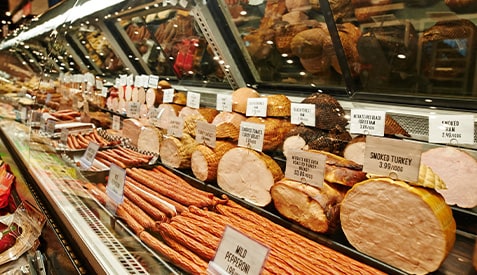
Deli meats (cold cuts, lunch meats, hot dogs, and pâtés) and deli-sliced cheeses are known sources of Listeria illnesses. This is because Listeria can easily spread among food, food preparation surfaces like deli slicers, and hands. Listeria is a hardy germ that can be difficult to fully remove once it is present in a deli or a food processing facility. It can survive and grow at cold temperatures in a refrigerator.
Outbreak Investigation Summary
Data showed that deli meat and cheese bought at deli counters in multiple states were the likely sources of this outbreak.
- Of 12 people interviewed, 11 reported eating meat or cheese from deli counters.
- The outbreak strain of Listeria was found in open packages of mortadella, ham, and salami sliced at the deli, as well as a deli in Brooklyn, New York.
A single deli or food source was not identified. It is difficult for investigators to identify the specific source of outbreaks linked to deli meats and cheeses. This is because Listeria spreads easily between food and the deli environment, and it can live for a long time in deli display cases and on equipment. A contaminated food likely introduced the outbreak strain of Listeria into delis in multiple states.
Posted in CDC, Death, Decontamination Microbial, food bourne outbreak, food death, Food Illness, Food Micro Blog, Food Microbiology, Food Microbiology Blog, Food Microbiology Research, Food Microbiology Testing, Foodborne Illness, Foodborne Illness Death, foodborne outbreak, foodbourne outbreak, Illness, Listeria, Listeria monocytogenes, microbial contamination, Microbial growth, Microbiological Risk Assessment, Microbiology, Microbiology Investigations, Microbiology Risk, outbreak