Category Archives: foodbourne outbreak

USA – Salmonella Outbreak Linked to Italian-Style Meats – The Outbreak is Over

CDC

Cold smoked meat plate with pork chops, prosciutto, salami and bread sticks

Recalled Food

Fratelli Beretta brand prepackaged Uncured Antipasto trays

  • “Fratelli Beretta Uncured Antipasto prosciutto, soppressata, Milano salami, & coppa” 24-oz trays containing two 12-oz packages with “best by” dates on or before February 11, 2022 (UPC code 073541305316)

Products have the establishment number “EST. 7543B” inside the U.S. Department of Agriculture’s mark of inspection. See recall noticeexternal icon for more details.

Additionally, CDC continues to advise people not to eat any Fratelli Beretta brand Uncured Antipasto trays with “best by” dates on or before February 11, 2022.

What You Should Do

Check your fridge for recalled products or any other Fratelli Beretta brand Uncured Antipasto trays with “best by” dates on or before February 11, 2022. If you have any left:

  • Do not eat or cook them.
  • Throw them away or return them to where you bought them.
  • Wash surfaces and containers that may have touched the recalled product using hot soapy water or a dishwasher.

Always follow these four food safety steps to prevent getting sick from Salmonella: 

  • Clean: Wash your hands, utensils, and surfaces often.
  • Separate: Keep food that won’t be cooked separate from raw meat, poultry, and seafood.
  • Cook: Use a food thermometer to make sure you have cooked your food to a temperature high enough to kill germs.
  • Chill: Refrigerate perishable food (food that goes bad) within 2 hours. If the food is exposed to temperatures above 90°F (like a hot car or picnic), refrigerate it within 1 hour. Thaw food in the refrigerator, not on the counter.

Fast Facts

  • Illnesses: 40
  • Hospitalizations: 12
  • Deaths: 0
  • States: 17
  • Recall: Yes
  • Investigation status: Closed

USA – Salmonella Outbreak Linked to Salami Sticks

CDC

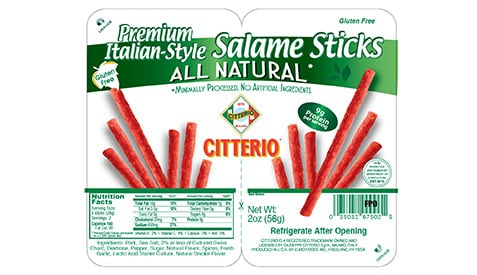
Do not eat, sell, or serve Citterio brand Premium Italian-Style Salame Sticks. They were sold at Trader Joe’s and Wegmans and may be sold at other grocery stores. This outbreak is especially concerning because most of the sick people are younger than 18.

Salami stick packaging


Fast Facts

  • Illnesses: 21  (1 new)
  • Hospitalizations: 6  (3 new)
  • Deaths: 0
  • States: 8
  • Recall: No
  • Investigation status: Active

Contaminated Food

Citterio brand Premium Italian-Style Salame Sticks

  • Sold at Trader Joe’s and Wegmans
  • May be sold at other stores

Fifteen people were interviewed about foods they ate before getting sick, and fourteen (93%) reported eating or maybe eating this product. Investigators are still working to determine if additional products may be contaminated.What You Should Do

  • Do not eat Citterio brand Premium Italian-Style Salame Sticks with any best-by date. Throw them away.
  • Wash items and containers that may have touched the product using hot soapy water or a dishwasher.
  • Call your healthcare provider if you have any of these severe Salmonella symptoms:
    • Diarrhea and a fever higher than 102°F
    • Diarrhea for more than 3 days that is not improving
    • Bloody diarrhea
    • So much vomiting that you cannot keep liquids down
    • Signs of dehydration, such as:
      • Not peeing much
      • Dry mouth and throat
      • Feeling dizzy when standing up

What Businesses Should Do

  • Do not sell or serve Citterio brand Premium Italian-Style Salame Sticks.
  • Wash and sanitize items and surfaces that may have come in contact with the product.

Symptoms of Salmonella

  • Most people infected with Salmonella experience diarrhea, fever, and stomach cramps.
    • Symptoms usually start 6 hours to 6 days after swallowing the bacteria.
    • Most people recover without treatment after 4 to 7 days.
  • Some people—especially children younger than 5 years, adults 65 years and older, and people with weakened immune systems—may experience more severe illnesses that require medical treatment or hospitalization.
  • For more information about Salmonella, see the Salmonella Questions and Answers page.

UK – Listeriosis associated with pre-prepared sandwich consumption in hospital in England, 2017

Cambridge Org

A case of listeriosis occurred in a hospitalised patient in England in July 2017. Analysis by whole genome sequencing of the Listeria monocytogenes from the patient’s blood culture was identified as clonal complex (CC) 121. This culture was indistinguishable to isolates from sandwiches, salads and the maufacturing environment of Company X which supplied these products widely to the National Health Service. Whilst an inpatient, the case was served sandwiches produced by this company on 12 occasions. No other cases infected by this type were detected in the UK between 2016 and 2020. Between 2016 and 2020, more than 3000 samples of food, food ingredients and environmental swabs from this company were tested. Listeria monocytogenes contamination rates declined after July 2017 from 31% to 0.3% for salads and 3% to 0% for sandwiches. A monophyletic group of 127 L. monocytogenes CC121 isolates was recovered during 2016–2019 and was used to estimate the time of the most recent common ancestor as 2014 (95% CI of between 2012 and 2016). These results represent persistent contamination of equipment, food contact surfaces and foods at a food manufacturer by a single L. monocytogenes strain. Colonisation and persistent contamination of food and production environments are risks for public health.

USA – Reports of Active Salmonella Outbreak Investigations

CDC

kswfoodworld Salmonella

Outbreak Investigations Linked to Food

Outbreak Investigations Linked to Animals

Other Outbreaks

Canada – Updated Food Recall Warning – Dorsey brand, MVP brand, Pier-C brand, and Riga Farms brand Onions, Product of Mexico recalled due to Salmonella

CFIA

Recall details

Ottawa, October 28, 2021 – The food recall warning issued on October 27, 2021 has been updated to include additional product information. This additional information was identified during the Canadian Food Inspection Agency’s (CFIA) food safety investigation.

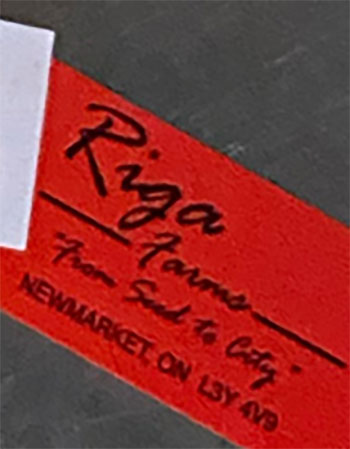
Industry is recalling Dorsey brand, MVP brand, Pier-C brand, and Riga Farms brand Onions, Product of Mexico from the marketplace due to possible Salmonella contamination. Consumers should not consume the recalled products described below or foods containing these raw onions. Retailers, distributors, manufacturers, and food service establishments such as hotels, restaurants, cafeterias, hospitals, and nursing homes should not serve, use, or sell the recalled products described below.

The following products have been sold in Ontario, Quebec, Nova Scotia, and may have been distributed in other provinces and territories.

These products may also have been sold in bulk or in smaller packages with or without a label and may not bear the same brand or product names as described below. The CFIA will continue its investigation into other possible importers and additional recalls may follow.

Recalled product

Brand Product Size UPC Codes Additional information
Dorsey Yellow Onions Mesh sacks:
10 lb / 4.54 kg
0 33383 45093 3 None – all products sold between July 7, 2021 and October 28, 2021, inclusively. Product of Mexico
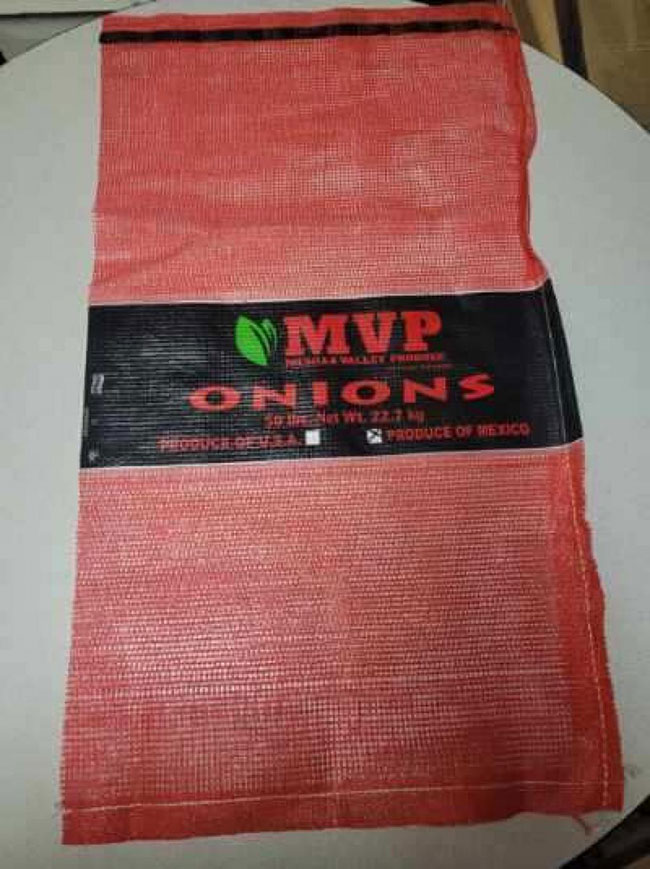
MVP Yellow Onions 50 lb / 22.7 kg None DN607
DP050
DP387
Produce of Mexico
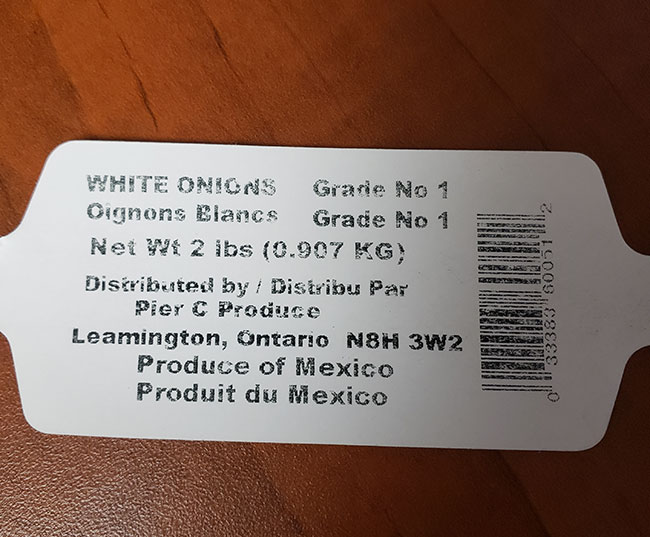
Pier-C White Onions 2 lb / 0.907 kg 0 33383 60051 2 DP006 Pack date: 072221;
DP208 Pack date: 072821;
DP481 Pack date: 080621;
DP683 Pack date: 081621;
Product of Mexico
Pier-C White Onions 25 lb None DP331 Pack date: 080221;
DP366 Pack date: 080321;
DP448 Pack date: 080521;
DP516 Pack date: 080921;
DP567 Pack date: 081121;
DP597 Pack date: 081221;
DP681 Pack date: 081621;
Product of Mexico
Pier-C Yellow Onions 25 lb None DP058 Pack date: 072321;
DP253 Pack date: 072921;
DP259 Pack date: 072921;
Product of Mexico
Pier-C Yellow Onions 40 lb / 18.15 kg None DP059 Pack date: 072321;
DP144 Pack date: 072721;
DP188 Pack date: 072821;
DP254 Pack date: 072921;
Product of Mexico
Riga Farms Yellow Onions 3 lbs / 1.36 kg 0 33383 60002 4 321621
323521
324221
Product is labelled as Product of USA, although the onions are Product of Mexico

What you should do

If you think you became sick from consuming a recalled product, call your doctor.

Check to see if you have the recalled products in your home or establishment. Recalled products should be thrown out or returned to the location where they were purchased. If you are unsure of the identity of the onions in your possession, check with your place of purchase.

Background

This recall was triggered by recalls in another country by Prosource Produce LLC of Hailey, Idaho and by Keeler Family Farms of Deming, NM. The CFIA is conducting a food safety investigation, which may lead to the recall of other products. If other high-risk products are recalled, the CFIA will notify the public through updated Food Recall Warnings.

The CFIA is verifying that industry is removing the recalled products from the marketplace.

Illnesses

There have been no reported illnesses in Canada associated with the consumption of these products.

Product photos

Printer ready version of photos

  • MVP Onions
  • inspection
  • Pier C Onions
  • No. 1 Onions
  • Riga Farms

Public enquiries and media

Public enquiries
Toll-free: 1-800-442-2342 (Canada and U.S.)
Telephone: 1-613-773-2342 (local or international)
Email: information@inspection.gc.ca
Media relations
Telephone: 613-773-6600
Email: cfia.media.acia@inspection.gc.ca

Canada – Updated Food Recall Warning – Jongilpoom brand Enoki Mushroom recalled due to Listeria monocytogenes

CFIA

Recall details

Ottawa, October 28, 2021 – The food recall warning issued on October 14, 2021 has been updated to include additional product information. This additional information was identified during the Canadian Food Inspection Agency’s (CFIA) food safety investigation.

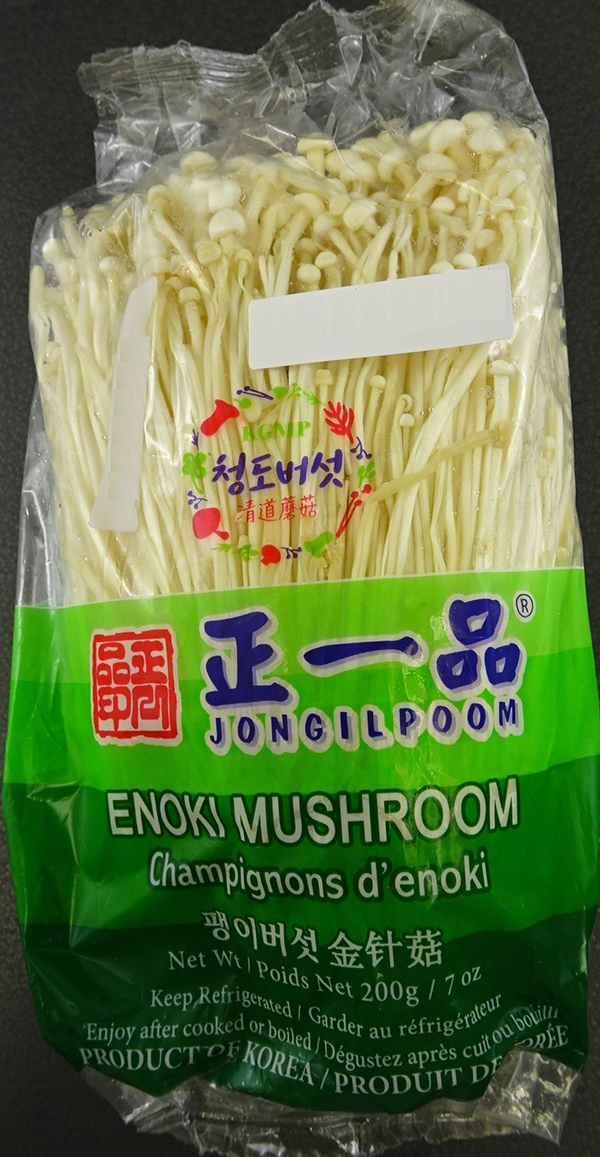
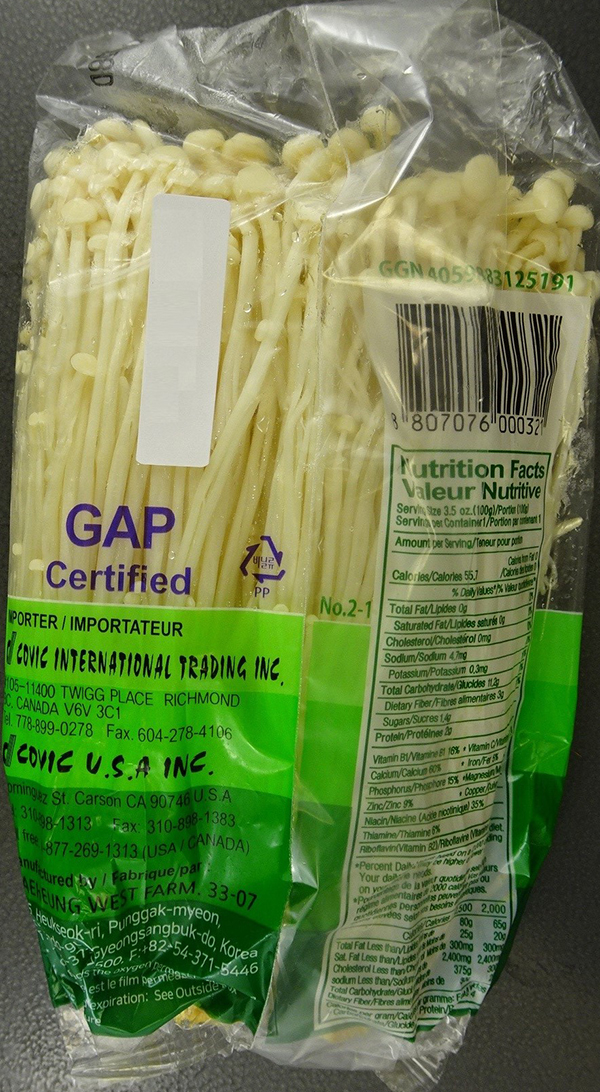
Covic International Trading Inc. is recalling Jongilpoom brand Enoki Mushroom from the marketplace due to Listeria monocytogenes. Consumers should not consume the recalled product described below.

Recalled products

Brand Product Size UPC Codes
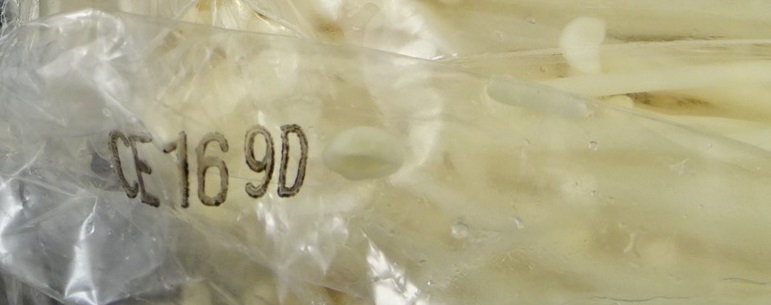
Jongilpoom Enoki Mushroom 200 g 8 807076 000321 CE 169D

What you should do

If you think you became sick from consuming a recalled product, call your doctor.

Check to see if you have the recalled product in your home. Recalled products should be thrown out or returned to the store where they were purchased.

Food contaminated with Listeria monocytogenes may not look or smell spoiled but can still make you sick. Symptoms can include vomiting, nausea, persistent fever, muscle aches, severe headache and neck stiffness. Pregnant women, the elderly and people with weakened immune systems are particularly at risk. Although infected pregnant women may experience only mild, flu-like symptoms, the infection can lead to premature delivery, infection of the newborn or even stillbirth. In severe cases of illness, people may die.

Background

This recall was triggered by CFIA test results. The CFIA is conducting a food safety investigation, which may lead to the recall of other products. If other high-risk products are recalled, the CFIA will notify the public through updated Food Recall Warnings.

The CFIA is verifying that industry is removing the recalled product from the marketplace.

Illnesses

There have been no reported illnesses associated with the consumption of this product.

Product photos

Printer ready version of photos

  • Jongilpoom - Enoki Mushroom - front
  • Jongilpoom - Enoki Mushroom - back
  • Jongilpoom – Enoki Mushroom – 200 grams (lot code)

Public enquiries and media

Company information
Covic International Trading Inc.
Telephone: 604-278-2104
Public enquiries
Toll-free: 1-800-442-2342 (Canada and U.S.)
Telephone: 1-613-773-2342 (local or international)
Email: information@inspection.gc.ca
Media relations
Telephone: 613-773-6600
Email: cfia.media.acia@inspection.gc.ca

UK – Report of the Independent Review of NHS Hospital Food

UK Gov

In the summer of 2019, there was an outbreak of listeriosis in which seven patients tragically died after eating hospital sandwiches contaminated with Listeria monocytogenes. Following this, the Health Secretary, Matt Hancock, announced a “root and branch” review of food served and sold in hospitals.
The scope of the review included the safety, nutrition, quality and production methods of food for patients, staff and visitors in NHS hospitals. In 2018 to 2019, the NHS spent £634 million on hospital food, representing approximately 6.7% of the total costs of running the NHS estate [10] or 0.6% of the total £114 billion 2018 to 2019 NHS budget [11]. It is the second biggest provider of meals in the UK public sector, serving 141 million inpatient meals [10] last year alone, to about 125,000 patients a day. This compares to 602 million school lunches [12] and 93 million prison meals [13].
There is a poor public perception of hospital food; and frequent critical press coverage of problems with both food that is on offer in hospitals to patients, staff and visitors, as well as wider concerns regarding food service. However, the evidence suggests that patients in NHS hospitals are satisfied, overall, with the quality of hospital food, with 22% of patients surveyed in 2019 rating the food they received as very good, and 36% rating it as good [14].
This contrasts with 39% of NHS staff, who felt that food and catering facilities offered in their workplaces were poor [15]. There is clearly scope for improvement. With a median spend of £4.56 per patient meal (including labour costs and overheads) [10], exceeding the budget of meals offered by other UK public services, the NHS should be demonstrating best practice in safely delivering nutritious, quality food to patients, and ensuring the least possible impact on our environment with best possible outcomes.
Better hospital food requires both national focus and leadership, but it is hard to deliver from the centre when power is devolved to individual trusts. We also need trusts to lead the change.
This report makes eight recommendations for system-level change. In Chapter 8 we propose that these are taken forward by an expert group with representation from across the sector and government. These apply mainly to government, NHS England and NHS Improvement, and national regulators.

Hospital food review10However, there are also actions that need to be delivered by trusts themselves. We have included a checklist for catering managers and chief executives which contains key principles of providing a good food service. We urge trust executive teams and boards to consider this list and what they can do to take their catering to the next level. We have tried not to be too prescriptive, as trusts are very diverse and what works in one place may not work in another.
However, these core principles are applicable to every type of service and should be carefully considered. Leadership engagement is key – hospital food is something that all boards we’ve engaged with really care about and are committed to. But commitment is not enough on its own – effective change needs two more things: data that gives insight for improvement, and a plan or strategy for getting the improvement done

USA – E. coli outbreak linked to the Georgia National Fair in Perry Georgia

Food Poison Journal

The Associated Press reports tonight that Georgia state health officials are investigating whether E. coli (presumably, E. coli O157:H7) was spread at the Georgia National Fair held earlier this month.

The Georgia Department of Public Health said it has confirmed four cases of the illness among children who were at the event in Perry from Oct. 7 to Oct. 17, news outlets reported. Three of them are now hospitalized.

Hokanson said they’ve created an online survey that they hope will help them pinpoint the cause of the problem. Anyone who went to the fair can fill it out — even if they did not get sick after the event. State epidemiologists are working to determine what could have caused the outbreak by comparing activities between those who became sick and those who did not.

USA – Famous Anthony’s Hepatitis A Virginia Outbreak Sickens 50, 31 Hospitalized

Food Poisoning Bulletin

The Famous Anthony’s hepatitis A outbreak has now sickened 50 people and hospitalized 31 as of October 26, 2021, according to news reports. A sick employee worked at that restaurant in mid to late August 2021. The Roanoke City and Alleghany Health Districts reported the increase in cases. This is an increase of 13 patients since the last update two weeks ago.

One of the problems with this viral infection is that people are infectious up to two weeks before they even know they are sick. The virus is very contagious and is easily passed from person-to-person, through contaminated food, and through contact with contaminated surfaces.

Research – Healthcare-associated foodborne outbreaks in high-income countries: a literature review and surveillance study, 16 OECD countries, 2001 to 2019

Eurosurveillance

Yearly, 23 million foodborne disease illnesses and 5,000 deaths are estimated in the World Health Organization (WHO) European Region, and 41 foodborne Disability Adjusted Life Years (DALYs) per 100,000 population were estimated for the WHO Sub-Region EUR A in 2010 [1]. In Europe, a total of 5,146 foodborne and waterborne outbreaks, including 48,365 cases of illness and 40 deaths were reported to the European Food Safety Authority (EFSA) in 2018 [2]. Vulnerable populations, including elderly patients, immunocompromised patients, children younger than five years old and pregnant women are more susceptible to foodborne infections and are more prone to develop severe courses of disease compared with healthy people [3]. Therefore, healthcare is a setting where foodborne outbreaks (FBO) can cause considerable morbidity and mortality. In 2020, 20.6% of the European Union (EU) population was aged 65 years and older [4]. As the proportion of elderly people is projected to further increase, the share of the vulnerable population as patients in healthcare facilities (HCF) is likely to increase and thereby the risk associated with healthcare-associated foodborne outbreaks (HA-FBO). Personnel (medical and non-medical staff, food handlers etc) of HCF may also be at risk for HA-FBO and be a source of further spread in healthcare settings and elsewhere. This can cause major disruption of services [5].

So far, literature reviews have covered pathogens responsible for HA-FBO, including  [6],  [79] and norovirus [10,11] and focused on microbiological food safety issues in healthcare settings [5,12]. Between 2014 and 2019, a listeriosis outbreak in Germany affected 13 cases who had an inpatient stay in 12 different HCF during the incubation period [13]. In the United Kingdom (UK) in 2019, nine listeriosis cases of which seven died, had consumed sandwiches in seven HCF during the incubation period [14].

We conducted a literature review to describe the causative agents including bacteria, viruses, parasites and fungi, the incriminated food vehicles and other outbreak characteristics of HA-FBO in 37 countries that are members of the Organisation for Economic Cooperation and Development (OECD) [15]. Furthermore, we analysed German surveillance data and data from the EFSA on HA-FBO. The aim of this article is to describe the current status of HA-FBO in order to improve surveillance and provide public health recommendations for prevention.