Category Archives: foodborne outbreak

USA – Oysters recalled amid Washington’s largest ever Vibrio outbreak

Food Safety News

KSWFOODWORLD

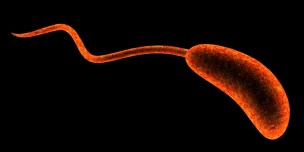
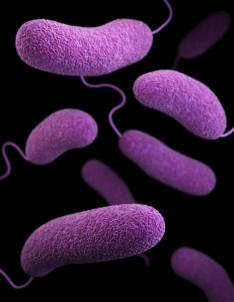
Washington state has initiated a recall of live oysters harvested from the Samish Bay growing area in the Puget Sound area. The recall is in response to multiple cases of Vibrio parahaemolyticus illnesses associated with oysters harvested in the area. 

The outbreak has already surpassed the highest number of cases ever recorded by the state for the month of July, according to the state’s Health Department. Distribution details are incomplete but it is known that some of the oysters have gone to Asian and Canadian buyers as well as customers in the United States.

A recent heat wave, coupled with very low tides at mid-day, are likely to blame for the increased rate of illness, which is associated with eating raw or undercooked shellfish, especially oysters that are contaminated with Vibrio. 

The extremely low tides are part of an 18.6-year tide cycle, which means there will be more to come for a period of time during the cycle.

USA – High heat, low tide likely triggering spike in shellfish-linked infections – Vibrio

DOH WA

Food Illness

News Release

For immediate release: July 16, 2021   (21-170)Spanish

Media contact: Teresa McCallion, Communications, 360-701-7991

High heat, low tide likely triggering spike in shellfish-linked infections

OLYMPIA – An outbreak of vibriosis in Washington has already surpassed the highest number of cases ever recorded by the state for the month of July. Recent high temperatures and low tides in Washington State are likely to blame for the increased rate of illness, which is associated with eating raw or undercooked shellfish, especially oysters that are contaminated with Vibrio.

Found naturally in the environment, Vibrio bacteria thrive in warm temperatures. When midday low tides coincide with warm weather, Vibrio bacteria can grow quickly, increasing risk of illness among people who eat raw or undercooked oysters.

Vibriosis symptoms include diarrhea, abdominal cramps, nausea, vomiting, headache, fever, and chills. The illness usually occurs 4 hours to 4 days after eating contaminated shellfish, with mild or moderate symptoms that typically run its course in 2 to 3 days. Most people get sick within one day of consuming raw or undercooked shellfish.

People with weakened immune systems or liver disease are at higher risk for Vibrio infections. These people, and anyone who wants to avoid illness, should eat only thoroughly cooked shellfish.

“Another effect of the recent heat wave is the perfect storm of conditions for Vibrio infections. It’s important that when enjoying shellfish, we follow simple steps to stay healthy,” said Todd Phillips, Director of the Office of Environmental Health and Safety.

The Three Cs can prevent illness from Vibrio.

  • Cook at 145° F for 15 seconds to destroy Vibrio bacteria.
  • Check the DOH Shellfish Safety Map before heading to the beach to harvest shellfish recreationally. Shellfish gathered from open and approved areas should be harvested as the tide goes out.
  • Chill quickly. Bring a cooler with ice with you when harvesting shellfish recreationally or purchasing for a store or seafood stand (or have them packed on ice). Oysters should be put on ice or refrigerated as soon as possible.

When preparing shellfish, people should wash hands frequently and not return cooked shellfish to the plate or cutting board where raw shellfish was prepared.

Visit the DOH Vibriosis web page for more information.

The DOH website is your source for a healthy dose of informationFind us on Facebook and follow us on Twitter. Sign up for the DOH blog, Public Health Connection.

Nigeria – Cholera Outbreak

HPS

20 July 2021

Article: 55/2905

The Nigeria Centre for Disease Control reports continued transmission of cholera in the country, with 14,343-suspected cases, including 325 deaths, reported by 16 Nigerian states from 1 January through to 27 June 2021.

Travellers to the region are advised to only consume safe food and water. Food and drink to be wary of include untreated water, ice, shellfish, salads, unwashed fruit and vegetables. Travellers are also advised that good personal hygiene is essential, particularly frequent hand washing.

A vaccine is available to protect against cholera, but as the risk to most travellers is very low, it is only recommended for:

  • volunteers, aid workers and medical personnel in disaster relief situations where cholera outbreaks are likely
  • those travelling to work in slums or refugee camps, areas affected by natural disasters, or countries experiencing cholera outbreaks and where care with food and water is difficult or not possible

Further information relating to cholera can be found on the TRAVAX (for health professionals) and fitfortravel (for the general public) websites.

Click to access 1d3271f656ea9bd07f3c9885a0b5a26c.pdf

India – Cholera outbreak: 16 of 24 water samples found non-potable in Panchkula

The Tribune

Of the 24 water samples collected from Abheypur and Budhanpur villages, 16 were found to have coliform bacteria, meaning “non-potable”.

The samples were analysed at a government laboratory in Ramgarh. Four other samples collected from Sector 16 (one sample), Rajiv Colony (two) and Indira Colony (one) were found to be fit for drinking. So far, 55 samples have been collected and sent to the Ramgarh laboratory for analysis.

Of the 55 water samples, the report of 28 (16 found non-potable and 12 potable) have been received, while that of 27 is still awaited. Of the 35 stool samples, 23 have been found positive for vibrio cholera. Meanwhile, the number of patients infected with cholera reached 440 today. As many as 72 (30 adults and 42 children) are still under treatment at the Civil Hospital in Sector 6.

USA – Listeria Outbreak: Three sick with one dead in long-term care facility or hospital linked to Tyson chicken

Food Poison Journal

2 sick, with 1 dead in Texas, 1 ill in Delaware.

All of the sick people in this outbreak ate foods served at a long-term care facility or hospital.

Tyson Foods Inc., has recalled frozen, fully cooked chicken products, such as chicken strips and diced chicken, and products made with fully cooked chicken, supplied by Tyson Foods Inc.

USA – Outbreak Investigation of Salmonella Typhimurium: BrightFarms Packaged Salad Greens (July 2021) – Update

FDA

Outbreak Investigation of Salmonella Typhimurium in BrightFarms Sunny Crunch Salad - Product Image (July 15, 2021)

Do not eat, sell, or serve recalled BrightFarms Packaged Salad Greens produced in IL facility

France – Mainly children ill in French Salmonella outbreak – Fuet

Food Safety News

Almost 50 people are sick in France with Salmonella infections after eating a type of dry cured sausage from Spain.

In total, 45 people have been affected including 27 children. All sick people interviewed so far mentioned eating fuet before onset of symptoms.

Strains of monophasic Salmonella typhimurium sharing the same genetic characteristics were identified between June 24 and July 15 by the National Reference Center for Salmonella. This means they are likely to be from the same source.

The link with consumption of fuet produced by the Spanish company Embutidos Caula SL was made by the General Directorate of Food (DGAL), General Directorate of Health and Santé Publique France.

All batches and dates of fuet sold under different brand names that are marked ES 10.01865/GE CE have been withdrawn from sale or recalled.

USA – Outbreak Investigation of Salmonella Typhimurium: BrightFarms Sunny Crunch Salad (July 2021) – Salmonella

FDA

The FDA, along with CDC and state and local partners, is investigating a multistate outbreak of Salmonella Typhimurium infections linked to the consumption of BrightFarms Sunny Crunch Salad produced in the firm’s Rochelle, IL facility.

The FDA is working with BrightFarms to determine if there are additional products that could have been affected. Additional information will be provided as it becomes available.

Recommendation

Consumers, restaurants, and retailers should not eat, sell, or serve BrightFarms Sunny Crunch Salad produced in Rochelle, IL. Sunny Crunch salads are packaged in a plastic clamshell container labeled as “fresh from Rochelle, IL.” According to the firm, these products were distributed in Illinois, Wisconsin, Iowa, and Indiana.

Consumers, restaurants, retailers, and distributors should check their refrigerators and throw away any of the products identified above.

If you purchased or used these products, you should use extra vigilance in cleaning and sanitizing any surfaces that may have come in contact with the product, to reduce the risk of cross contamination.

FDA recommends that anyone who has symptoms of salmonellosis contact their healthcare provider.

Investigation Background

Although it is early in the investigation, epidemiological and traceback evidence from sick people indicate that this outbreak is linked to BrightFarms Sunny Crunch Salad produced in Rochelle, IL. Interview data and shopper card records show that five people ate or bought BrightFarms brand Sunny Crunch salad before they got sick. FDA conducted a traceback investigation and identified the farm in Rochelle, IL, as the likely source of the BrightFarms brand Sunny Crunch salad bought by people who became ill.


Product Images

Outbreak Investigation of Salmonella Typhimurium in BrightFarms Sunny Crunch Salad - Product Image (July 15, 2021)

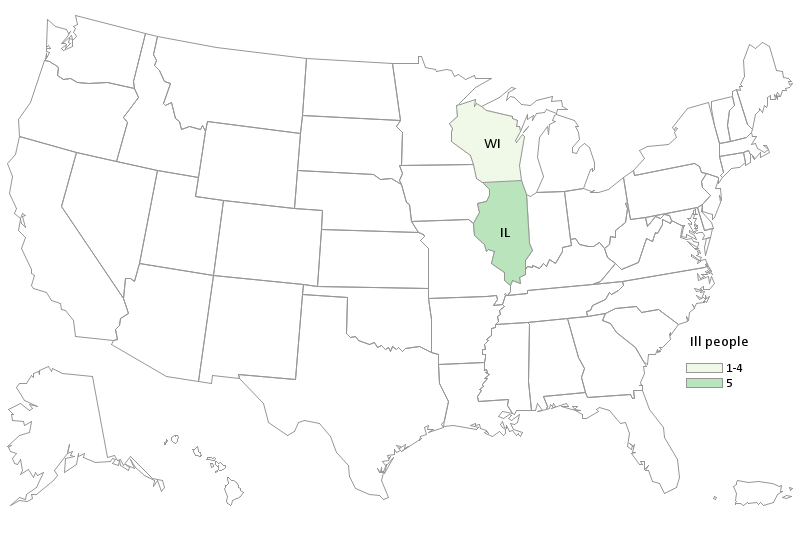
Case Count Map Provided by CDC

Outbreak Investigation of Salmonella Typhimurium in BrightFarms Sunny Crunch Salad Case Count Map

Case Counts

Total Illnesses: 8
Hospitalizations: 0
Deaths: 0
Last Illness Onset: June 15, 2021
States with Cases: IL (5), WI (3)
Product Distribution*: IL, WI, IA, IN
*Distribution has been confirmed for states listed, but product could have been distributed further, reaching additional states

USA – CDC announces 208 confirmed Cyclospora cases with no clear common source

Food Poison Journal

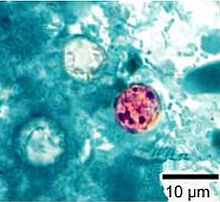
220px-Cyclospora_cayetanensis_stained

As of July 13, 2021, 208 laboratory-confirmed cases of cyclosporiasis in people who had no history of international travel during the 14-day period before illness onset have been reported to CDC by 23 jurisdictions, including 22 states and New York City.

The median illness onset date is June 17, 2021 (range: May 1, 2021–July 3, 2021).

At least 21 people have been hospitalized; no deaths have been reported.

EU – EU countries investigate Salmonella illnesses linked to imported tahini, halva

Food Safety News

Five European countries have reported Salmonella infections with at least some of them linked to tahini and halva from Syria.

Up to 80 people may have been affected since 2019 in Germany, Sweden, Norway, Denmark and the Netherlands with several types of Salmonella being linked to the outbreak.