rand : Fontina DOP 250 G Pascoli Italiani – expiry 10/04/2023
Denomination : Fontina DOP
Reason for reporting : Reminder for microbiological risk
Publication date : 10 March 2023


rand : Fontina DOP 250 G Pascoli Italiani – expiry 10/04/2023
Denomination : Fontina DOP
Reason for reporting : Reminder for microbiological risk
Publication date : 10 March 2023
Posted in food contamination, food handler, Food Hazard, Food Hygiene, Food Inspections, Food Micro Blog, Food Microbiology, Food Microbiology Blog, Food Microbiology Testing, Food Pathogen, Food Poisoning, Food Quality, food recall, Food Safety, Food Safety Alert, Food Safety Management, Food Safety Regulations, Food Testing, Food Toxin, STEC, STEC E.coli
Aflatoxins above MRL in almonds from USA in Spain
Aflatoxin in Indian Peanut Butter in Germany and the Netherlands
Posted in Aflatoxin, Aspergillus Toxin, food contamination, food handler, Food Hazard, Food Hygiene, Food Inspections, Food Micro Blog, Food Microbiology, Food Microbiology Blog, Food Microbiology Testing, Food Poisoning, Food Quality, food recall, Food Safety, Food Safety Alert, Food Safety Management, Food Safety Regulations, Food Testing, Food Toxin, Mold Toxin, Mould Toxin, Mycotoxin, RASFF
Presence of Vibrio Cholerae in frozen shrimps from Ecuador in Spain
Posted in food contamination, food handler, Food Hazard, Food Hygiene, Food Inspections, Food Micro Blog, Food Microbiology, Food Microbiology Blog, Food Microbiology Testing, Food Pathogen, Food Quality, food recall, Food Safety, Food Safety Alert, Food Safety Management, Food Safety Regulations, Food Testing, Food Toxin, RASFF, Vibrio, Vibrio cholera, vibrio cholerae

Even one case of foodborne botulism constitutes a public health emergency. We report a series of cases with delayed treatment due to delayed diagnosis. Clostridium botulinum type A(B) was isolated from vegetarian home-canned pate, but not from stool samples. These are the first recorded cases of foodborne botulism in Hanoi.
Botulism is a rare but serious neuroparalytic illness caused by botulinum neurotoxins (BoNTs) [1,2]. The sources of BoNTs are Clostridium botulinum and sometimes C. butyricum, C. baratii, and C. argentinense. The toxins are produced under anaerobic conditions and act presynaptically at peripheral cholinergic neuromuscular junctions, blocking acetylcholine release. Seven types (A–G) of BoNTs have been identified [3]. The classical early signs of botulism include cranial nerve palsies that progress to the symmetrical descending weakness of the trunk, extremities, and smooth muscle, with eventual flaccid paralysis. Typical early symptoms include diplopia (visual disturbances), dysphagia (difficulty swallowing), dysphonia (voice change), and dysarthria (slurred speech) [4]. Considering the severity and potential public health impact of this disease, rapid diagnosis is necessary. This report describes the first recorded cases of foodborne botulism in Hanoi, associated with vegetarian home-canned pate. This was caused by C. botulinum type A(B), which carries both type A and type B bont genes but does not produce active type B toxin because of mutations or truncations.
Posted in Bacterial Toxin, Decontamination Microbial, Food Micro Blog, Food Microbiology, Food Microbiology Blog, Food Microbiology Research, Food Microbiology Testing, Food Poisoning, Food Toxin, microbial contamination, Microbial growth, Microbiological Risk Assessment, Microbiology, Microbiology Investigations, Microbiology Risk
Italy has reported the highest annual total of Hemolytic Uremic Syndrome (HUS) cases since records began.
From January to December 2022, 91 cases were recorded. This is the most observed in a single year since the start of surveillance in 1988. HUS is a severe complication associated with E. coli infection that causes kidney failure and can result in lifelong, serious health problems and death.
The number is still lower than in France, which recorded 128 HUS cases in 2021. This was the lowest figure since 2017 and was down from 167 in 2020. Data for 2022 is not yet available but a rise is expected due to an outbreak linked to Nestlé Buitoni Fraîch’Up brand frozen pizzas.
Posted in Bacterial Toxin, Food Micro Blog, Food Microbiology, Food Microbiology Blog, Food Microbiology Research, Food Microbiology Testing, Food Toxin, Haemolytic Uremic Syndrome, HUS, microbial contamination, Microbial growth, Microbiological Risk Assessment, Microbiology, Microbiology Investigations, Microbiology Risk, STEC, STEC E.coli

| GTIN | Batch | Date |
|---|---|---|
| 3256226396817 | L9450 | Date of minimum durability 31/10/2023 |
| 3256226396848 | L9423 | Date of minimum durability 31/10/2023 |
| 3256226396831 | L9282 | Date of minimum durability 31/10/2023 |
| 3256226396862 | L9283 | Date of minimum durability 31/10/2023 |
Posted in food contamination, food handler, Food Hazard, Food Hygiene, Food Inspections, Food Micro Blog, Food Microbiology, Food Microbiology Blog, Food Microbiology Testing, Food Pathogen, Food Quality, food recall, Food Safety, Food Safety Alert, Food Safety Management, Food Safety Regulations, Food Testing, Food Toxin, Mold Toxin, Mycotoxin, Patulin
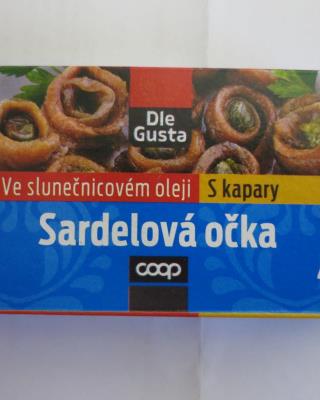
The legislative limit for histamine content was exceeded in the product. Histamine is a biogenic amine.
Histamine in fish is produced as a result of microbial contamination, a breach of the cooling chain is also a risk factor. Higher histamine content can cause itchy skin and rash, headache or drop in blood pressure.
| Batch: | R08B22 |
| Best before date: | 08/08/2023 |
| Packaging: | Can, paper box, print |
| Quantity of the product in the package: | 45 g |
| Importer: | For the COOP group supplies: BALTAXIA as, U Nisy 604/15 Liberec |
| Country of origin: |  Spain Spain |
| Date of sample collection: | 2/12/2022 |
| Reference number: | 23-000061-SZPI-CZ |
Posted in food contamination, food handler, Food Hazard, Food Hygiene, Food Inspections, Food Micro Blog, Food Microbiology, Food Microbiology Blog, Food Microbiology Testing, Food Poisoning, Food Quality, food recall, Food Safety, Food Safety Alert, Food Safety Management, Food Safety Regulations, Food Testing, Food Toxin, Histamine, Potravinynapranyri
Kawasho Foods USA Inc. of New York, NY, is voluntarily recalling one lot of canned GEISHA Medium Shrimp 4oz. because of reported swelling, leaking, or bursting cans. There is a possibility that the product has been under processed, which could lead to the potential for spoilage organisms or pathogens.
The Product was distributed to retail stores (Walmart, Associated Food Stores, Stater Bros Markets, Safeway, Albertsons) in California, Utah, Arizona, and Colorado.
The GEISHA Medium Shrimp is packaged in a 4oz. metal can, with UPC 071140003909. The one lot being recalled is LGC12W12E22; BEST BY: MAY/12/2026 and this code appears on the bottom of the product can.
Posted in Clostridium, Clostridium botulinum, Clostridium Sulphite Reducer, food contamination, food handler, Food Hazard, Food Hygiene, Food Inspections, Food Micro Blog, Food Microbiology, Food Microbiology Blog, Food Microbiology Testing, Food Pathogen, Food Poisoning, Food Quality, food recall, Food Safety, Food Safety Alert, Food Safety Management, Food Safety Regulations, food safety training, Food Spoilage, Food Testing, Food Toxin, Pathogen, pathogenic
Ochratoxin A in pistachios from Türkiye in Austria, Belgium, Germany, Luxembourg and Netherlands
Ochratoxin A (91 ± 17 µg/kg) in dried raisins from Uzbekistan in Latvia
Ochratoxin A in nutmeg from Indonesia in the Netherlands
Ochratoxin A in Indian Rice in the Netherlands
Ochratoxin A in roasted and salted pistachios from the United States in Austria, Belgium, Denmark, Finland, Germany, Luxembourg, Netherlands and Sweden
Posted in Aspergillus Toxin, food contamination, food handler, Food Hazard, Food Hygiene, Food Inspections, Food Micro Blog, Food Microbiology, Food Microbiology Blog, Food Microbiology Testing, Food Poisoning, Food Quality, food recall, Food Safety, Food Safety Alert, Food Safety Management, Food Safety Regulations, Food Testing, Food Toxin, Mold Toxin, Mould Toxin, Mycotoxin, Ochratoxin, Ochratoxin A, RASFF
Coagulase-positive staphylococci in frozen vegetable dumplings from Bulgaria in Germany
Posted in food contamination, food handler, Food Hazard, Food Hygiene, Food Inspections, Food Micro Blog, Food Microbiology, Food Microbiology Blog, Food Microbiology Testing, Food Pathogen, Food Poisoning, Food Quality, food recall, Food Safety, Food Safety Alert, Food Safety Management, Food Safety Regulations, Food Testing, Food Toxin, RASFF, Staphylococcal Toxin, Staphylococcus aureus

 FoodWorld