Category Archives: Food Toxin

RASFF Alerts – Histamine – Tonijnfilet A-Sashimi

RASFF

Histamine in Tonijnfilet A-Sashimi from Sri Lanka in Hong Kong – Belgium, Germany and Netherlands

RASFF Alerts – Aflatoxin – Groundnut Kernels – Pistachios – Almonds in Chocolate Products – Basmati Brown Rice – Super Basmati Brown Rice – Peanuts – Cracker Nuts

RASFF

Aflatoxins beyond the limits shelled pistachios via Turkey from Iran in Italy

RASFF

Aflatoxins in pistachios from United States. in Spain

RASFF

Aflatoxin in almonds used in chocolate products from Spain and Belgium in Belgium, Spain, Israel, Germany, Italy, Japan, Malaysia, Poland, Russia, Serbia, Slovakia, Taiwan and Turkey

RASFF

Aflatoxins in super basmati brown rice from Pakistan in the Netherlands

RASFF

Aflatoxin in Indian groundnuts in the Netherlands and Switzerland

RASFF

Aflatoxin B1 in super kernel basmati brown rice from Pakistan in the Netherlands

RASFF

Aflatoxin B1 in Pakistan super basmati brown rice in the Netherlands

RASFF

Aflatoxins in Peanuts from the U.S.A in the Netherlands

RASFF

Aflatoxins in Indian Groundnut Kernels in the Netherlands and Switzerland

RASFF

Aflatoxin in Egyptian groundnuts in the Netherlands and Germany

RASFF

Aflatoxins in cracker nuts from the Philippines in Belgium, Denmark, France, Germany, Ireland, Italy, Netherlands, Norway, Philippines, Portugal, Spain, Sweden and the UK.

RASFF

Aflatoxins in Indian Groundnut Kernels in the Netherlands and Switzerland

RASFF

Aflatoxins in Indian Groundnut Kernels in the Netherlands

RASFF

Aflatoxins in Indian Groundnut Kernels in the Netherlands and Switzerland

RASFF

Aflatoxins in Indian Groundnut Kernels in the Netherlands and Switzerland

RASFF

Aflatoxins in Indian Groundnut Kernels in the Netherlands and Switzerland

RASFF

Aflatoxin B1 in Indian Groundnut Kernels in the Netherlands and Switzerland

RASFF Alert – Mycotoxin – Ergot Alkaloids – Rye Flour

RASFF

Ergot alkaloids in rye flour from France in the UK, UAE, Belgium, Germany and Greece

RASFF Alert- Mycotoxin – Patulin – Apple and Cherry Juice

RASFF

Exceeding the LMA of patulin in natural apple and cherry juice from Romania in Moldova

RASFF Alerts – E.coli – Sheep Meat

RASFF

E. Coli in sheep meat from New Zealand in Italy

Research – Will climate change increase the risk of aflatoxin in U.S. corn?

Science Daily

As climate change continues to alter weather patterns around the planet including the Midwest, researchers at Michigan State University are modeling the impact on crops such as corn.

“The United States is the largest exporter and donor of field corn around the world,” said Felicia Wu, a John A. Hannah Distinguished Professor and an international expert on food safety in the Department of Food Science and Human Nutrition and the Department of Agricultural, Food, and Resource Economics in the College of Agriculture and Natural Resources at MSU. “Here in the U.S., we consume field corn in the form of corn chips, corn flakes, corn grits and corn tortillas; as opposed to sweet corn, which is frozen, canned and eaten off the cob. Field corn is also used for animal feed and for ethanol production.”

The fungi Aspergillus flavus and Aspergillus parasiticus produce aflatoxin which can infect peanuts, tree nuts and corn. Aflatoxin not only degrades corn quality but can also cause health problems for humans and animals depending on the amount and length of time it is ingested. While aflatoxin contamination occurs annually in the southern United States because of the hot and dry climate, it has rarely been a serious problem in the Corn Belt region of the U.S.

“When we ran our near-term climate model scenarios, we found that between 2031-2040, aflatoxin is going to become more of a problem in the U.S. Corn Belt in the Midwest,” Wu said. “The last time there was a serious problem was in 2012 when we had an unusually hot and dry summer throughout the Midwest; particularly Iowa, Illinois and Indiana.”

Wu’s research was published April 5, 2022 in the journal Environmental Research Letters. Co-authors on the paper include her former doctoral student Jina Yu (Hong Kong Baptist University), David Hennessy (Iowa State University) and Jesse Tack (Kansas State University).

Hot and dry conditions encourage fungi spores to be airborne which increases their chances of contaminating crops. Water helps plants withstand stress that makes them vulnerable to harmful fungi. Steps growers, grain elevators and processors can take to reduce the risk of aflatoxin contamination include storing corn harvests in cool, dry conditions and keeping crops irrigated to the extent possible given declining water tables.

Researchers are already using both biotechnological and conventional breeding techniques to develop hybrid crops that can withstand drought, insect damage and fungal infections. In many parts of the world, corn growers are using biocontrol to reduce aflatoxin. Biocontrol infects plants with Aspergillus fungi which is unable to produce aflatoxin because this these fungi competitively exclude the fungi that produce aflatoxin.

Another possibility shifts crop production further north or further south geographically where the climate is cooler or wetter to reduce aflatoxin risk. That, however, impacts farms that have been passed down for generations.

For consumers concerned about eating field corn and their aflatoxin risk, Wu suggests eating your greens and garlic. “Green leafy vegetables are good for your overall health,” Wu said. “Chlorophyll has a sandwich molecular structure that traps aflatoxin molecules so that humans excrete them before the toxin can enter our bloodstream.”

Also, cruciferous vegetables like broccoli, cauliflower, kale and allium vegetables like garlic, onions and leeks can help detoxify carcinogens in our bodies.

“We predict seeing an increase in aflatoxin problems over the next 10-20 years,” Wu said. “So, we need to rely on technologies and a whole suite of interventions that can reduce the problem.”


Story Source:

Materials provided by Michigan State University. Original written by Emilie Lorditch. Note: Content may be edited for style and length.

Israel – Mercato brand Acorn mini-kabob – Clostridium perfringens

GovIL

 Carmel Delicacies Ltd. recalls Mercato brand Acorn mini-kabob (880g; Expiration date 19.6.2022) due to Clostridium perfringens contamination.

Israel – Roasting House brand ground black pepper – Aflatoxin

GOV IL

 Roasting House Rama Ltd. recalls Rama Roasting House brand ground black pepper (100g & 400g plastic jars; All expiration dates up to and including 05/04/2023) due to elevated aflatoxin levels.

New Zealand – Public health warning for shellfish for entire Pelorus Sound area, Marlborough Sounds – PSP

MPI

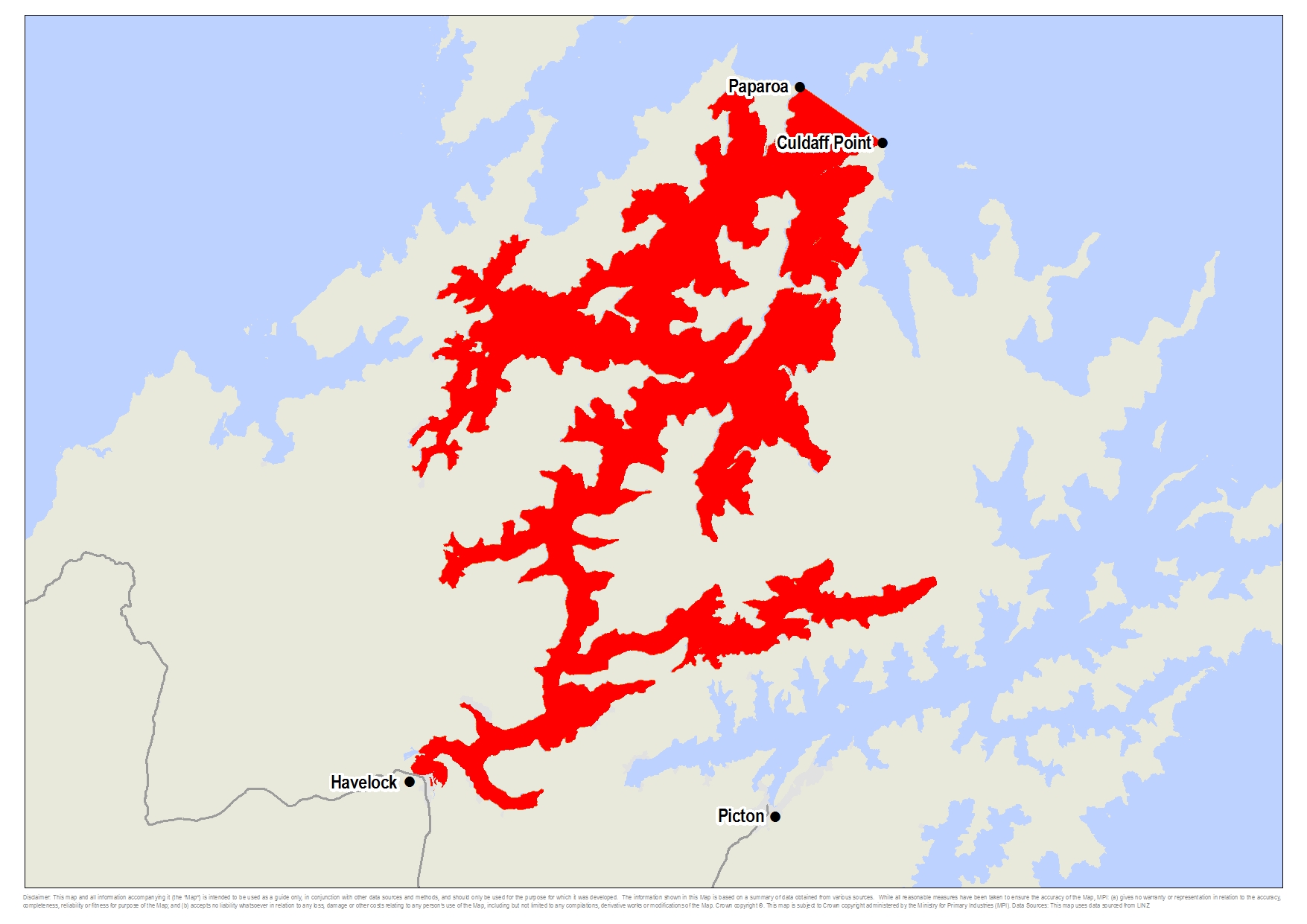
Map of the affected area to the entire Pelorus Sound area, Marlborough Sounds

The Ministry for Primary Industries (MPI) today issued an extension to the public health warning advising the public not to collect or consume shellfish harvested from Crail Bay in Marlborough Sounds. The extension now applies to the entire Pelorus Sound area including its arms to the east and west, up to a line at the entrance from Paparoa to Culdaff Point.

Routine tests on shellfish samples taken from this region have shown levels of Paralytic Shellfish Poisoning (PSP) toxins above the safe limit of 0.8 mg/kg set by MPI. Anyone eating shellfish from this area is potentially at risk of illness.

Mussels, oysters, tuatua, pipi, toheroa, cockles, scallops, catseyes, kina (sea urchin) and all other bivalve shellfish should not be eaten.

Note, cooking shellfish does not remove the toxin.

Pāua, crab and crayfish may still be eaten if the gut has been completely removed prior to cooking, as toxins accumulate in the gut. If the gut is not removed, its contents could contaminate the meat during the cooking process.

Symptoms typically appear between 10 minutes and 3 hours after ingestion and may include:

  • numbness and a tingling (prickly feeling) around the mouth, face, and extremities (hands and feet)
  • difficulty swallowing or breathing
  • dizziness
  • headache
  • nausea
  • vomiting
  • diarrhoea
  • paralysis and respiratory failure and in severe cases, death.

If anyone becomes ill after eating shellfish from an area where a public health warning has been issued, phone Healthline for advice on 0800 61 11 16, or seek medical attention immediately. You are also advised to contact your nearest public health unit and keep any leftover shellfish in case it can be tested.

Monitoring of toxin levels will continue and any changes will be communicated accordingly. Commercially harvested shellfish – sold in shops and supermarkets, or exported – is subject to strict water and flesh monitoring programmes by MPI to ensure they are safe to eat.

Luxembourg – DRIED FIGS FROM THE NATURE BIO BRAND – Ochratoxin A

SAP

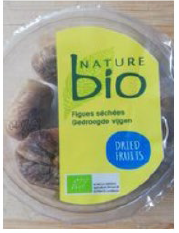
RECALL: DRIED FIGS FROM THE NATURE BIO BRAND

Cora is recalling the following product:

name dried figs
Brand natural organic
Unity 220g
bar code 5400134408133
Use-by date (DLC) 05/25/2022; 05/28/2022; 06/05/2022

Danger  : Too high content of ochratoxin A

Ochratoxin A is a mycotoxin produced by molds which can be present in different products such as cereals, coffee, rice, spices and raisins. With repeated consumption, ochratoxin A can be carcinogenic and can have toxic effects at the renal level.

Sale in Luxembourg by: Cora

A sale by other operators cannot be excluded.

Information Source: Cora Recall Notification

Communicated by: Government Commission for Quality, Fraud and Food Safety .

Click to access figues-bio-fr.pdf