Category Archives: Food Poisoning Death

India – Shigella caused food poisoning in girl who died after eating shawarma: Kerala health department

India Express

Shigella - kswfoodworld

Kerala health department on Tuesday identified shigella bacteria as the cause of food poisoning which claimed the life of a student and led to the hospitalisation of around 30 others in the state’s Kasaragod district.

District medical officer Dr S K Ramdas said the presence of shigella was confirmed after testing the blood and faeces of those undergoing treatment for food poisoning. The samples collected from the hospitalised persons were tested at the government medical college hospital in Kozhikode, he said.

Israel – Food poisoning suspected as three die at Holon shelter for people with disabilities

Times of Israel

A shelter for people with disabilities in Holon has come under scrutiny after three of its residents died one after the other within the last couple of days, apparently as a result of food poisoning.

A special team sent to the Beit Dafna shelter by the Health Ministry found severe deficiencies in its kitchen, according to reports Monday, and has instructed the staff to shut down the kitchen completely until the investigation is completed.

A few residents began feeling ill during the night between Saturday and Sunday, with some suffering from diarrhea.

According to Ynet, some 30 residents were affected by the incident and suffered from diarrhea and vomiting. However, most of them presented mild symptoms.

Initial findings pointed to possible food poisoning, the Health Ministry stated, without providing further details.

According to a report by the Walla news site, a professional team from the Welfare and Social Affairs Ministry was also sent to the shelter in order to provide the staff with further assistance.

The team will remain at the facility until the Health Ministry completes its investigation, the report said.

India – 16-year-old student dies of food poisoning in Kerala, 40 others hospitalised

The News Minute

A 16-year-old girl died and at least 40 other students were hospitalised on Sunday, May 1, due to suspected food poisoning from an eatery in Kerala’s Kasaragod. The girl, identified as Devananda of Karivellur in Kannur district, had eaten chicken shawarma on Friday from a food outlet called Ideal Food Point at Neeleswaram in Kasargod.

State Food and Civil Supplies Department, in a statement, said that the outlet, which was functioning without proper license from the department, has been sealed and the District Collector directed to conduct an investigation. State Health Minister Veena George has ordered a comprehensive inquiry into the incident.

Former employee blows whistle on baby formula production plant tied to outbreak – Cronobacter

EFOOD ALERT

A whistle blower document regarding product safety at a plant that manufactured infant formula linked to a deadly, ongoing outbreak provides damning information against Abbott Nutrition, the maker of Similac and other popular formulas that have been recalled in relation to the outbreak.

The document, sent to top officials at the Food and Drug Administration in October 2021, sparked outrage from U.S. Rep. Rosa DeLauro who has already demanded information from the FDA regarding the Cronobacter outbreak among babies. DeLauro, D-CT, on April 28 shared a redacted version of the whistle blower complaint and renewed her criticism of FDA and Abbott Nutrition for their slow response to the outbreak in which at least four babies have been hospitalized, with two having died.

“I am deeply concerned about the practices at this Abbott facility and their apparent failure to implement and enforce internal controls at this facility. We need to know exactly who in the company was aware of this failure and the alleged attempts to hide this information from the FDA,” DeLauro said during a meeting on the Fiscal Year 2023 Budget Request for the United States Department of Agriculture.

“I am equally concerned that the FDA reacted far too slowly to this report. The report was submitted to the FDA on October 20, 2021. The FDA did not interview the whistleblower until late December 2021. According to news reports, FDA did not inspect the plant in person until January 31, 2022, and the recall was not issued until February 17, 2022.”

Read the full story at the link above.

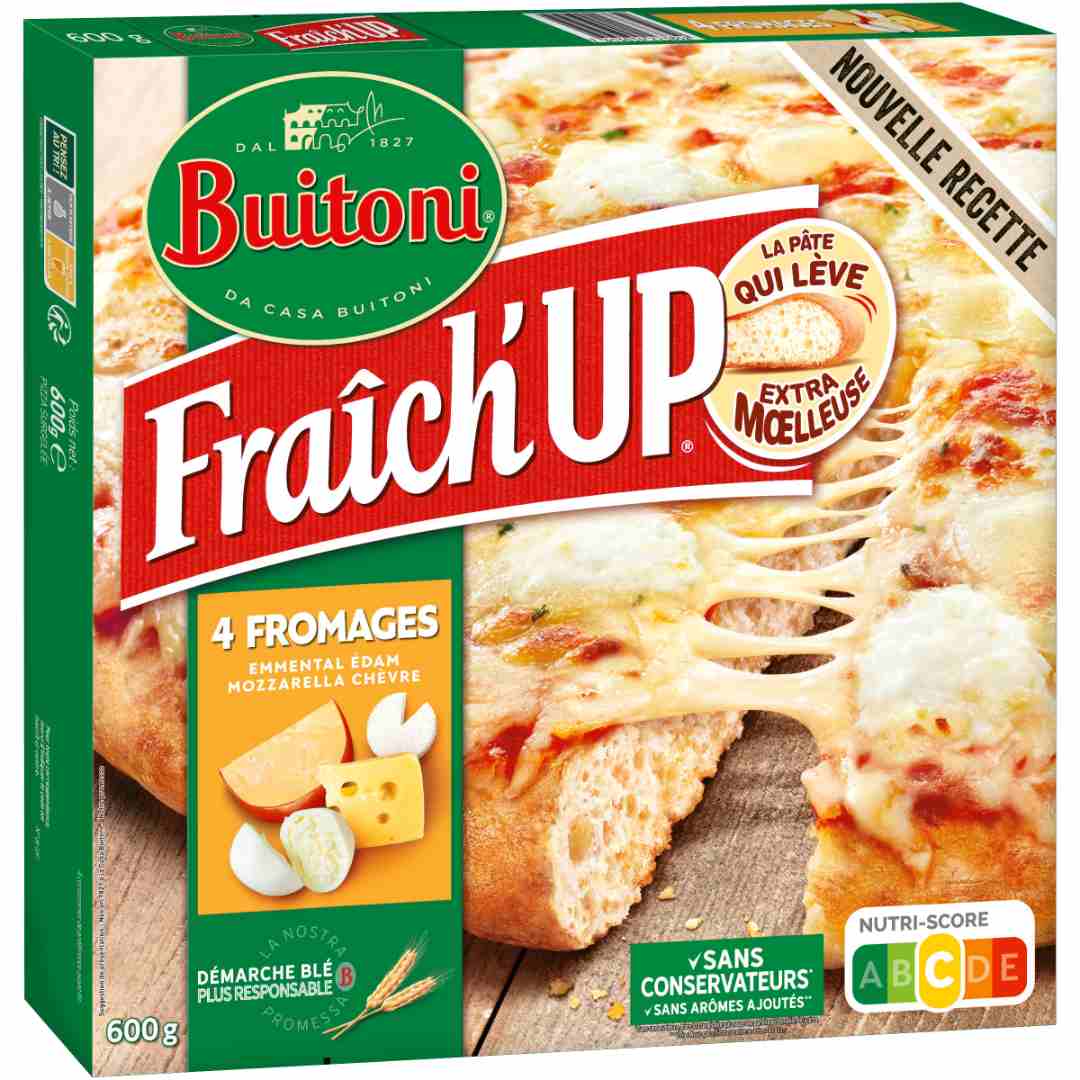
France- Pizza Fresh’Up – E.coli O26

Gov france

Identification information of the recalled product

  • Product category Food
  • Product subcategory Others
  • Product brand name Buitoni
  • Model names or references All references from the FRaich’ Up range purchased before the end of March
  • Identification of products
    GTIN Lot Dated
    3033210822992 All lots Date of minimum durability between 06/01/2021 and 03/31/2023
    7613033950124 All lots Date of minimum durability between 06/01/2021 and 03/31/2023
    7613034199867 All lots Date of minimum durability between 06/01/2021 and 03/31/2023
    7613034223524 All lots Date of minimum durability between 06/01/2021 and 03/31/2023
    7613034223852 All lots Date of minimum durability between 06/01/2021 and 03/31/2023
    7613034225795 All lots Date of minimum durability between 06/01/2021 and 03/31/2023
    7613034405302 All lots Date of minimum durability between 06/01/2021 and 03/31/2023
    7613034405333 All lots Date of minimum durability between 06/01/2021 and 03/31/2023
    7613034405463 All lots Date of minimum durability between 06/01/2021 and 03/31/2023
    7613034437952 All lots Date of minimum durability between 06/01/2021 and 03/31/2023
    7613034909091 All lots Date of minimum durability between 06/01/2021 and 03/31/2023
    7613035489509 All lots Date of minimum durability between 06/01/2021 and 03/31/2023
    7613035768154 All lots Date of minimum durability between 06/01/2021 and 03/31/2023
    7613035768185 All lots Date of minimum durability between 06/01/2021 and 03/31/2023
    7613035768215 All lots Date of minimum durability between 06/01/2021 and 03/31/2023
    7613036218184 All lots Date of minimum durability between 06/01/2021 and 03/31/2023
    7613036453813 All lots Date of minimum durability between 06/01/2021 and 03/31/2023
    7613036759960 All lots Date of minimum durability between 06/01/2021 and 03/31/2023
    7613036761888 All lots Date of minimum durability between 06/01/2021 and 03/31/2023
    7613036761918 All lots Date of minimum durability between 06/01/2021 and 03/31/2023
    7613037095944 All lots Date of minimum durability between 06/01/2021 and 03/31/2023
    7613038919379 All lots Date of minimum durability between 06/01/2021 and 03/31/2023
    7613038919829 All lots Date of minimum durability between 06/01/2021 and 03/31/2023
    7613287255679 All lots Date of minimum durability between 06/01/2021 and 03/31/2023
    7613287255822 All lots Date of minimum durability between 06/01/2021 and 03/31/2023
    7613287520197 All lots Date of minimum durability between 06/01/2021 and 03/31/2023
  • Packaging Cardboard box
  • Marketing start/end date From 01/06/2021 to 31/03/2022
  • Storage temperature Product to keep in the freezer
  • Geographic area of ​​sale Whole France
  • Distributors Auchan – Casino – Carrefour – Cora – Francap – Franprix – Intermarché – Leclerc – Lidl – Match – Monoprix – System U

Practical information regarding the recall

  • Reason for recall Presence of E-coli bacteria in the dough of a frozen pizza from the Fraîch’Up range
  • Risks incurred by the consumer Escherichia coli

USA – Mystery Salmonella and Listeria Outbreaks sicken 75 in United States while infant formula kills 2

Food Poison Journal

The Food and Drug Administration has posted an increase in the number of patients in an outbreak of Listeria monocytogenes infections as it continues investigations into three other outbreaks.

The new patient count in the Listeria outbreak is 16, up from 14 reported a week ago. As of March 16 the FDA had not determined the cause of the outbreak. The agency has initiated traceback efforts, but has not revealed what food or foods are involved in those activities.

The FDA has not revealed any demographic information on the Listeria patients and has not reported where they live.

In other outbreak news the FDA is investigating a new outbreak of Salmonella SaintPaul infections that has sickened 59 people. The agency announced the outbreak on March 16. As with the Listeria outbreak investigation, the FDA has not released any patient information for the Salmonella outbreak and has not reported where the patients live. Traceback efforts have begun, according to the FDA, but the agency did not report what food or foods are involved.

USA – FDA Core Investigation Table Update

FDA

Date
Posted
Ref
Pathogen
Product(s)
Linked to
Illnesses

(if any)
Total
Case Count

Status
2/17/2022 1056 Cronobacter
sakazakii

&
Salmonella
Newport
Powdered
Infant
Formula
See
Advisory
Active
2/9/2022 1040 Listeria
monocytogenes
Not Yet
Identified
14 Active
2/2/2022 1054 Enteroinvasive
E. coli
O143:H26
Not Yet
Identified
16 Closed
1/10/2022 1050 E. coli
O121:H19
Romaine 4 Closed
12/29/2021 1052 E. coli
O157:H7
Packaged
Salad
See Outbreak
Advisory
Closed
12/20/2021 1039 Listeria
monocytogenes
Packaged
Salad
See Outbreak
Advisory
Active
12/15/2021 1048 Listeria
monocytogenes
Packaged
Salad
See Outbreak
Advisory
Active

USA – FDA Investigation of Cronobacter and Salmonella Complaints: Powdered Infant Formula (February 2022)

FDA

If you want to check if your powdered formula is part of the recall, you can enter the product lot code on the bottom of your package on the company’s websiteExternal Link Disclaimer.

If you have questions or need information about the recall, you can Submit Questions/Get Assistance.

If your infant is experiencing symptoms related to Cronobacter or Salmonella infection, such as poor feeding, irritability, temperature changes, jaundice, grunting breaths, abnormal movements, lethargy, rash, or blood in the urine or stool; contact your health care provider to report their symptoms and receive immediate care.

To report an illness or adverse event, you can

The FDA, along with CDC and state and local partners are investigating consumer complaints and/or reports of infant illness related to products from Abbott Nutrition’s Sturgis, MI facility. All of the ill patients are reported to have consumed powdered infant formula produced from Abbott Nutrition’s Sturgis, MI facility.

As of February 28, CDC has announced one additional illness of Cronobacter sakazakii with exposure to powdered infant formula produced at Abbott Nutrition’s Sturgis, MI facility. Cronobacter infection may have been a contributing cause of death for this patient. In total, this investigation includes four reports of Cronobacter sakazakii infections in infants (three from FDA complaints and one from a CDC case finding) and one complaint of a Salmonella Newport infection in an infant. All five (four Cronobacter infections and one Salmonella Newport infection) illnesses resulted in hospitalization and Cronobacter may have contributed to death in two patients.

The most recent patient was reported to have consumed Abbott Nutrition’s Similac PM 60/40 product with the lot code 27032K800 prior to Cronobacter sakazakii infection. FDA and CDC informed the firm of these findings and on February 28, 2022, Abbott Nutrition voluntarily recalled Similac PM 60/40 powdered infant formula with the lot code 27032K800. This is a specialty formula for certain infants who would benefit from lowered mineral intake and was not included in the previous recall. At this time, Similac PM 60/40 with lot code 27032K80 (can) / 27032K800 (case) are the only type and lots of this specialty formula being recalled.

This particular lot of Similac PM 60/40 was distributed to the U.S. and Israel. If your regular formula is not available, contact your child’s healthcare provider for recommendations on changing feeding practices.

We understand that infant formula is the sole source of nutrition for many infants and is an essential product. FDA is working with Abbott Nutrition to better assess the impacts of the recall and understand production capacity at other Abbott facilities that produce some of the impacted brands. We are also working with Abbott Nutrition on safe resumption of production at the Sturgis, MI facility. FDA is continuing to investigate and will update this advisory should additional consumer safety information become available.

Recommendation

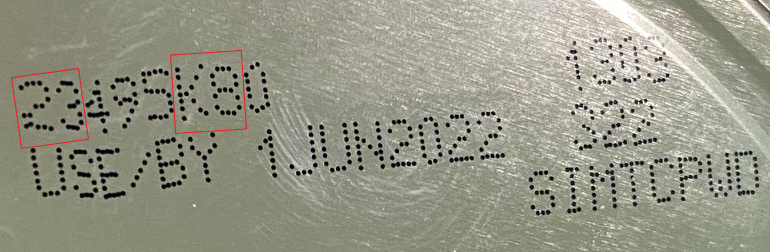
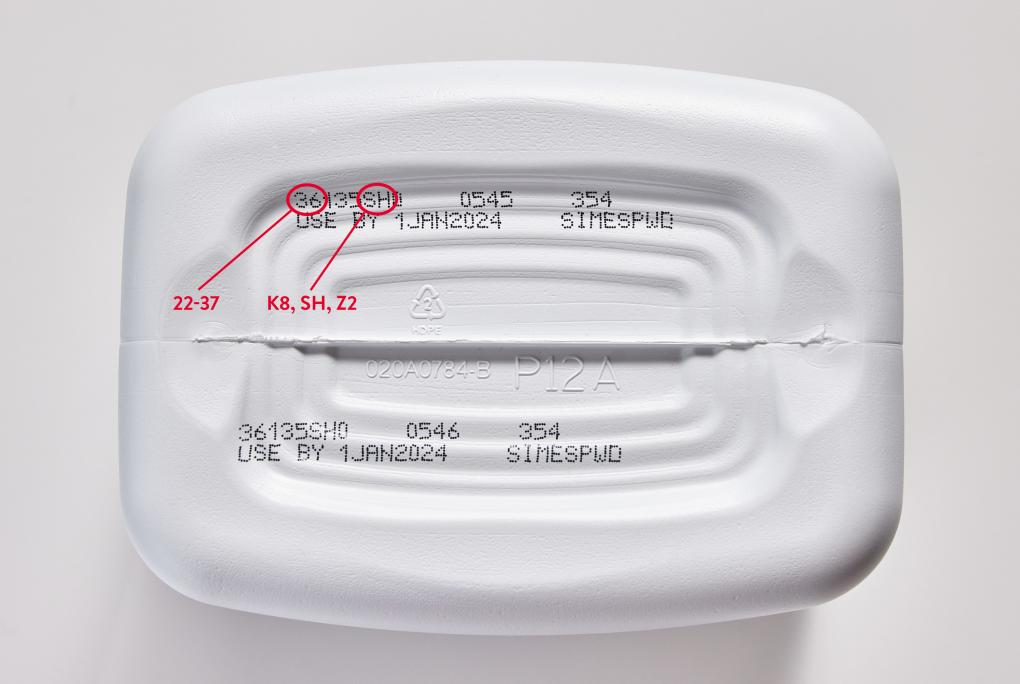
The FDA is advising consumers not to use recalled Similac, Alimentum, or EleCare powdered infant formulas. Recalled products can be identified by the 7 to 9 digit code and expiration date on the bottom of the package (see image below). Products are included in the recall if they have all three items below:

  • the first two digits of the code are 22 through 37 and
  • the code on the container contains K8, SH, or Z2, and
  • the expiration date is 4-1-2022 (APR 2022) or later.

In addition to products described above, Abbott Nutrition has recalled Similac PM 60/40 with a lot code 27032K80 (can) / 27032K800 (case). At this time, Similac PM 60/40 with lot code 27032K80 (can) / 27032K800 (case) are the only type and lots of this specialty formula being recalled.

Additional recall information for the initial recall is available on the FDA website. Parents can also enter their product lot code on the company’s websiteExternal Link Disclaimer to check if it is part of the recall.

Additional Information for Parents and Caregivers:

The recalls do not include liquid formula products. Consumers should continue to use all product not included in the recalls.

Parents and caregivers should never dilute infant formula and should not make or feed homemade infant formula to infants. Consumers should also avoid purchasing imported formula through online sales, as it has the potential to be counterfeit.

If your regular formula is not available, contact your child’s healthcare provider for recommendations on changing feeding practices.

If you get infant formula through WIC, do not throw the formula out. Instead, you should take it to the store for a refund and exchange or call the company at 1-800-986-8540 to help you. WIC recipients should be able to obtain a different brand of similar formula. Call your local WIC clinic for more guidance. Also see:

More information on Cronobacter and infant formula is available on CDC’s website.

Recalled powdered infant formulas have the potential to be contaminated with Cronobacter, a bacterium that can cause severe foodborne illness primarily in infants. Cronobacter infections are rare but are especially high risk for newborn infants (see symptoms below).

Cronobacter bacteria can cause severe, life-threatening infections (sepsis) or meningitis (an inflammation of the membranes that protect the brain and spine). Symptoms of sepsis and meningitis may include poor feeding, irritability, temperature changes, jaundice (yellow skin and whites of the eyes), grunting breaths, and abnormal movements. Cronobacter infection may also cause bowel damage and may spread through the blood to other parts of the body.

If your child is experiencing any of these symptoms, you should notify your child’s healthcare provider and seek medical care for your child immediately. Healthcare providers and health departments are encouraged to report any confirmed cases of Cronobacter sakazakii to CDC.


Product Images

Sample Product Image from the FDA Investigation of Cronobacter and Salmonella Complaints about Powdered Infant Formula (February 2022)
Powdered Infant Formation Container with Product Coding

Case Counts

Total Adverse Events: 5 (4 Cronobacter, 1 Salmonella)
Hospitalizations: 5
Reported Deaths: 2*
Adverse Event Dates: 9/16/2021 – 1/4/2022
States with Adverse Events: MN (1), OH (2), TX (2)
Product Distribution: Nationwide and International
* Two deaths have been reported. Cronobacter infection may have contributed to the cause of death for both ill patients.


International Product Distribution

The recall impacts Alimentum, EleCare, and Human Milk Fortifier for markets outside the U.S. No other Abbott Nutrition products distributed outside of the U.S. are affected by this recall. According to the firm, recalled products were distributed to the following countries/locations: Australia, Bahrain, Barbados, Bermuda, Canada, Chile, China, Colombia, Costa Rica, Dominican Republic, Ecuador, Egypt, Guam, Guatemala, Hong Kong, India, Indonesia, Israel, Jordan, Kuwait, Lebanon, Malaysia, Mexico, New Zealand, Oman, Peru, Puerto Rico, Qatar, Saudi Arabia, Singapore, South Africa, Sudan, Taiwan, Thailand, United Arab Emirates, United Kingdom, and Vietnam ANI South.

For additional information, international officials and customers can visit the company’s recall page for contact informationExternal Link Disclaimer.

Cronobacter Surveillance

Cronobacter infection surveillance is not handled the same way as infection with more common foodborne pathogens, such as Salmonella or E. coli O157:H7. Cronobacter is not nationally notifiable and not reportable except in one state, which means doctors and labs are not required to report cases to their health department. Because Cronobacter is not a nationally notifiable pathogen, FDA relies on consumer complaints of illness sent to the Agency and on health care providers informing FDA directly about infants with Cronobacter infections. In addition, because Cronobacter is not nationally notifiable, whole genome sequencing (WGS) is rarely performed on these isolates. To date, no outbreaks of Cronobacter have been detected using WGS.

When single cases of Cronobacter are reported, the FDA conducts a thorough review of each complaint, conducts sampling of products, and initiates inspections as appropriate. FDA collaborates with CDC, which has developed a detailed questionnaire specifically for Cronobacter infections that is often used by state health departments in instances of Cronobacter sakazakii infection.

South Africa – Court overturns decision in Tiger Brands Listeria case

Food Safety News

How the deadly strain of listeriosis was traced to Tiger Brands' Enterprise  polony factory

A court in South Africa has overturned a previous decision to make companies divulge information in relation to a deadly Listeria outbreak in 2017 and 2018.

The Supreme Court of Appeal ruling reverses a Gauteng High Court verdict on whether subpoenas issued against third parties were relevant to the class-action. Tiger Brands is facing a class-action following an outbreak of listeriosis between January 2017 and September 2018 that sickened more than 1,050 people, killing 218.

EU – Multi-country outbreak of Salmonella Enteritidis sequence type (ST)11 infections linked to eggs and egg products

EFSA

Abstract

On 2 September 2021, France reported an increase in Salmonella Enteritidis ST11 infections. By 11 January 2022, 272 confirmed cases had been reported in five European Union/European Economic Area (EU/EEA) countries and the United Kingdom (UK): Denmark (n=3), France (n=216), the Netherlands (n=12), Norway (n=7), Spain (n=22), and the UK (n=12) in 2021. Two deaths were recorded in adult men. Twenty-five cases were hospitalised. Sixty cases reported consumption of eggs/egg products.

Some cases reported in France in 2021 had visited restaurants serving eggs distributed by a common supplier, Spanish Packing Centre A. The eggs originated from three Spanish farms, one testing positive for the outbreak strain. Fresh table eggs from the farms linked to the outbreak were withdrawn and redirected for use in heat-treated egg products. No other countries received eggs from the same farms via Packing Centre A during summer 2021. Therefore, the source of infection for cases in late 2021 and in countries other than Spain and France could not be established.

This 2021 outbreak is linked microbiologically to a historical cross-border outbreak reported by the Netherlands in 2019. Eggs consumed by cases in the Dutch outbreak were traced back to a Spanish farm, but it was not possible to identify an epidemiological link with the 2021 outbreak. This suggests a wide distribution of the outbreak strain that could affect the food supply chain and/or earlier steps in the production chain. There may be multiple heterogeneous sources of S. Enteritidis ST11, and the outbreak strain could also be circulating at other farms, inside or outside Spain.

The risk of new infections caused by the outbreak strain and contaminated eggs remains high in the EU/EEA. It is therefore important to foster cross-sectoral investigations of contaminations in the egg supply chain in countries where S. Enteritidis ST11 has been detected.

PDF