Category Archives: Food Microbiology Research

China – Rice noodles behind Bacillus cereus outbreak in China

Food Safety News

A large outbreak with almost 200 cases in China was caused by poor hygiene at the producer and inadequate food storage at schools, according to a recent study.

An outbreak of acute gastrointestinal illness occurred at two middle schools in a rural region of Chongqing in 2021. The source was rice noodles contaminated with Bacillus cereus.

In May 2021, an outbreak was reported in the two schools. More than 100 students from the schools had symptoms of vomiting and nausea, prompting the Chongqing Center for Disease Control and Prevention and the local CDC to investigate and implement control measures.

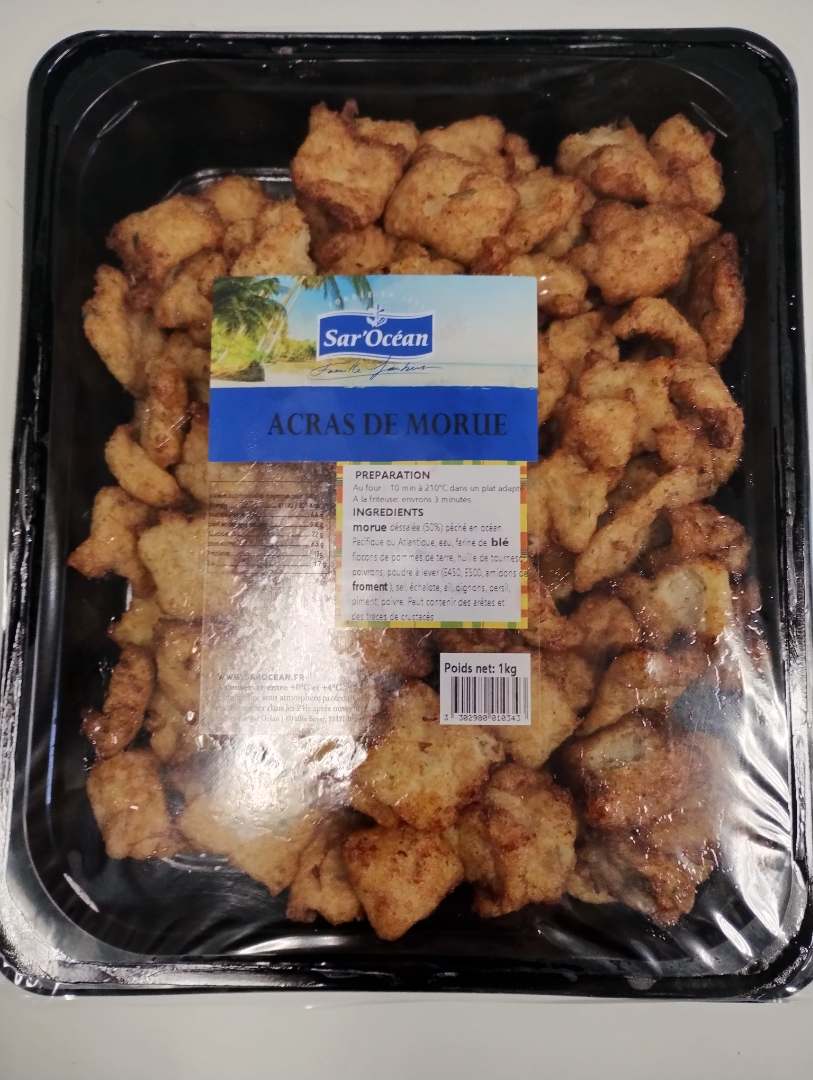
France – COD ACRAS 1 KG – Listeria monocytogenes

Gov France

  • Product category Food
  • Product subcategory Prepared meals and snacks
  • Product brand name SAR’OCEAN
  • Model names or references TRAYS 1 KG
  • Product identification
    GTIN Batch Date
    3302980010343 C310 Use-by date 11/27/2023
  • Packaging BLACK PLASTIC TRAY 1 KG
  • Start/end date of marketing From 08/11/2023 to 08/11/2023
  • Storage temperature Product to keep in the refrigerator
  • Health mark FR33039007CE
  • Geographical sales area Whole France
  • Distributors REYNAUD RUNGIS – WHOLESALER 94

New Zealand Research – Superbugs: how you can help fight back

MPI

New Zealand Food Safety is fighting back against superbugs – antimicrobial resistance (AMR) – and we need your help.

“The World Health Organization has identified AMR as one of the top 10 global health threats facing humanity,” says New Zealand Food Safety deputy director-general Vincent Arbuckle.

“World Antimicrobial Awareness Week, which begins tomorrow, recognises that this serious issue will need a global effort to manage. This year’s theme is ‘preventing antimicrobial resistance together’.”

AMR occurs when microbes, or germs, develop resistance to medicines, such as antibiotics. Antimicrobial medicines are critical to human, animal, and plant health, as well as the environment, but they lose effectiveness over time if they are not properly handled and disposed of.

“Antibiotic medicines are essential to the health of humans, animals, and plants. If they are not used properly, diseases can develop resistance, which makes the medicine less effective,” says Mr Arbuckle.

“Everyone has a role to play to ensure the appropriate use and disposal of antibiotics in their care to prevent the spread of AMR in humans, animals, plants, and the environment.

“New Zealand Food Safety works to reduce AMR risks in domestic animals, livestock and plants with a dedicated team that works with the New Zealand veterinary and primary industry sectors to promote careful use of antibiotics and encourage infection prevention strategies such as good hygiene and vaccination, and undertake surveillance for resistance in bacteria collected from animal samples.”

Here’s what pet owners and livestock farmers can do to help reduce the risk:

  • Take measures to keep animals healthy, such as keeping up them up to date with vaccinations and using good hygiene and biosecurity.
  • If antibiotics are needed, closely follow the instructions outlined by your veterinarian. Make sure you give the correct dose, at the right time of day, and for the prescribed duration.
  • Wash your hands after dosing and handling animals.
  • Make sure your animal completes the prescribed course. If for some reason you are unable to complete the course, let your veterinarian know so they can help you.
  • Never keep antibiotics for future use because each infection and animal need unique treatment.
  • Dispose of the empty containers appropriately to help keep the environment safe.

“In further good news, our 2022 Antibiotic agricultural compound sales analysis shows quantities of antibiotics used in animals have been declining for the last 5 years, with a 23% reduction. However we need to continue our efforts to preserve the effectiveness of lifesaving medicines,” says Mr Arbuckle.

Media release: Sales of antibiotics used in animals and plants down by nearly a quarter

New Zealand Food Safety takes a One Health approach to AMR, working closely with the Ministry of Health including on the joint New Zealand antimicrobial resistance action plan – with an updated plan due for publication in 2024.

New Zealand antimicrobial resistance action plan [PDF, 836KB] 

Find out more

For further information and general enquiries, call MPI on 0800 00 83 33 or email info@mpi.govt.nz

Research-Contamination of Plant Foods with Bacillus cereus in a Province and Analysis of Its Traceability

MDPI

Abstract

Bacillus cereus is an important zoonotic foodborne conditional pathogen. It is found in vegetables, dairy products, rice, and other foods, thereby greatly endangering human health. Investigations on B. cereus contamination in China primarily focus on raw milk, dairy products, meat, and others, and limited research has been conducted on plant-based foodstuffs. The rapid development of sequencing technology and the application of bioinformatics-related techniques means that analysis based on whole-genome sequencing has become an important tool for the molecular-epidemiology investigation of B. cereus. In this study, we investigated the contamination of B. cereus in six types of commercially available plant foods from eight regions of a province. The molecular epidemiology of the isolated B. cereus was analyzed by whole-genome sequencing. We aimed to provide fundamental data for the surveillance and epidemiology analysis of B. cereus in food products in China. The rapid traceability system of B. cereus established in this study can provide a basis for rapid molecular epidemiology analysis of B. cereus, as well as for the prevention and surveillance of B. cereus. Moreover, it can also be expanded to monitoring and rapid tracing of more foodborne pathogens.

France – Campylobacter Information

Sante Publique

Transmitted to humans mainly through contaminated, undercooked meat, Campylobacter infections are a common cause of bacterial gastroenteritis in developed countries.

Research -Modeling the Thermal Inactivation of Ascospores from Heat-Resistant Molds in Pineapple Juice and Evaluating Disinfection Efficiency of Sodium Hypochlorite and Chlorine Dioxide

MDPI

Abstract

The contamination and spoilage of heat-treated fruit juices by heat-resistant mold ascospores present significant challenges to the food industry. Understanding effective strategies to mitigate this contamination is vital for ensuring the shelf-life and microbial safety of heat-treated fruit juices. This study investigated the thermal resistance of ascospores from different heat-resistant mold species, including Aspergillus laciniosusA. chevalieriA. denticulatusA. siamensisHamigera pallida, and Talaromyces macrosporus, isolated from pineapple and sugarcane field soils. Ascospores inactivation kinetics in pineapple juice under heat treatment (75–97 °C) were analyzed using log-linear and Weibull models. Among these species, A. laciniosus displayed the highest heat resistance (δ-value: 104.59 min at 85 °C), while A. siamensis exhibited the lowest (δ-value: 3.39 min at 80 °C). Furthermore, A. laciniosus, the most heat-resistant species, showed notable tolerance to sanitizers. The most effective inactivation was achieved using 1.0% (w/v) sodium hypochlorite for 15 min. Chlorine dioxide, however, was generally ineffective and even activated dormant ascospores in some cases. The combination of hot water (65 °C for 5 min) with sanitizer increased ascospore reduction in most species but did not achieve the 3-log reduction required by the European Standard N13697. This study revealed a correlation between ascospore resistance to heat and chlorine dioxide, offering significant findings for practical inactivation strategies

Research – Flood-Associated, Land-to-Sea Pathogens’ Transfer: A One Health Perspective

MDPI

Similarly to many other countries across the globe, several floods have been recorded in Italy throughout the last few decades, including those of catastrophic magnitude that occurred in the Emilia-Romagna and Tuscany regions last May and a few weeks ago, respectively. This, once again, underscores the increasingly growing probability, in the current “Anthropocene Epoch”, of global warming-related, extreme weather phenomena. Indeed, the last 8 years (2015–2022) have been characterized by the highest average temperatures ever recorded on Earth throughout the last 140 years [1].
How can we imagine to stay healthy in a sick world?”, Pope Francis wrote three years ago in his missive addressed to the President of Columbia on the “2020 World Environment Day”, while the COVID-19 pandemic was dramatically affecting the entire world, with SARS-CoV-2 likely representing a clear-cut example of a climate change-driven pathogen spillover from bats to humans [2].
Within such a challenging and alarming scenario, the land-to-sea transfer of a huge (and progressively increasing) number of infectious agents appears to be a matter of relevant concern [3,4]. This especially applies to bacterial microorganisms shed into the external environment via the fecal route, such as Salmonella spp., Escherichia coliVibrio cholerae and Listeria monocytogenes, alongside protozoan pathogens like Toxoplasma gondii and/or viral agents like the one causing hepatitis A and, last but not least, the pandemic SARS-CoV-2 betacoronavirus. As a matter of fact, evidence of viral fecal shedding has been documented for a median duration of 22 days in 59% of subjects from a cohort of SARS-CoV-2-infected patients in China [5]. Once transferred into sea and ocean waters by flood-derived mud and debris, fecally excreted microbial pathogens may be ingested by edible bivalve mollusks like mussels, an organism in which a single individual is able to filter over 100 liters of water on a daily basis, thus potentially hosting inside its body tissues significant amounts of biological and chemical environmental pollutants [6]. Within this context, it is worth mentioning a V. cholerae infection outbreak linked to the consumption of raw, non-sterilized mussels which diffusely involved the human population from the cities of Naples and Bari during the summer and early autumn months of 1973 [7]. Moreover, the land-to-sea transfer of infectious agents may additionally involve free-ranging cetaceans, whose health and conservation status appear to be increasingly threatened by a long and progressively expanding list of both natural and anthropogenic factors. This holds particularly true for “inshore” species like bottlenose dolphins (Tursiops truncatus), which are more prone to acquire infections caused by “terrestrial” pathogens like T. gondii [8] while being simultaneously able to accumulate and “biomagnify” inside their body tissues consistent amounts of human-made, persistent, immunotoxic, neurotoxic and endocrine-disrupting environmental pollutants, based upon their well-known position of “apex predators” within the marine and oceanic food chains. Furthermore, the proven capability of micro-nanoplastics—exceedingly contaminating global seawaters—to behave as “attractors and concentrators” for the aforementioned anthropogenic xenobiotics should also be taken into serious account, together with the demonstrated interaction of micro-nanoplastics in marine and oceanic ecosystems with zoonotic protozoan pathogens like T. gondiiCryptosporidium parvum and Giardia enterica [9]. This scenario, which already appears to be quite intricate and complex by itself, is made even more alarming by the fact that micro-nanoplastics may also host and carry a wide range of antibiotic-resistant bacteria, from which an active and powerful exchange of antimicrobial resistance genes may additionally occur, through horizontal gene transfer, with several environmental bacterial species colonizing the same plastic substrates [10].

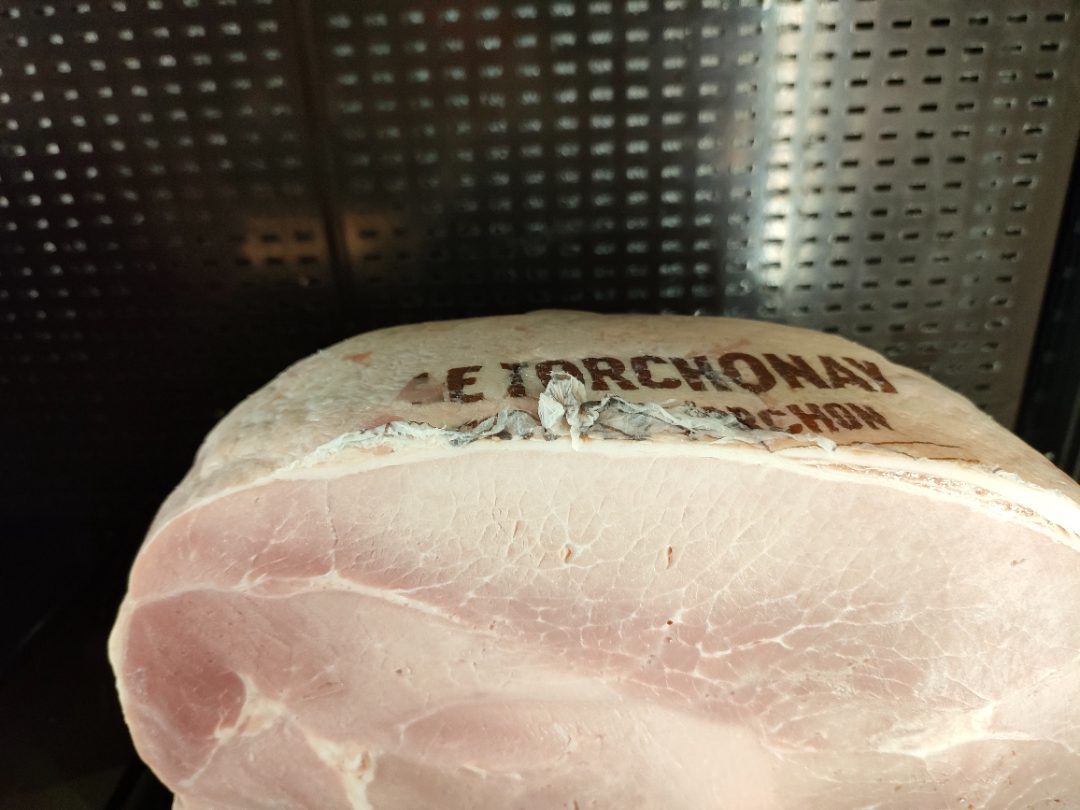
France – TORCHONAY COOKED HAM – Salmonella

Gov France

  • Product category Food
  • Product subcategory Meats
  • Product brand name CELTIC SALTED SEASONS
  • Model names or references TORCHONAY COOKED HAM
  • Product identification
    GTIN Batch Date
    45460054 9932980347 Use-by date 11/12/2023
  • Products List PAC_PLM.187469.19.pdf Attachment
  • Start/end date of marketing From 03/11/2023 to 14/11/2023
  • Storage temperature Product to keep in the refrigerator
  • Health mark FR 35 297 003 EC
  • Geographical sales area Whole France
  • Distributors INTERMARCHE

Research – Assessment of surveillance of Campylobacter infections in France in 2022.

Sante Publique

Key points

In 2022, surveillance of Campylobacter infections in France confirmed the epidemiological and biological trends already observed in recent years:

  • a predominance of the species C. jejuni ;
  • higher number of cases and incidence in children;
  • a predominance of infections among men;
  • a seasonal peak during the summer period except for C. fetus ;
  • high resistance to fluoroquinolones and tetracyclines, which has remained stable in recent years;
  • an absence of significant increase in the resistance rates of the six antibiotics routinely tested.

RASFF Alert – Norovirus in Oysters from France

RASFF

Norovirus in oysters from France in  China, Czech Republic, Germany, Hong Kong, Italy, Netherlands, Norway, Singapore, Spain, Taiwan, Thailand