Category Archives: Food Microbiology Research

Research – Vacuum-Packed Steak Tartare: Prevalence of Listeria monocytogenes and Evaluation of Efficacy of ListexTM P100

MDPI

Steak tartare is a raw, ready-to-eat meal popular in European countries, the safety of which is often discussed due to the risk of foodborne illness. The aim of this study was to determine the prevalence of Listeria monocytogenes in vacuum-packed steak tartare from retailers in the Czech Republic, characterize the strains obtained by typing methods and to evaluate the efficacy of ListexTM P100 against L. monocytogenes artificially inoculated into steak tartare samples. The prevalence of L. monocytogenes was 55% and 17 isolates belonging mostly to serotype 1/2a were obtained. Altogether 11 sequence types and 11 clonal complexes were assigned based on the whole genome sequencing (WGS) signifying the high diversity of L. monocytogenes isolates obtained. Core genome multi-locus sequence typing (cgMLST) did not confirm an epidemiological connection with human cases of listeriosis. The efficacy of ListexTM P100 treatment at concentrations of 108 and 109 PFU/g on artificially inoculated beef steak tartare samples was not efficient. Based on the results of this study, steak tartare from retailers can be considered as a source of L. monocytogenes that remains a challenge to the food industry. View Full-Text

USA – FDA, growers agree on many points of water safety; consumer group has concerns

Food Safety News

The public and industry had the opportunity this week to hear FDA representatives talk about a proposed rule regarding how to make water used in the growing of fresh produce safer.

The session with the Food and Drug Administration officials included about 30 minutes for comments from the audience, which consisted of three-minutes each from industry spokespeople.

During one portion of the five-hour session a representative from the Center for Science in the Public Interest provided comments about public welfare issues concerning the proposed water safety rule. That portion of the session also included a presentation by a representative of Western Growers, which is a group of produce growers in western states. 

One thing the government speakers and other commenters had in common was the fact that the ag water rule is complicated. They all also said the proposed rule is more flexible than the one-size-fits-all proposal previously put forward by the Food and Drug Administration.

The agency has been working on the rule regarding agricultural water requirements under the Produce Rule since 2013. The rule is one of the mandates included in the federal Food Safety and Modernization Act of 2011. It covers water safety issues for fresh fruits and vegetables. It has a special section for the production of sprouts that is already in place.

Provisions of the proposed water rule do not include most small farmers, if their annual income generated by their sales of fresh produce is less than $25,000. Many of those growers use organic methods.

Research – Norovirus behind a third of outbreaks in Finland

Food Safety News

Food Borne Illness - Norovirus -CDC Photo

Norovirus was the main cause of foodborne outbreaks in Finland from 2017 to 2019, according to figures published recently by the Finnish Food Authority (Ruokavirasto).

About 2,900 people were reported to have fallen ill in 162 foodborne outbreaks with 110 hospitalizations and nine deaths.

Norovirus caused 57 foodborne outbreaks including two in 2018 through meals at medical and elderly care institutions with 292 and 110 cases. The most commonly reported vectors were fish and fish products, including shellfish and mussels. These caused 14 outbreaks.

USA – FDA Core Investigation Table Update


FDA

Date
Posted

Ref
#

Pathogen
 

Product(s)
Linked to
Illnesses

(if any)

Total
Case Count


Status

2/17/

2022

1056

Cronobacter
sakazakii

&
Salmonella
Newport

Powdered
Infant
Formula

See
Advisory

Active

2/9/

2022

1040

Listeria
monocytogenes

Not Yet
Identified

14

Active

2/2/

2022

1054

Enteroinvasive
E. coli
O143:H26

Not Yet
Identified

16

Active

1/10/

2022

1050

E. coli
O121:H19

Romaine

4

Closed

12/29/

2021

1052

E. coli
O157:H7

Packaged
Salad

See Outbreak
Advisory

Active

12/20/

2021

1039

Listeria
monocytogenes

Packaged
Salad

See Outbreak
Advisory

Active

12/15/

2021

1048

Listeria
monocytogenes

Packaged
Salad

See Outbreak
Advisory

Active

Turkey – Norovirus behind mass hospitalizations in Turkey’s Bilecik – Water Contamination

Daily Sabah

Authorities announced that norovirus is the culprit behind the hospitalization of hundreds of people in the western province of Bilecik in recent weeks. An investigation found out that the virus, whose symptoms include vomiting, diarrhea and stomachache, originated from city’s drinking water. Health Ministry crews discovered that unfiltered water from a spring had contaminated drinking water supplies to the city of more than 228,000 people.

Research – Assessment of the Microbiological Quality and Safety of Unpasteurized Milk Cheese for Sale in England between 2019 and 2020

Journal of Food Protection

Cheese made with unpasteurized milk has been associated with outbreaks of illness. However, there are limited data on the prevalence of Shiga toxin–producing Escherichia coli (STEC) in these products and a lack of clarity over the significance of E. coli as a general indicator of hygiene in raw milk cheeses. The aim of this study was to provide further data to address both of these issues, as well as assessing the overall microbiological quality of raw milk cheeses available to consumers in England. A total of 629 samples of cheese were collected from retailers, catering premises, and manufacturers throughout England. The majority (80%) were made using cow’s milk, with 14% made from sheep’s milk and 5% from goat’s milk. Samples were from 18 different countries of origin, with the majority originating from either the United Kingdom (40%) or France (35%). When interpreted against European Union microbiological criteria and United Kingdom guidance, 82% were considered to be of satisfactory microbiological quality, 5% were borderline, and 12% were unsatisfactory. Four samples (0.6%) were potentially injurious to health due to the isolation of STEC from one, >104 CFU/g of coagulase-positive staphylococci in two, and >100 CFU/g of Listeria monocytogenes in the fourth sample. Indicator E. coli and Listeria species were detected more frequently in soft compared with hard cheese. Higher levels of indicator E. coli were significantly associated with a greater likelihood of detecting Shiga toxin genes (stx1 and/or stx2).

Research – IFST – Building biofilm knowhow.

IFST

Mark Richardson outlines the aims and activities of the National Biofilms Innovation Centre (NBIC) and explains why the occurrence of foodborne pathogens in biofilms is a major concern.

The National Biofilms Innovation Centre (NBIC) is still a relatively young organisation but we are proud of what we have achieved since our formation in late 2017. We were funded through UKRI (UK Research and Innovation) by BBSRC (Biotechnology and Biological Sciences Research Council), Innovate UK and the Hartree Centre as an Innovation Knowledge Centre (IKC) to support and connect the biofilm community in industry and academia.

Foodborne pathogens within biofilms

Biofilms are communities of microorganisms (often multiple species) within an extracellular matrix associated with a surface; this allows them to communicate and collectively behave very differently to individual organisms. Biofilms have a role to play across multiple industrial sectors in terms of both the problems they present and opportunities they offer. In respect to human health and food they can, for example, potentiate the emergence of bacterial resistance to antibiotics, antiseptics and disinfectants. From farm to fork they have a role to play in the health of soils, plants and animals; in addition they impact on food processing and then subsequently on supply chain safety (particularly for ready to eat or chilled produce).

For example, Listeria monocytogenes, a pathogenic bacterium found in moist environments, soil, water, decaying vegetation and animals, can survive and even grow under refrigeration and other food preservation measures. It can cause food poisoning if ingested and due to the severity of infection and high case fatality rate, listeriosis is an important public health concern. A high level of vigilance is maintained in food manufacturing environments for the occurrence of this organism. There were 142 cases of food borne listeriosis in the UK in 2019 resulting in 23 deaths plus eight miscarriages or stillbirths.

Listeria monocytogenes typifies the problems that biofilm modality imparts to organisms in that when it grows within a biofilm, it is very difficult to detect, remove and destroy. When measures relating to its control go wrong, this can lead to significant human health issues, adverse impacts on the food sector’s reputation and significant economic costs. As recently as July 2021, Tyson Foods in the USA recalled nationally almost 4100 tonnes of ready-to-eat chicken products after finding they may have been contaminated with Listeria. The US Department of Agriculture announced the recall a month after two consumers reported falling ill with listeriosis. Further investigation revealed one death.

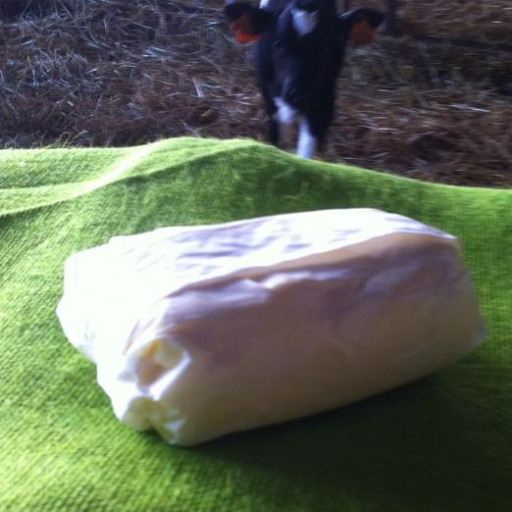
France – Plain and Semi-Salted Butter – Listeria monocytogenes

Gov france

Identification information of the recalled product

  • Product category Food
  • Product subcategory Milk and dairy products
  • Product brand name plain and semi-salted butter
  • Model names or references plain and semi-salted butter
  • Identification of products
    Lot
    all lots from January 1, 2022 to February 11, 2022
    all lots from January 1, 2022 to February 21, 2022
  • Products List placard_listeria-3.pdf Attachment
  • Marketing start/end dateFrom 01/01/2022 to 11/02/2022
  • Storage temperature Product to be stored in the refrigerator
  • Geographic area of ​​sale Regions: Centre-Val de Loire
  • Distributors “alimen’terre” a la chapelle vendomoise “candepicerie” a cande sur beuvron “la sologn’hotte” “vival” a contres “ouchamps des lyces” a ouchamps “superette cocci market” a cour cheverny ” earl dufraisse ” a cheverny

Practical information regarding the recall

  • Reason for recall presence listeria monocytogenes
  • Risks incurred by the consumer Listeria monocytogenes (causative agent of listeriosis)

Australia/New Zealand – Call for comment on new food safety management standards 

FSANZ

Food Standards Australia New Zealand (FSANZ) is seeking public comment on proposed new food safety management standards for food service and retail businesses.

Interim FSANZ CEO Dr Sandra Cuthbert said the proposed amendments to the Australia New Zealand Food Standards Code (the Code) were designed to strengthen food safety management practices and introduce nationally consistent, risk-proportionate standards to reduce rates of foodborne illness.

“The food services sector is vitally important to the Australian economy and our way of life,” Dr Cuthbert said.

“The majority of businesses do an excellent job in providing Australians with safe food, however our assessment of food safety management practices in the sector has found a need for strengthened standards to ensure greater consistency and reduce rates of foodborne illness.

“The proposed changes will help food businesses enhance their food safety management practices, delivering safer food to consumers and supporting improved business and consumer confidence. The food service sector has demonstrated their responsiveness to enhancing safety throughout the COVID-19 pandemic, with food businesses and handlers rising to the challenge of meeting COVID health and safety requirements.”

FSANZ considered three specific food safety measures to reduce rates of foodborne illness – having a food safety supervisor on staff, training food handlers and ensuring businesses can provide evidence to substantiate food safety management.

Risk-proportionate regulation is proposed, with targeted measures to apply to businesses based on their level of food safety risk.

“Businesses will fall into one of three categories, with those associated with high food safety risks required to apply more food safety measures than those with lower risks,” Dr Cuthbert said.

“FSANZ considers these requirements are appropriate and practical, can be readily implemented in the relevant sector, and are able to be maintained over time.

“Regulatory measures would be supported by food safety culture initiatives and an education campaign for businesses and environmental health officers.

“This approach aims to provide the greatest impact on reducing foodborne illness in Australian food service and retail settings without unnecessary regulatory burden.”

FSANZ invites comments from interested parties on the proposed measures by 6pm (Canberra time) 11 April 2022.

FSANZ will consider all submissions before making a final decision. All FSANZ decisions on proposals to develop or update standards are notified to the ministers responsible for food regulation in Australia and New Zealand. They can ask for a review or agree that the standard should become law.

More information

Media contact:

  • 0401 714 265 (Australia)
  • +61 401 714 265 (New Zealand)

Research – Spain – Report of the Scientific Committee of the Spanish Agency for Food Safety and Nutrition (AESAN) on the safety of foods air-dried outdoors that are produced by traditional methods and which require an adjustment of the hygiene requirements that must be fulfilled

AESAN

Abstract
The European Union recognises that traditional methods of food production are a valuable and irreplaceable heritage that must be preserved over time. Therefore, Regulation (EC) No. 852/2004 permits a degree of flexibility in its application provided food hygiene goals are not compromised. For decades, both plant and animal-based foods have been produced in Spain which are air-dried outdoors until reaching a low water activity (aw) that enables their preservation at room temperature. These foods include, raisins, dried apricots, dried figs, ñora peppers, dried fish or octopus that are at least partially air-dried, among others.
The Scientific Committee of the Spanish Agency for Food Safety and Nutrition (AESAN) is of the opinion that the processing of naturally dried foods leads to their correct preservation, provided they reach an aw that inhibits the proliferation of pathogenic microorganisms and the production of toxins in them. Some of the stages in the process may cause microbial inactivation.
Above all, it is necessary to ensure the absence of the formation of toxins, with aflatoxins being the ones that have been most frequently identified. Thus, it is considered that the drying should be conducted in the least time possible, ensuring a decrease of aw within the first 2-3 days of below 0.90 to inhibit the development of aflatoxins, and this drying should be continued until aw levels lower than 0.70 are reached, preventing the growth of pathogenic microorganisms that cause spoilage. It is necessary to guarantee suitable hygienic conditions during processing in order to prevent contamination by pathogens and/or toxins.
Although they cannot proliferate in the stated preservation conditions, they can remain viable in the final product, therefore they may pose a risk to consumer health. Microorganisms with a low infective dose and those that have been identified in dried products (such as S. aureus and Salmonella) and microbial toxins are especially relevant. Autonomous Communities must monitor compliance with the requirements to ensure that they do not pose a risk in these products.
Although these types of products have a low aw, within the range of 0.6 to 0.8 according to avail-able literature, given that this information is not available for each assessed product, the level of safety reached cannot be established on an individual basis. Additionally, the diverse factors used in some of them (additives and preservatives, pasteurisation processes, etc.) require individual assessment once all the necessary information is available. Therefore, the drying must reach aw levels below 0.70 in the least time possible for these types of products to be considered stable, as given these conditions, there is no scientific evidence that shows that the safety and stability of the dried products are compromised, provided good hygiene practices are maintained during their preservation and storage.
For final levels of aw that are higher, correct preservation may be achieved through a combination of factors which proves that it is effective throughout the shelf life of the product, maintaining the aforementioned appropriate hygiene practices.